No longer an afterthought – newsletters have become a saving grace for publishers.
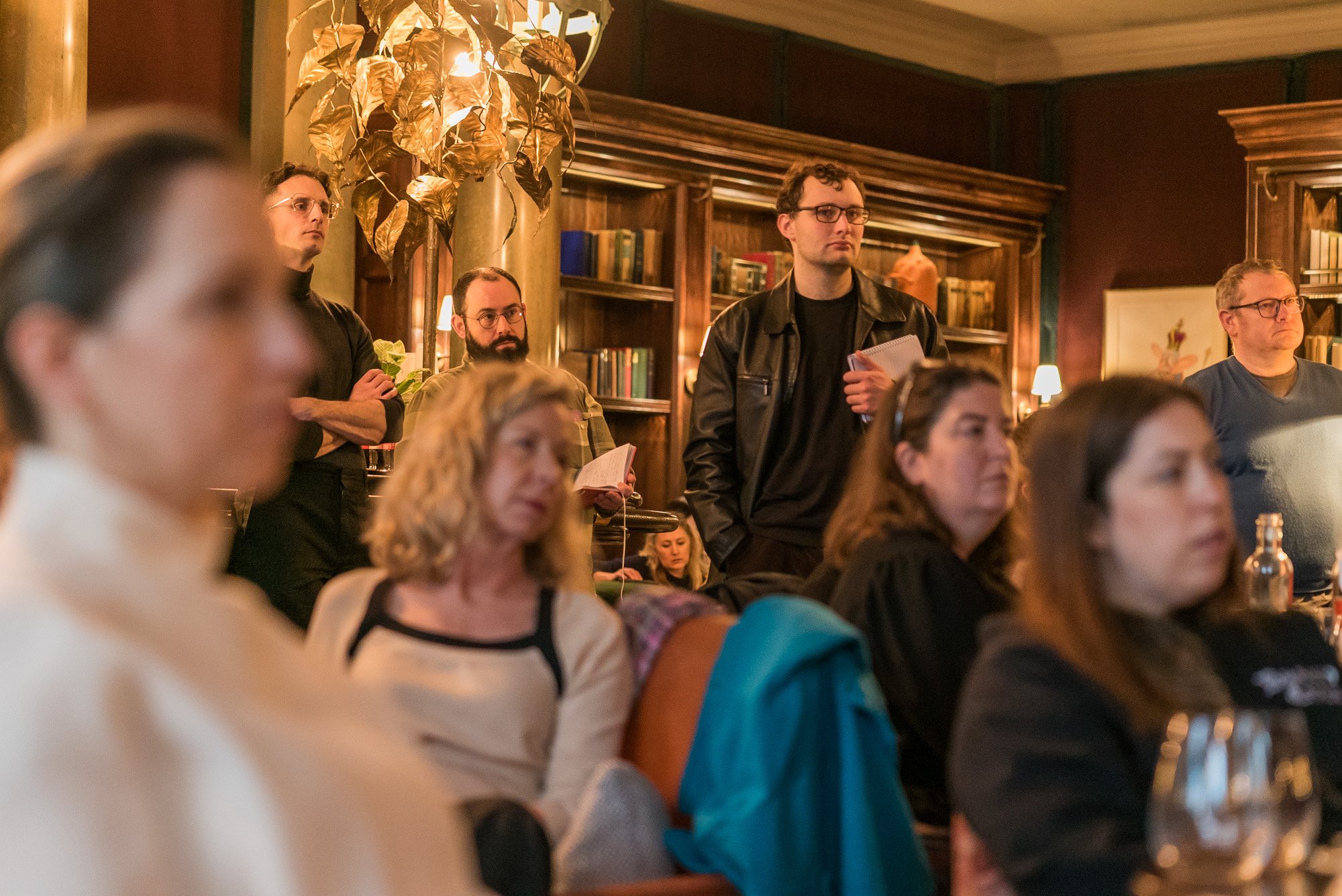
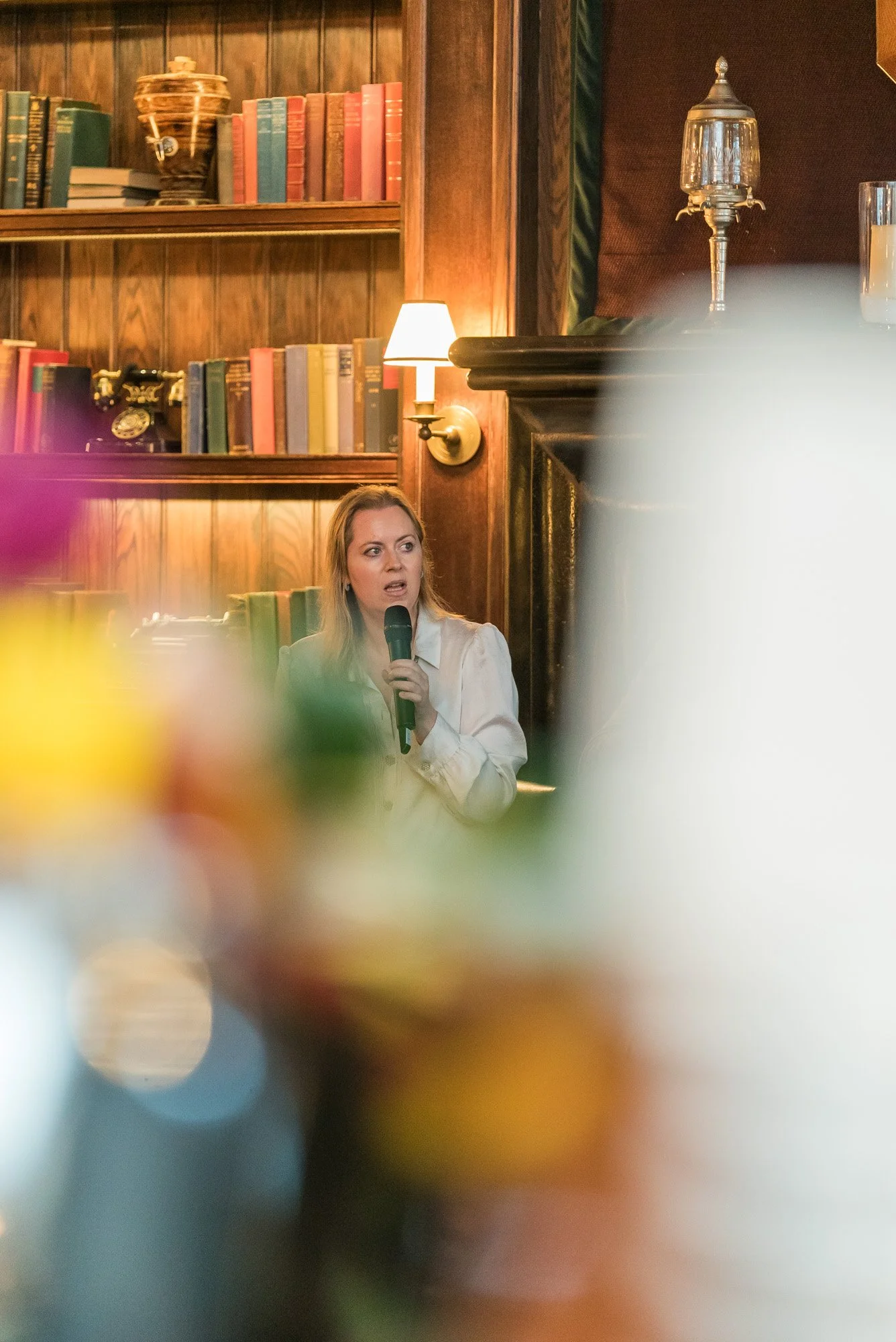
What is the secret to a successful newsletter in 2026? In this BSME event at the Rosewood London’s Scarfes Bar, expert panellists revealed how to use this powerful tool to build loyal off-platform audiences against a backdrop of unpredictable algorithms and AI-generated content.

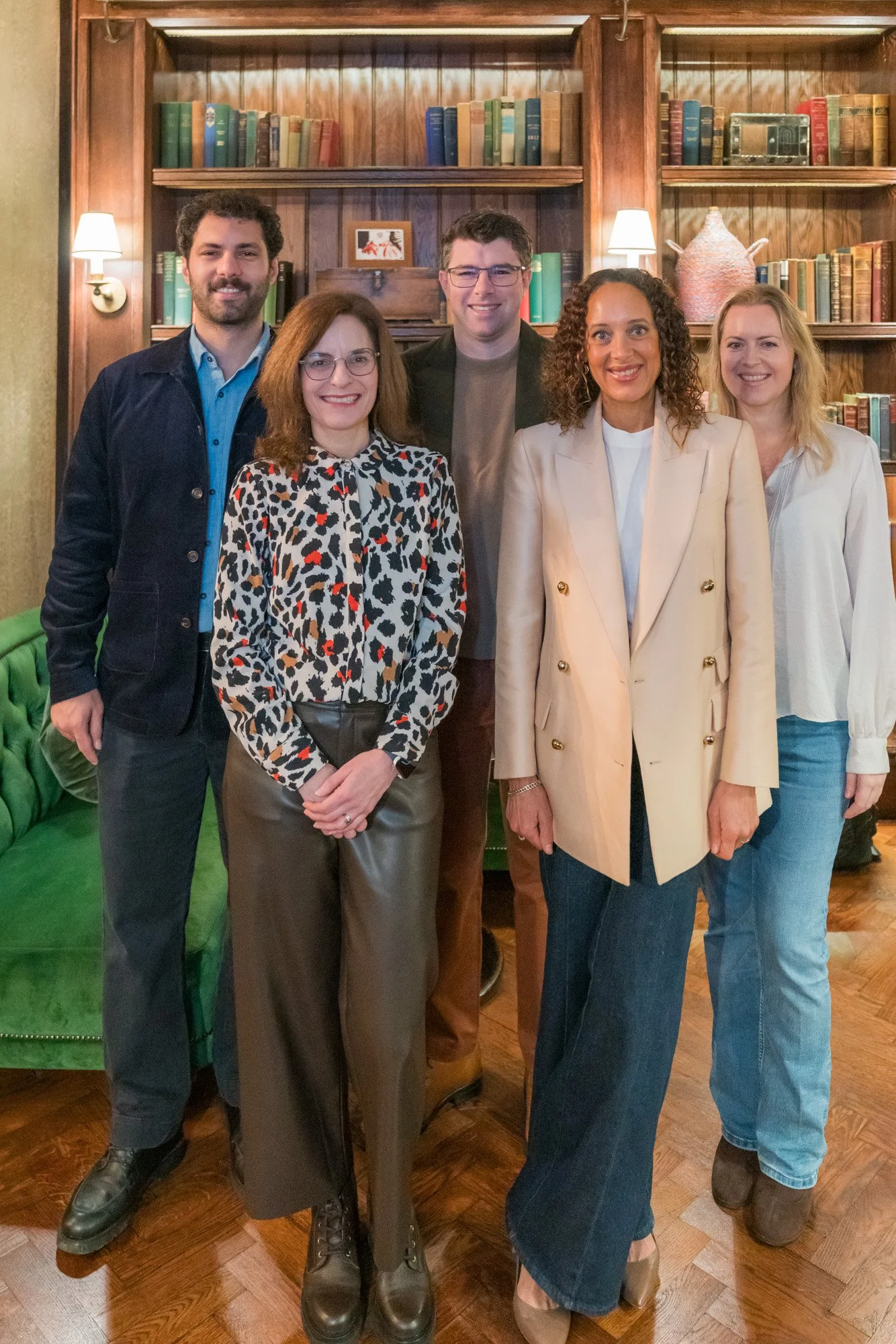
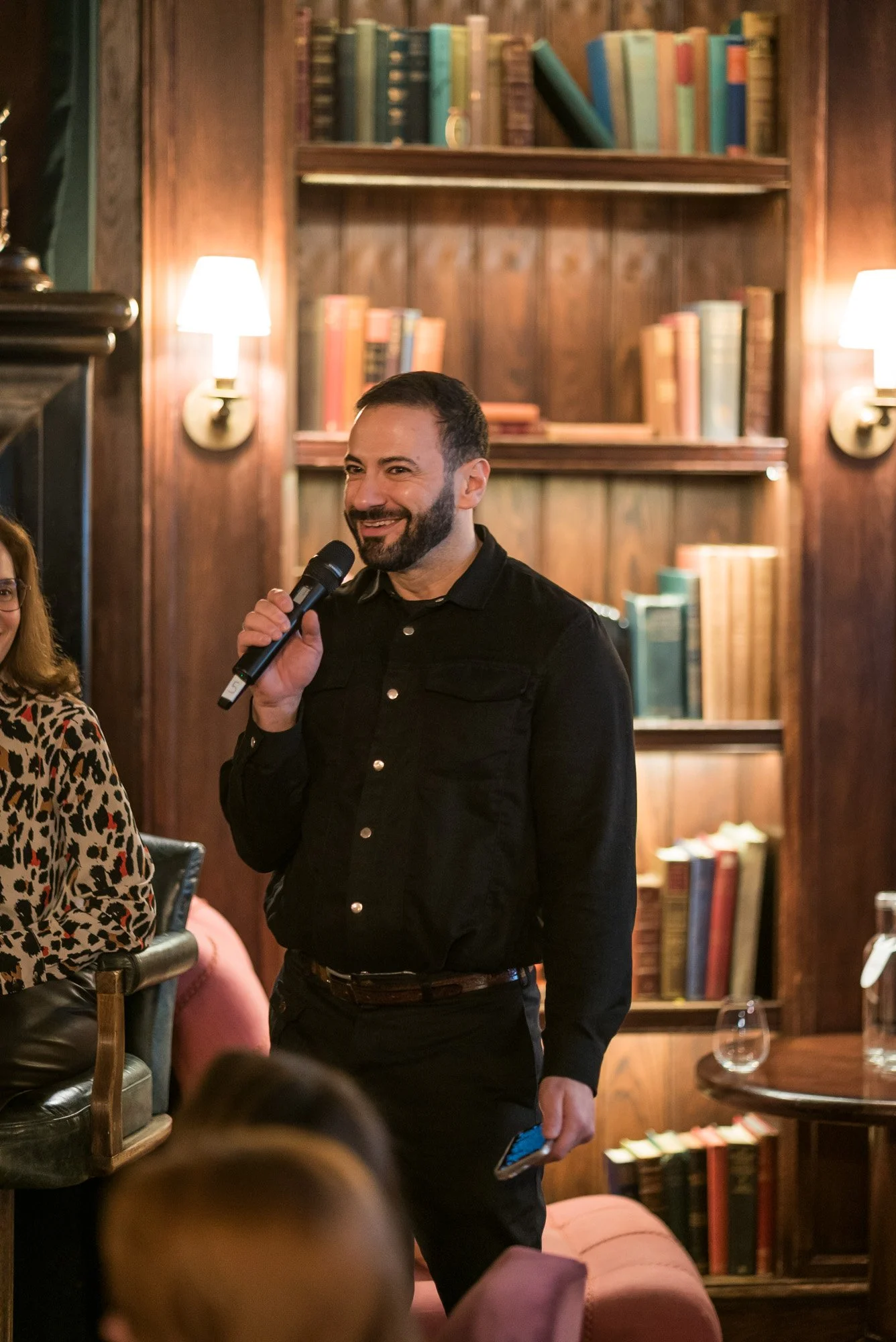
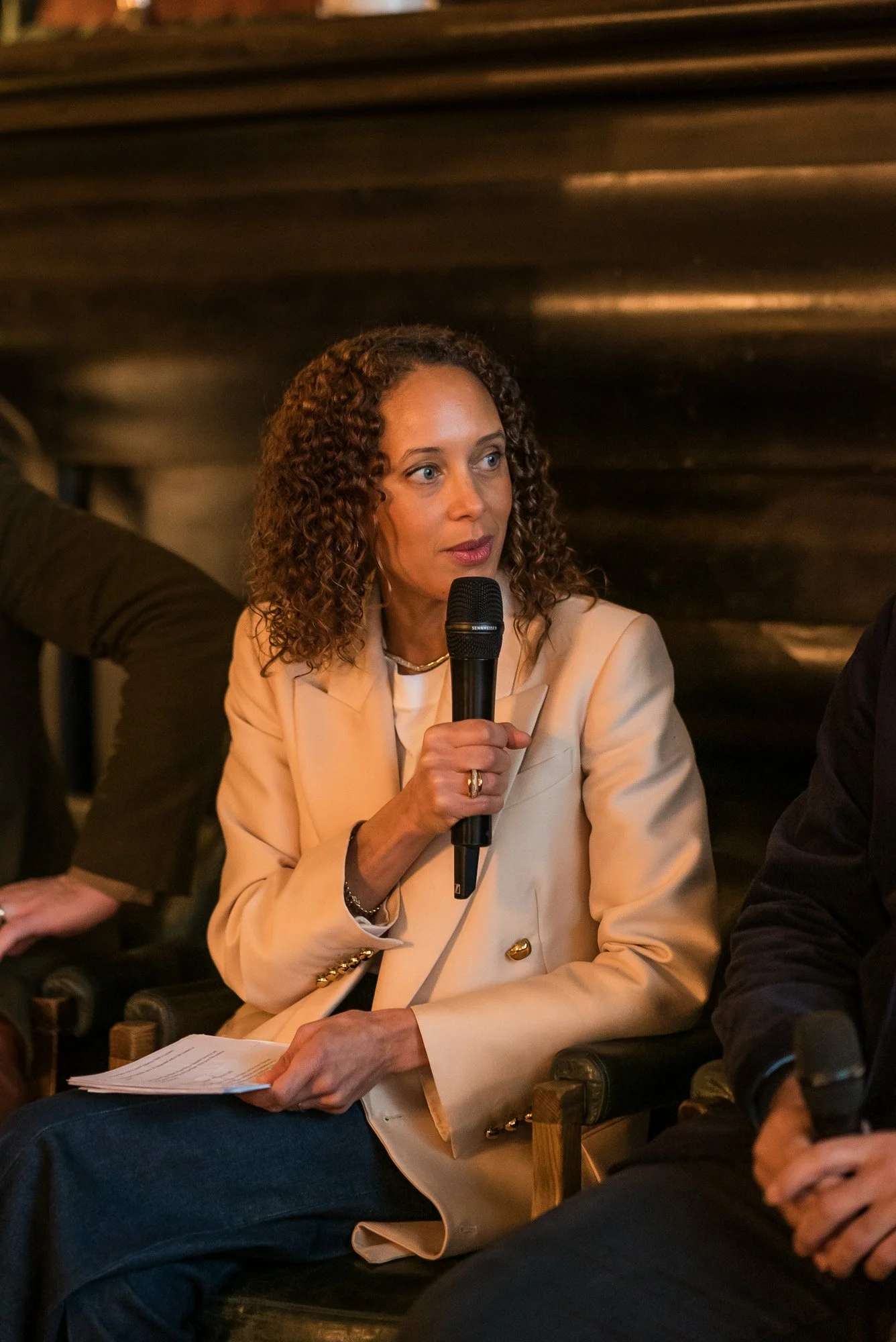
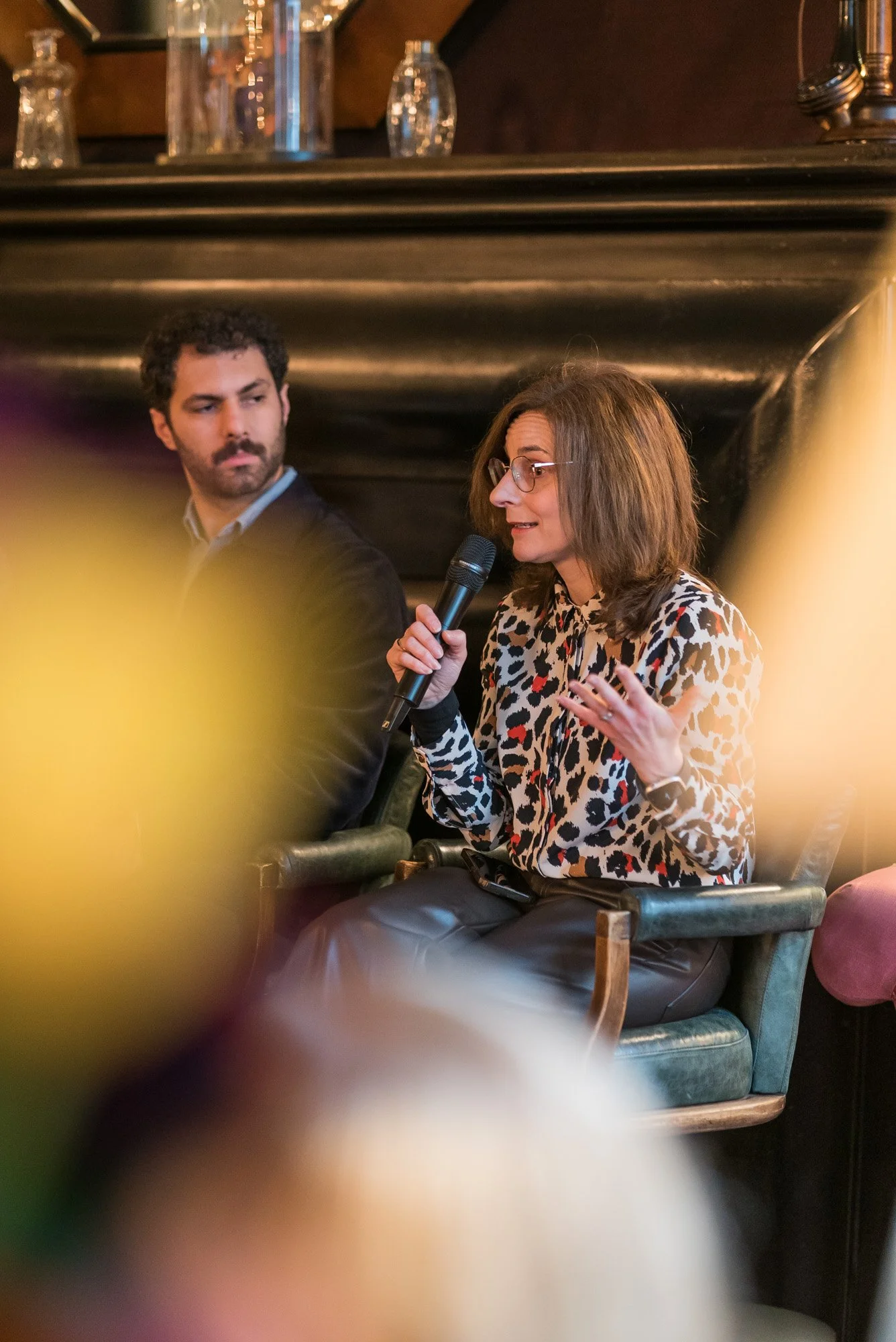
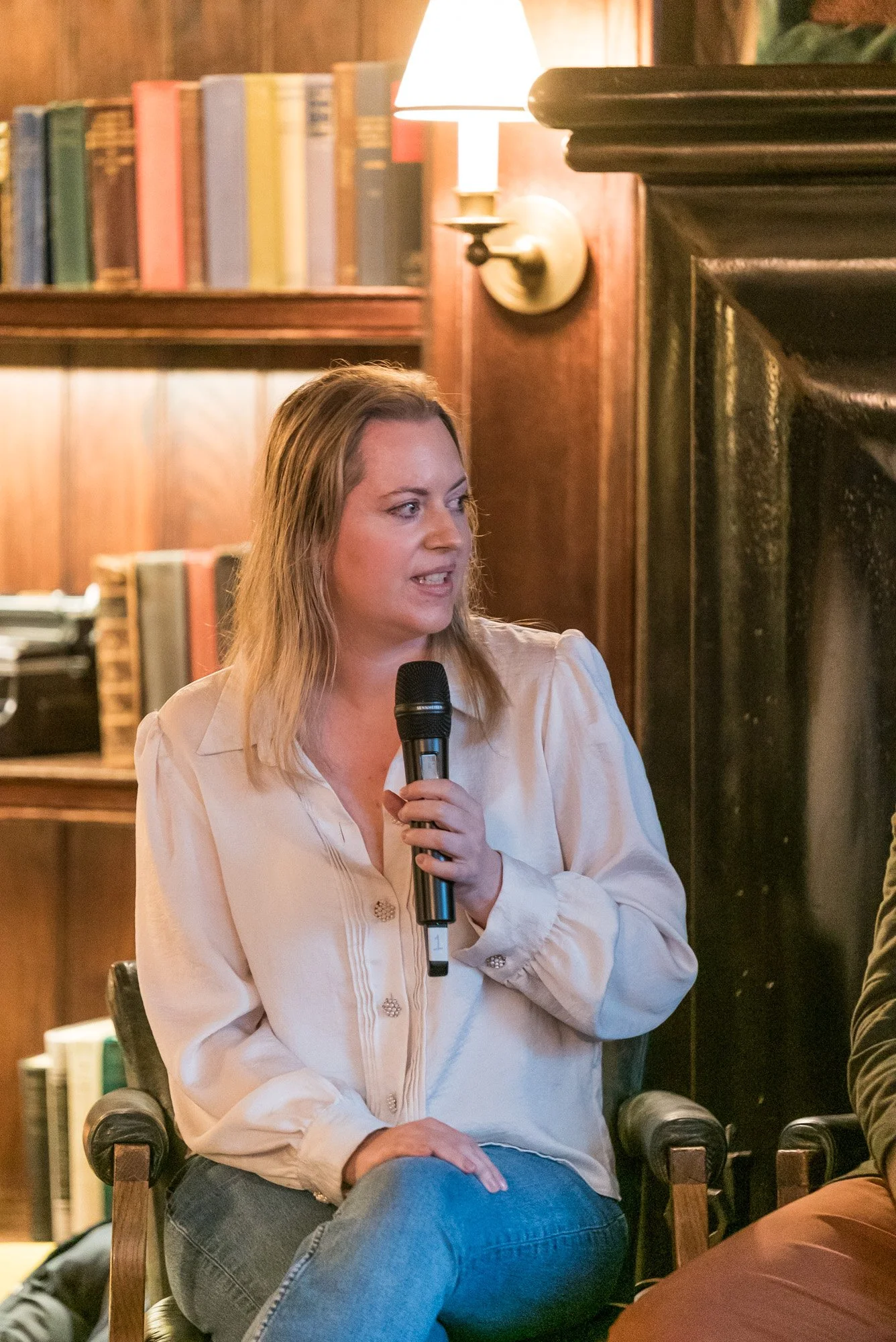
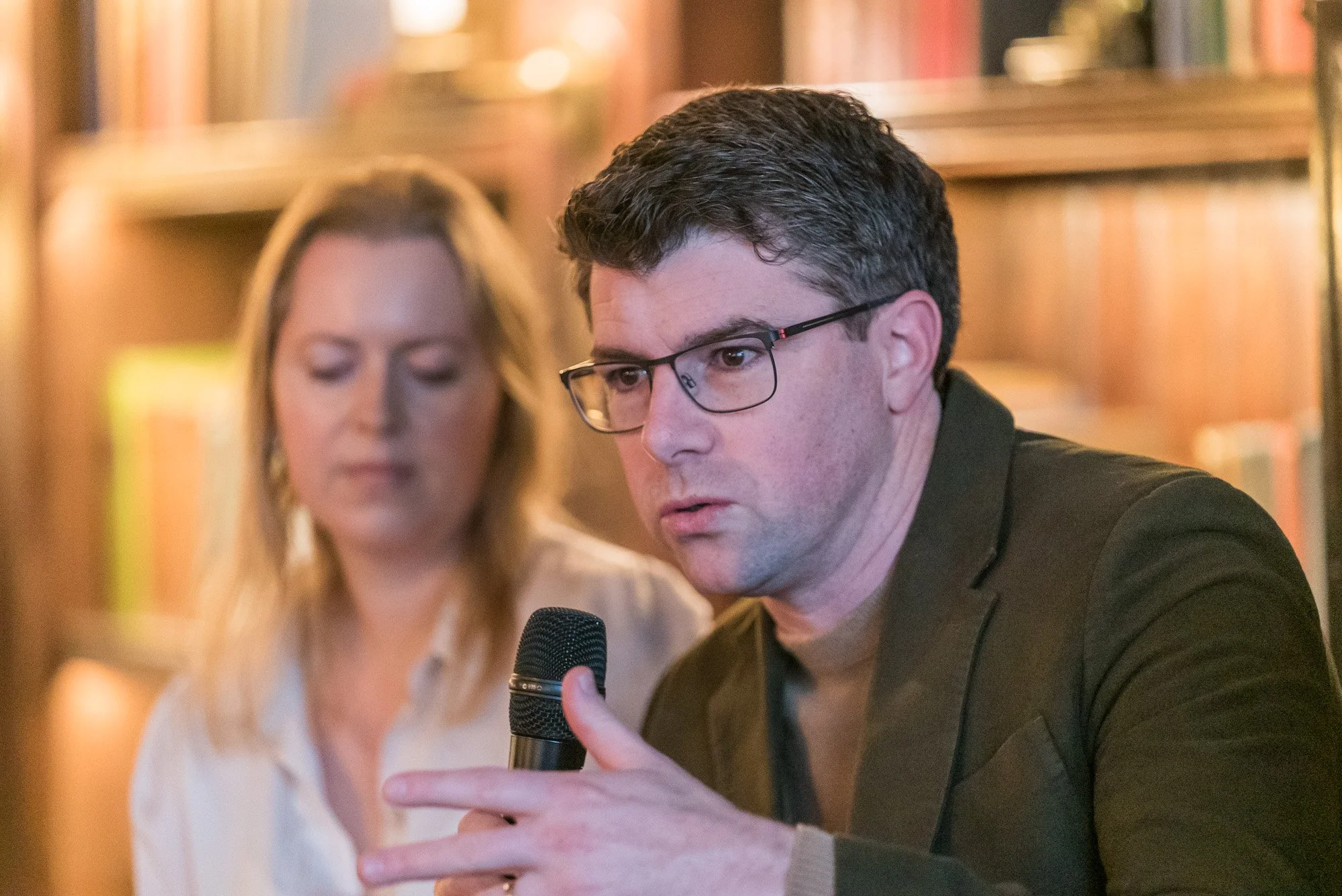
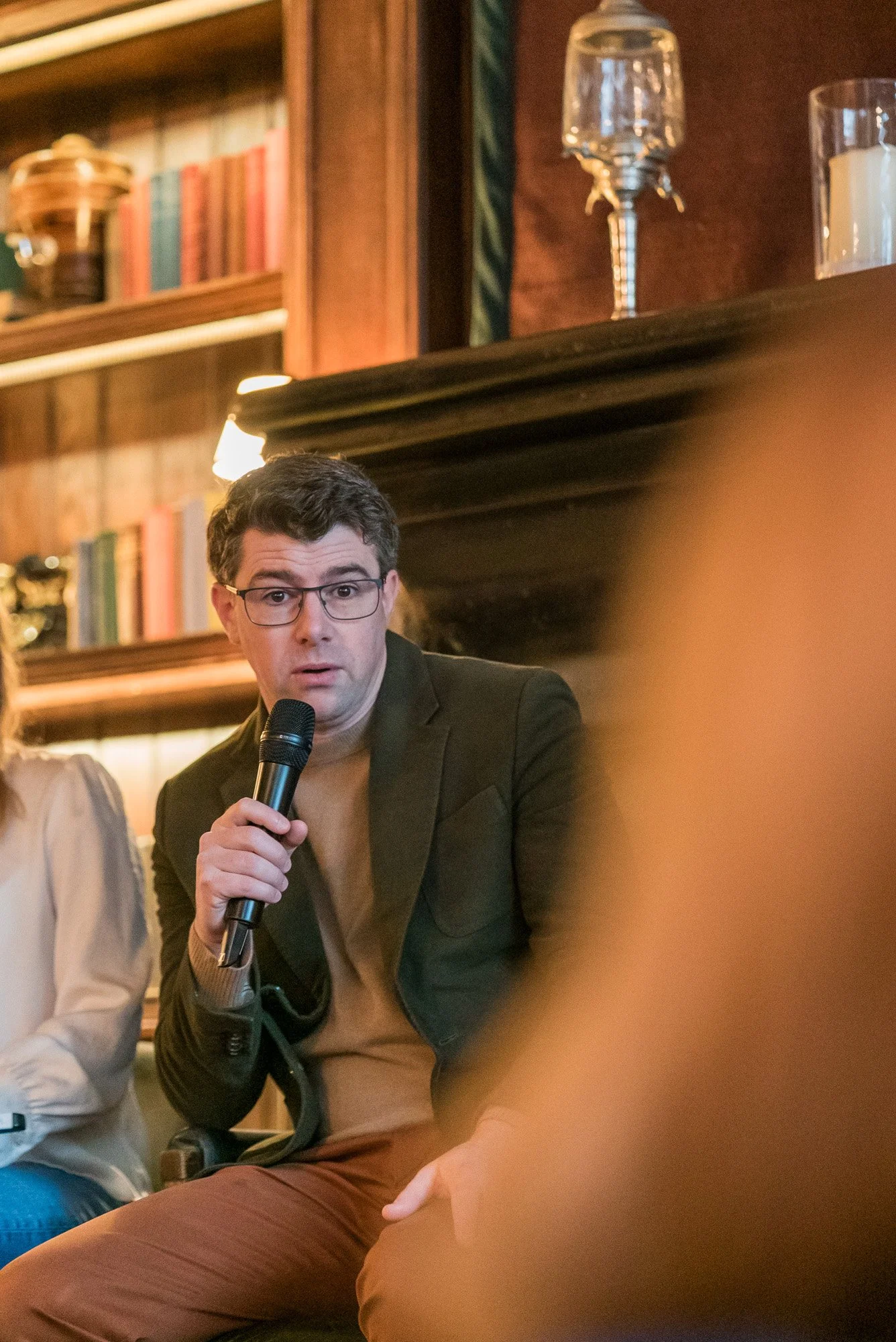
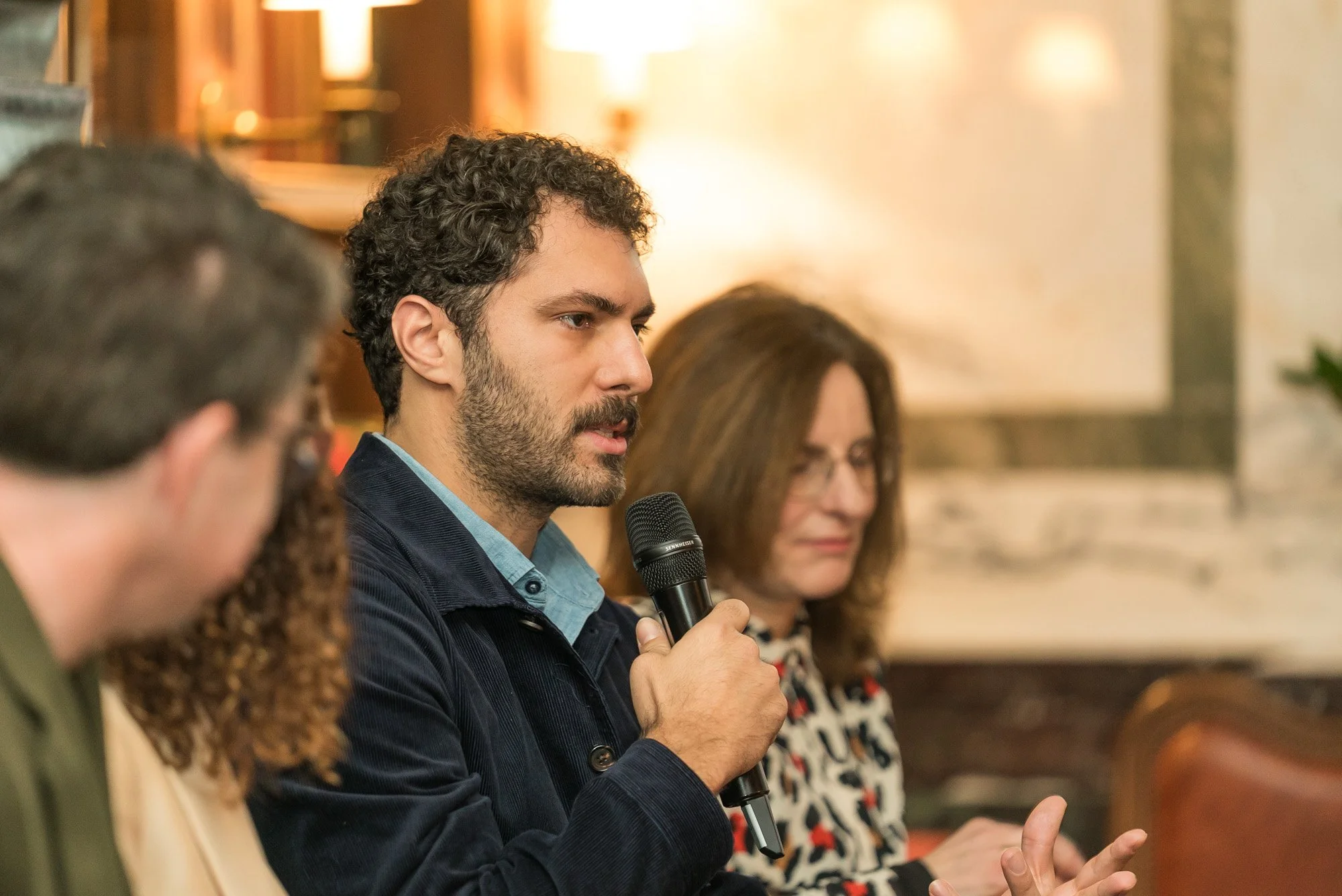
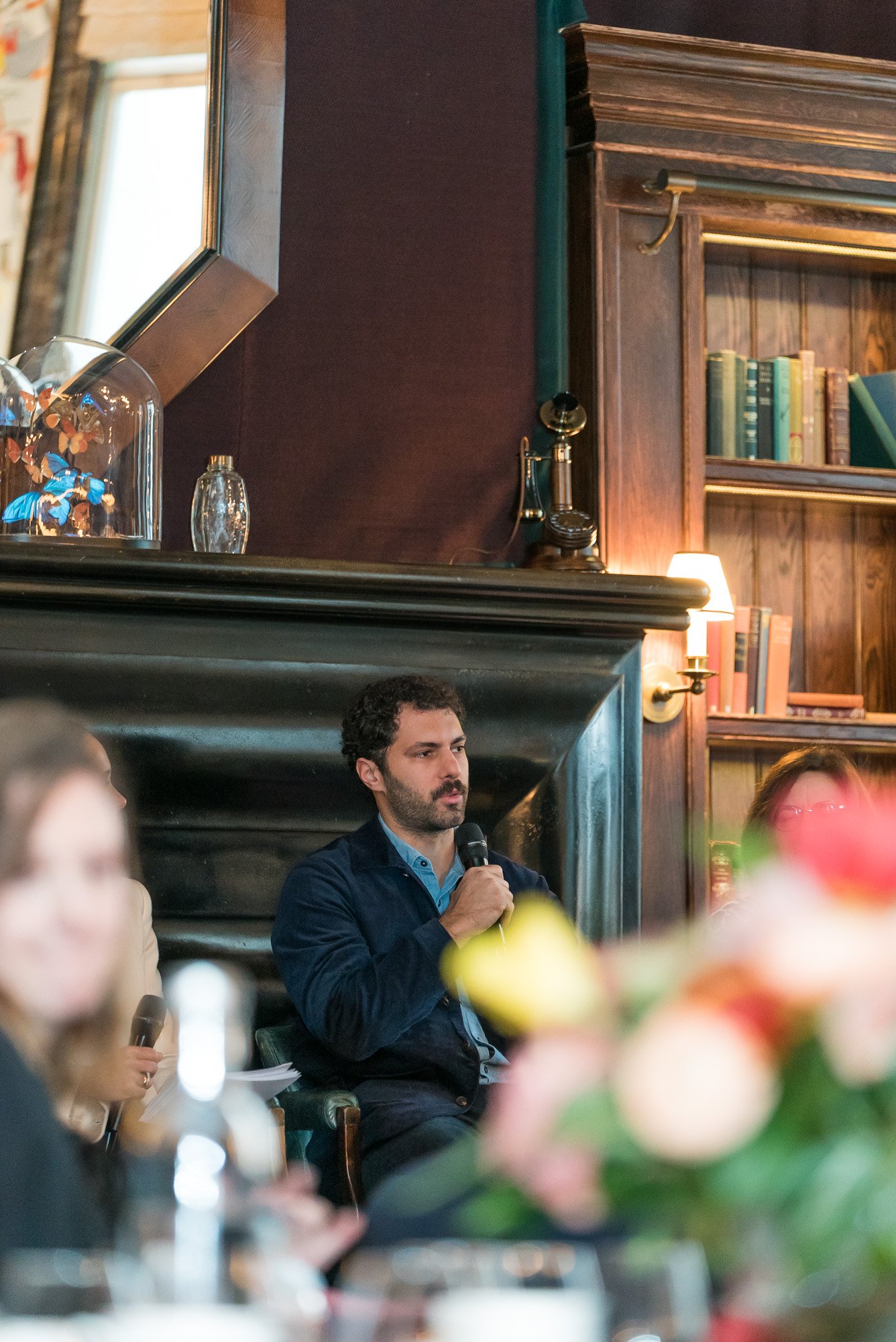
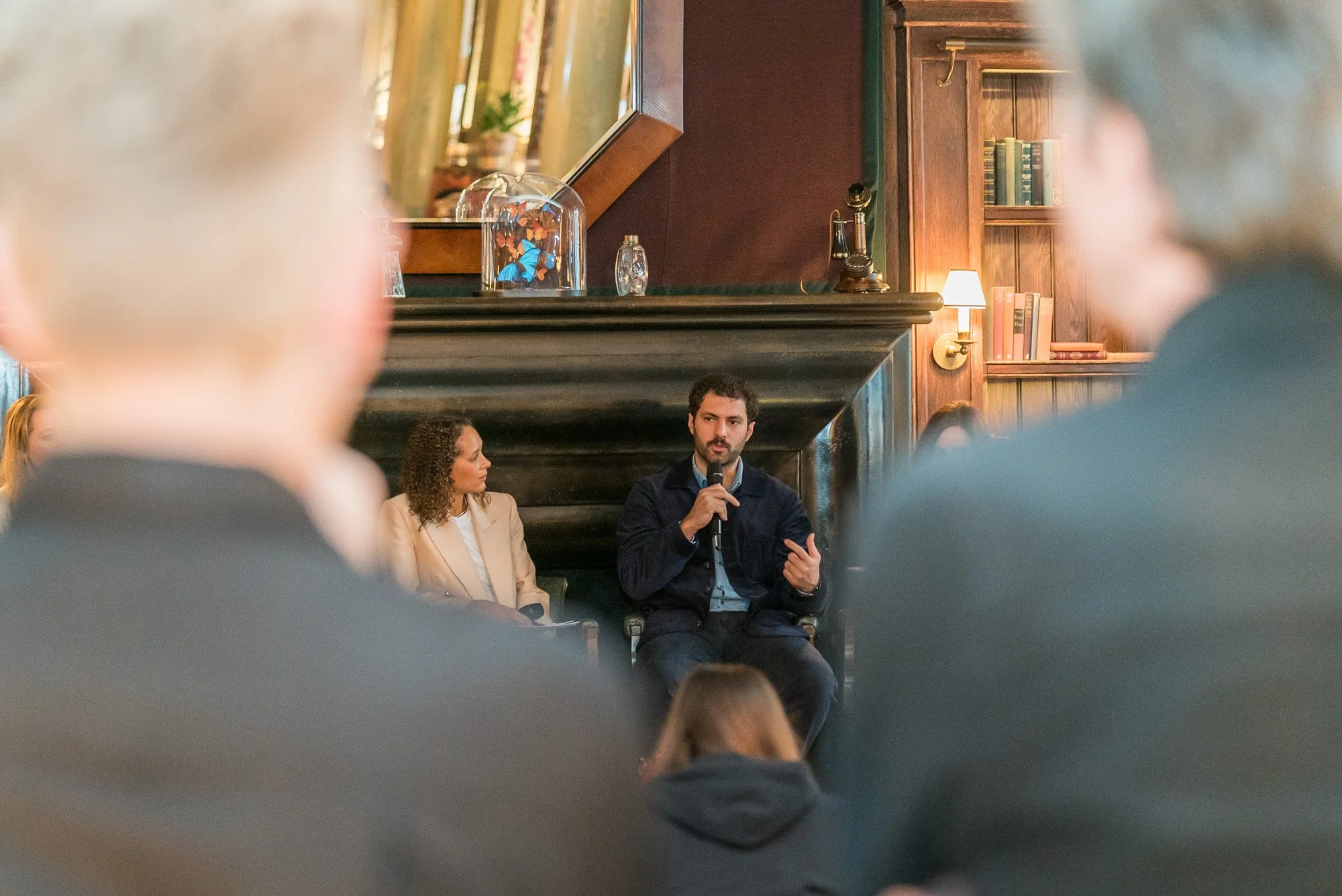
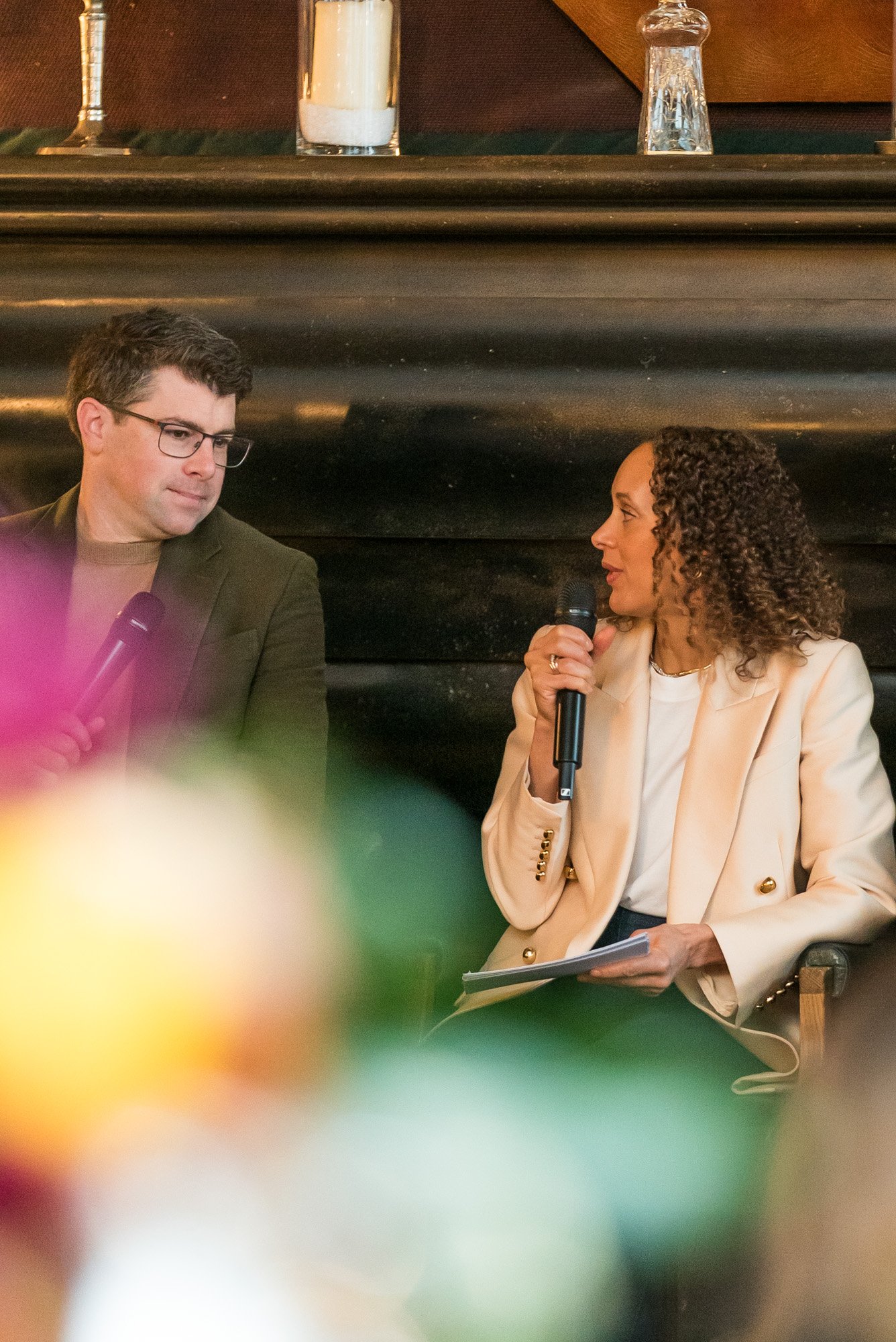
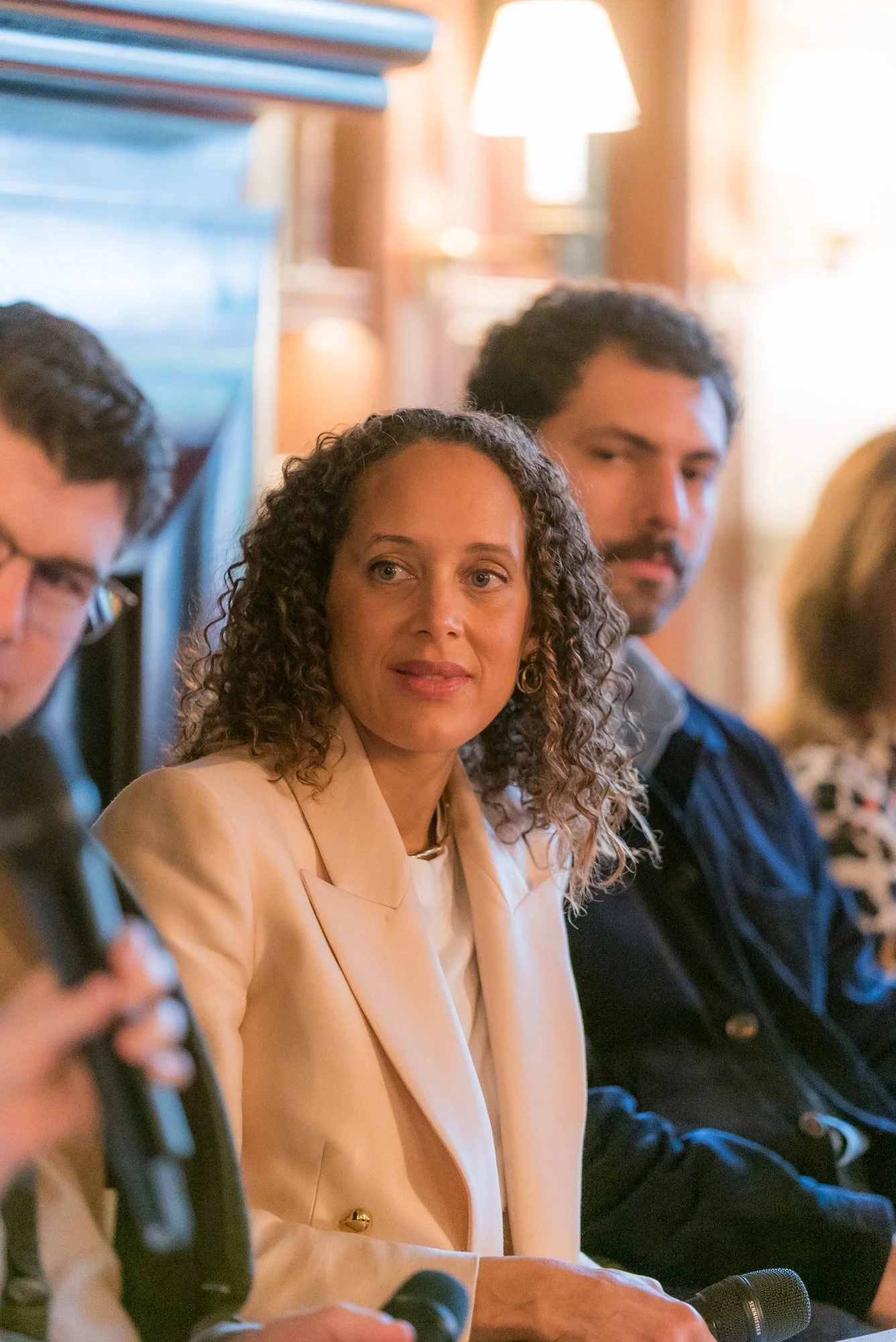
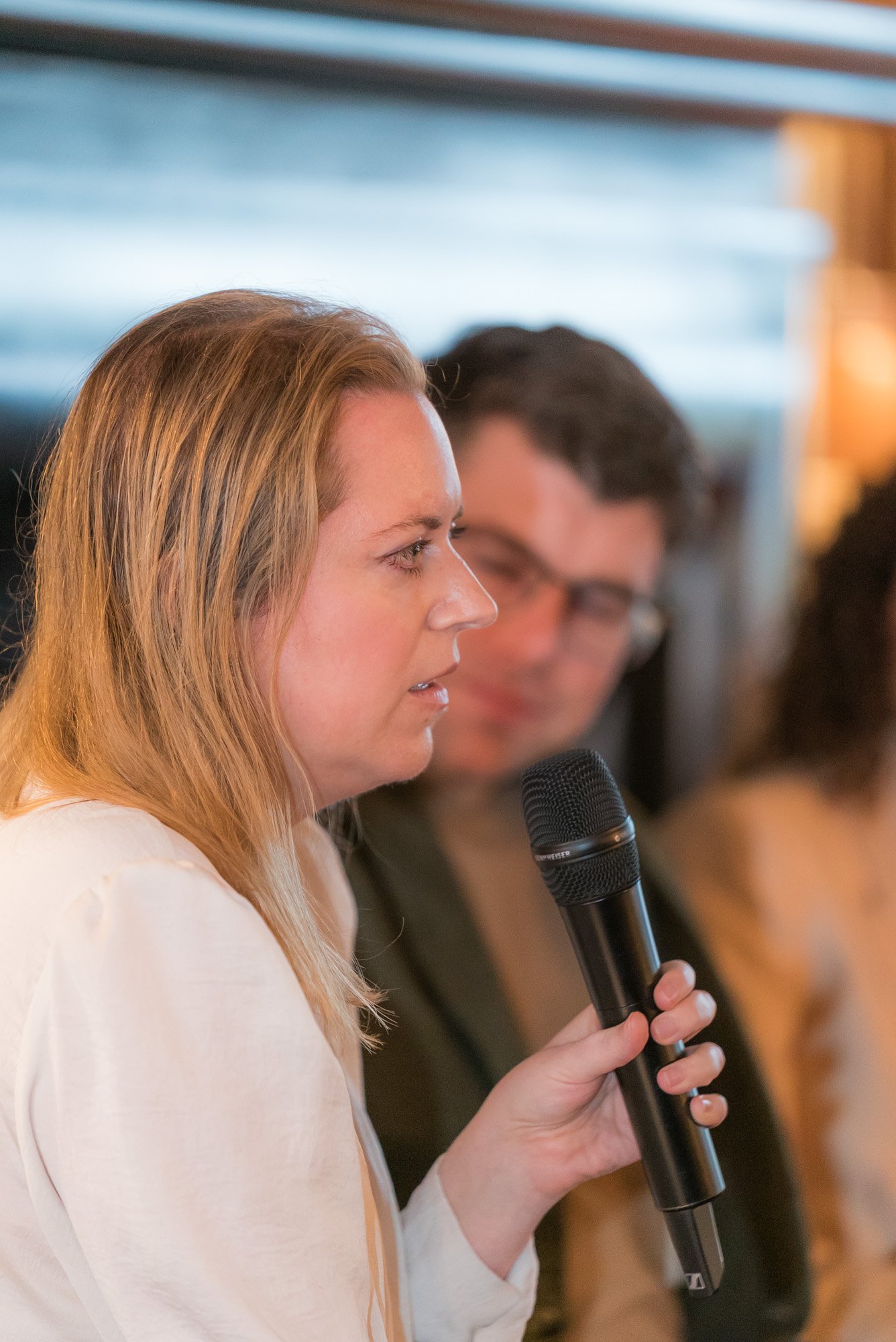
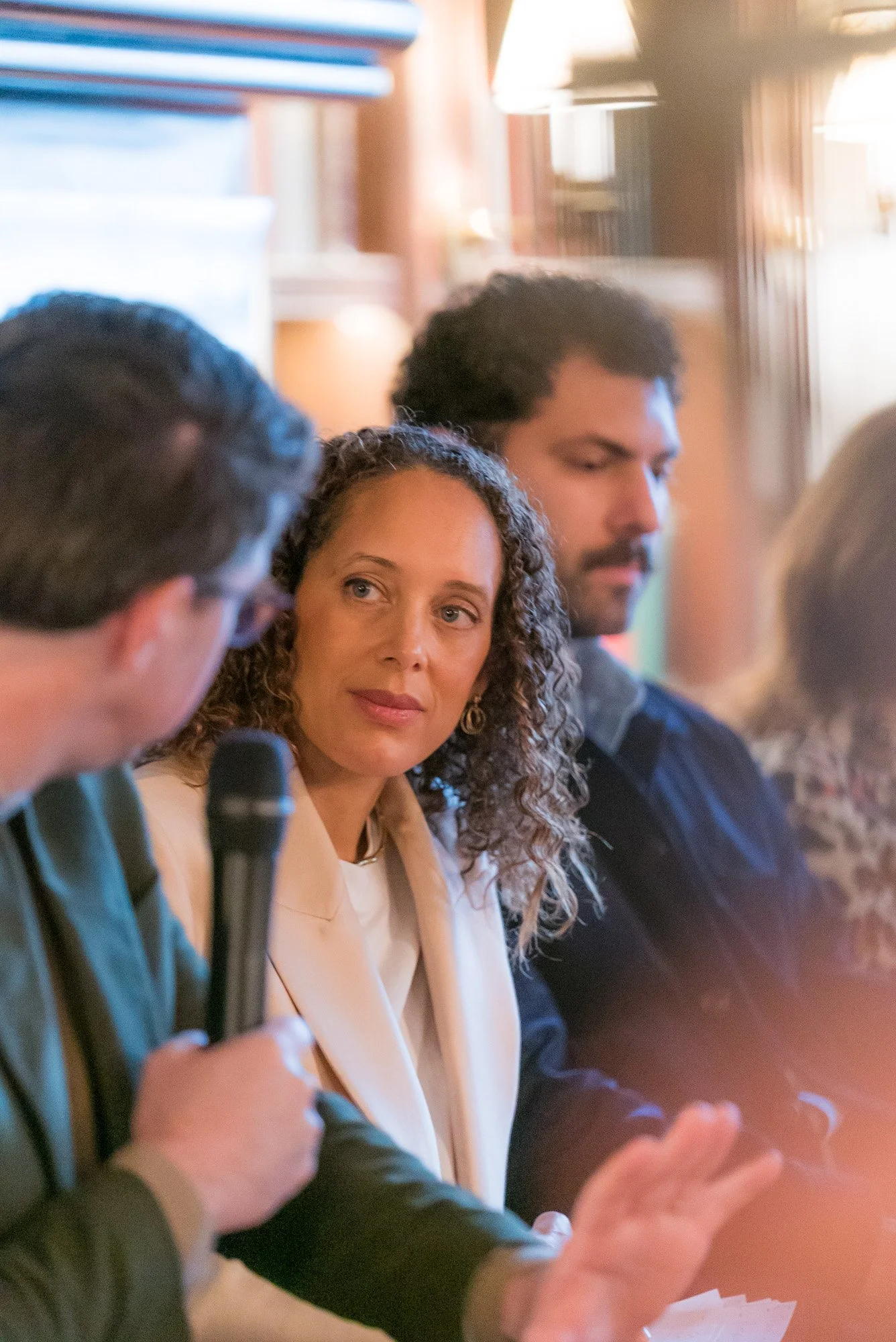
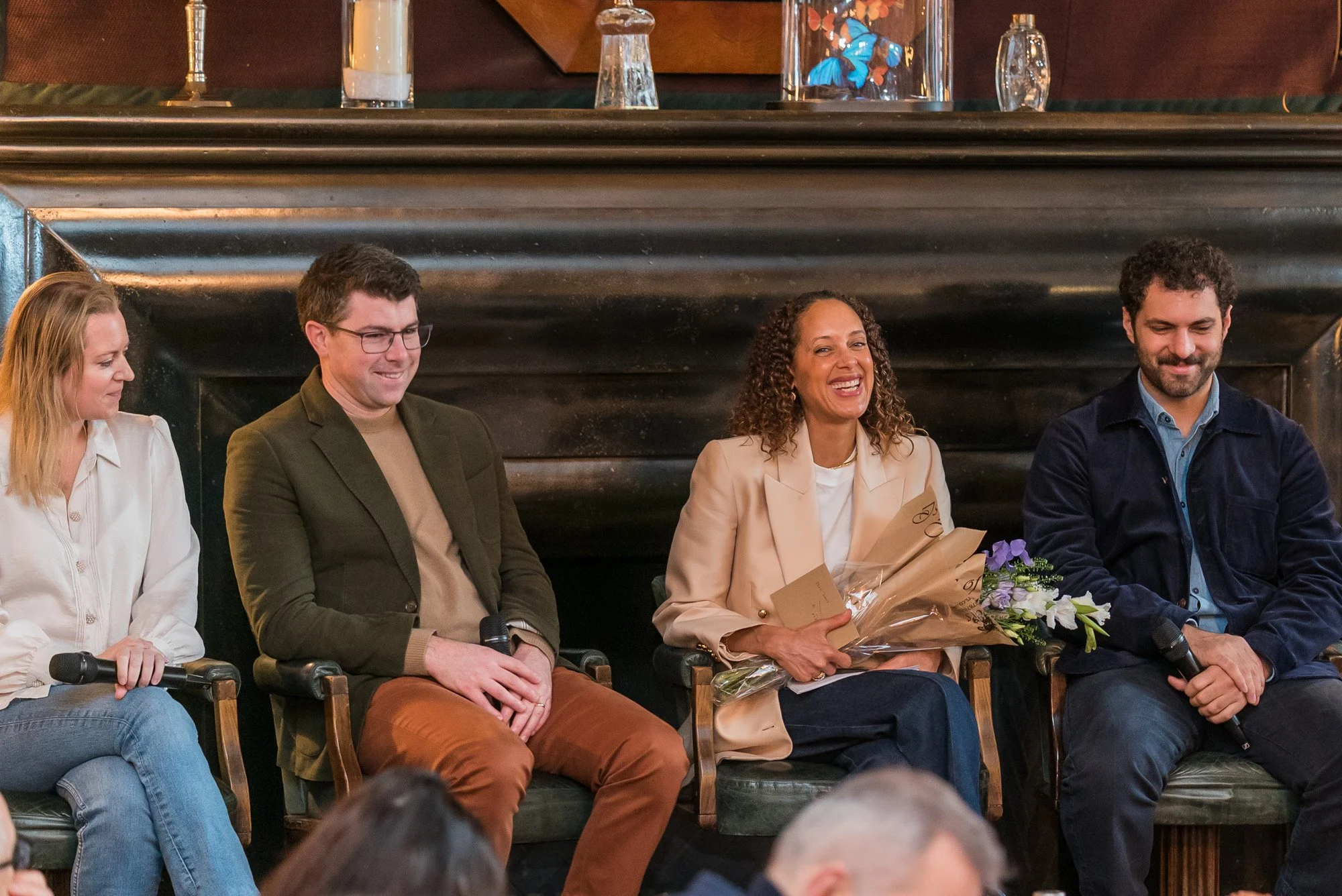
Andrea Thompson, outgoing chair of the BSME and editor-in-chief of Marie Claire UK, chaired an expert panel of Berkok Yüksel, senior content strategist at National Geographic Traveller (UK), Jenni Allen, content director at Which?, Maire Bonheim, head of newsletters at The Telegraph and J.T Levin, VP of sales at newsletter platform, beehiiv.
The panel revealed the insider tips to building successful newsletters and loyal audiences and shared insights on how to grow and retain subscribers in a crowded market. They also discussed the best performance metrics, how to balance commercial growth with editorial integrity and why personal voices and images are so key. When asked if we’ve reached “peak newsletter”, the panel resolutely said, “not even close” – newsletters are set to become even more integral as readers increasingly seek out curated, well-thought content from trusted sources.
Listen to the full audio recording of the event.
Key takeaways:
Own your audience, don’t “rent” it. “A good newsletter strategy is a mortgage you pay to own that audience”, says Berkok Yüksel, while platforms like search and social media only offer fleeting access. Jenni Allen adds that Which? converted their “huge footfall” of transient visitors to their site into 1.4 million newsletter subscribers, allowing the brand to “own this relationship and create something more ongoing”.
“It starts with what’s the point”, says J.T Levin from beehiiv. Whether you’re an independent journalist or a brand, you need a laser-sharp value proposition. Even with established newsletters, there should be a “really strategic purpose” behind each one, says The Telegraph’s Maire Bonheim, otherwise get rid.
“A healthy mix of consistency and experimentation” is the winning formula for newsletter success, says Jenni Allen. Berkok Yüksel adds, “people expect value with every newsletter but we do want to experiment as much as possible with the format of that value and how it’s delivered”.
Regularly clean up your subscriber list. “Tell yourself the honest story about the size of the audience that you’re reaching,” says Jenni Allen, “It’s a painful process to clear it up and see the numbers look quite different, but it’s a very healthy thing to do.”
Build in feedback loops. “If you have a product that isn’t necessarily designed to always drive clicks, getting audience feedback is a great way to demonstrate that people actually care about what’s going on,” says J.T Levin. Surveys, polls and rating systems built directly into newsletters help monitor performance and create this open dialogue with subscribers.
Retention over clicks. “A year ago we might have had a newsletter that was based on getting people to click on the site but now it’s more focused on helping people start to identify as a Telegraph reader and that’s why they stay,” says Maire Bonheim. Once you’ve built that retained base, deep dive your audience, says Jenni Allen. “If you know who your audience are, the more data and insight you’re gaining, and that gives you the levers you can pull to understand how to serve them better”.
“The biggest thing is to just start”, says J.T Levin. If you’re considering creating a newsletter, “start writing, start asking for feedback”.
Takeaways from the discussion written by Lucy Keitley, MA Magazine Journalism graduate from City, University of London.
Photography: David Cotter