
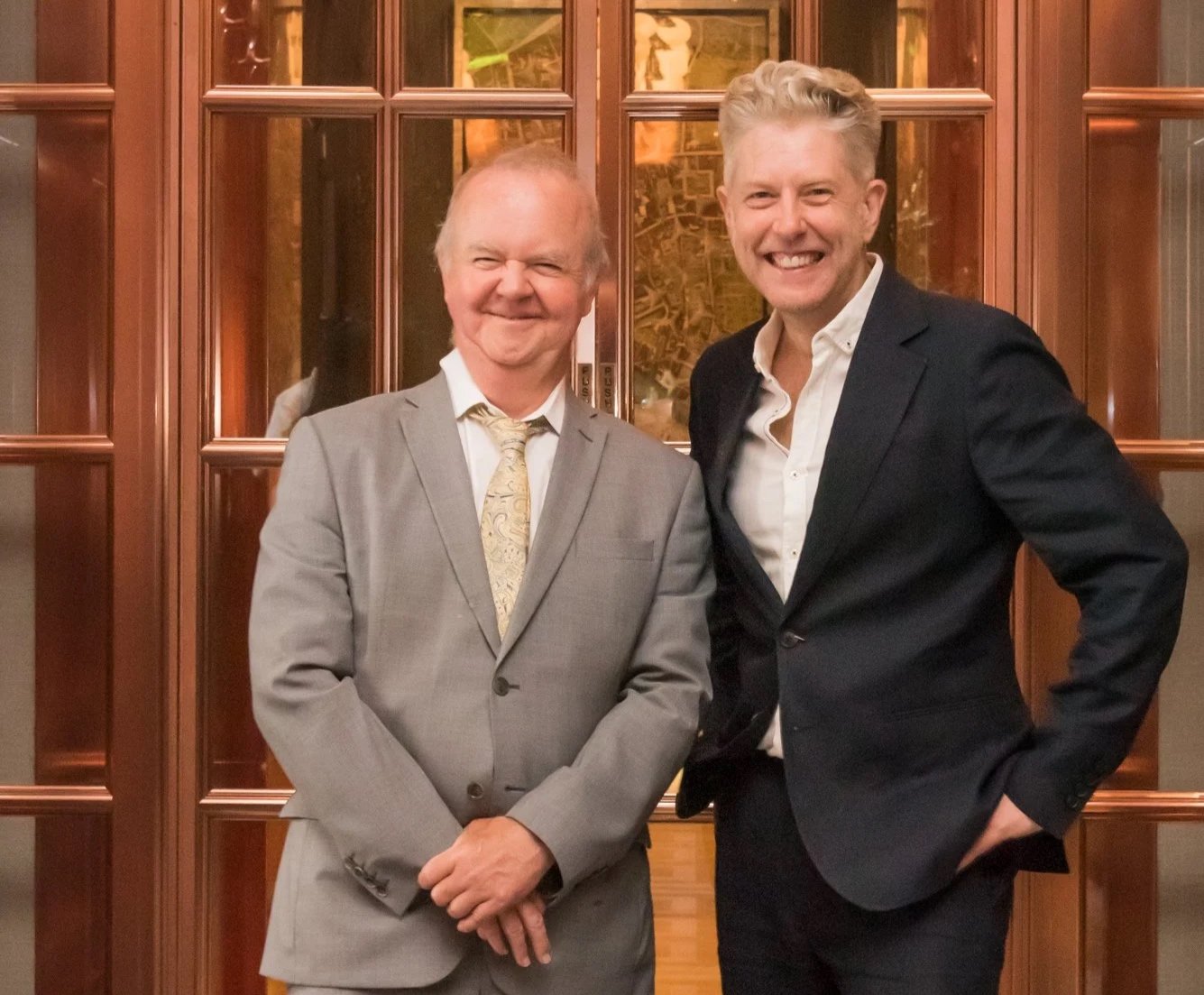
Ian Hislop and Dan Green
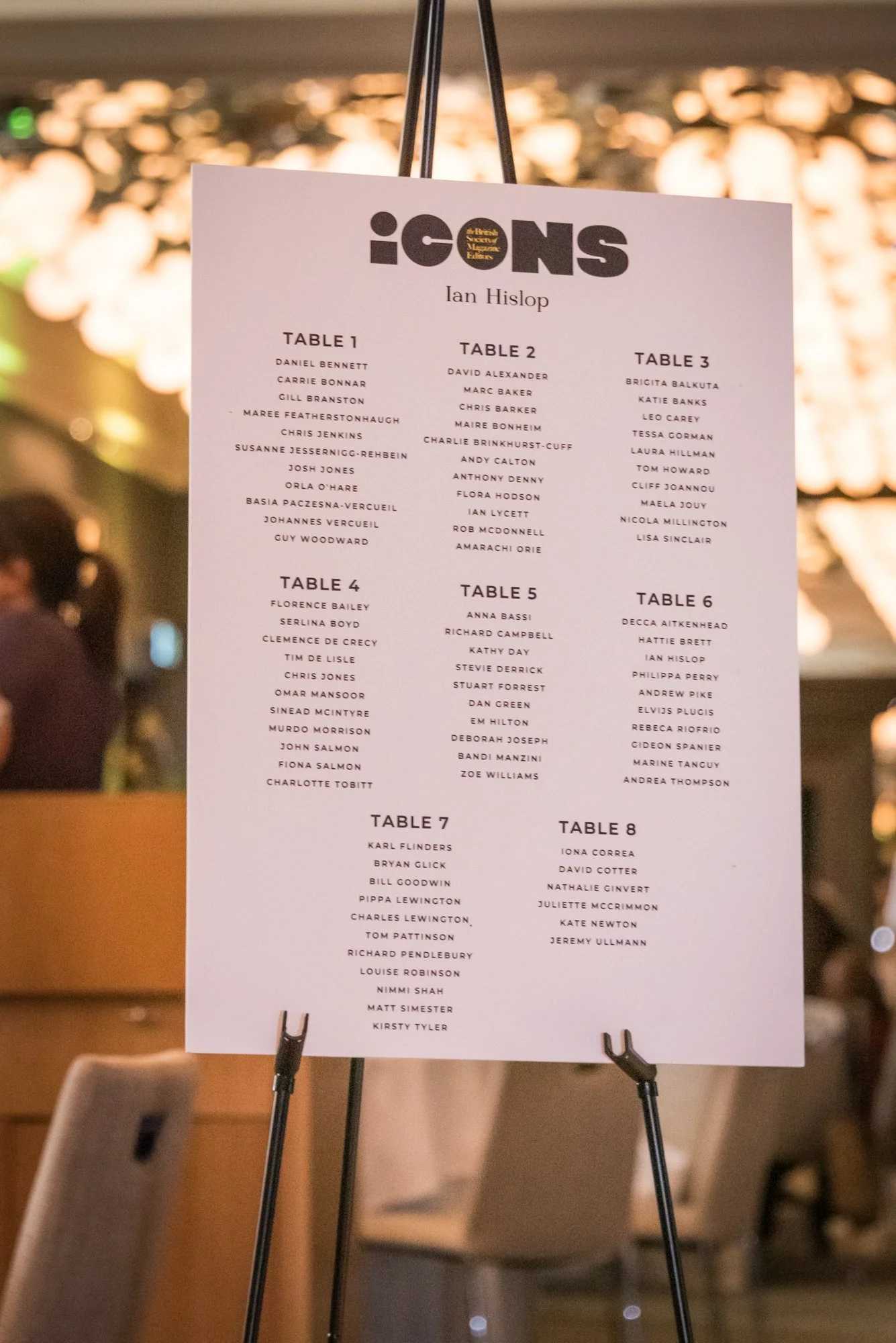
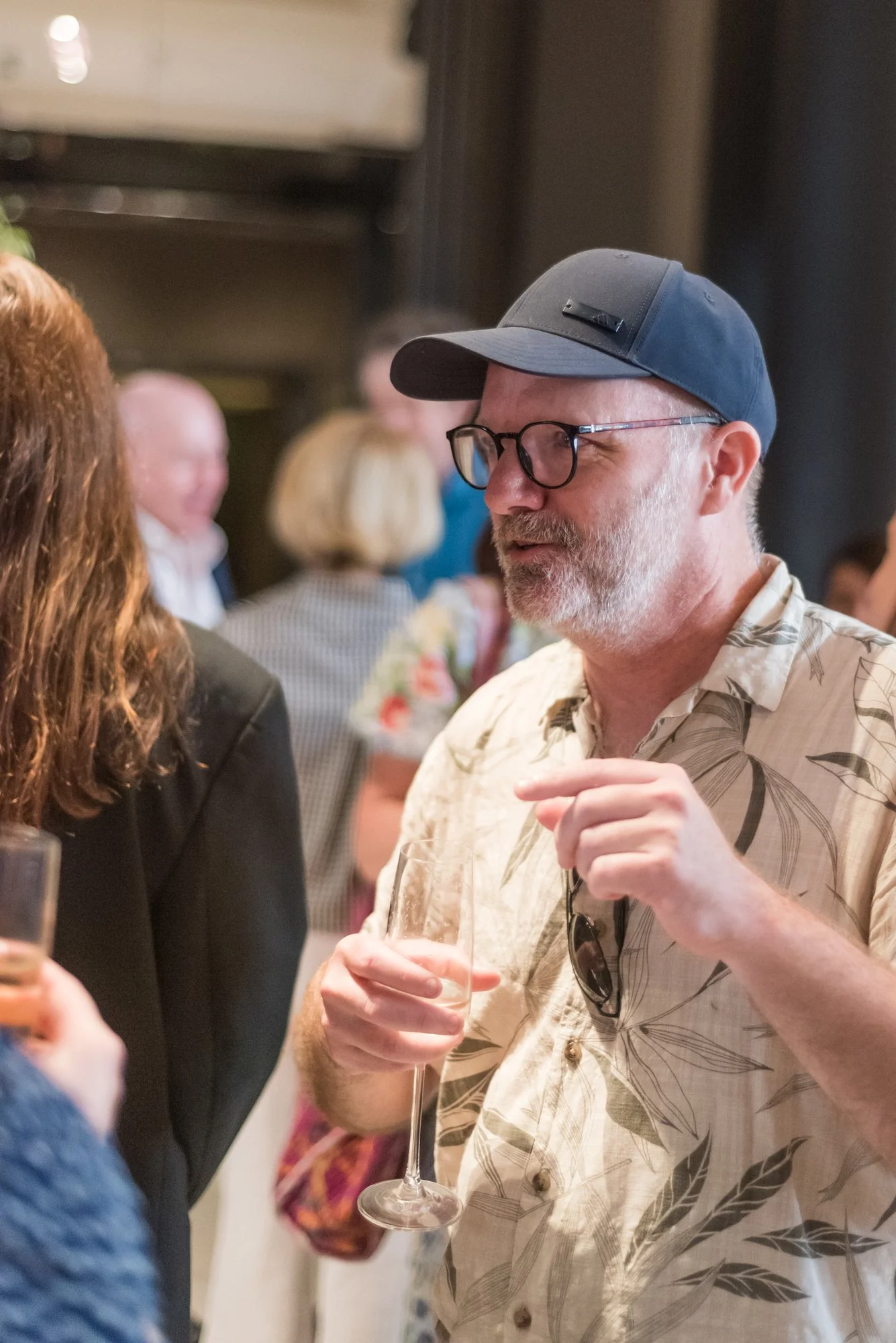
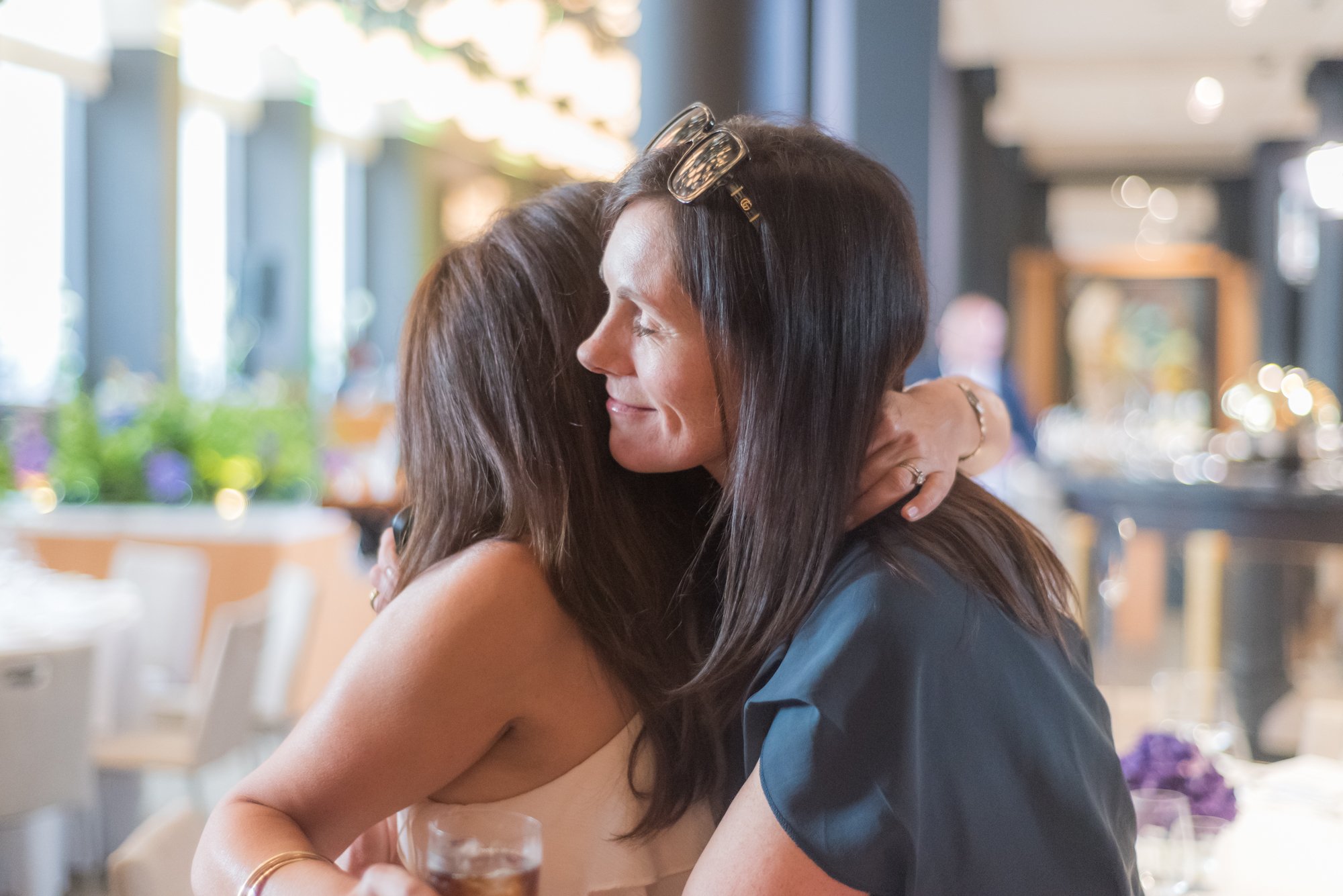
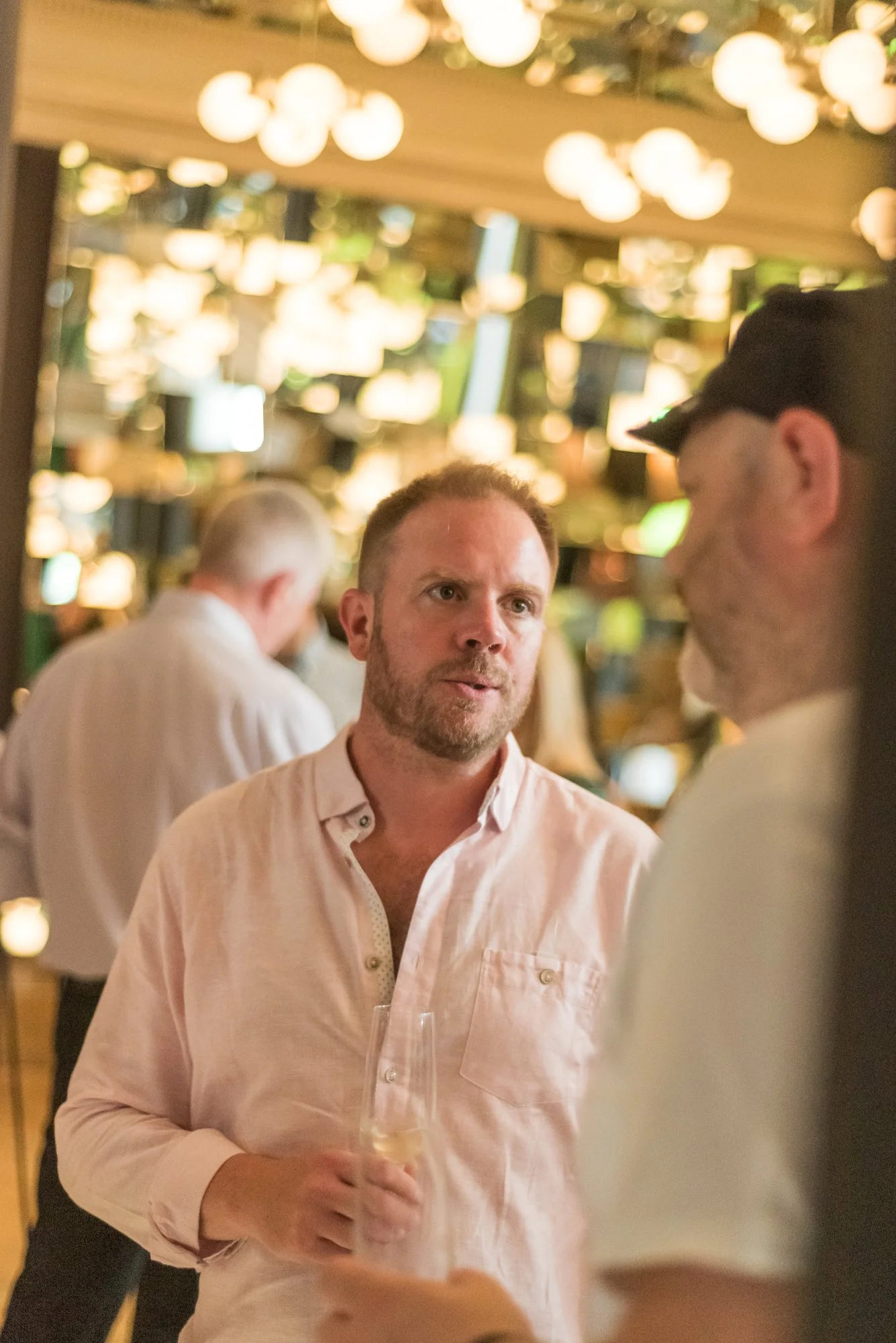
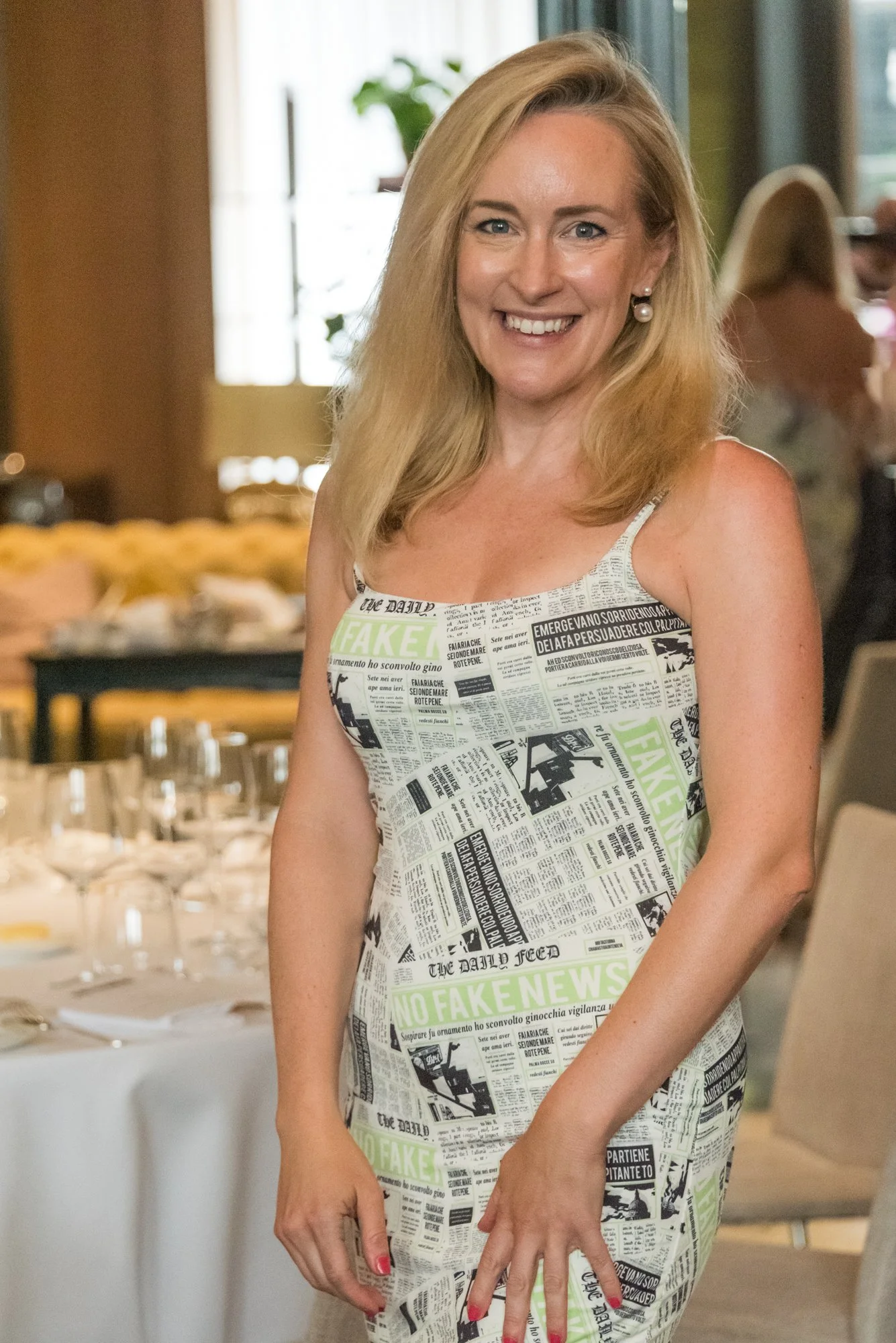
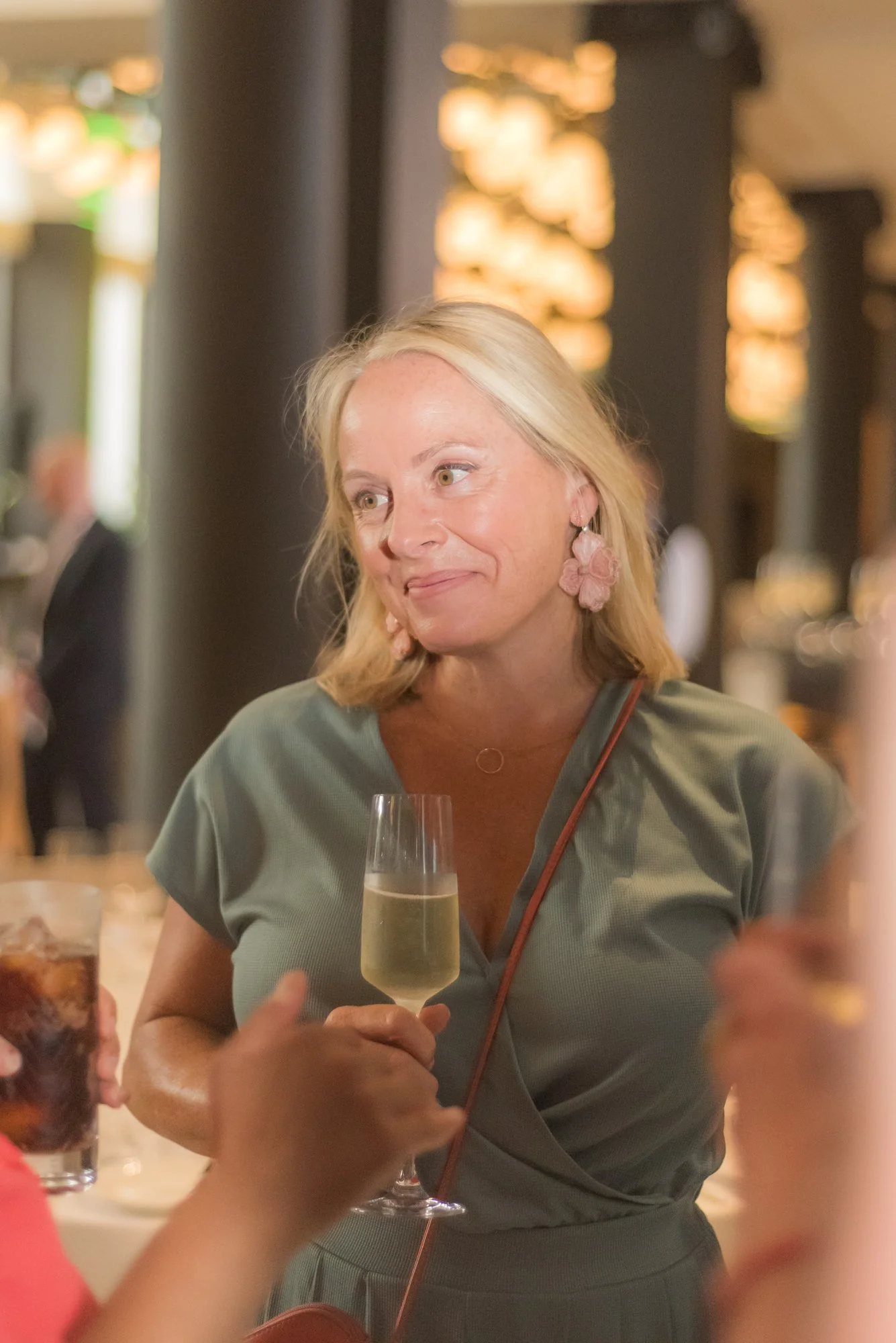
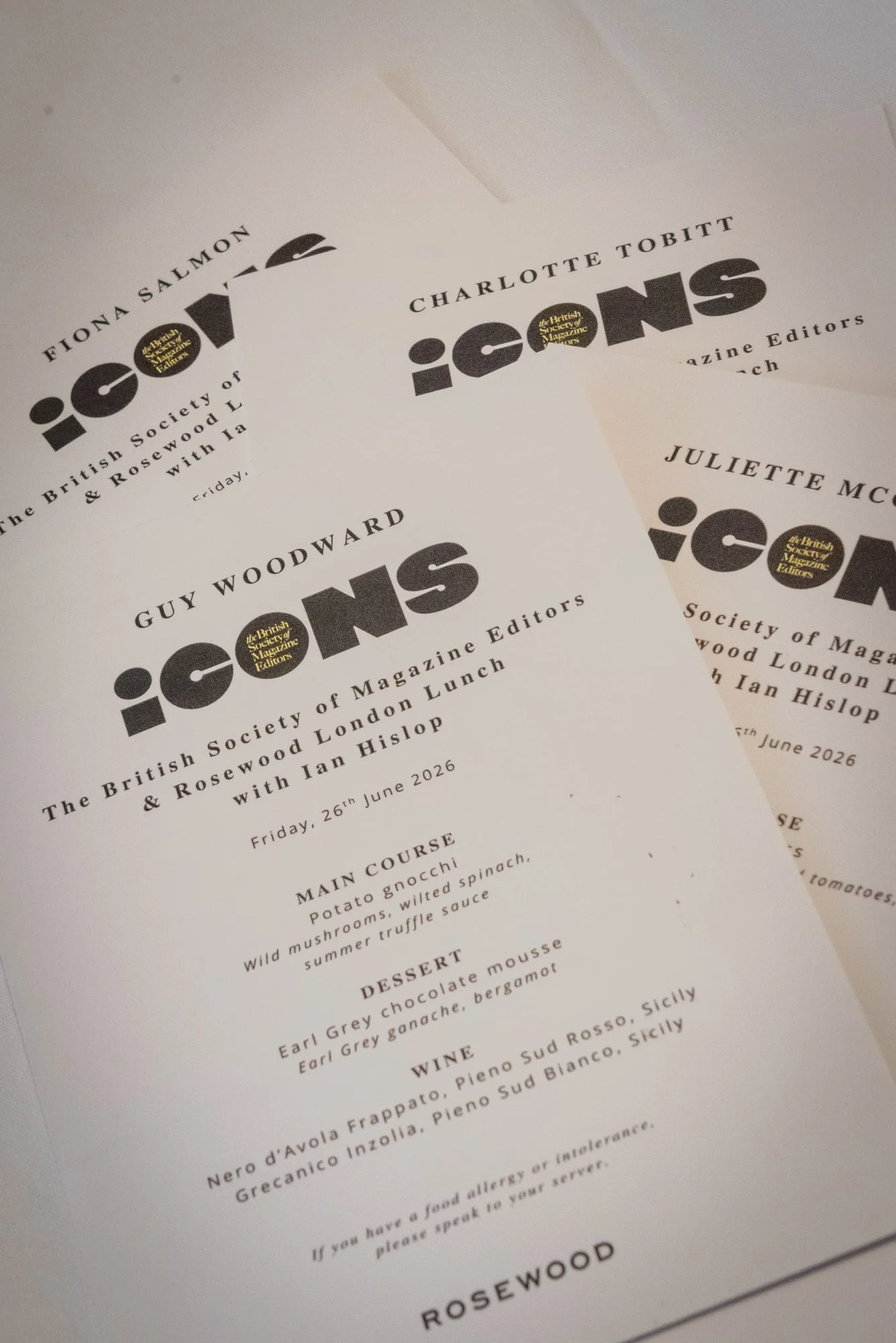
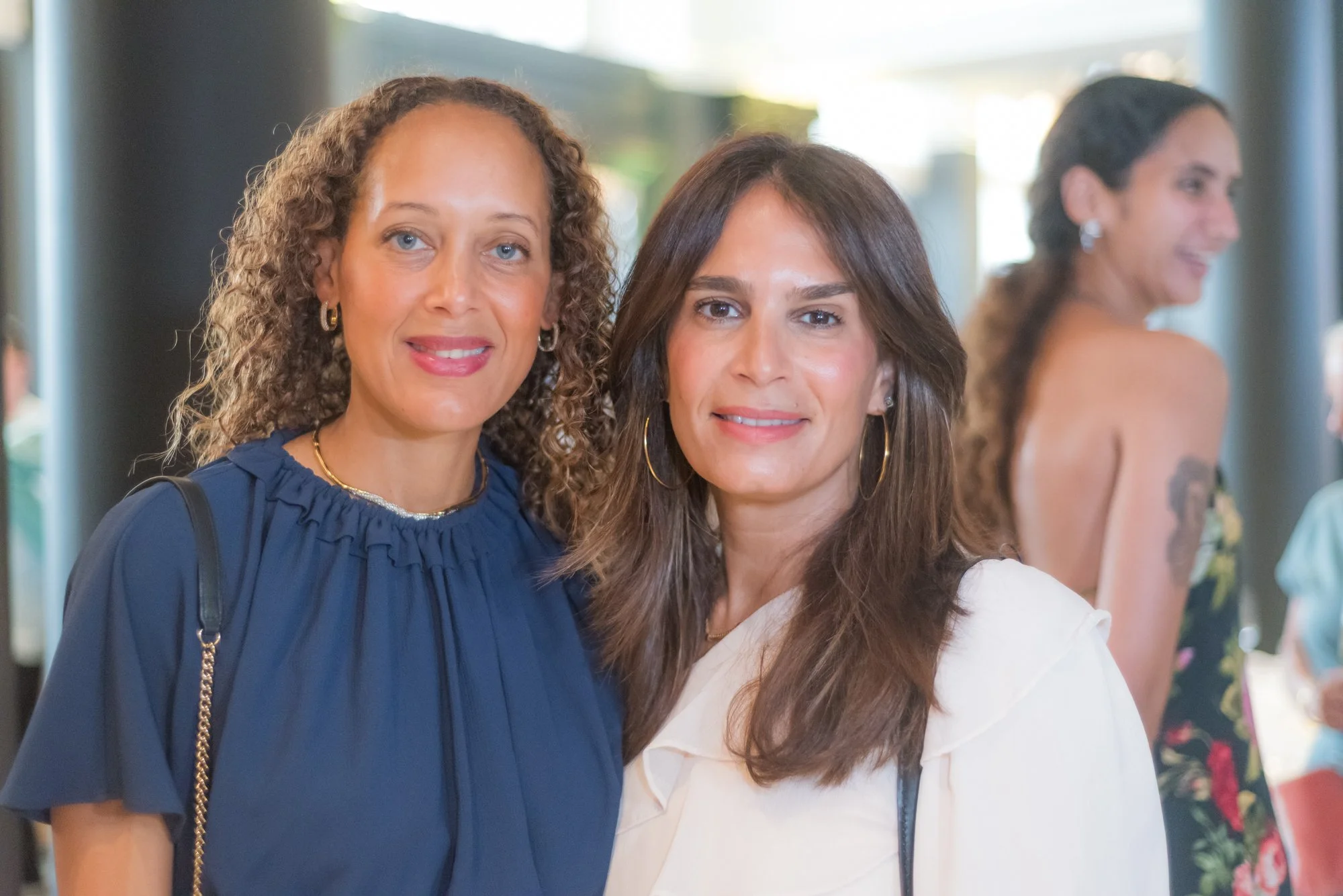
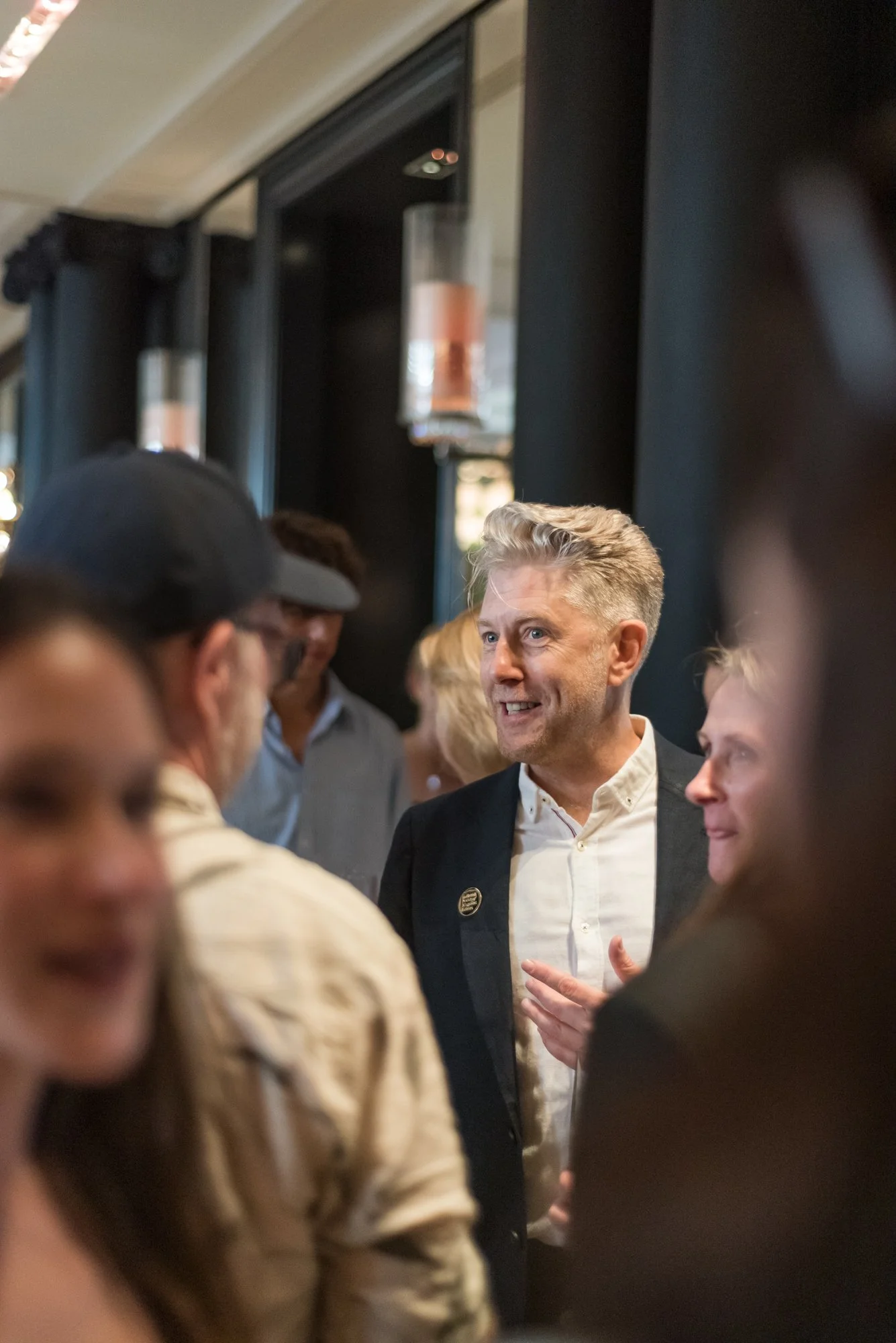
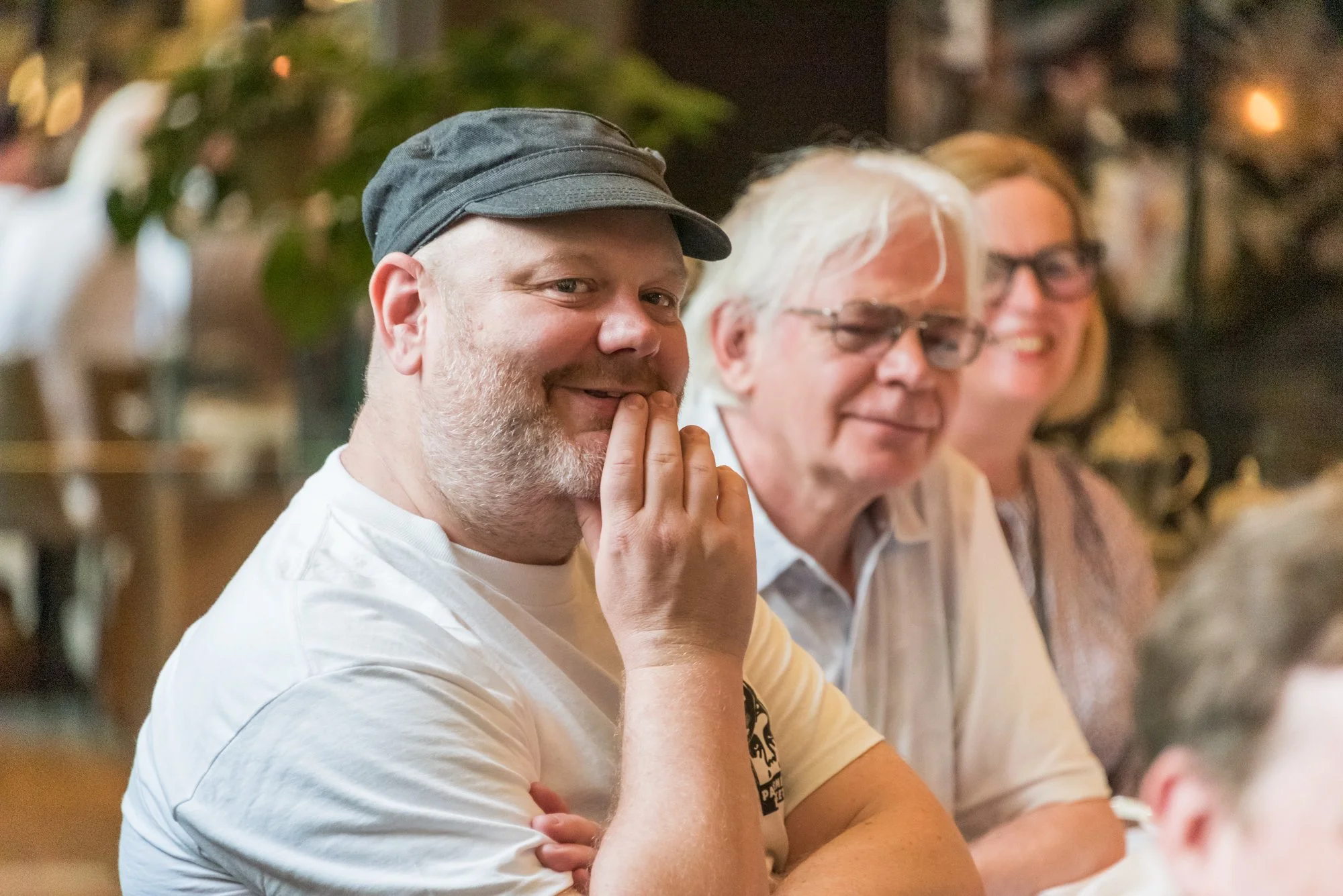
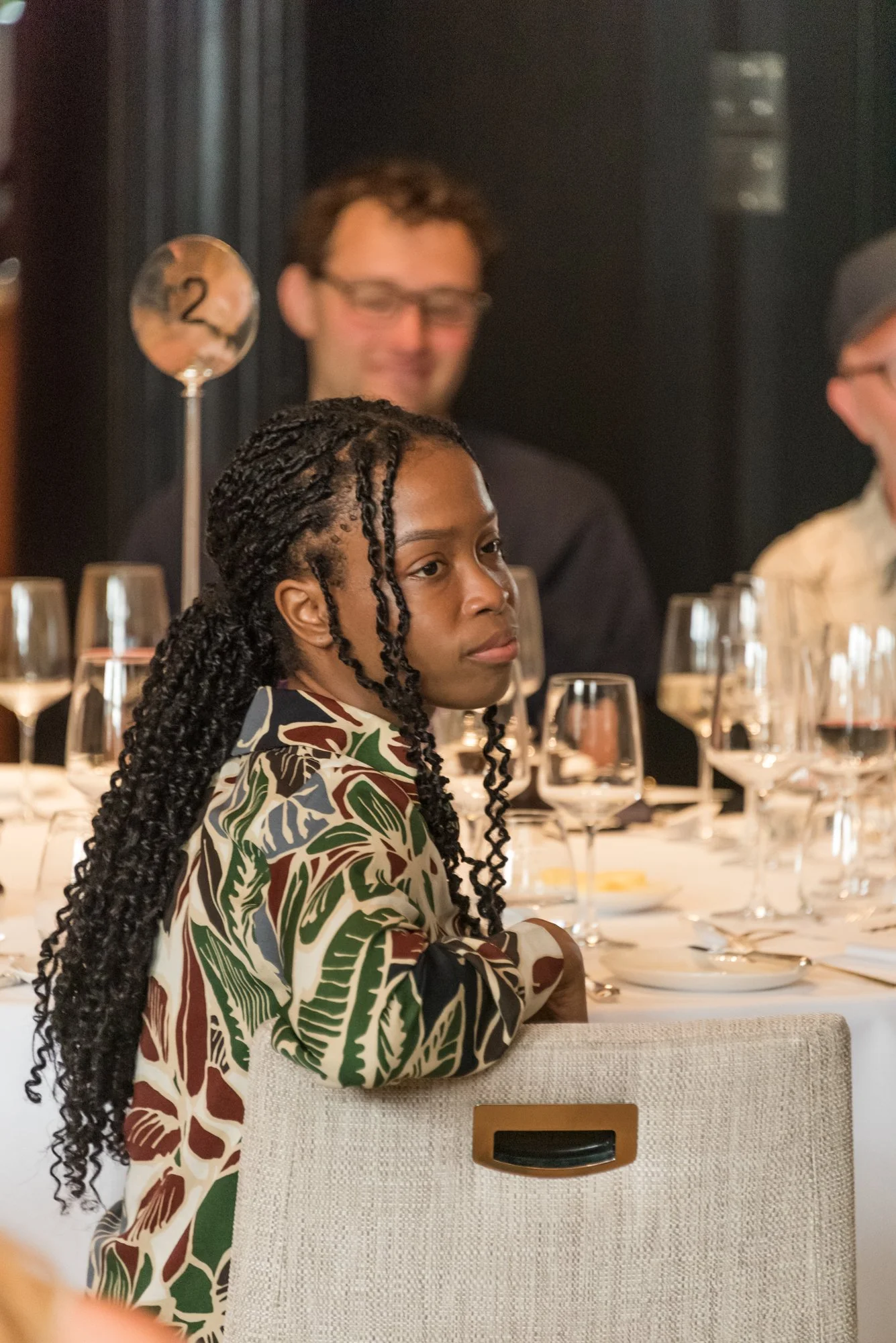
The BSME hosted their annual ICONS lunch with award-winning journalist, satirist and editor of Private Eye, Ian Hislop. On a scalding hot summer's day, the sold out event took place at the majestic (and wonderfully air-conditioned) Mirror Room at Rosewood London. Hislop is celebrating 40 years at the helm of Private Eye and guests were invited to hear him discuss his optimism outlook for journalism, The Eye’s unique format, and whether he regrets any cover choices (spoiler alert: he does not) with BSME chair and The Week Junior Science+Nature editor, Dan Green.
But first to the dramatic events of the week. Keir Starmer's resignation as Prime Minister on Monday came about four hours ahead of Private Eye's press deadline, for which, with characteristic irony, Hislop said he was “very grateful” to Starmer. He added, “I was very pleased that he left in the style in which he governed. He told everybody, ‘I'm going to fight on, I'm not going to resign.’ And then he did a massive U-turn and disappeared.”
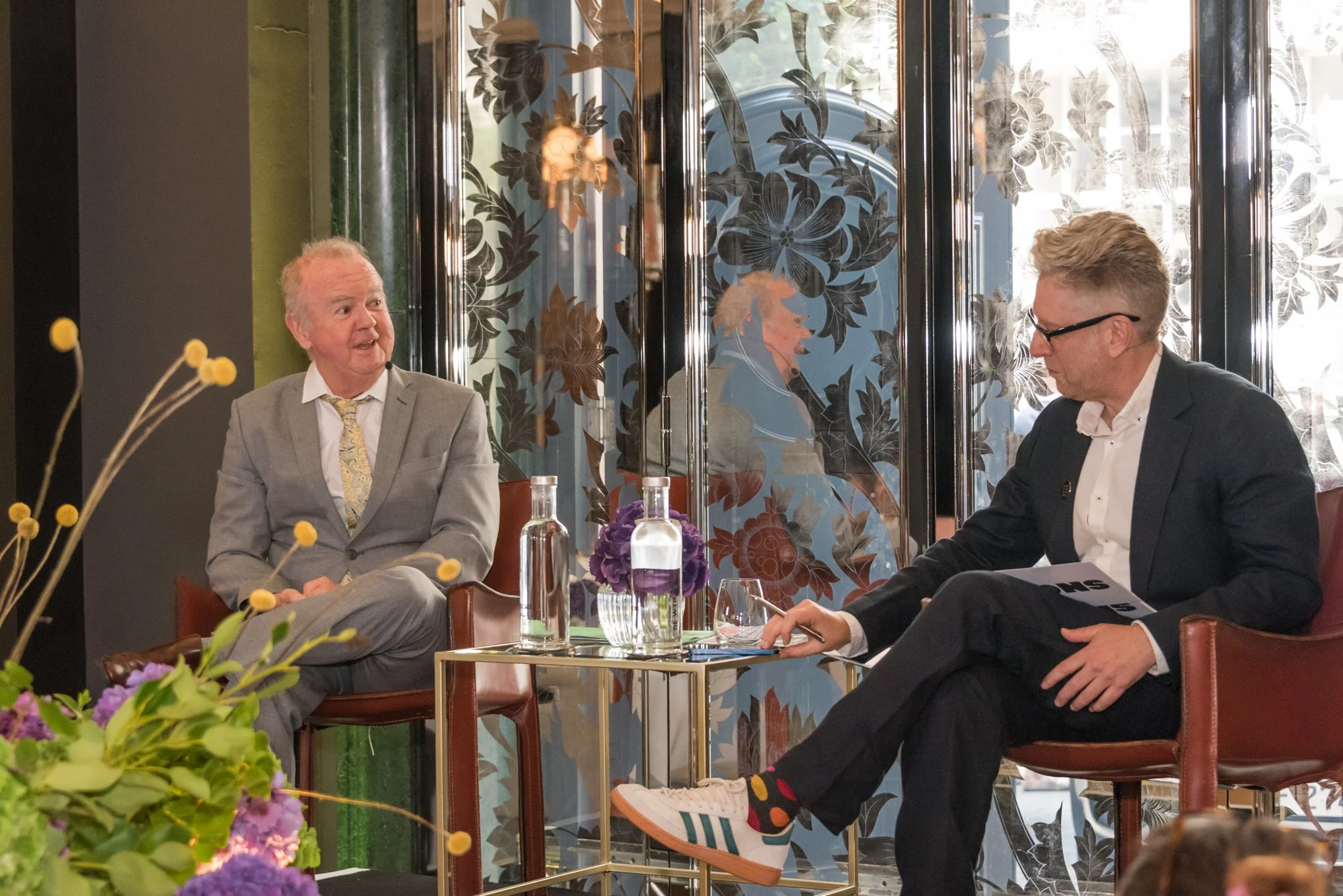
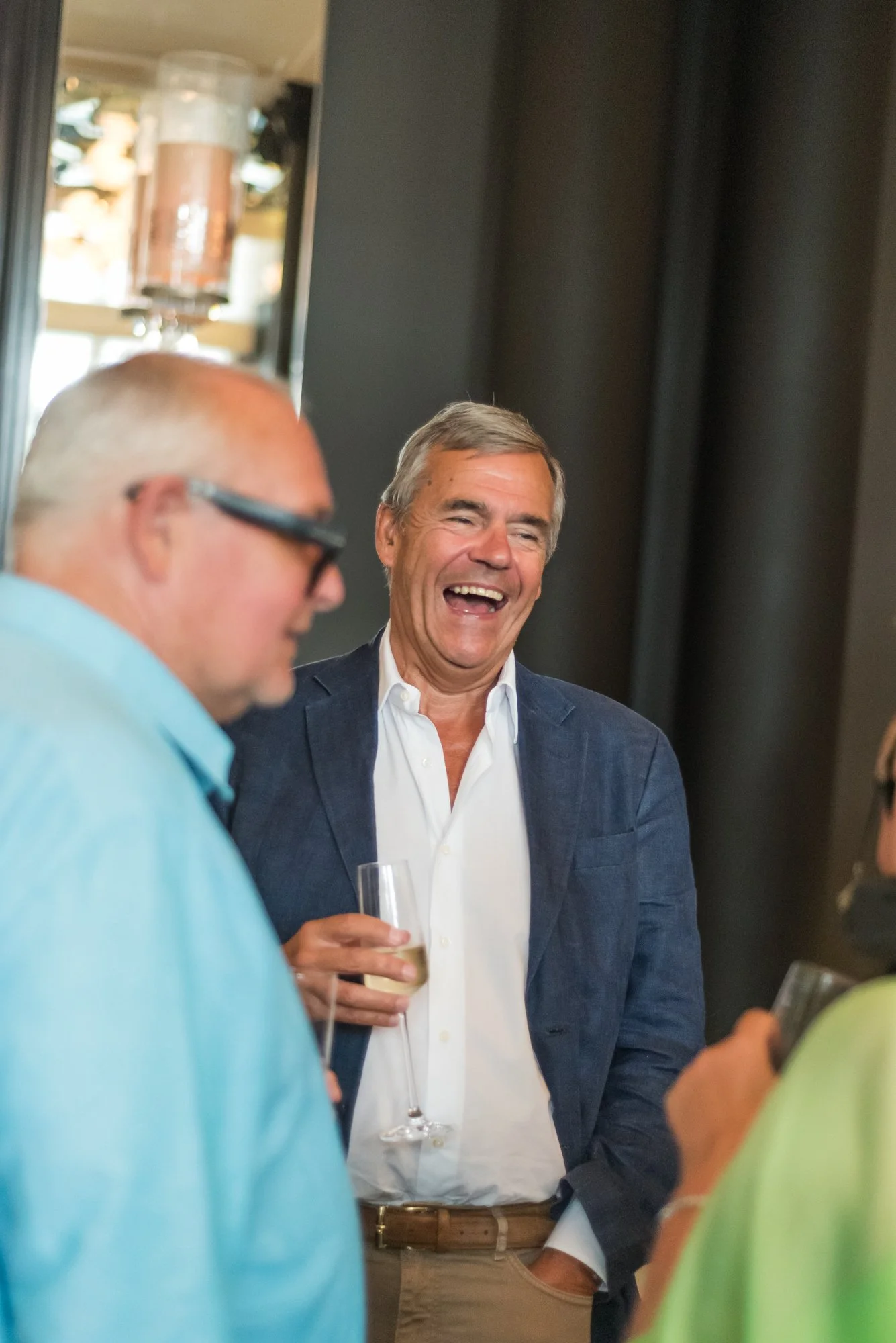
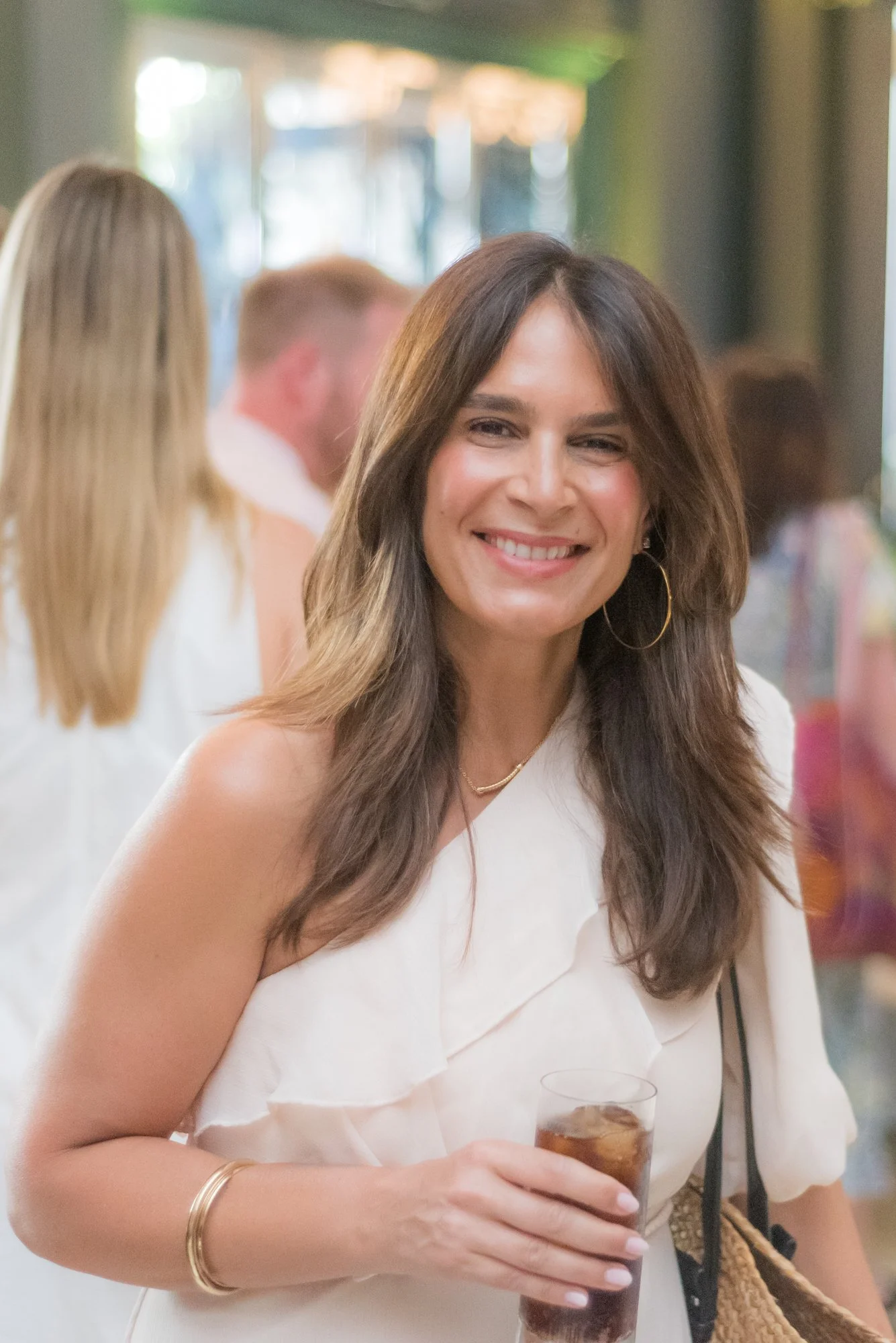
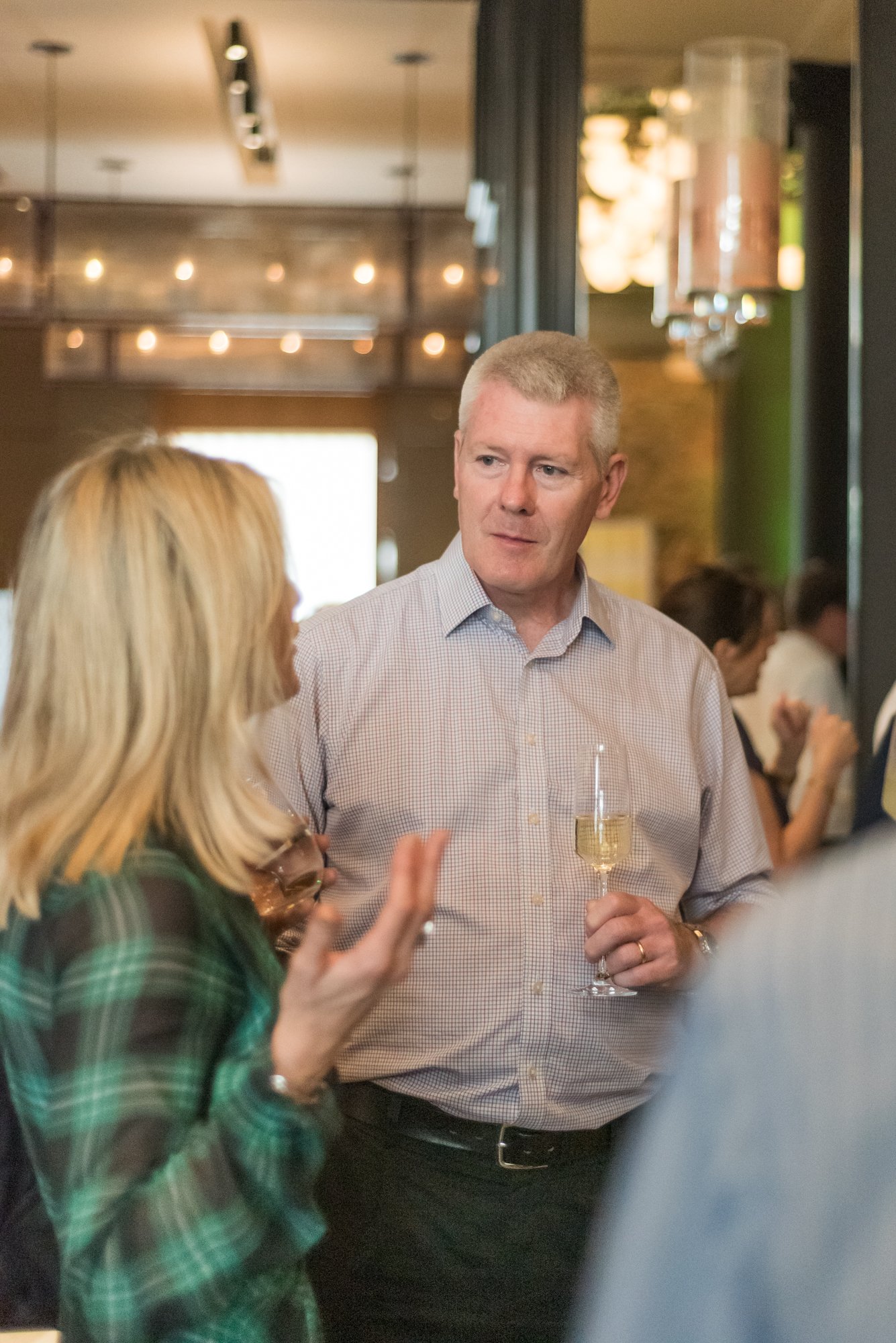

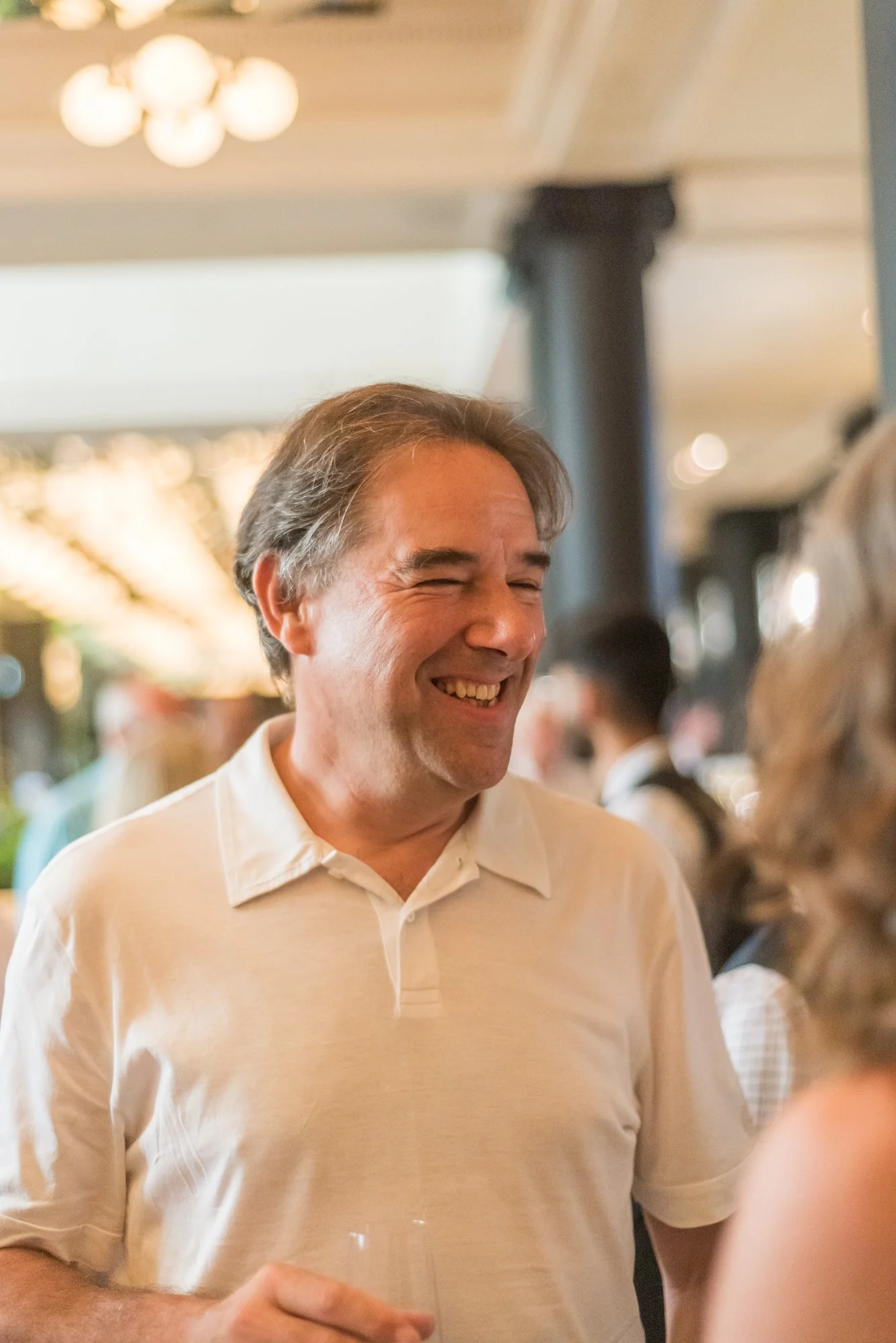


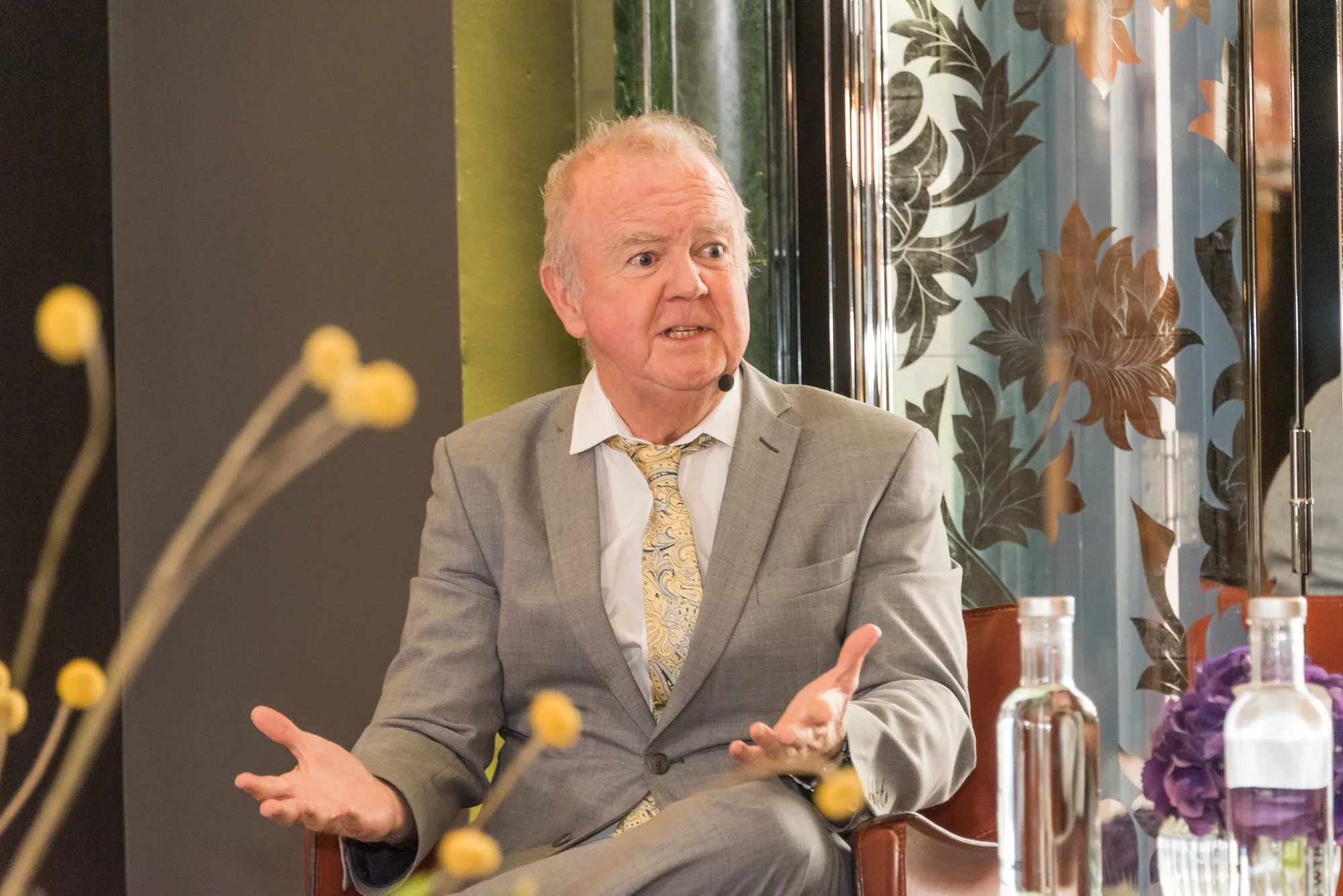
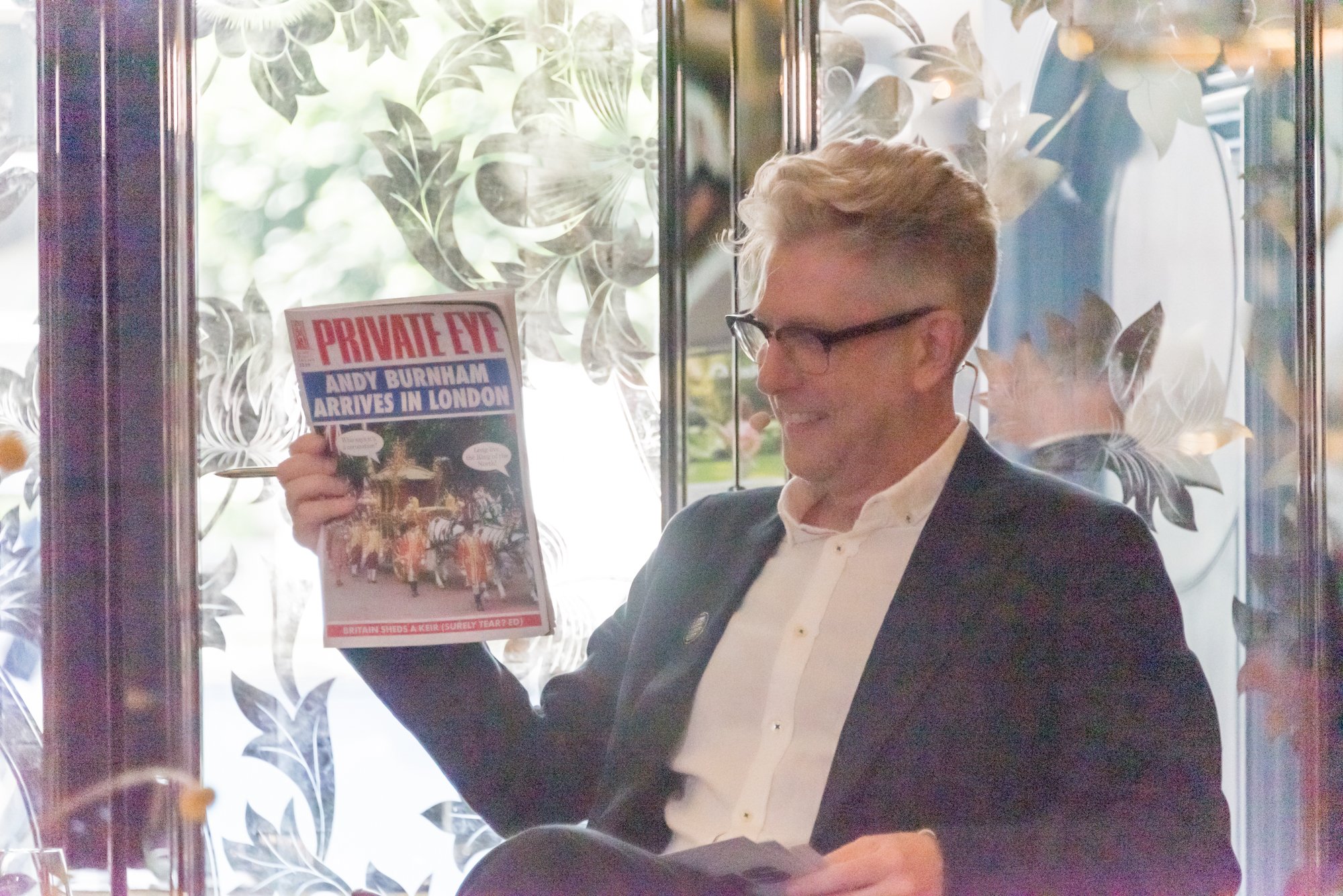
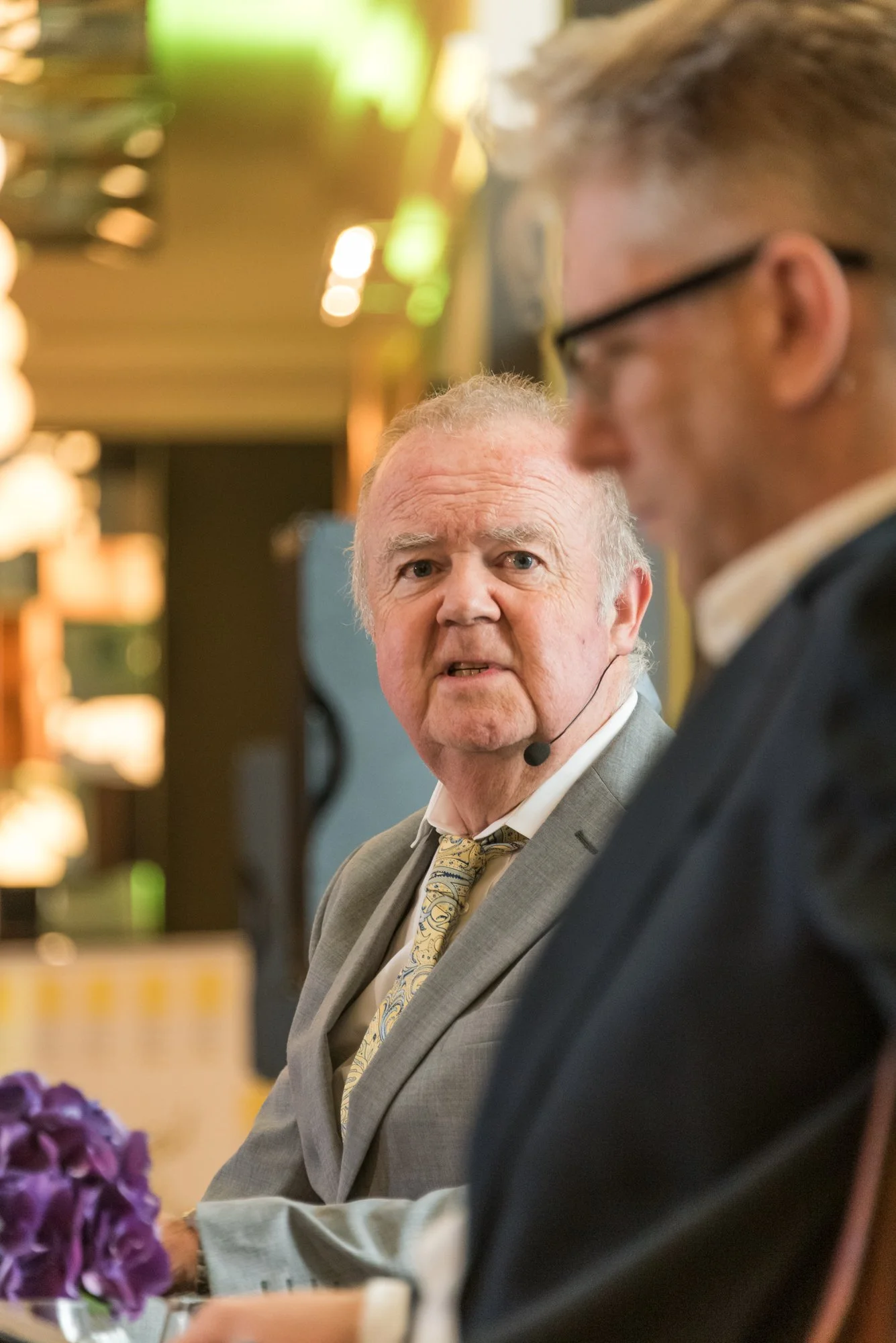

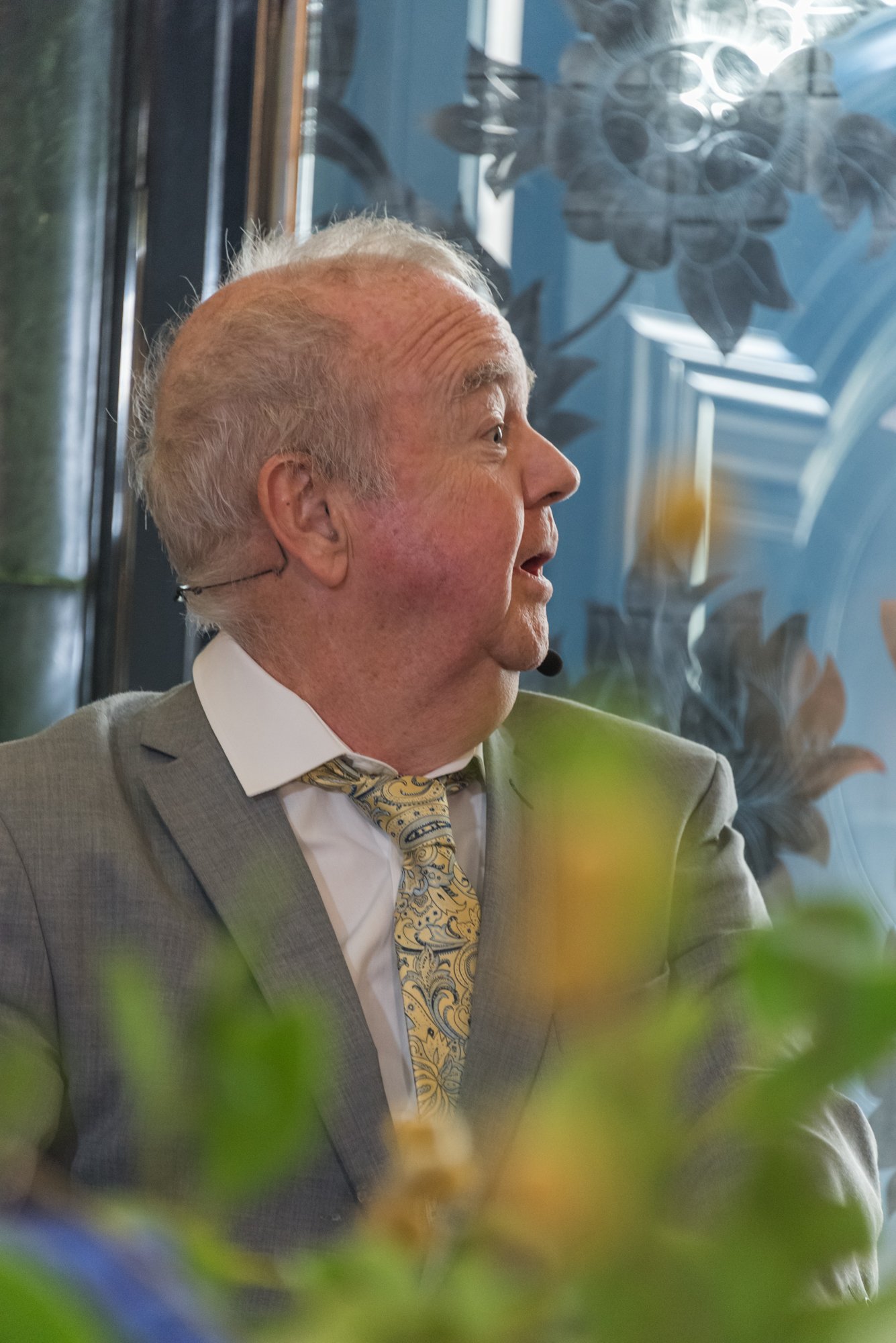
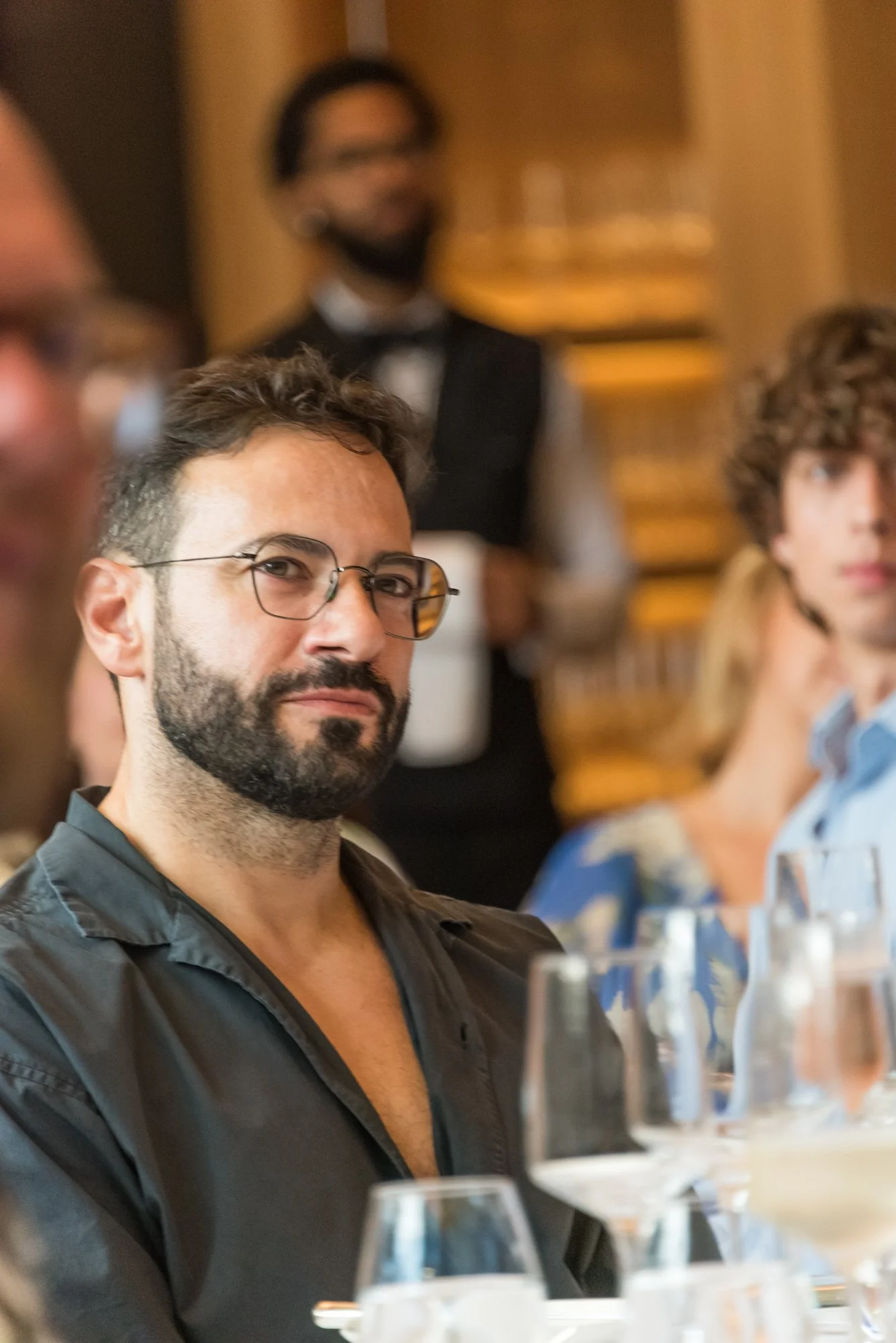
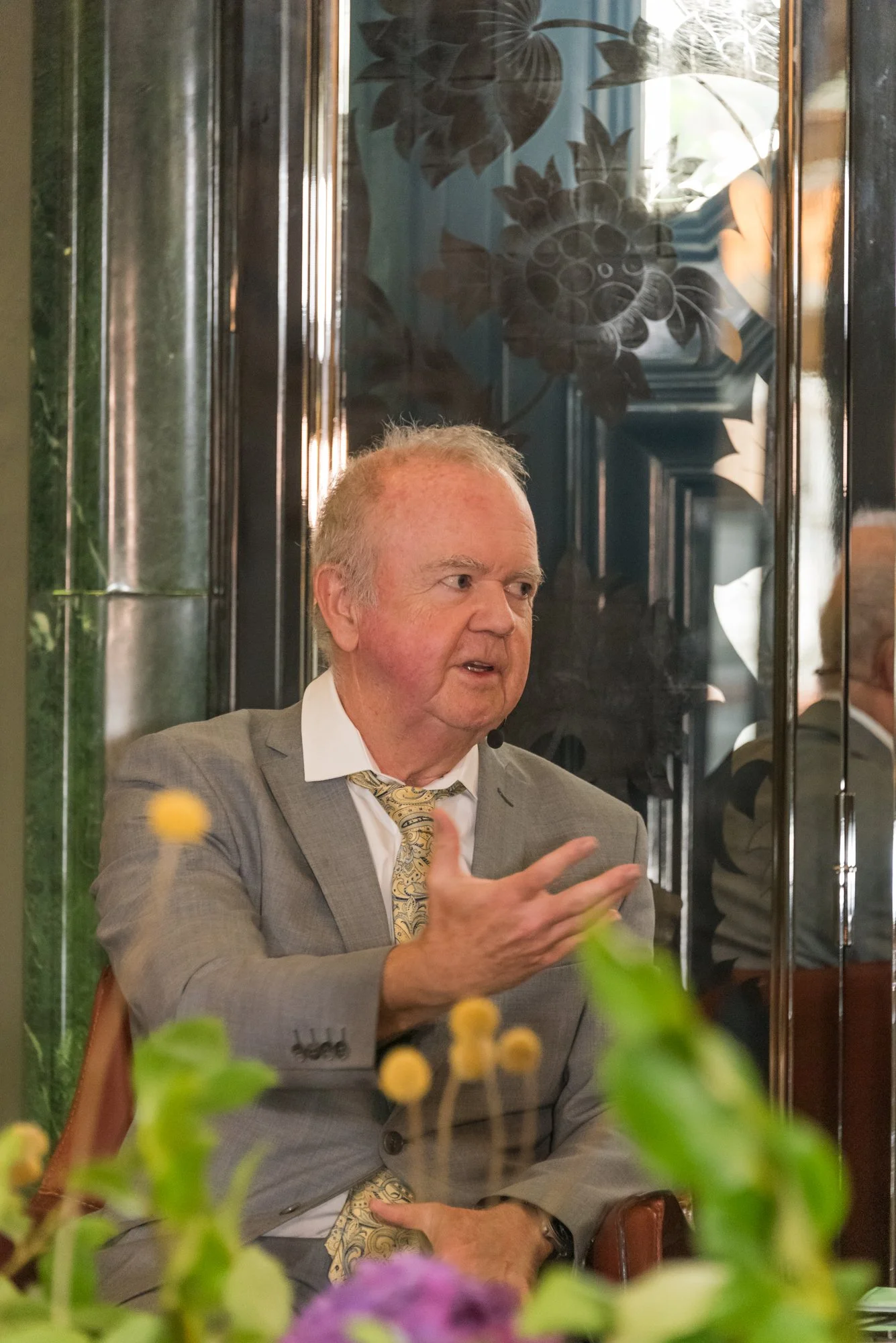

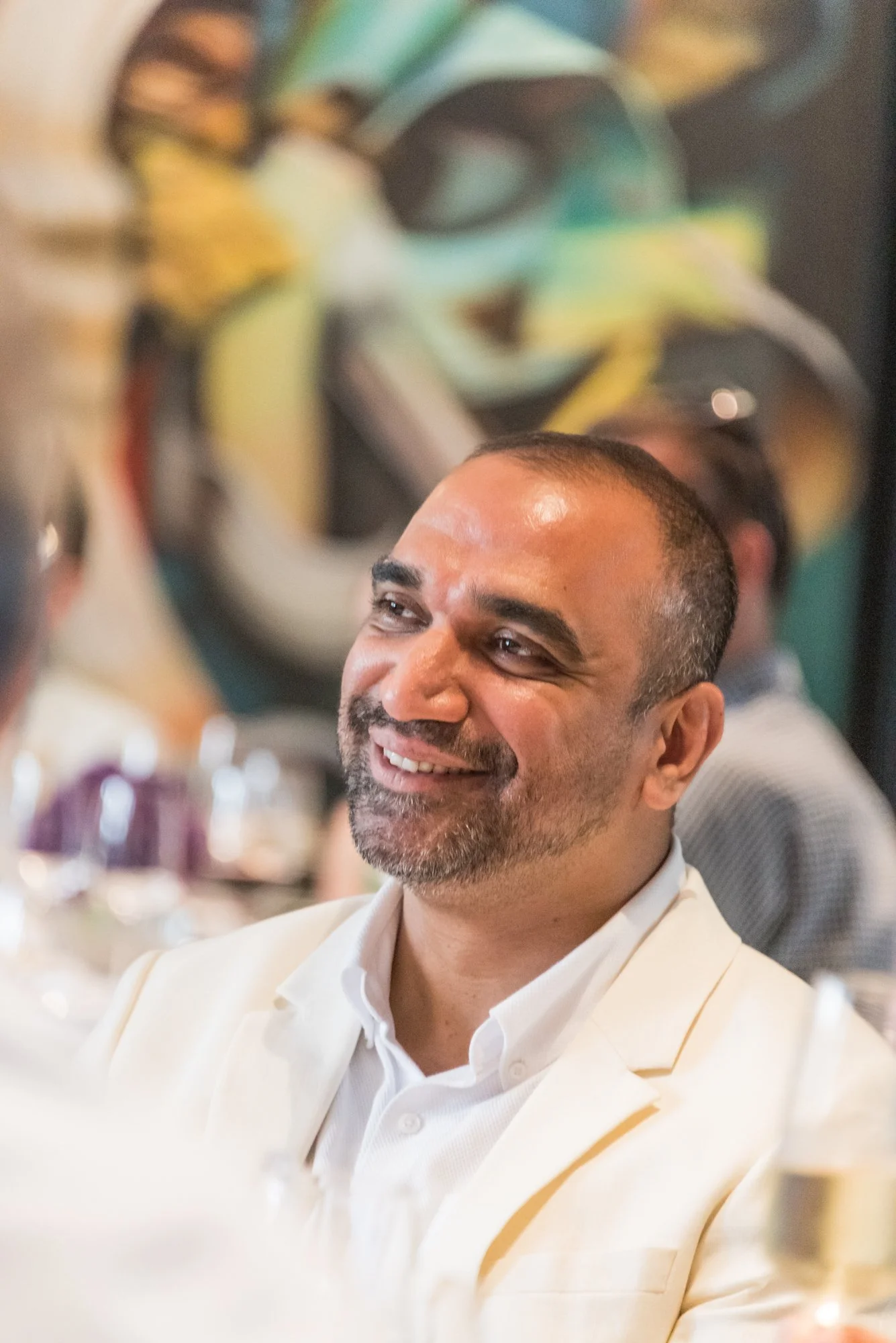
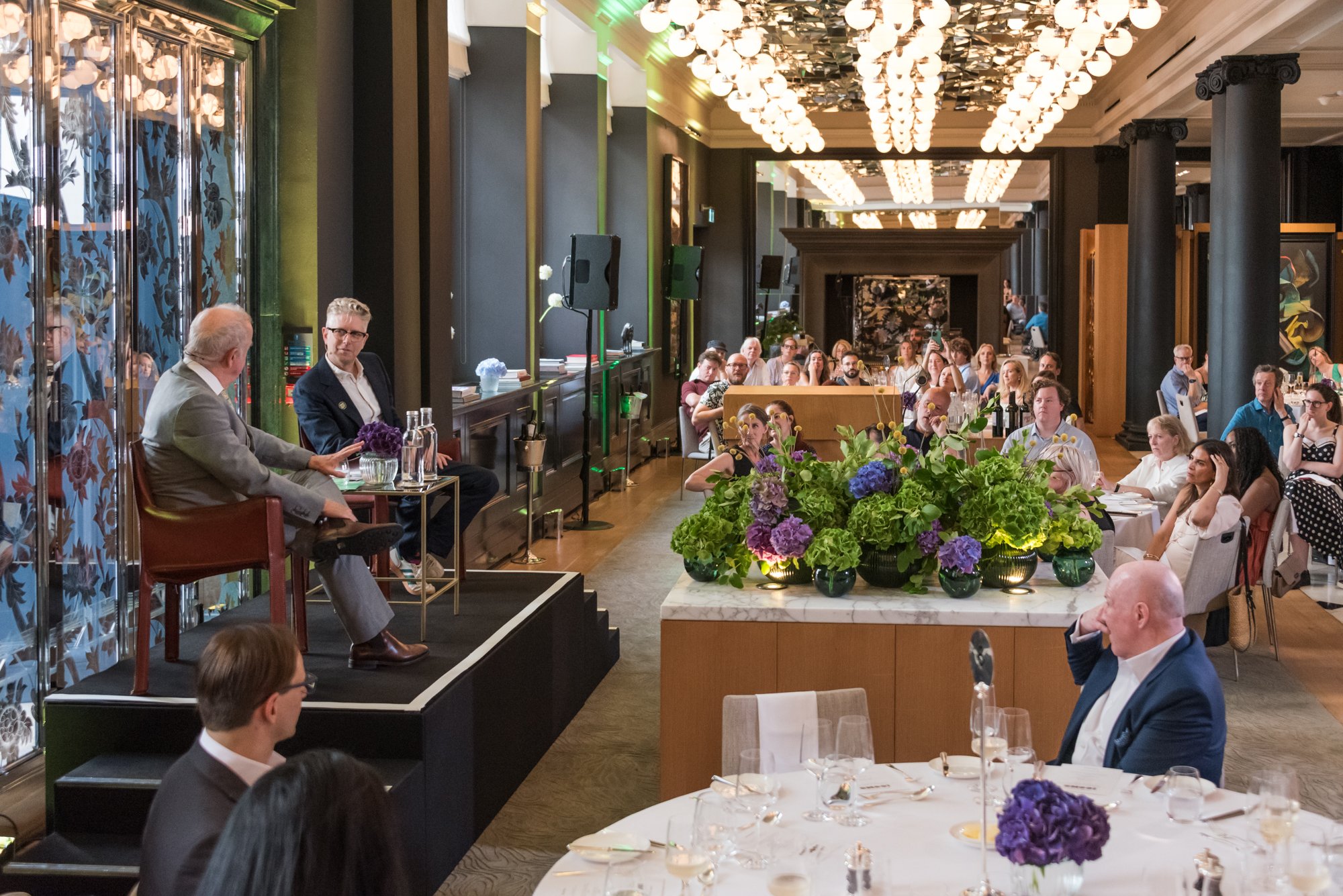
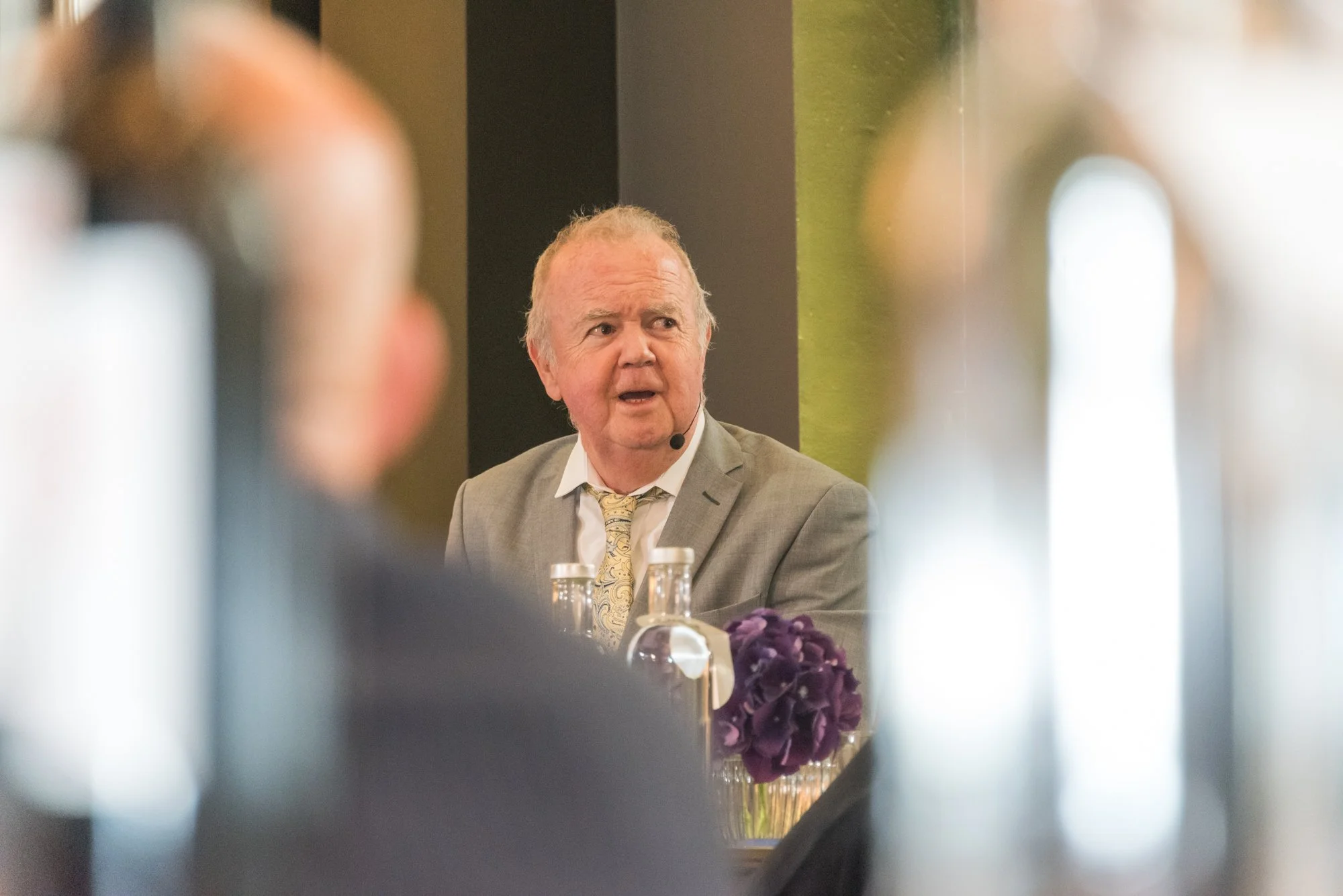
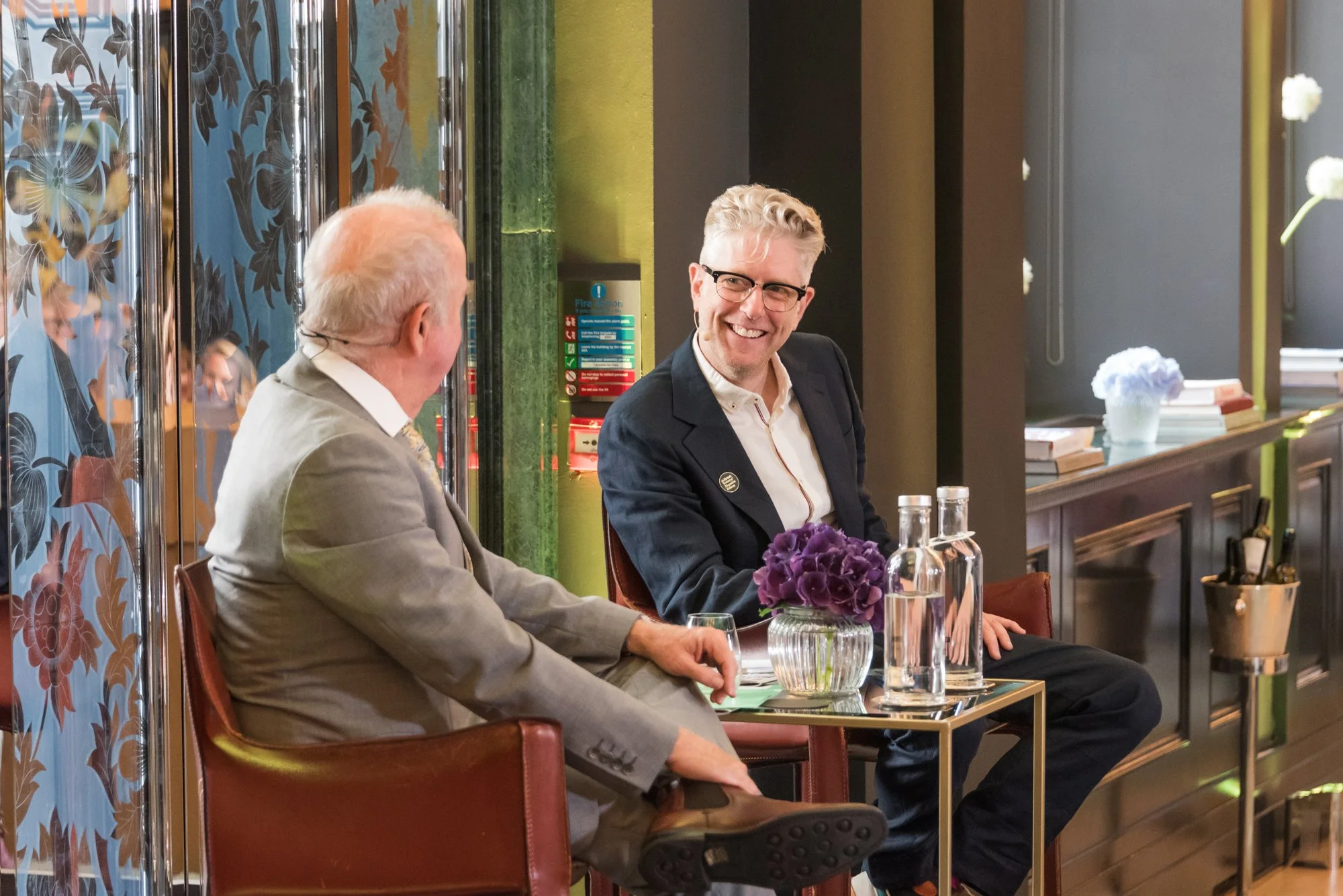
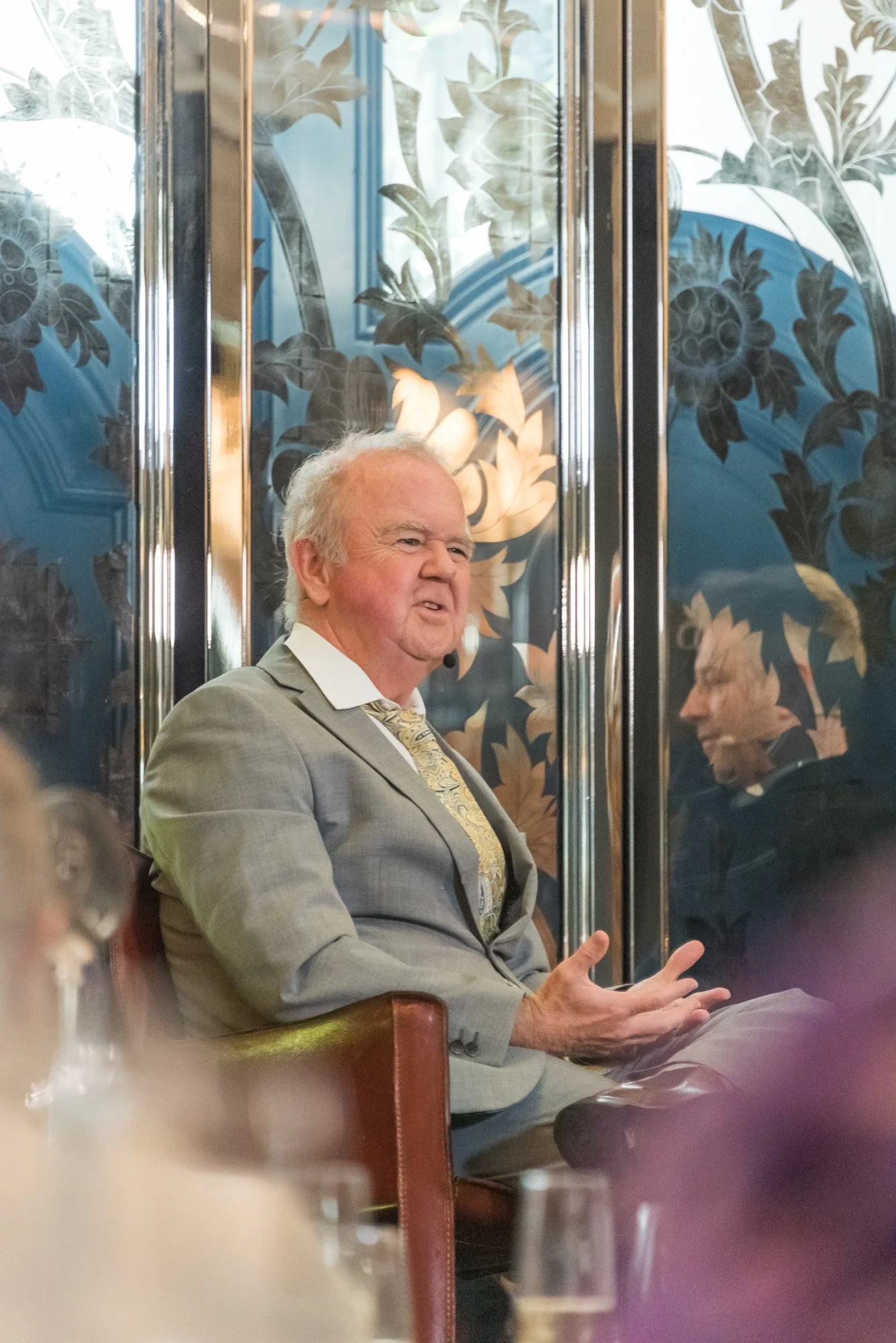
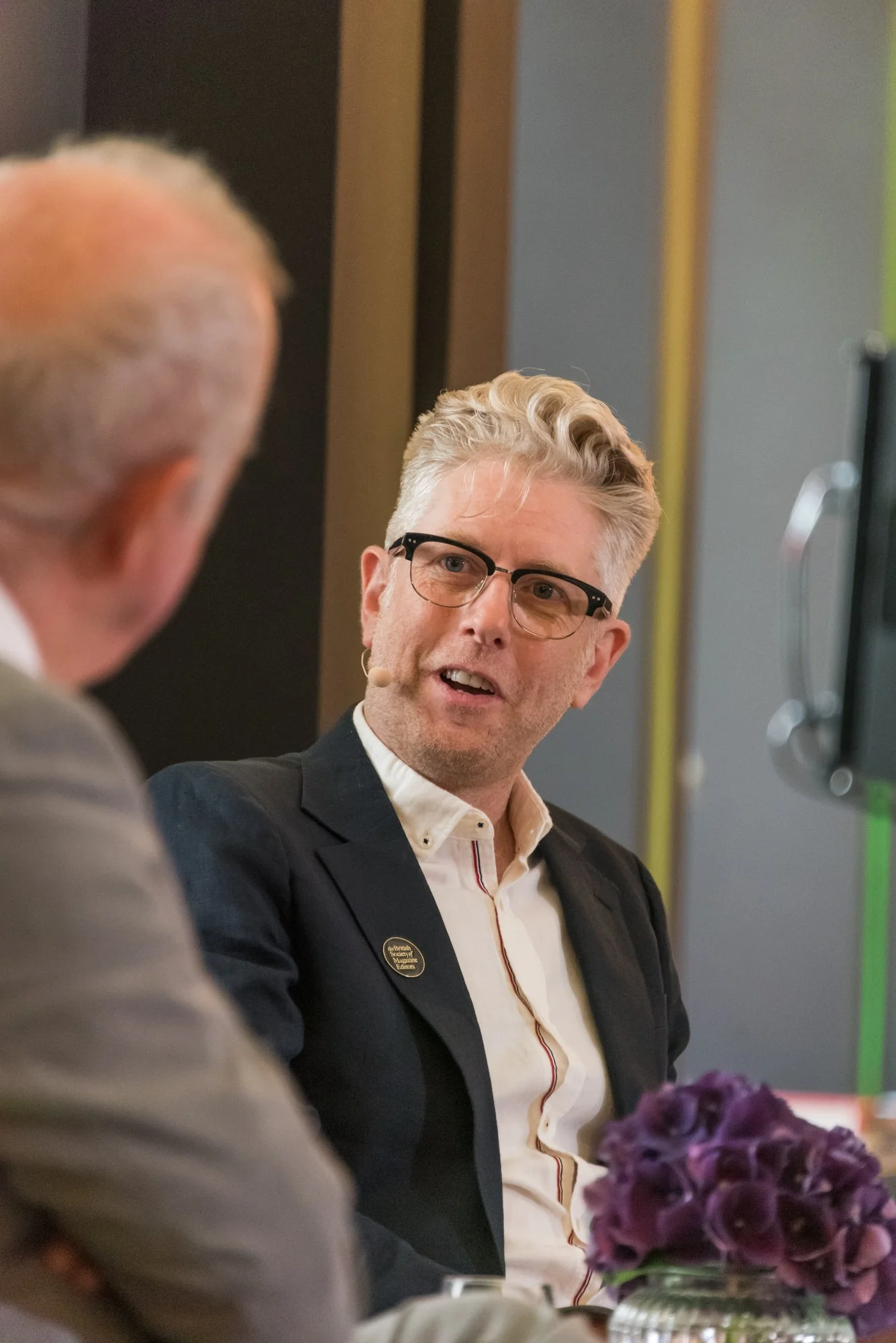

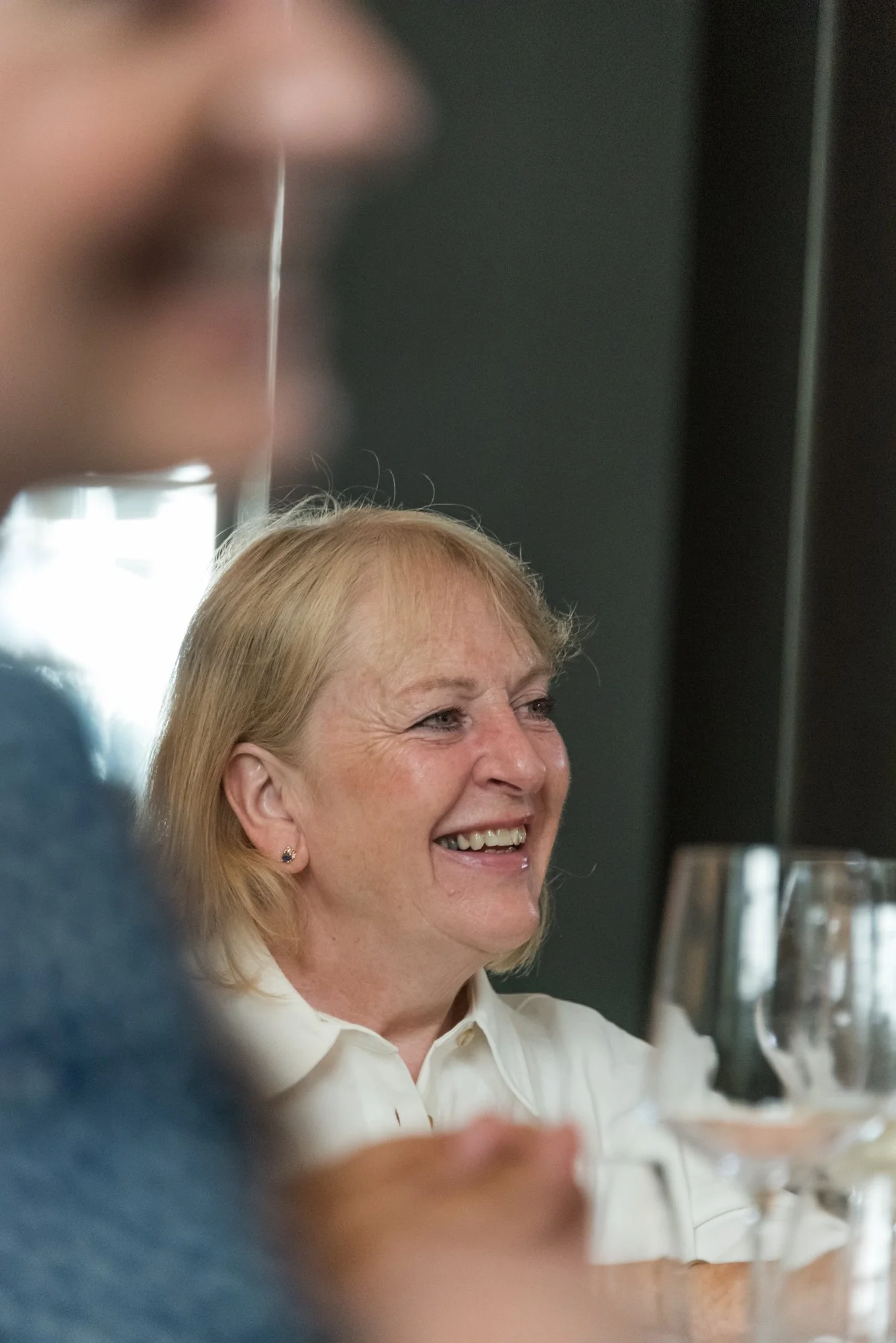
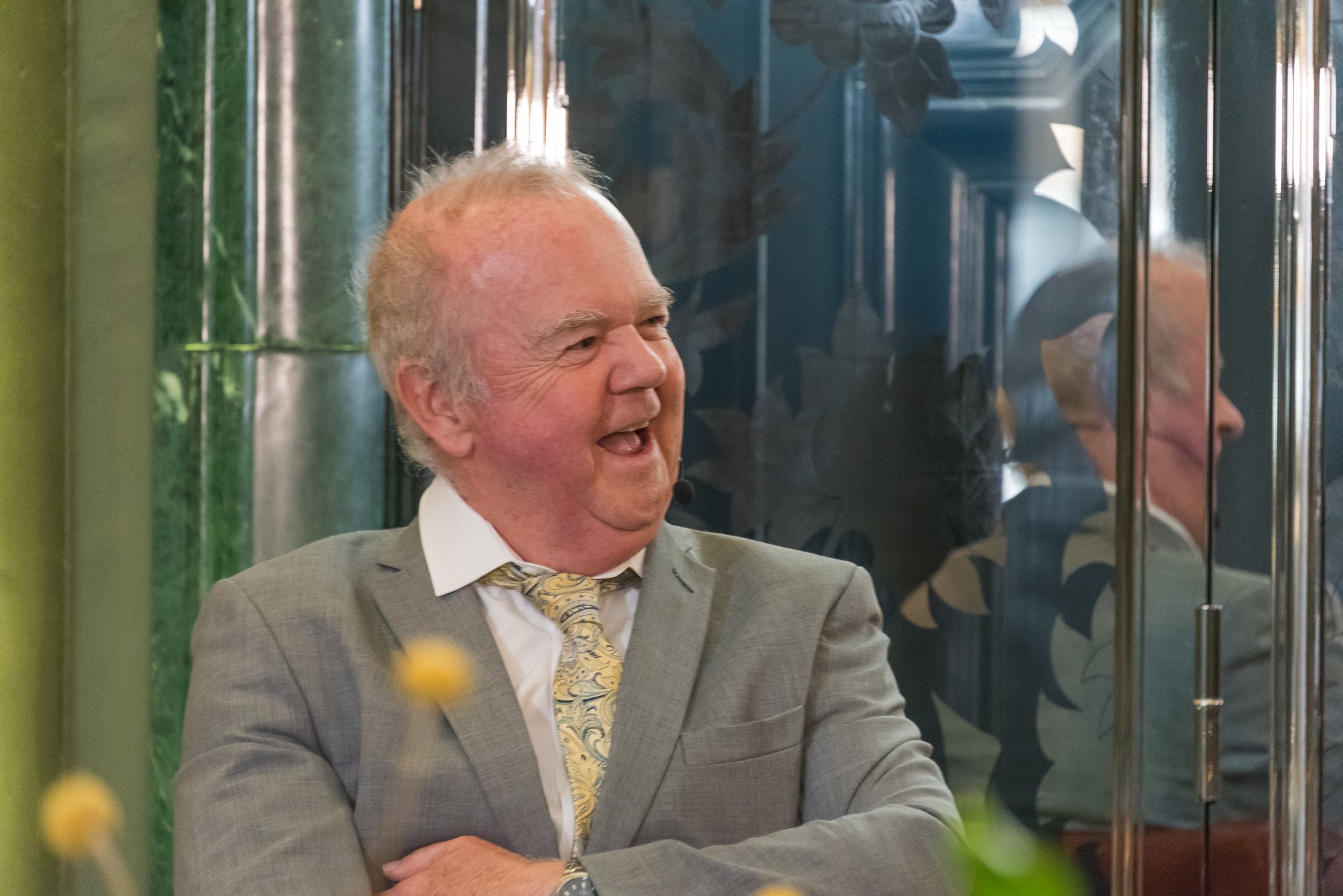
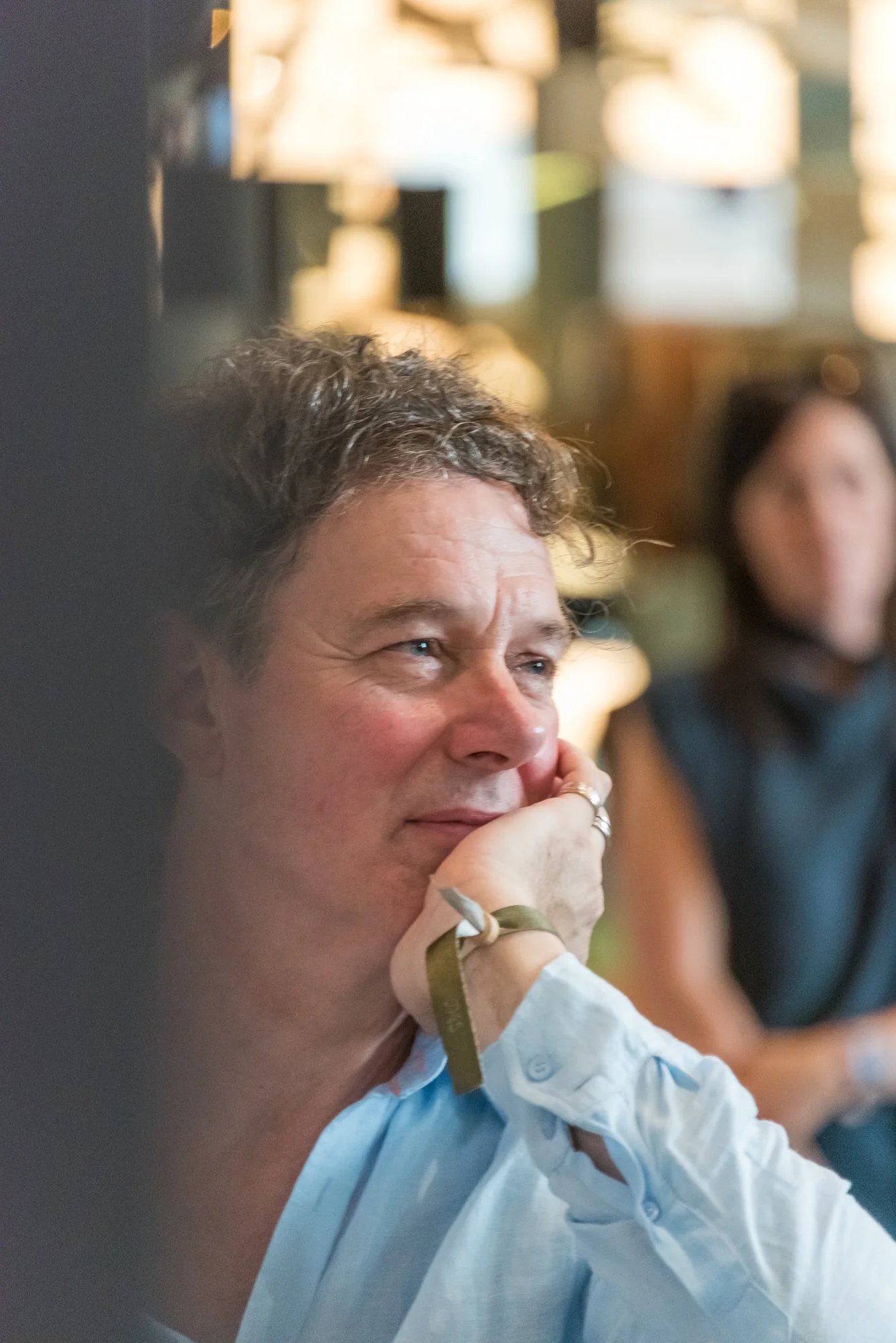
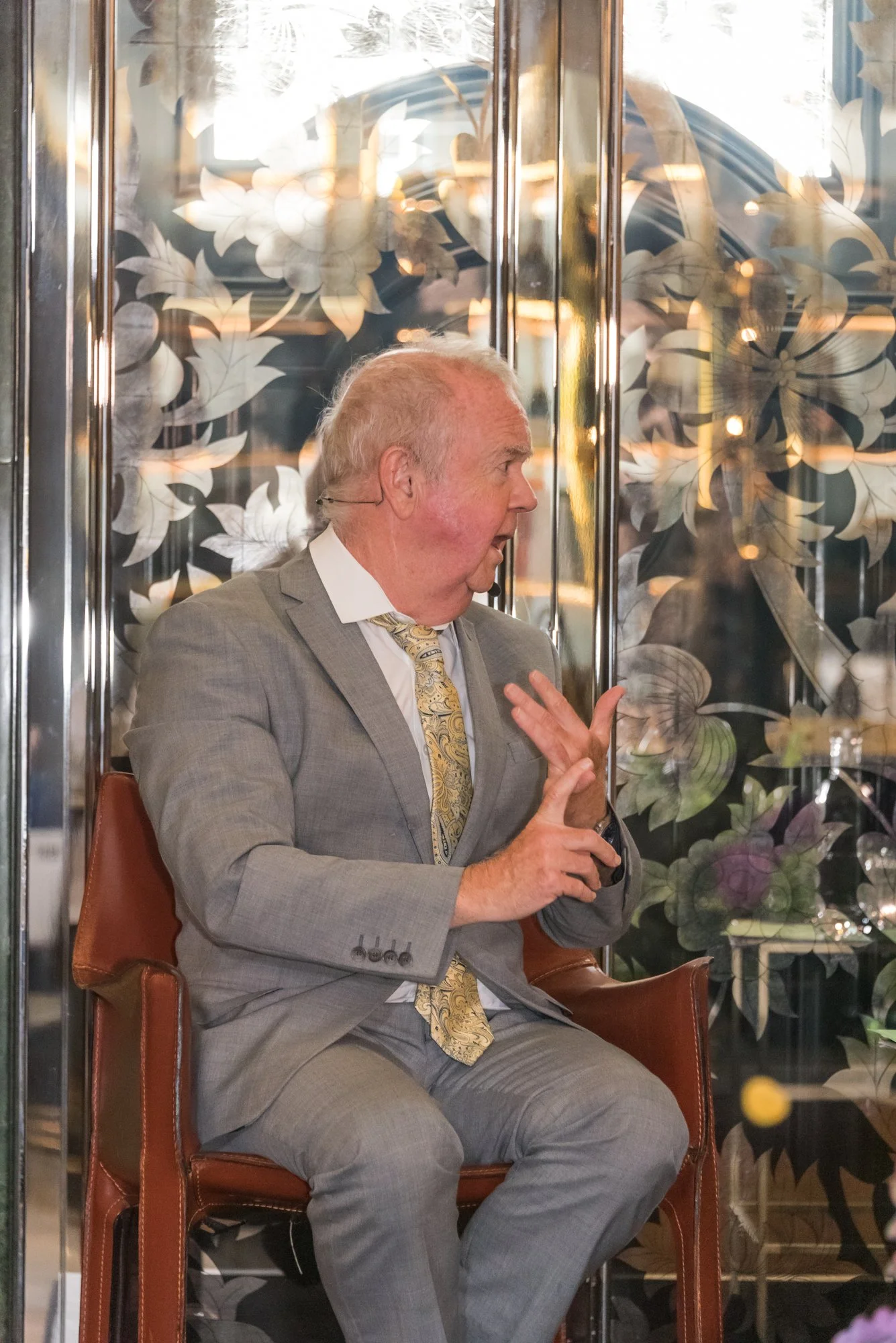
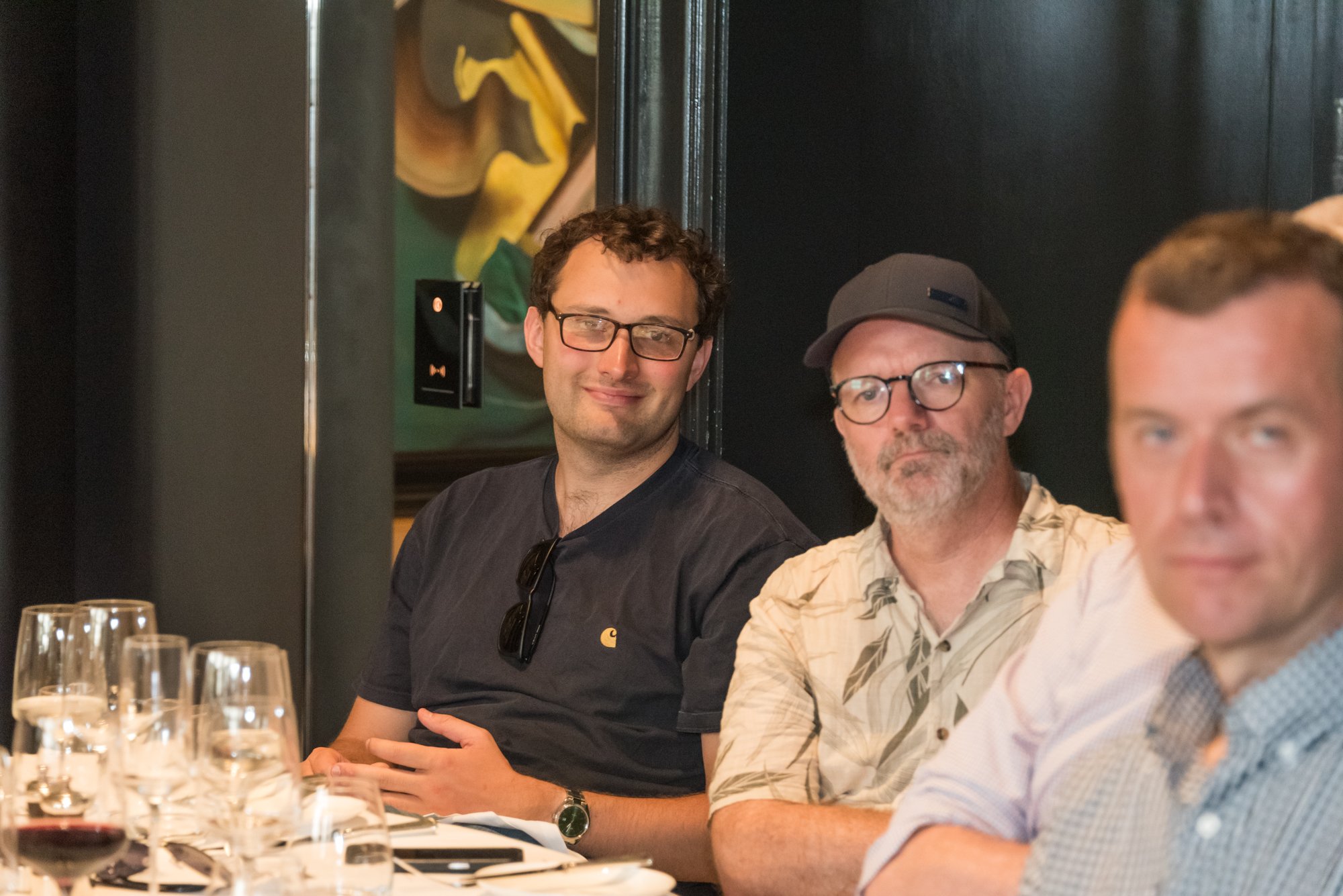
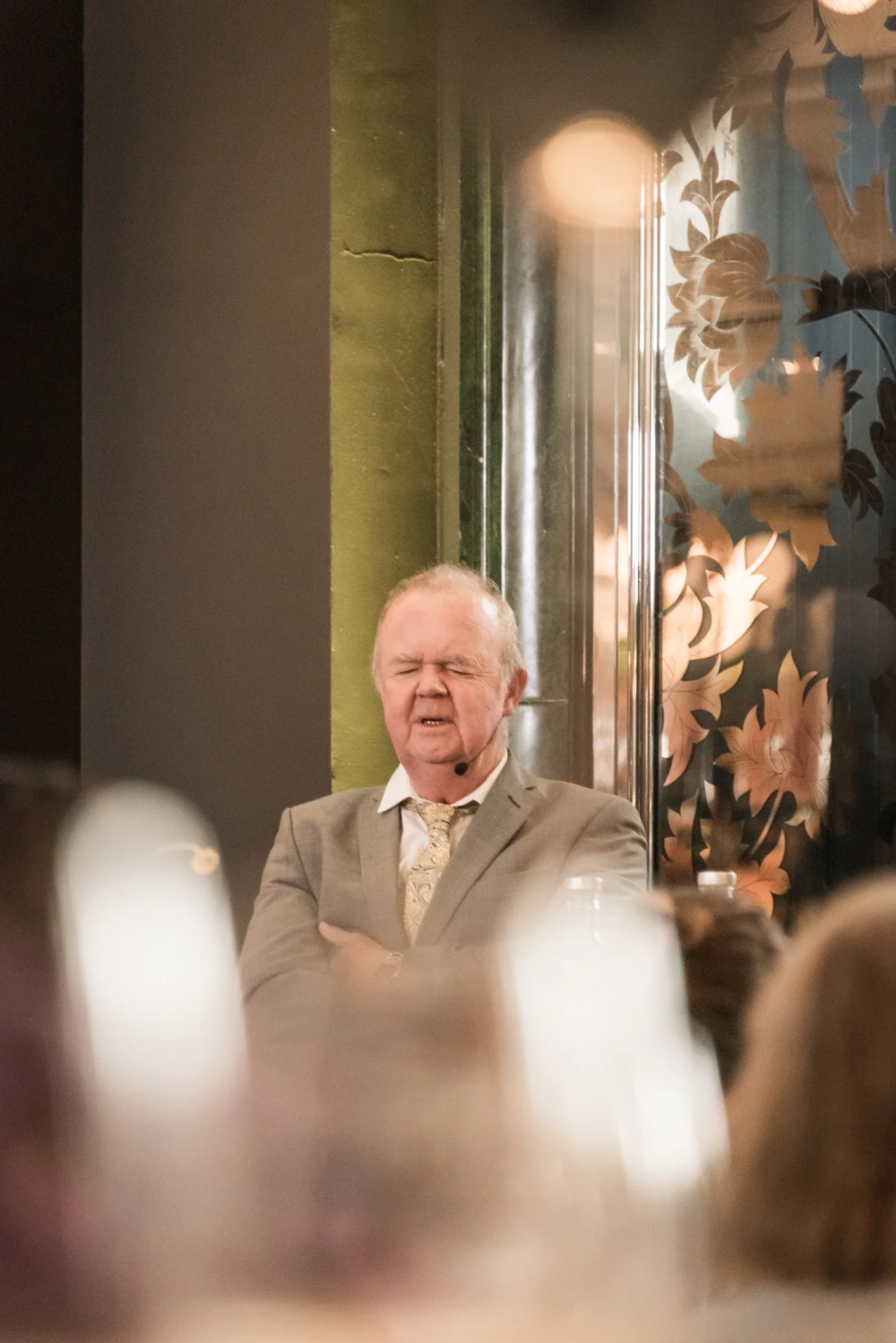
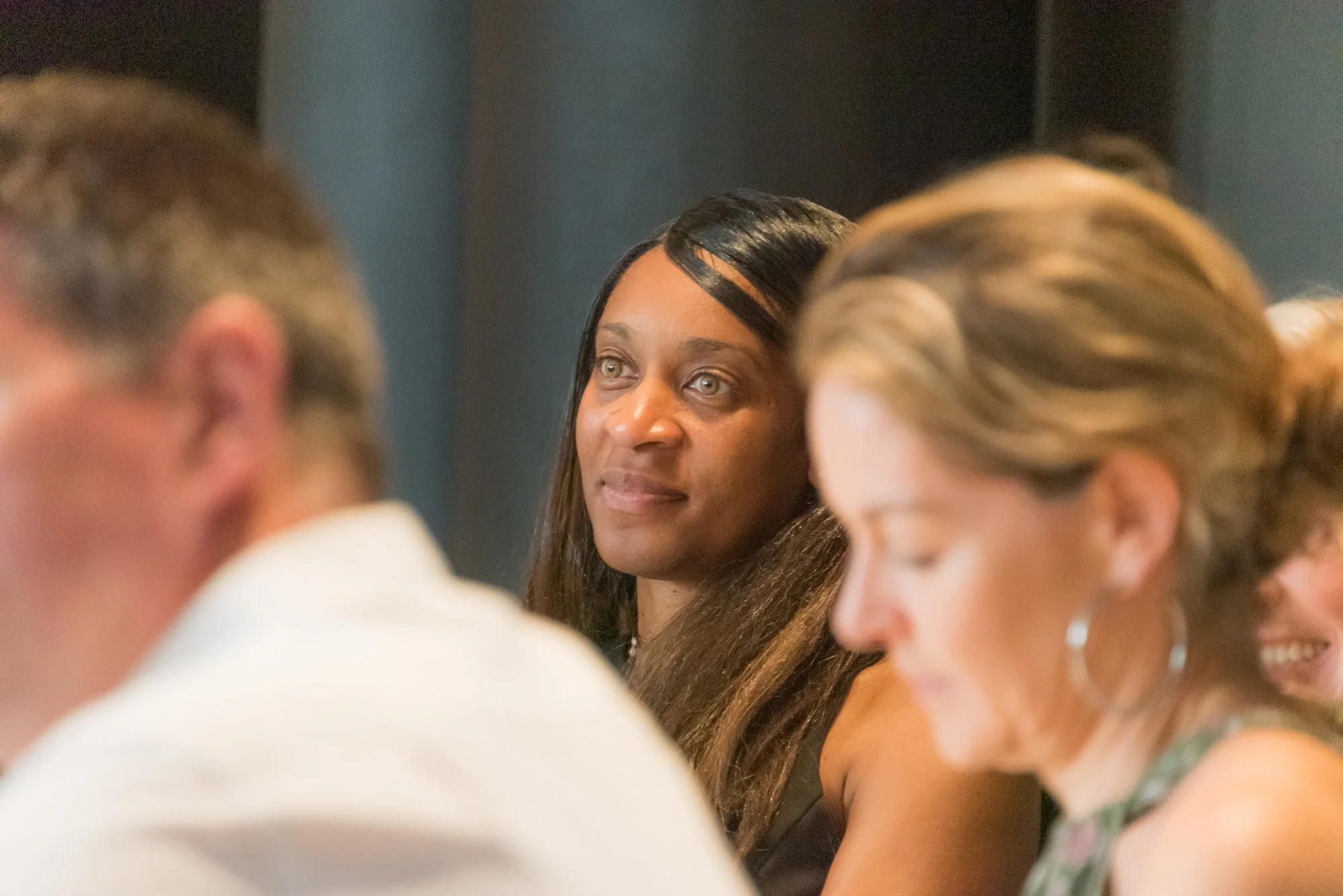
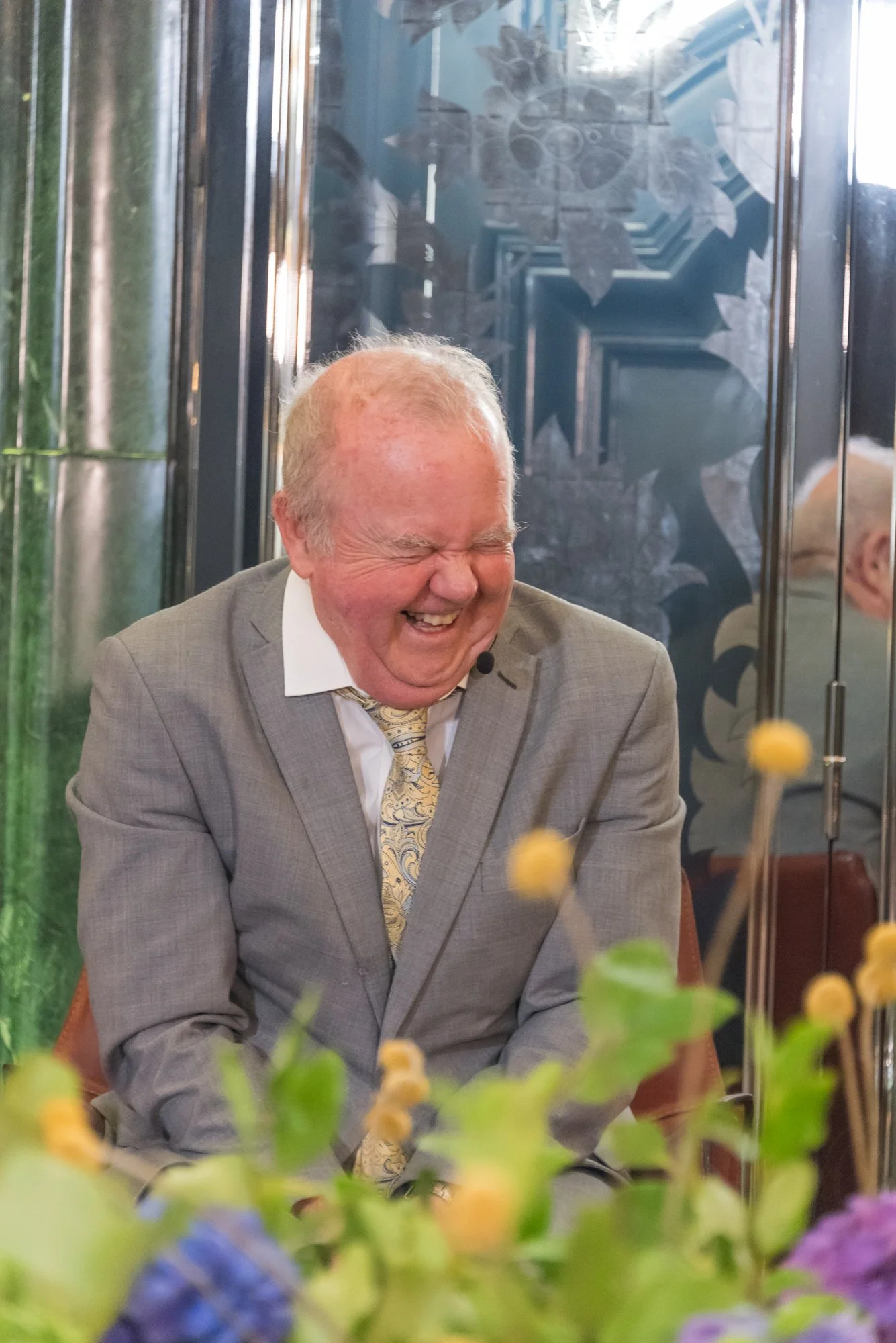
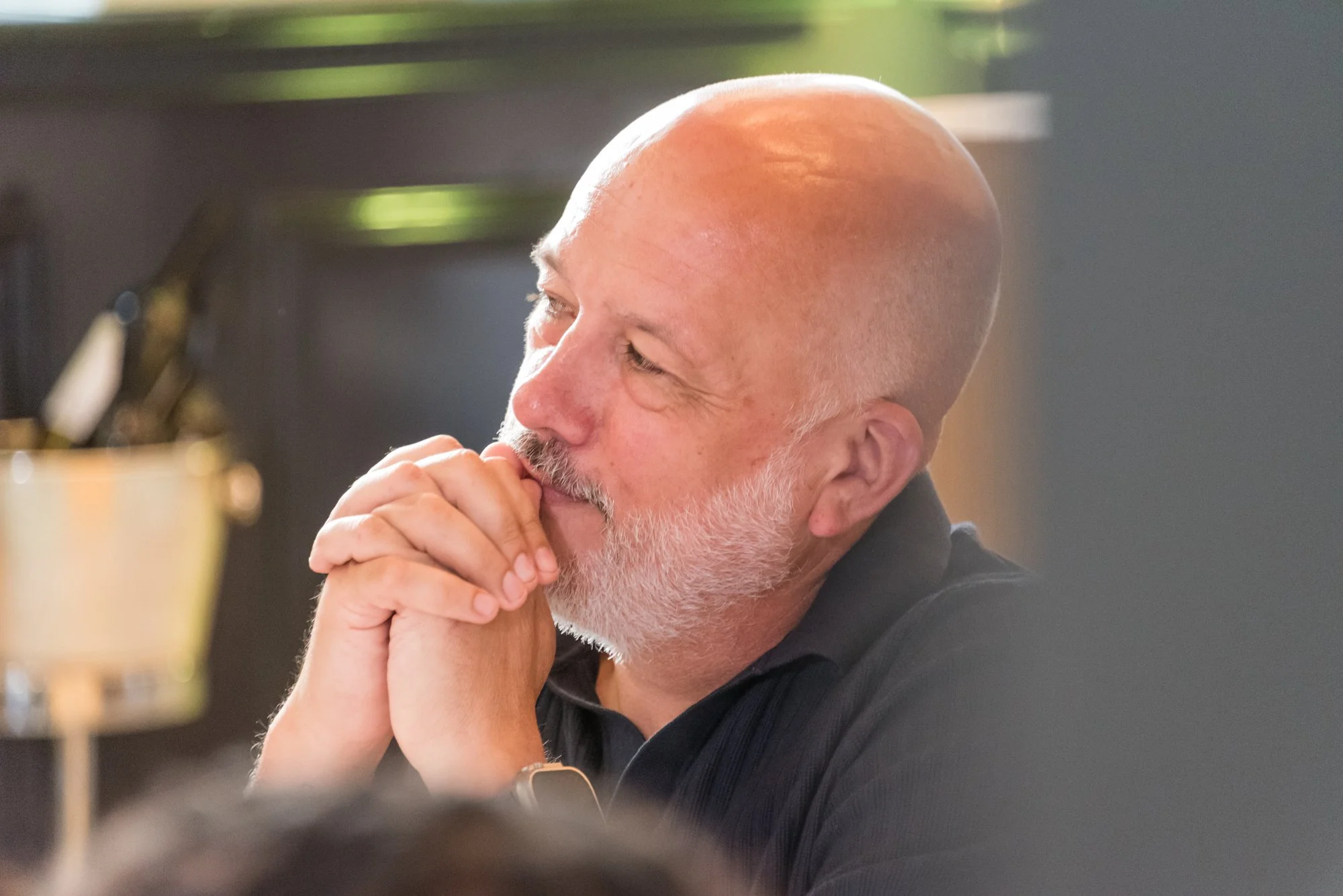
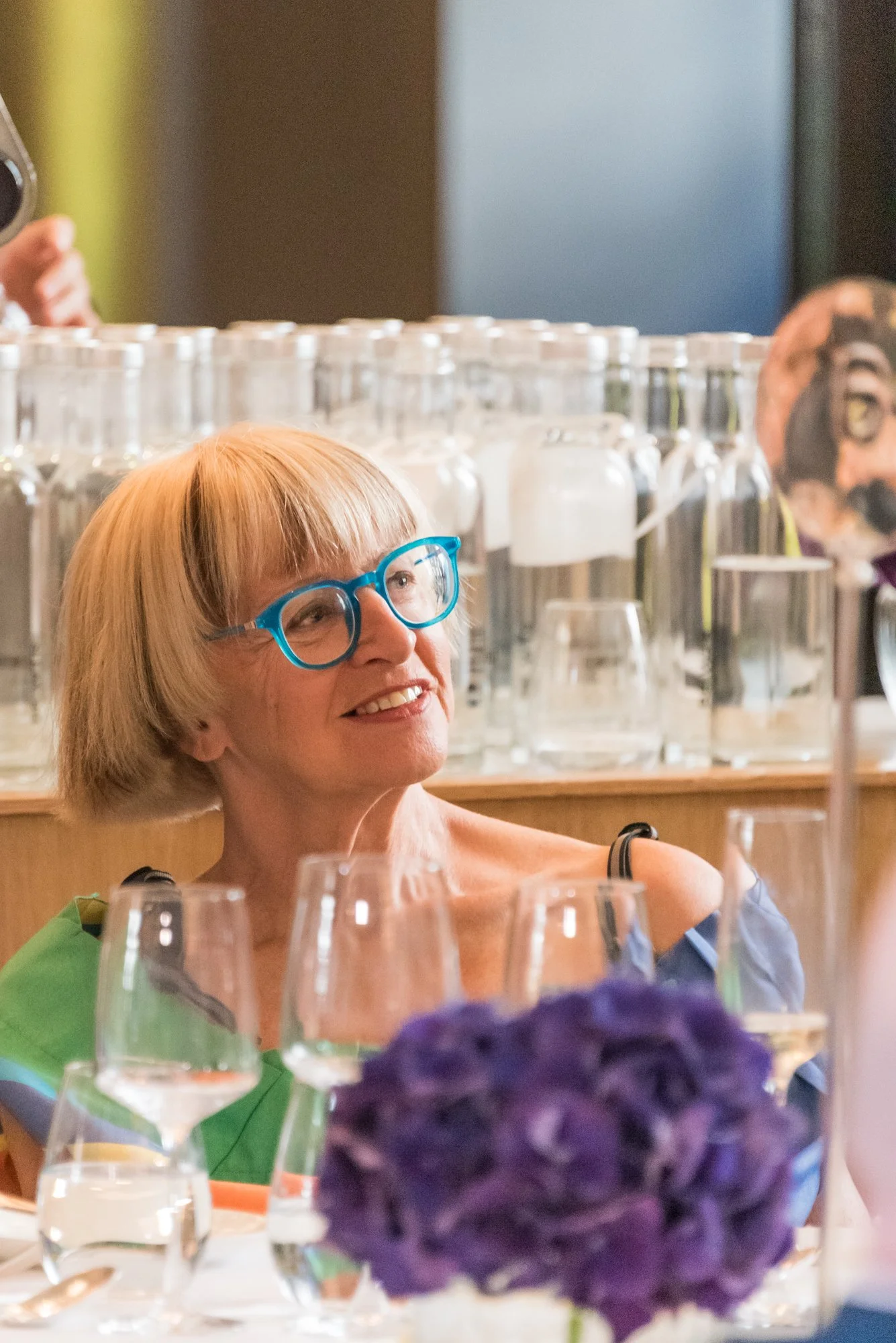
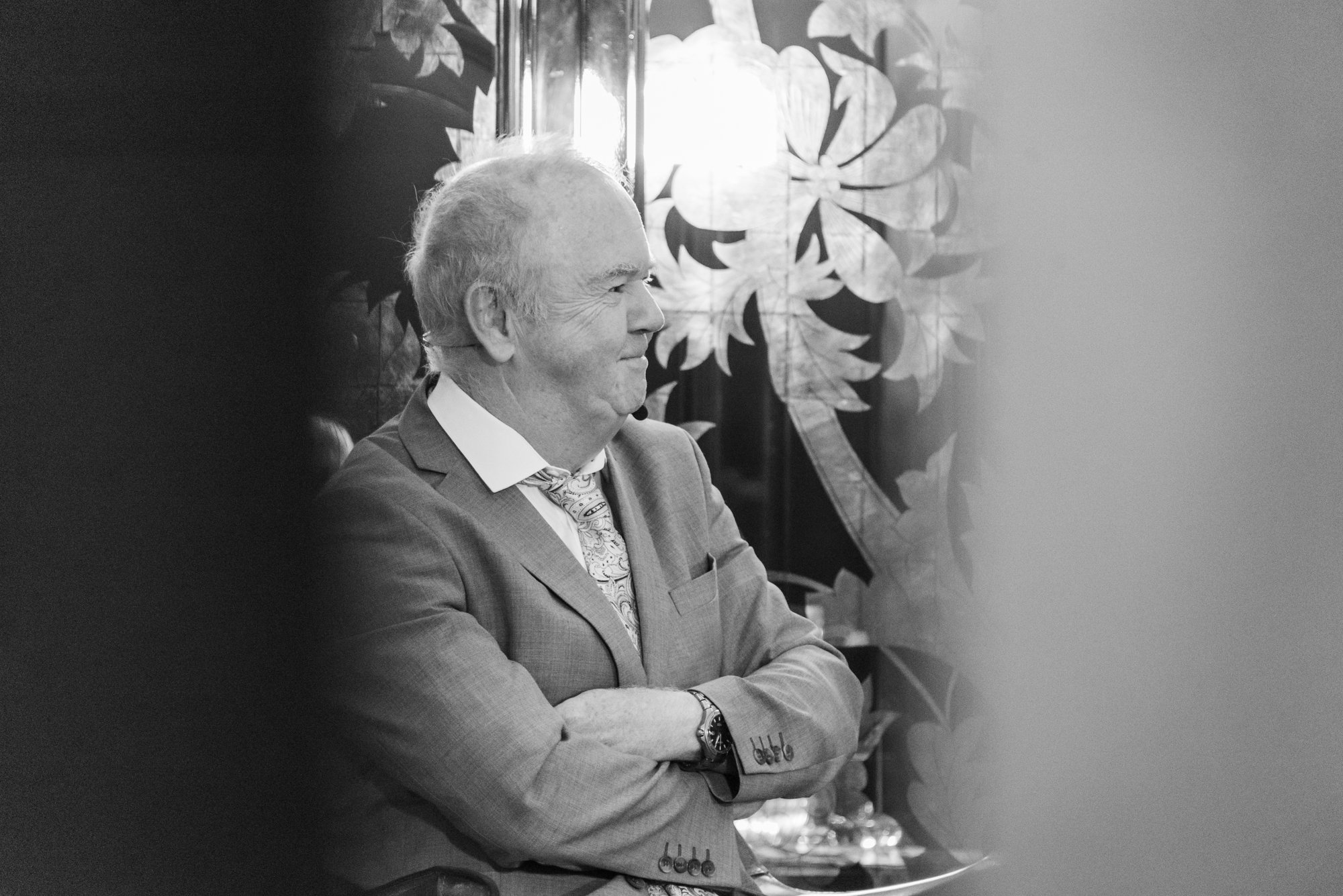
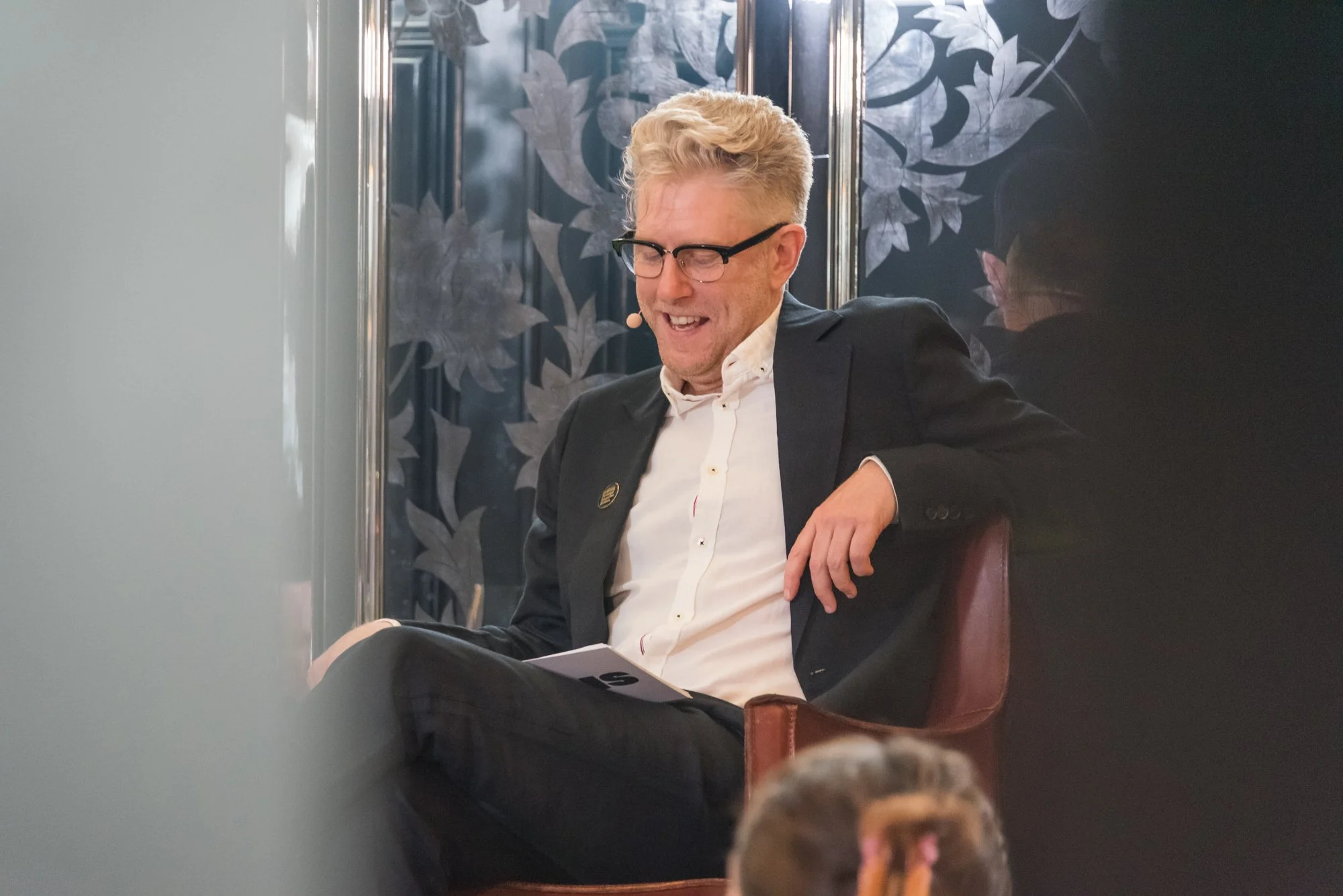
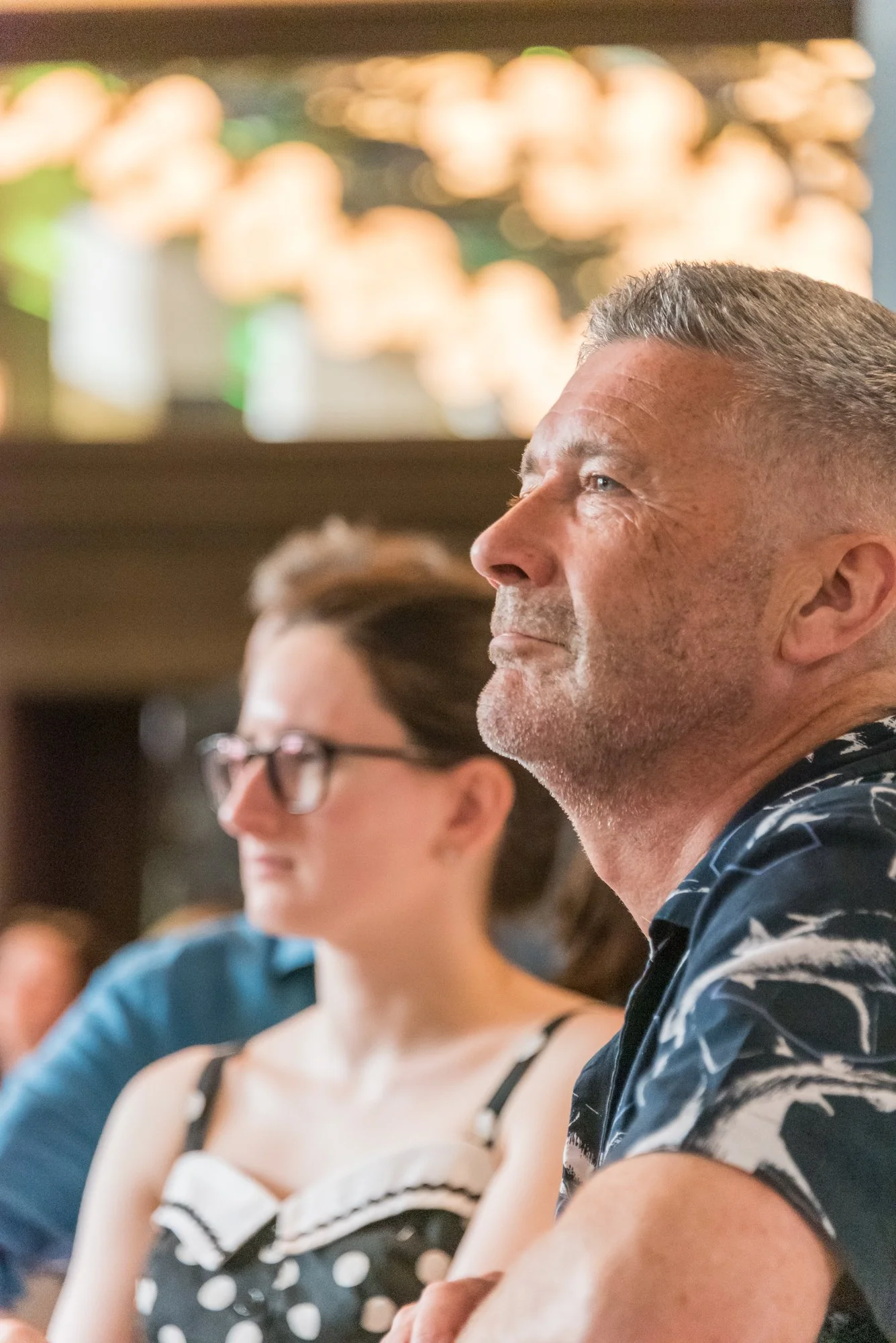
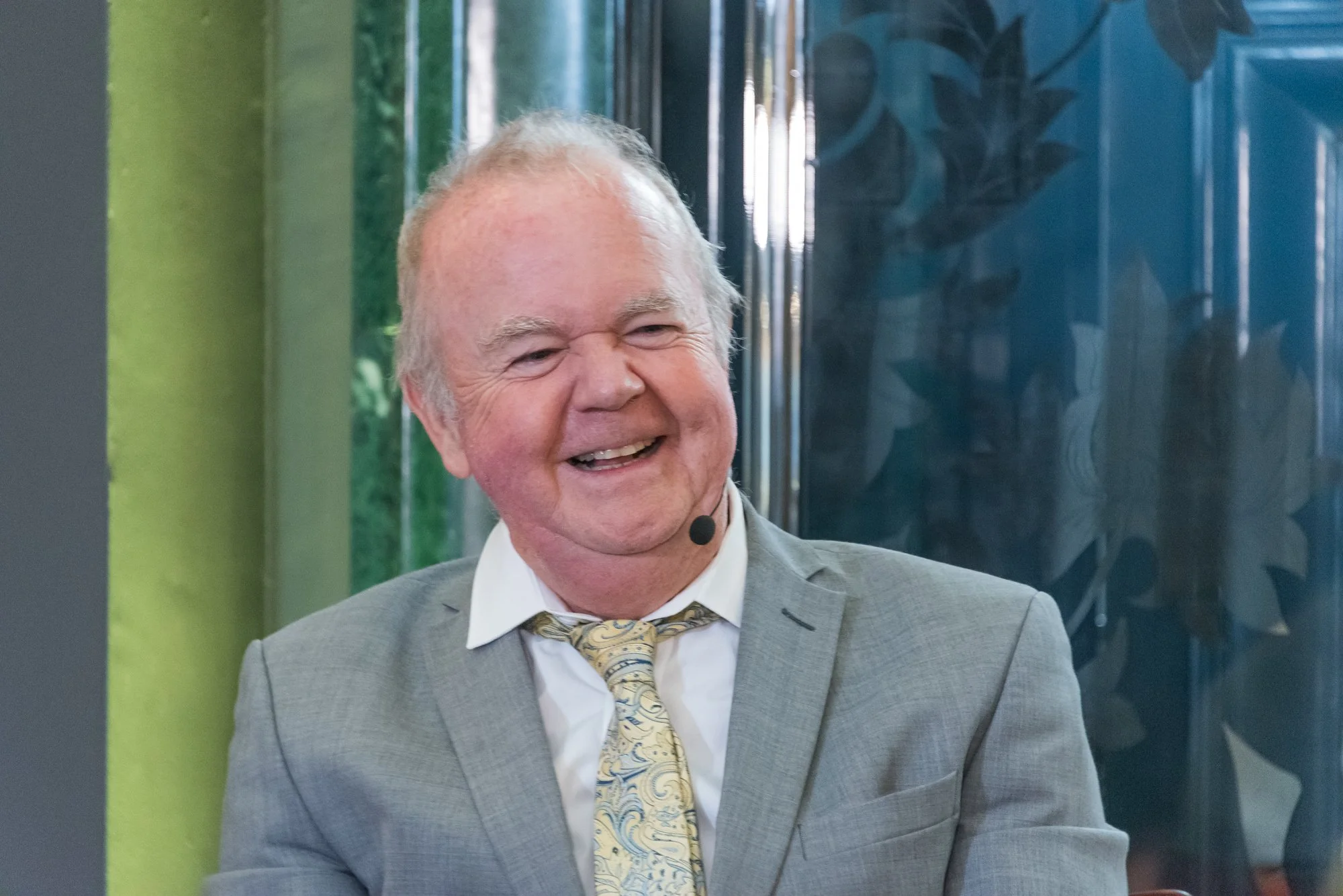
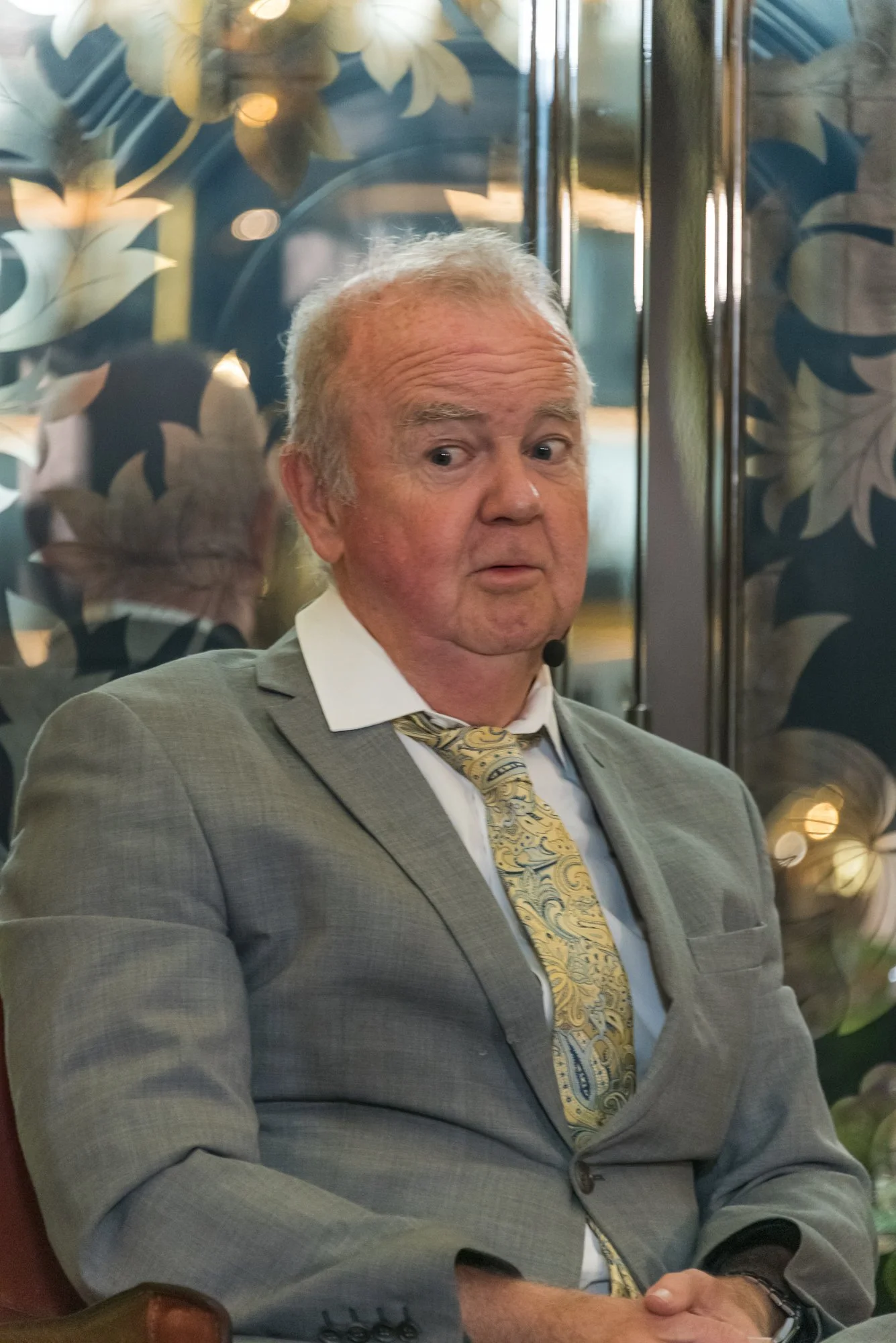
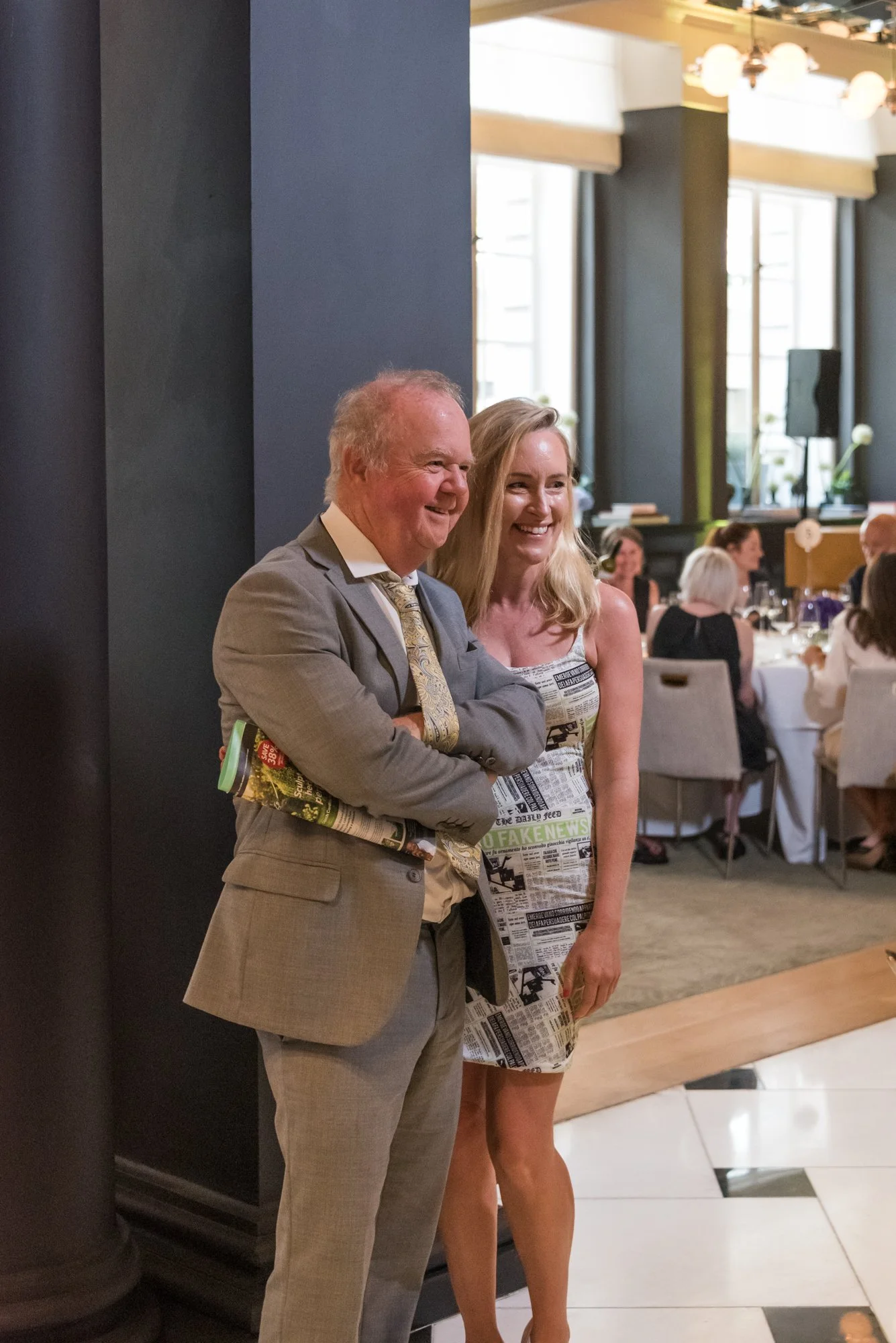
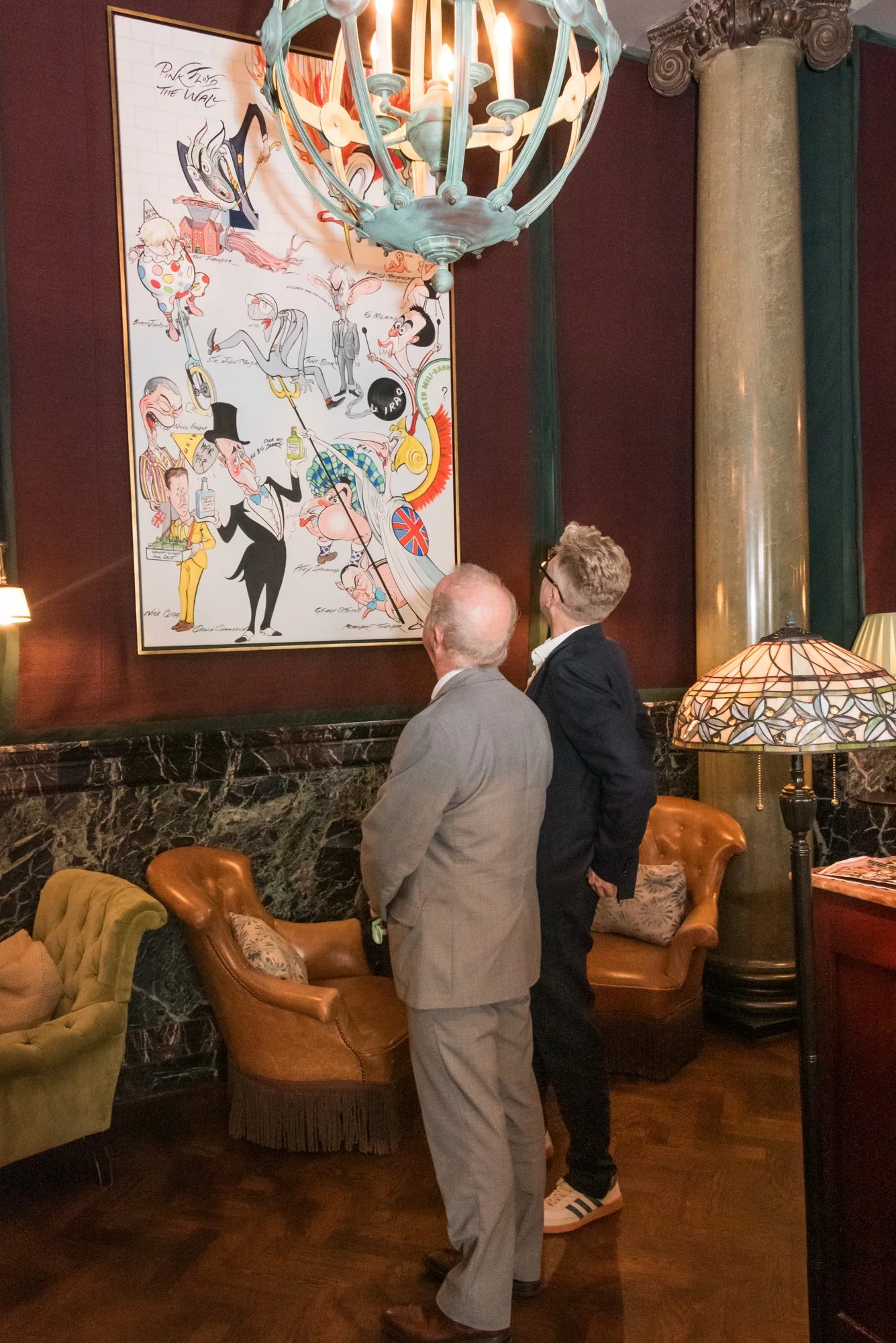
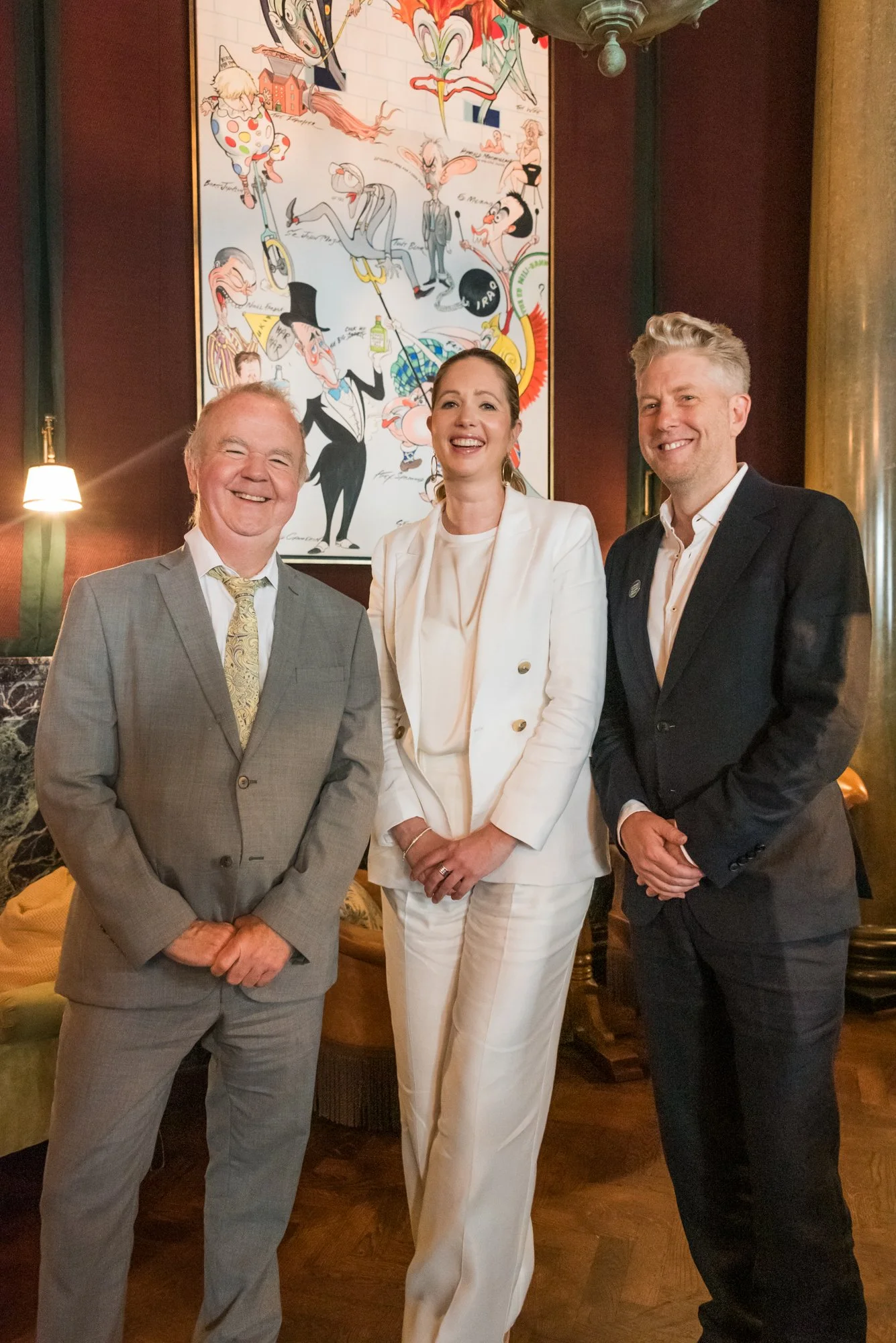
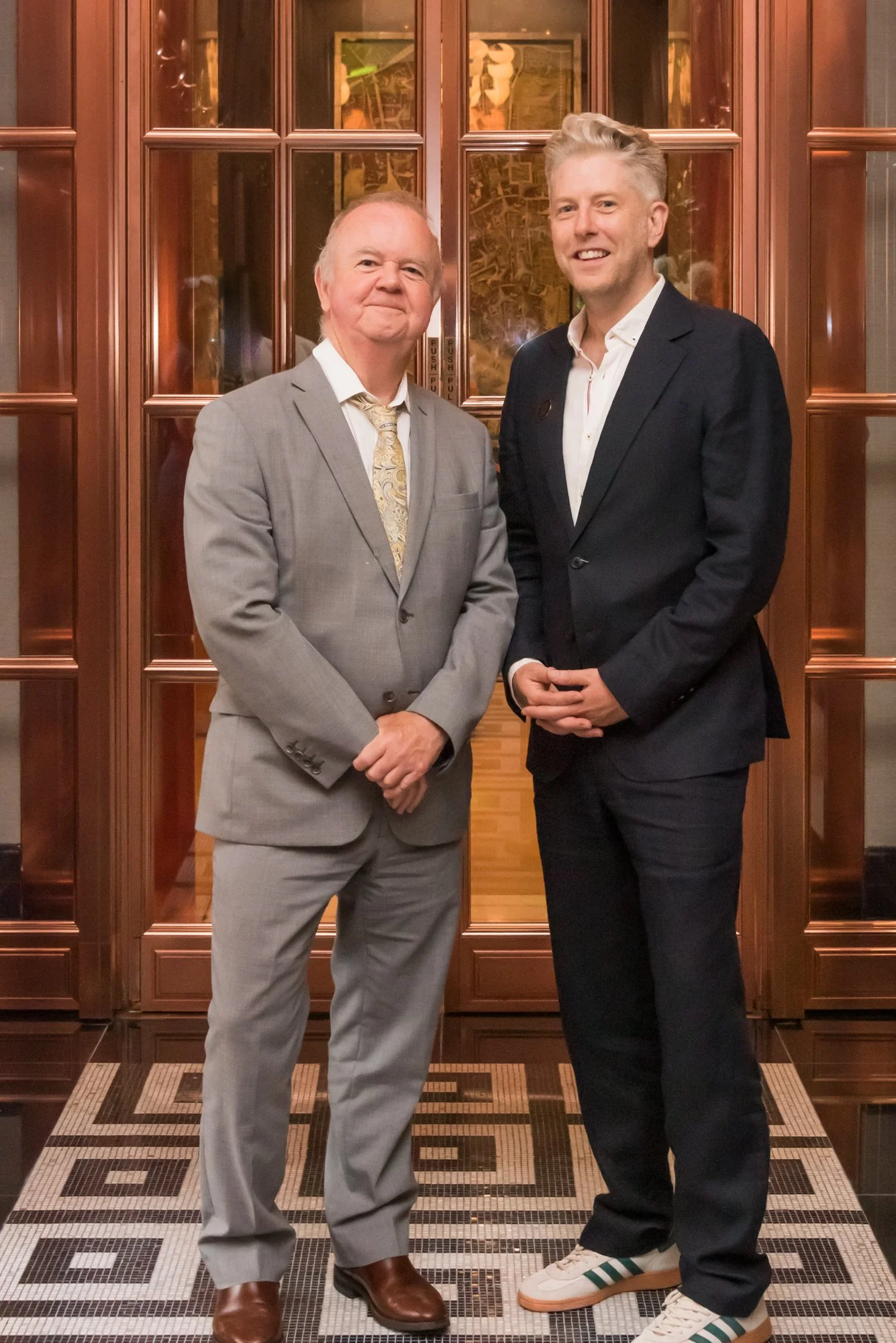
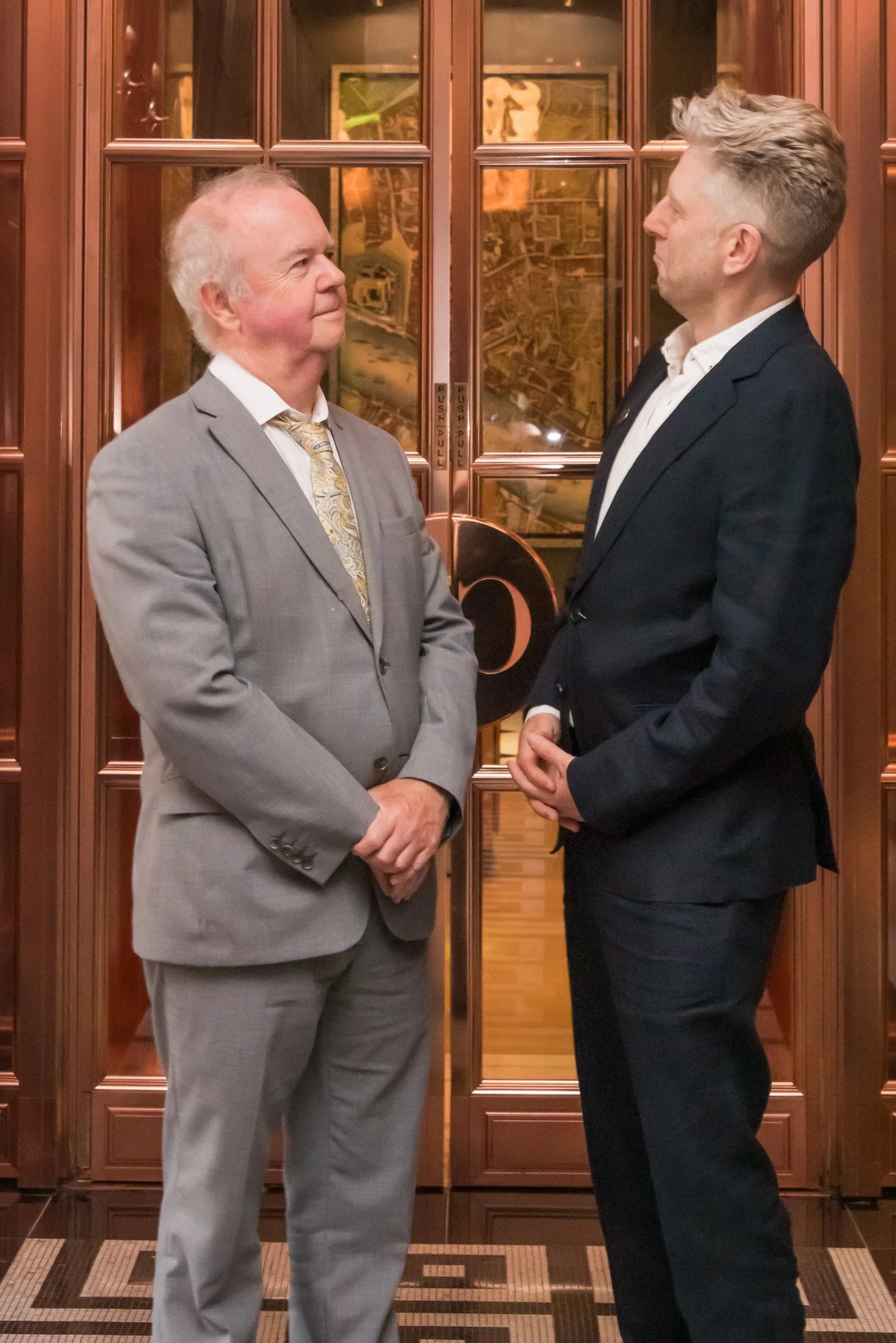
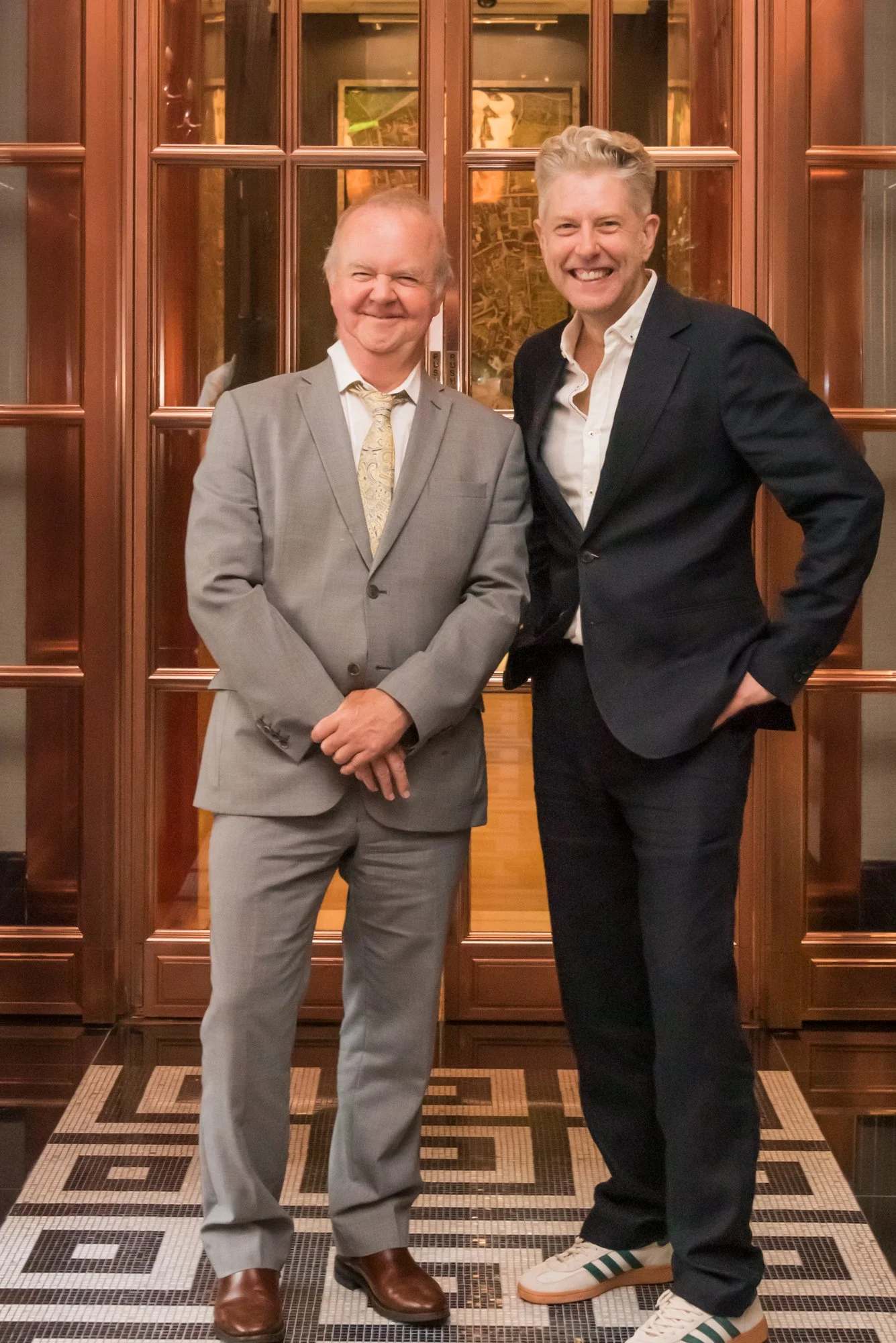
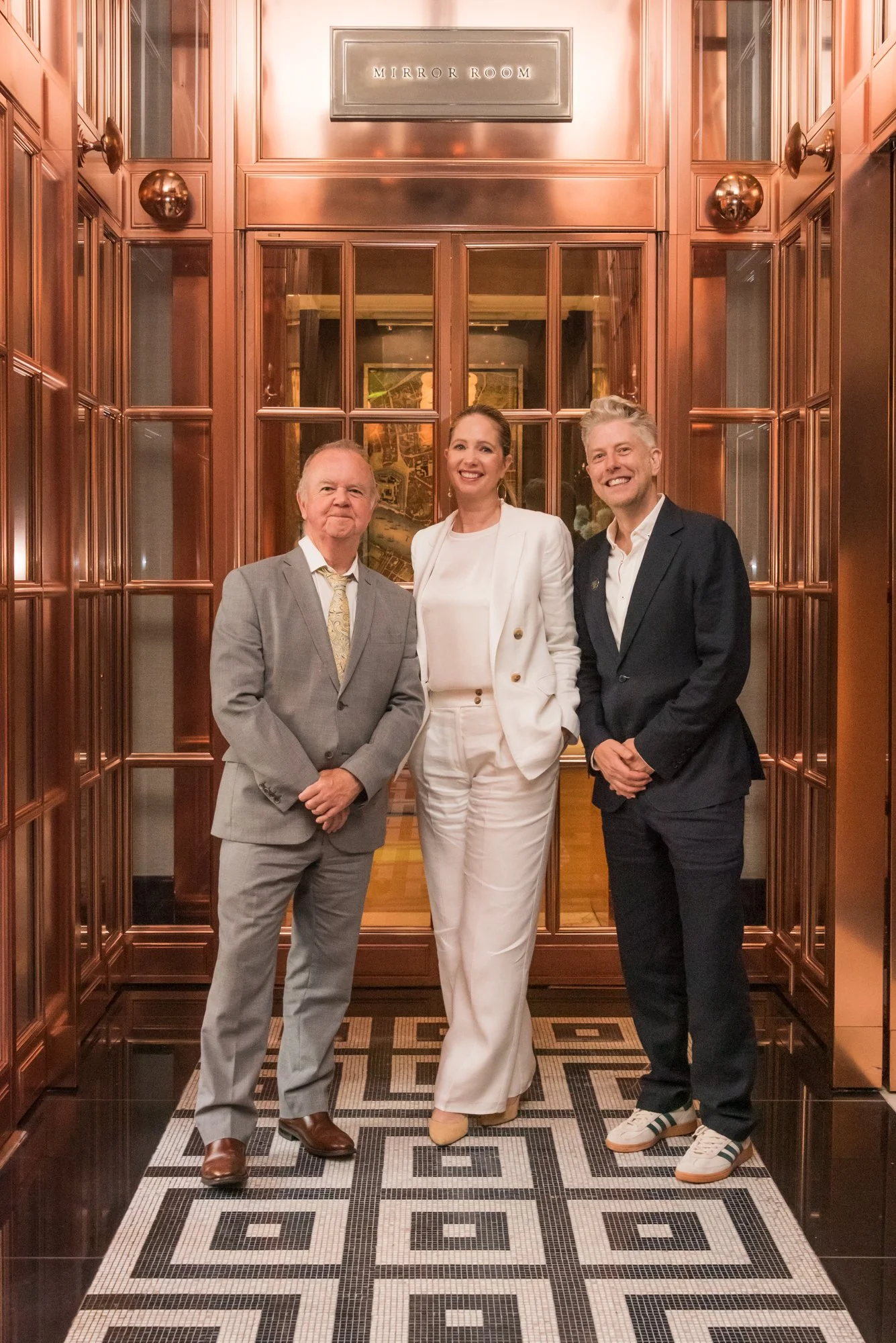
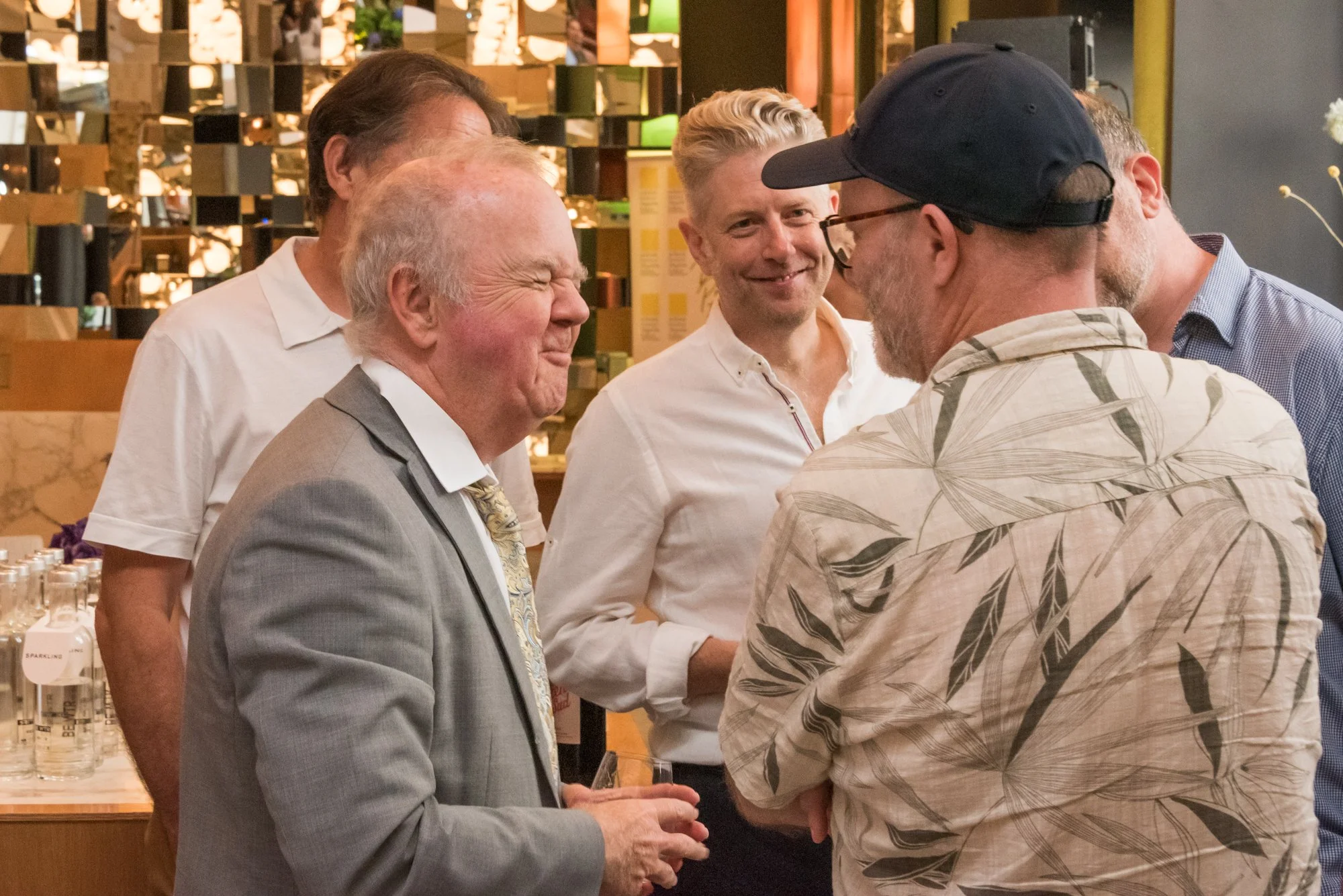
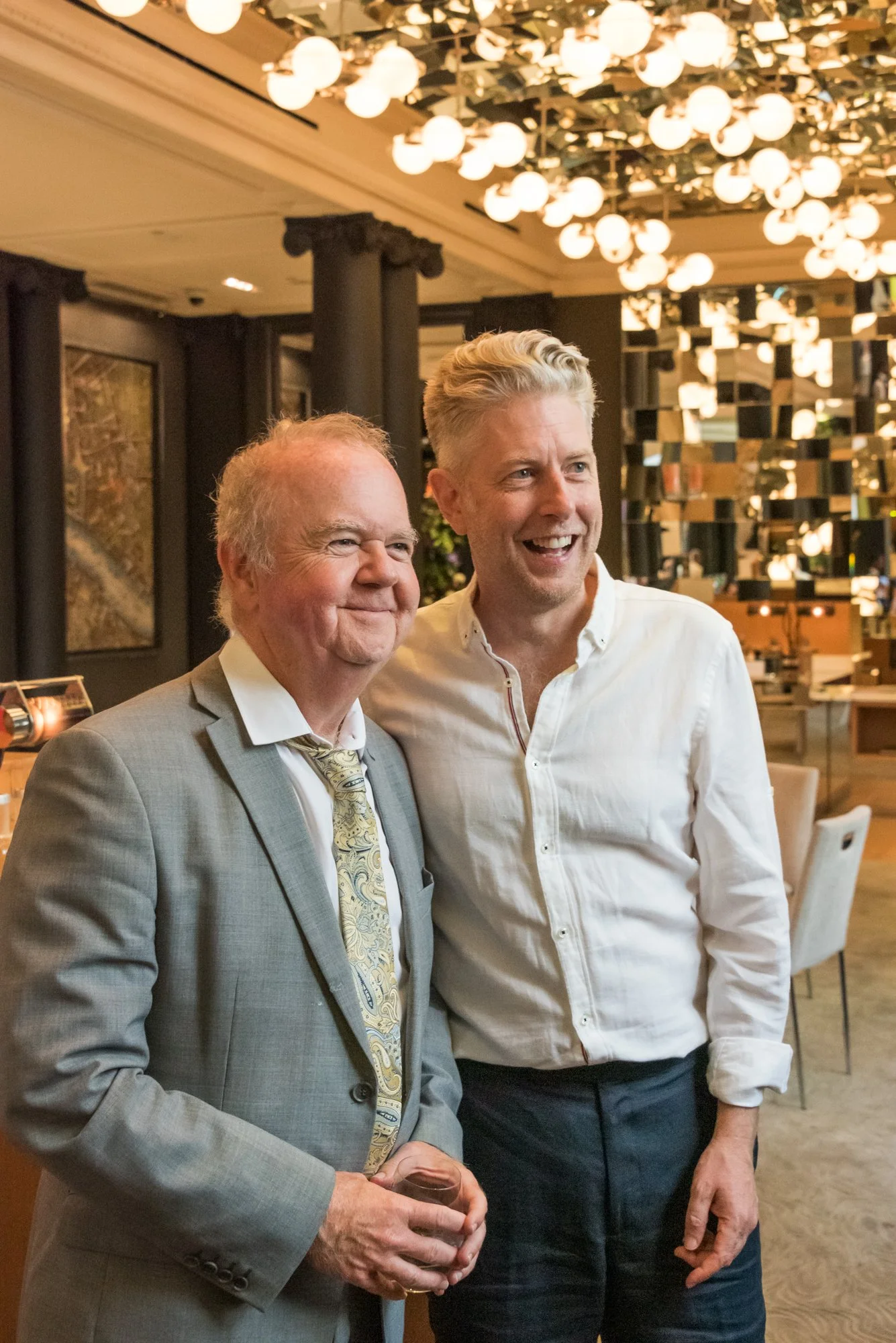
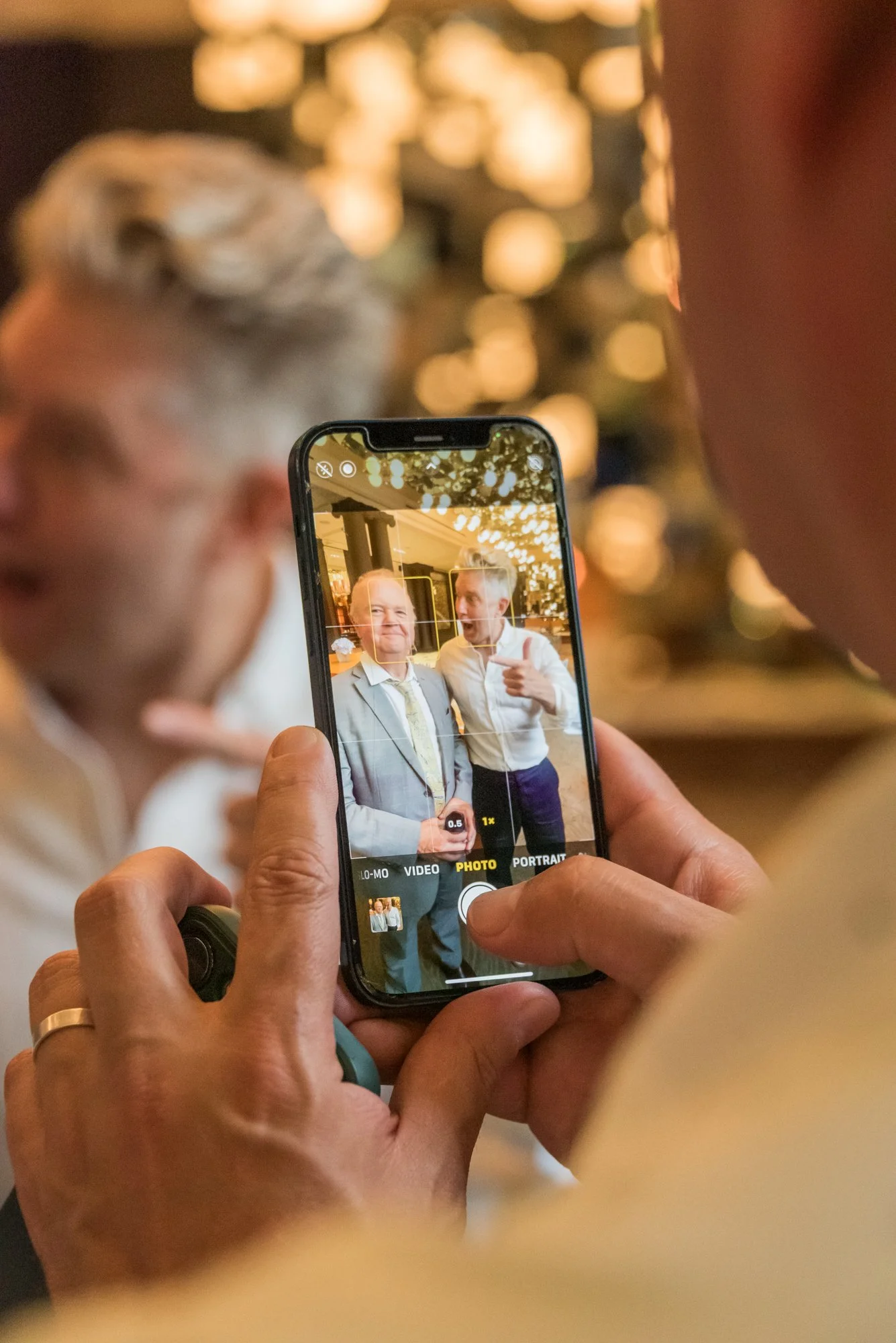
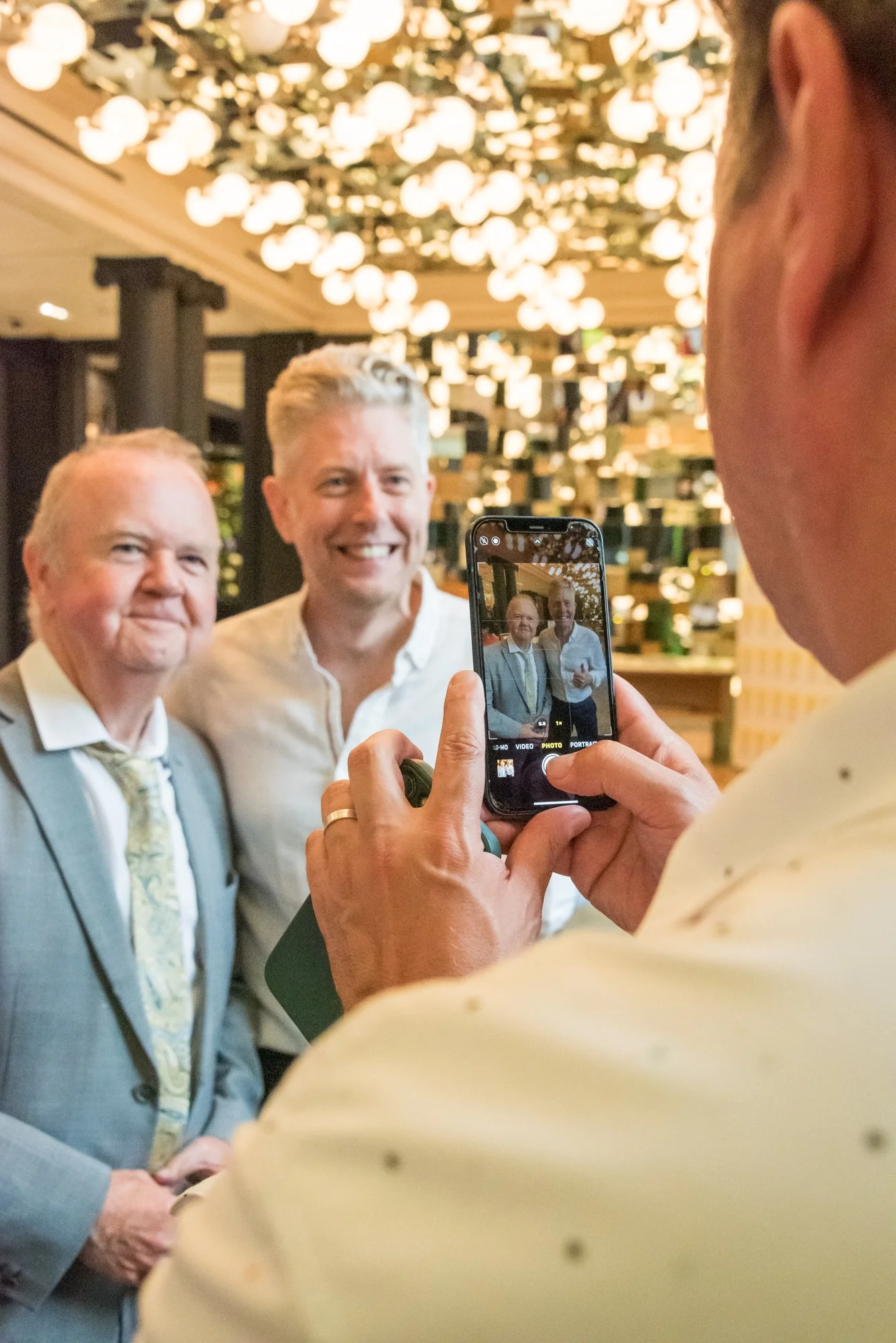
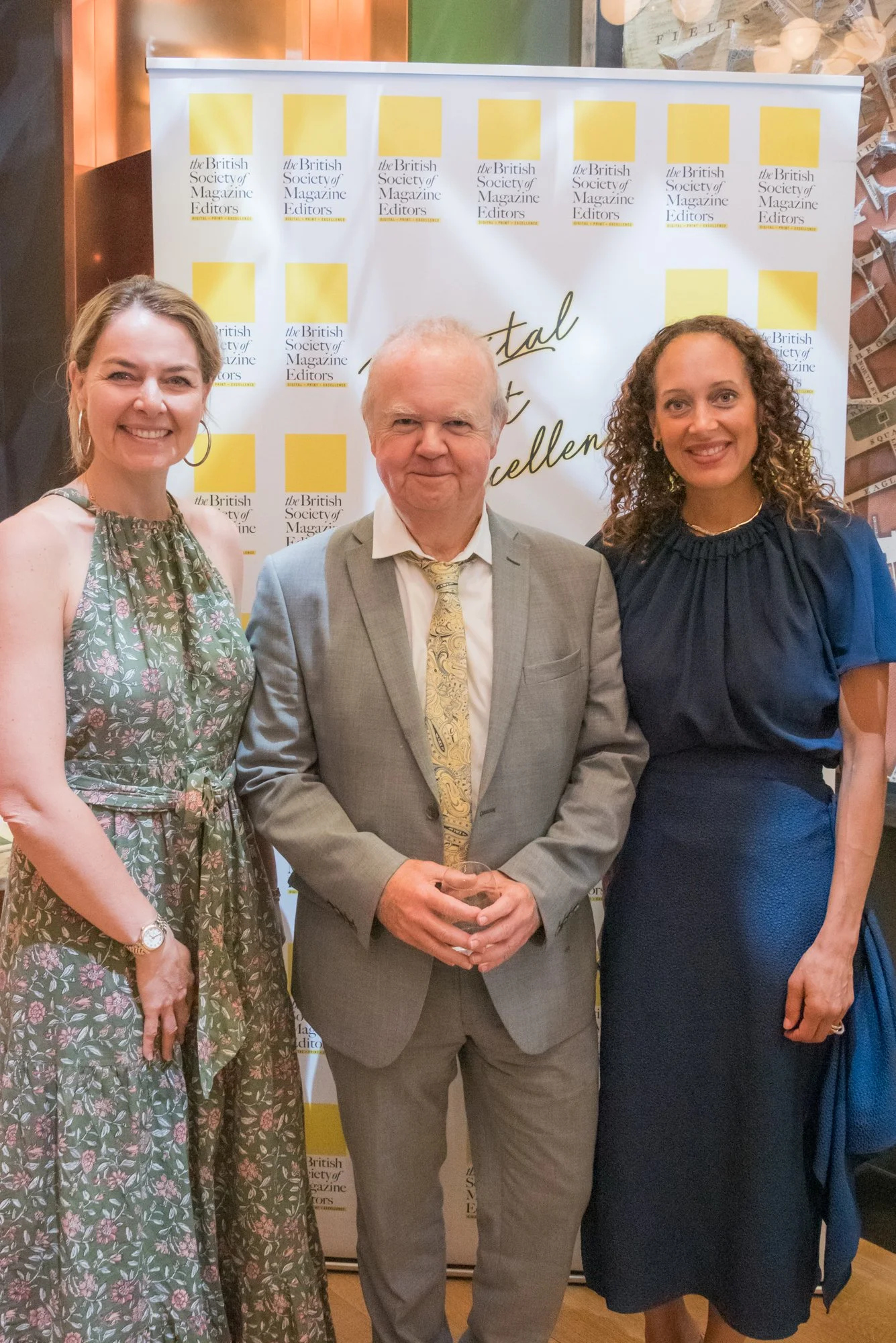
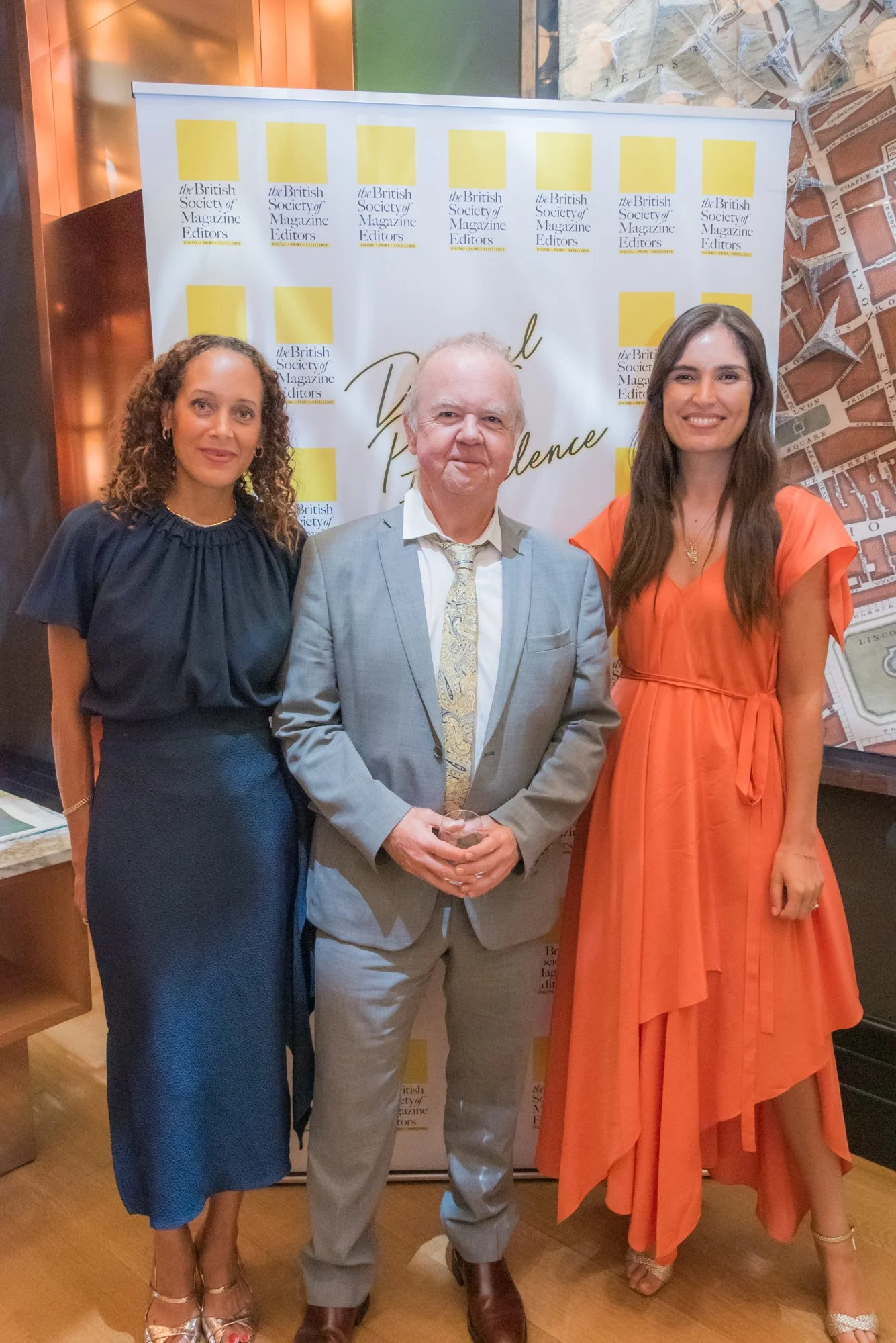
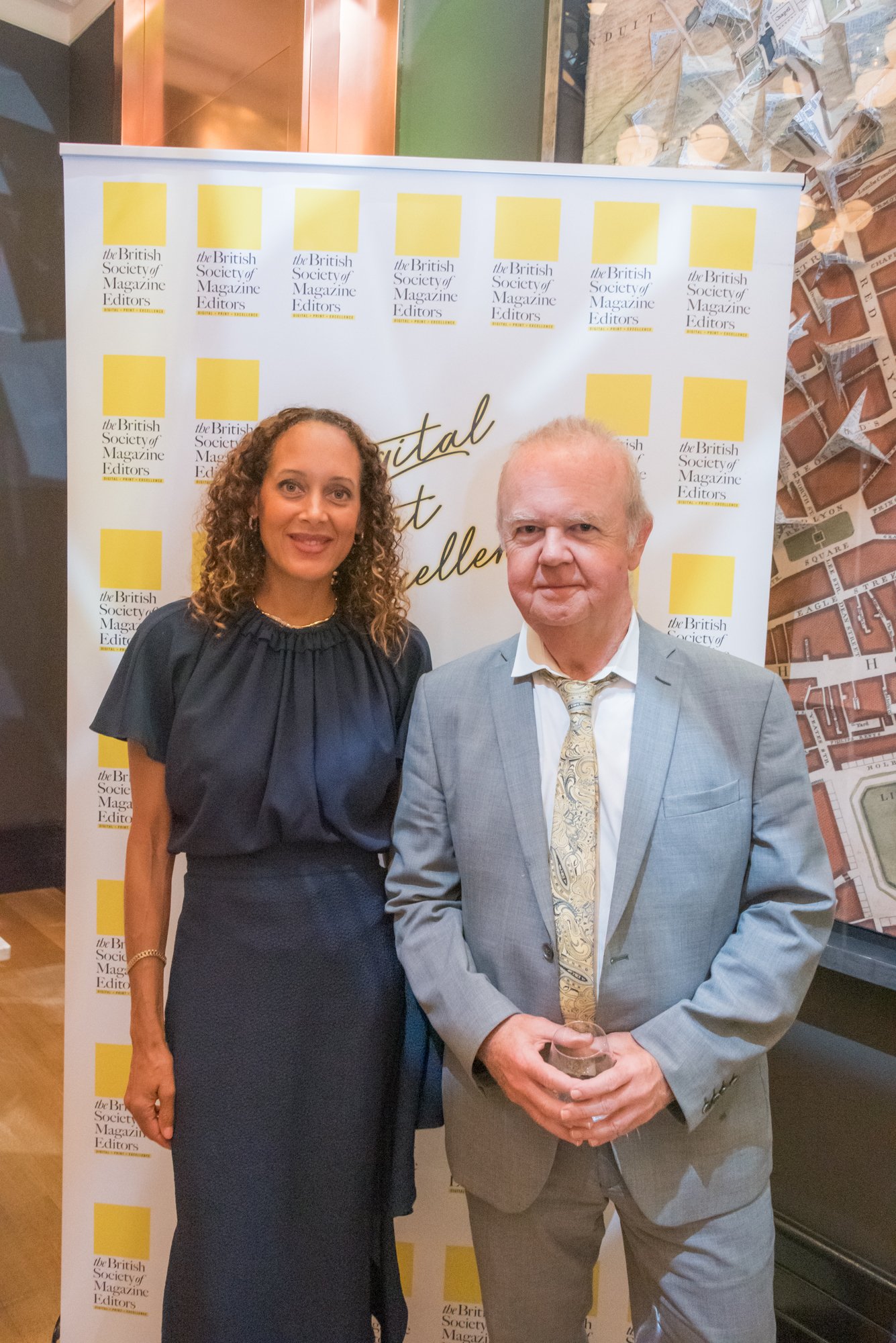
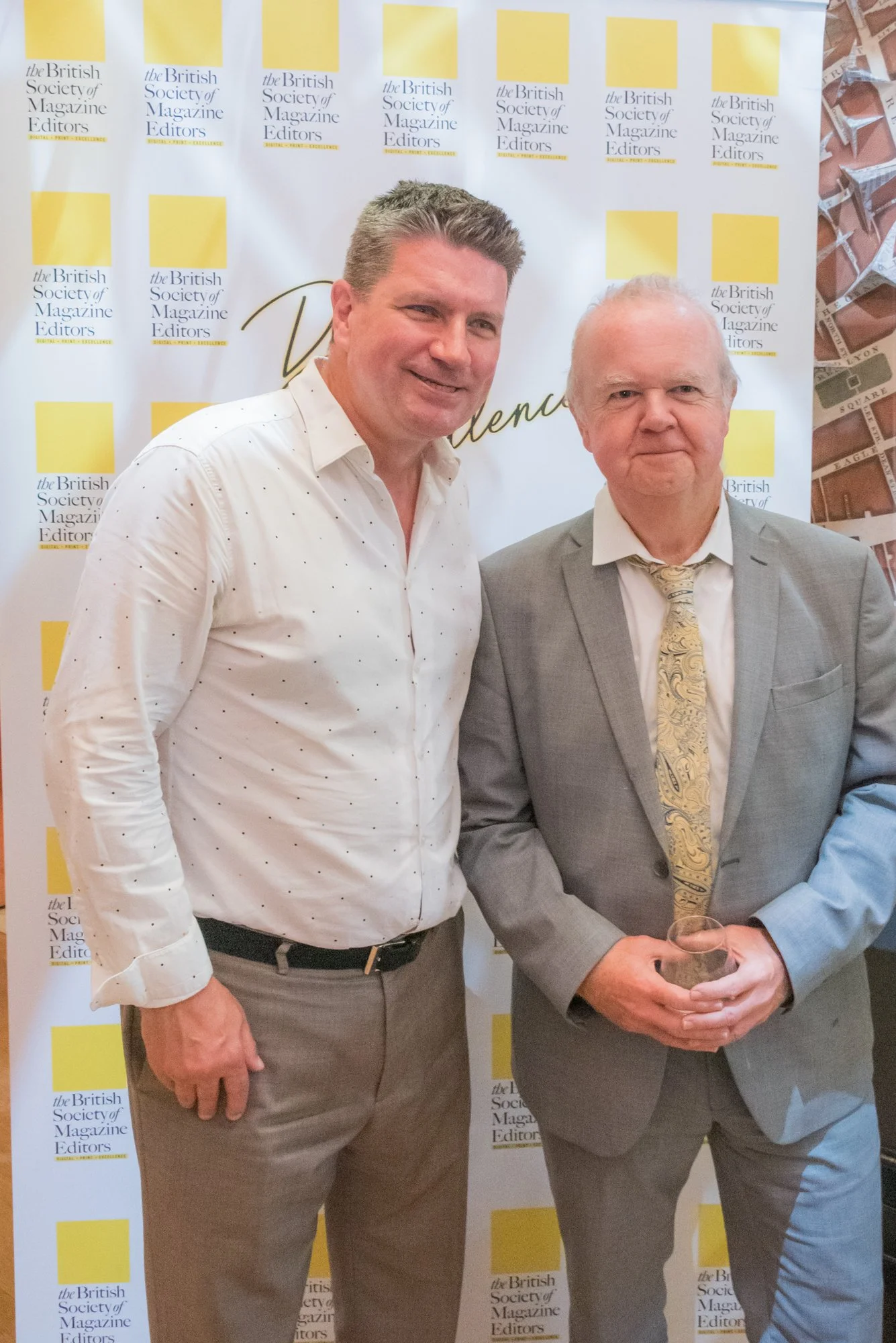
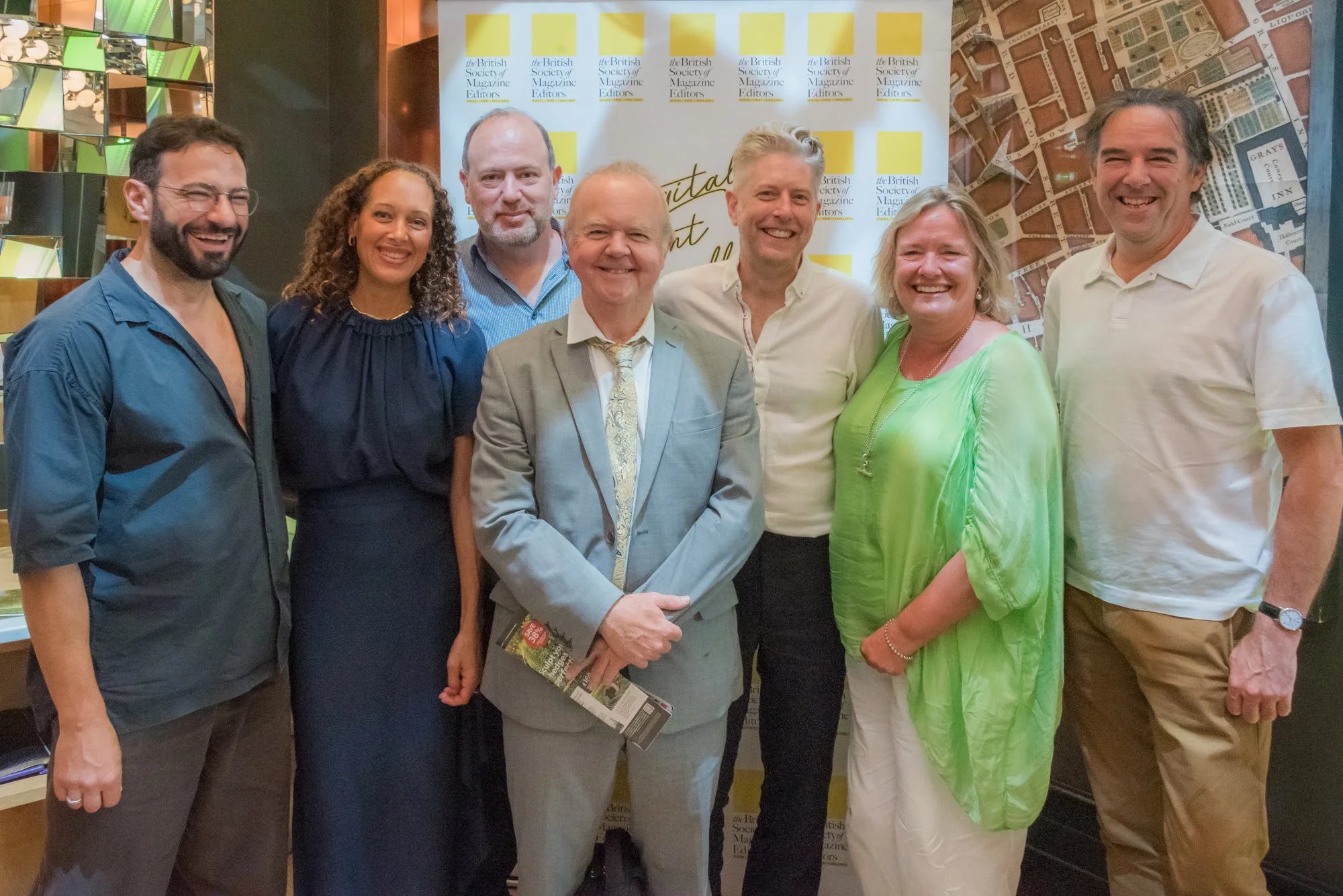
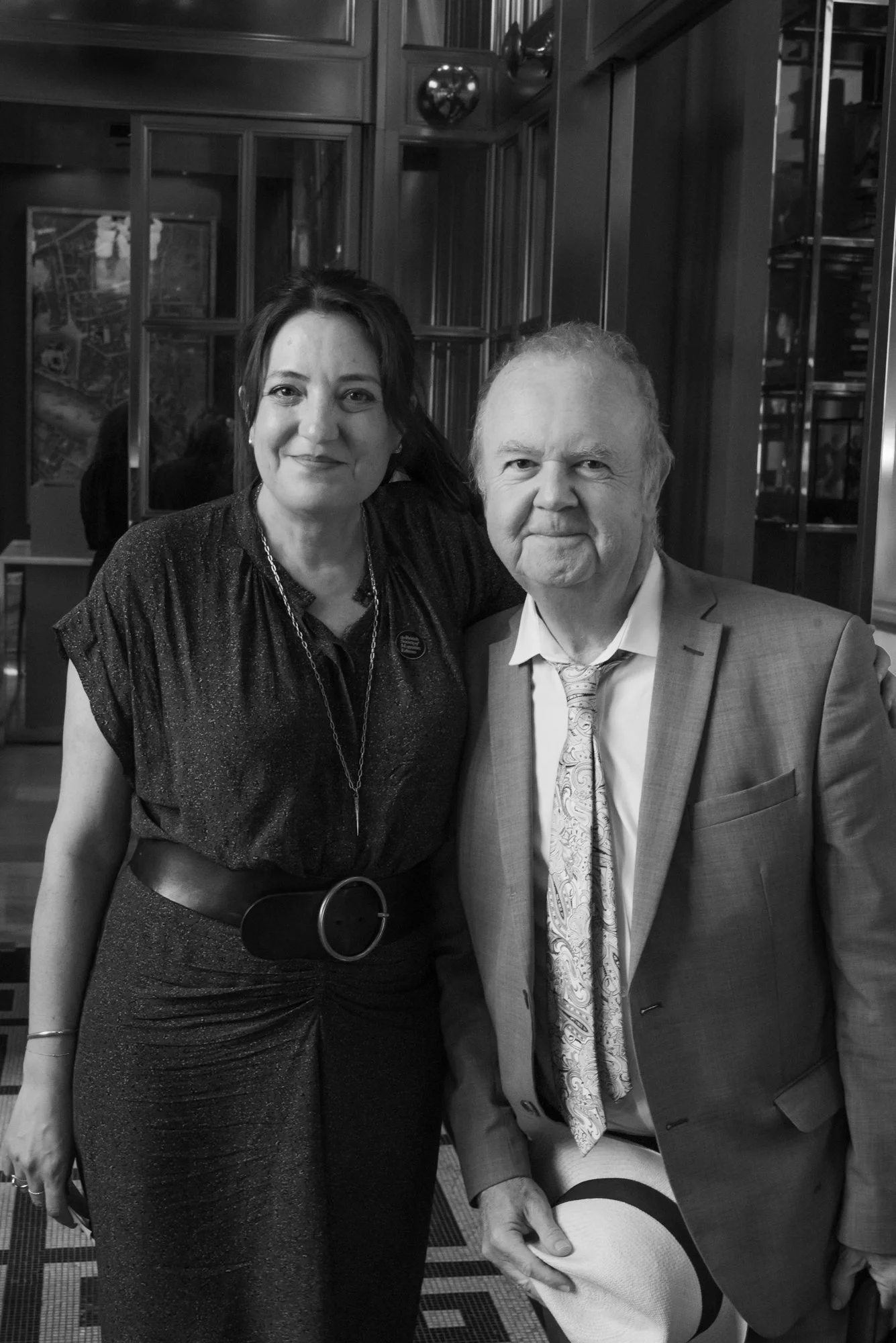
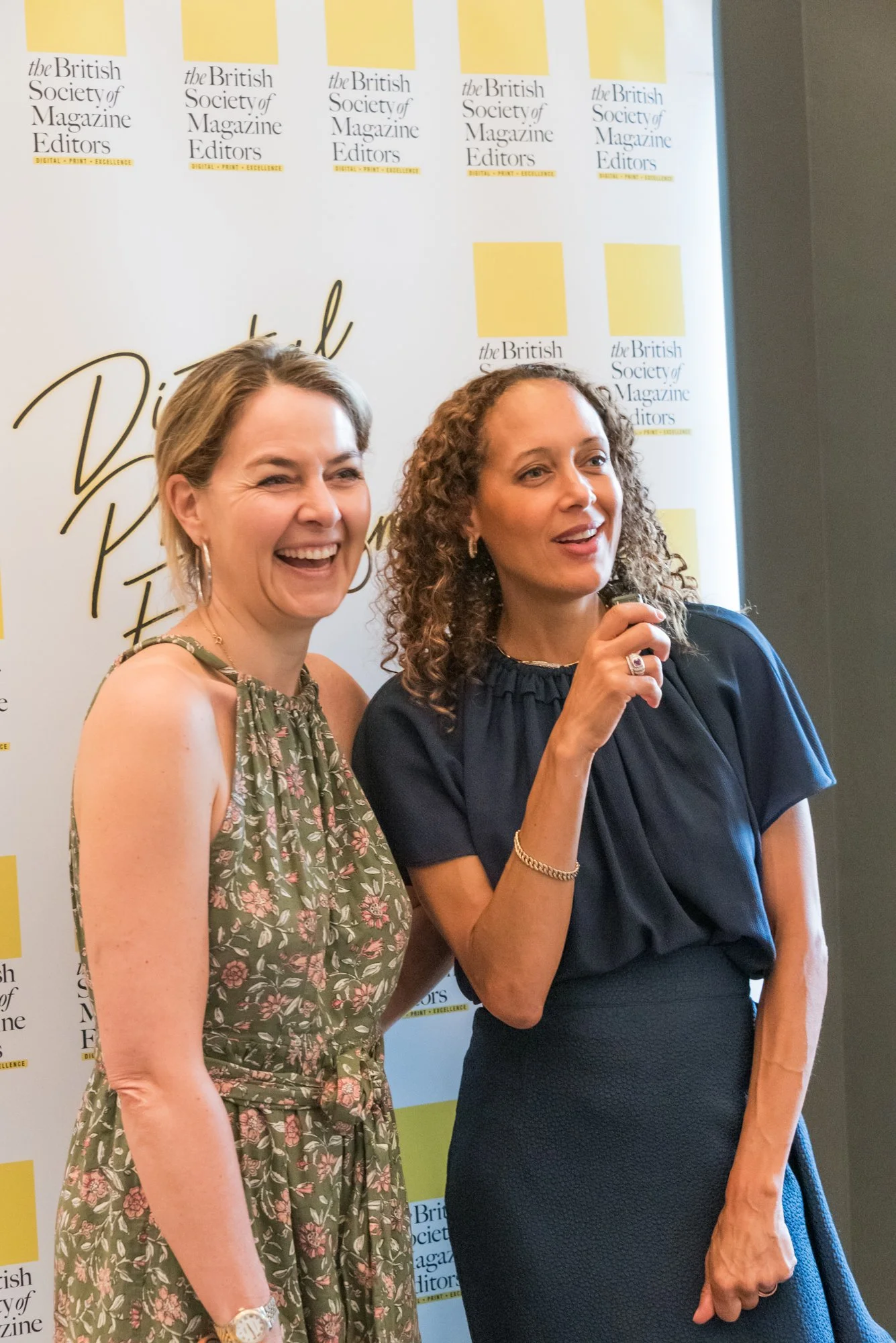
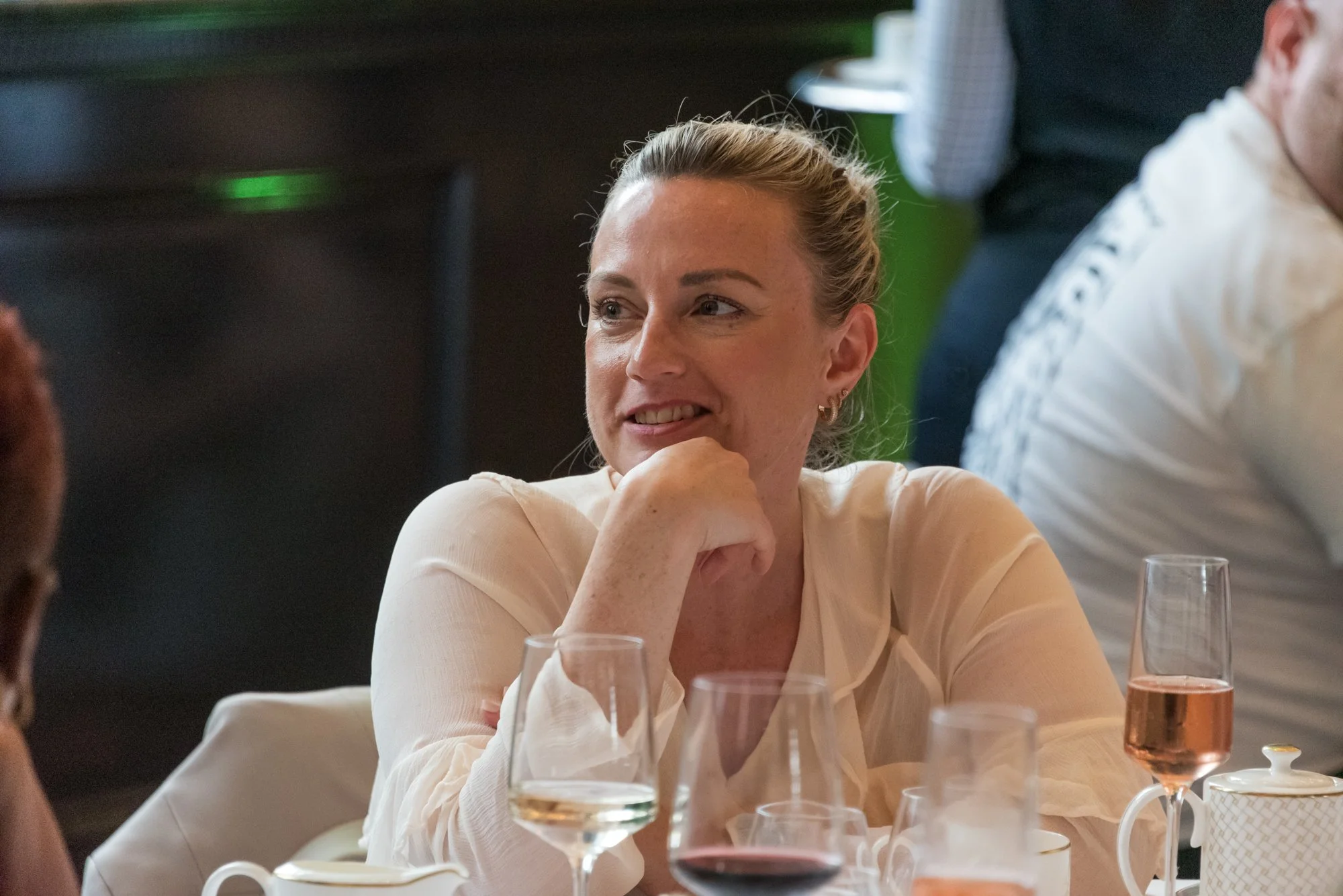
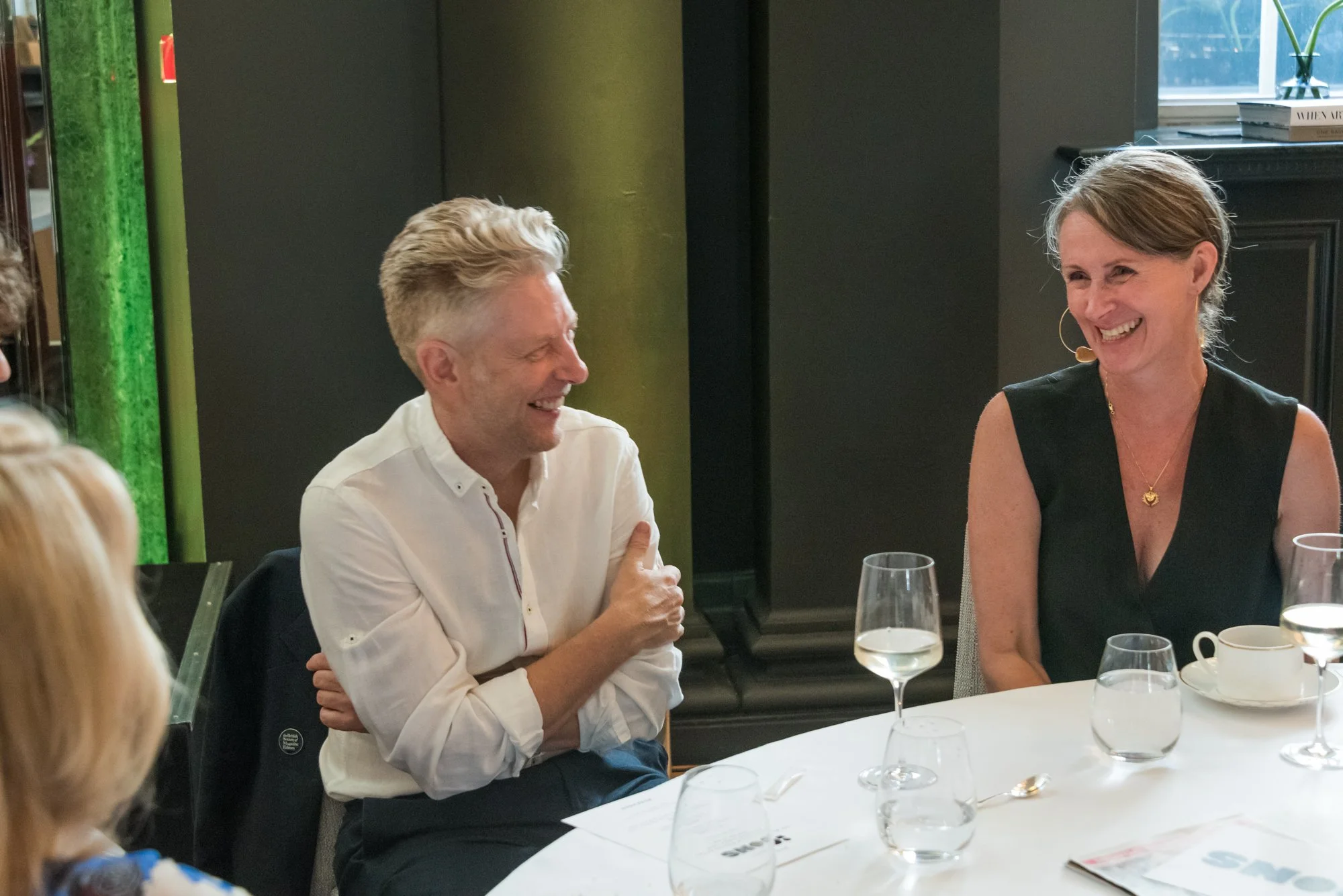
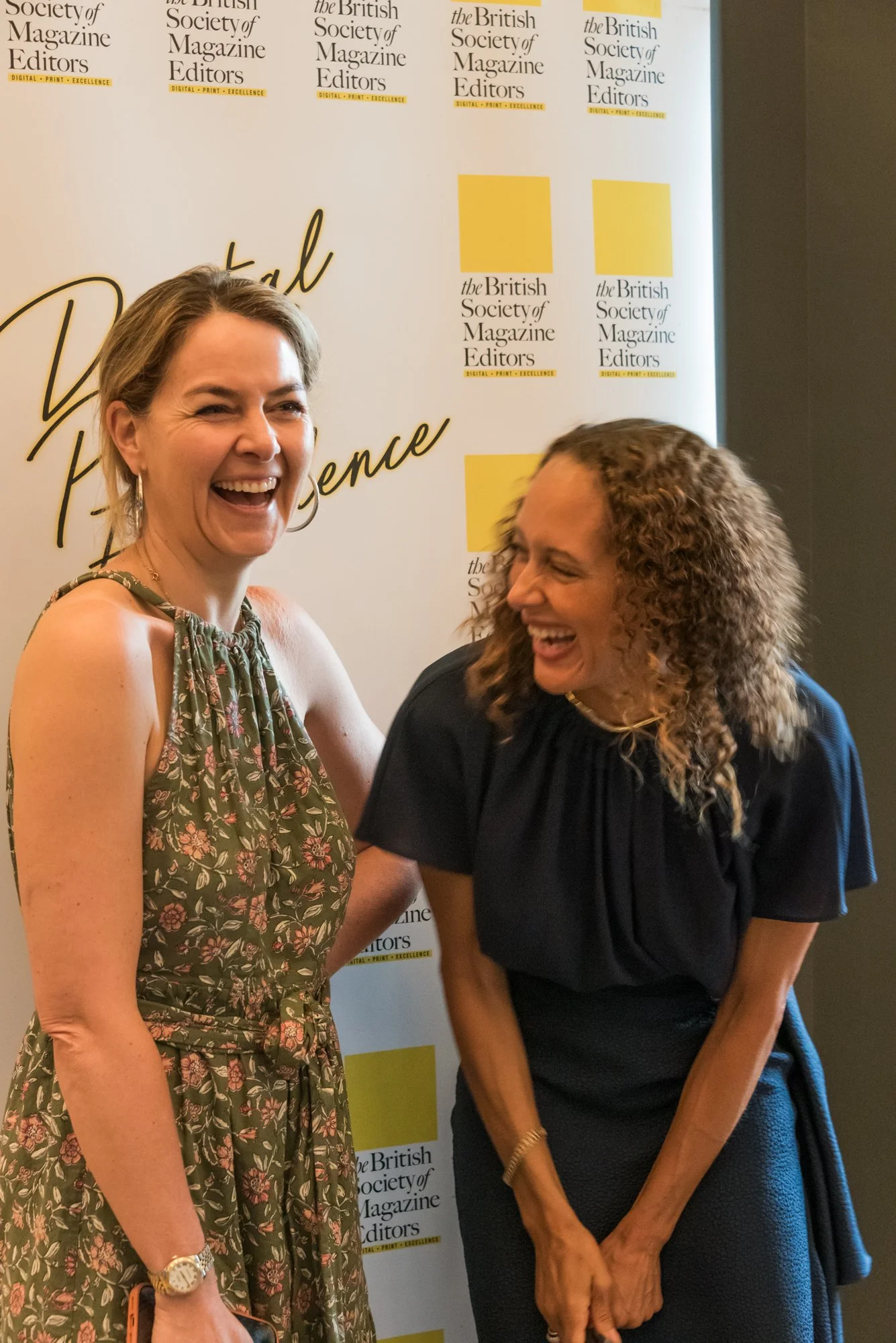
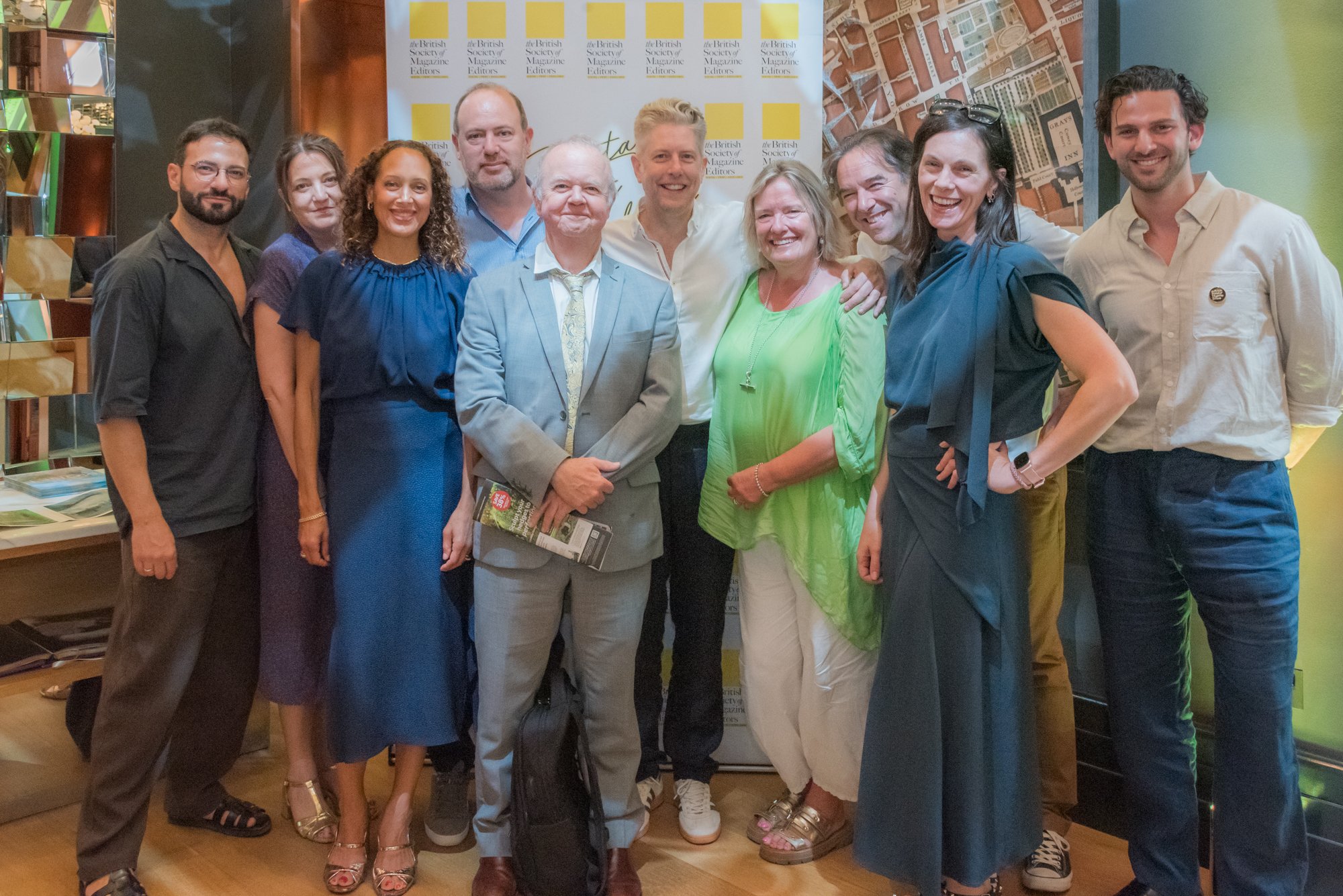
Dan Green took Hislop back to his start as the editor of Private Eye. Aged just 26, Hislop had to make his mark, building a team who he believed “could make the journalism work.” Now, nearly 40 years later, he runs a loyal team. “People don't leave The Eye now, they die,” he joked. “Or they retire, reluctantly.”
A one-time record holder as the most sued man in English legal history, Hislop has seen his fair share of libel cases over the years. One of his most famous quotes, “If that’s justice, then I’m a banana”, came after he was ordered by a court to pay £600,000 in damages to Mrs Sonia Sutcliffe, the former wife of serial killer Peter Sutcliffe. “I nearly bankrupted the magazine in one day,” he recalled.
Hislop also explained that libel laws are one reason for Private Eyes' unique, byline-less format, which shifts responsibility to the magazine and the editor. “Which is fine, because it's usually my fault,” he laughed.
And while it is those very jokes that have kept Private Eye so successful over the years, every now and again they have also been the target of criticism. Covers such as “Media to Blame” after Diana’s death, poked fun at the public’s response to the events, and many newsagents refused to sell the “Boris Johnson Memorial Issue”, which was illustrated by a picture of an overflowing toilet.
Hislop, however, revealed that he does not regret those controversial covers. “The ones I think I meant to, I don't,” he said. What he hates, however, is getting things wrong. “If people don't believe the stories you run, then you've lost it.”
As he took questions from the guests, Hislop struck an optimistic tone for the future of journalism. He quipped that he'd recently read that podcasts were allowing listeners to get transcripts of their episodes – “I’m thinking, that’s called a piece,” he laughed, “It's journalism. We're back!”
Key Takeaways:
1- Break the rules. Private Eye’s format is unique – there are no bylines, the headlines are frequently obscure and new readers may need time to adjust. However, Hislop is confident that this is why it works. “If you do it right, your magazine is a club,” he explained. “If you follow it, if you stick with us, you get these jokes. You enjoy these jokes.”
2- Don't be shy. Believe in what you create, and take risks. “Every time I make a decision which I think is too bold, it seems to be the right one,” Hislop said. “Timidity is the thing that kills you.”
3- The old jokes are the best. The latest issue of Private Eye features a cartoon of Prince Andrew reading about a prince being arrested, “Phew," he says, "It was a Norwegian!” Two centuries earlier, the caricaturist James Gillray told the same joke about King George III. “It's pamphlets, it's magazines, it's a world which I love,” said Hislop. “And I love the tradition of working in [English satire], of feeling we've been doing this for a long time.”
4- Print is not dead. Private Eye is the living proof – the fortnightly magazine consistently sells over 200,000 copies. “My optimism about print, as opposed to everything else in life, has always been rewarded,” said Hislop. “If you make it better, if you make it bigger, it will come.”
Photography and video production: David Cotter

