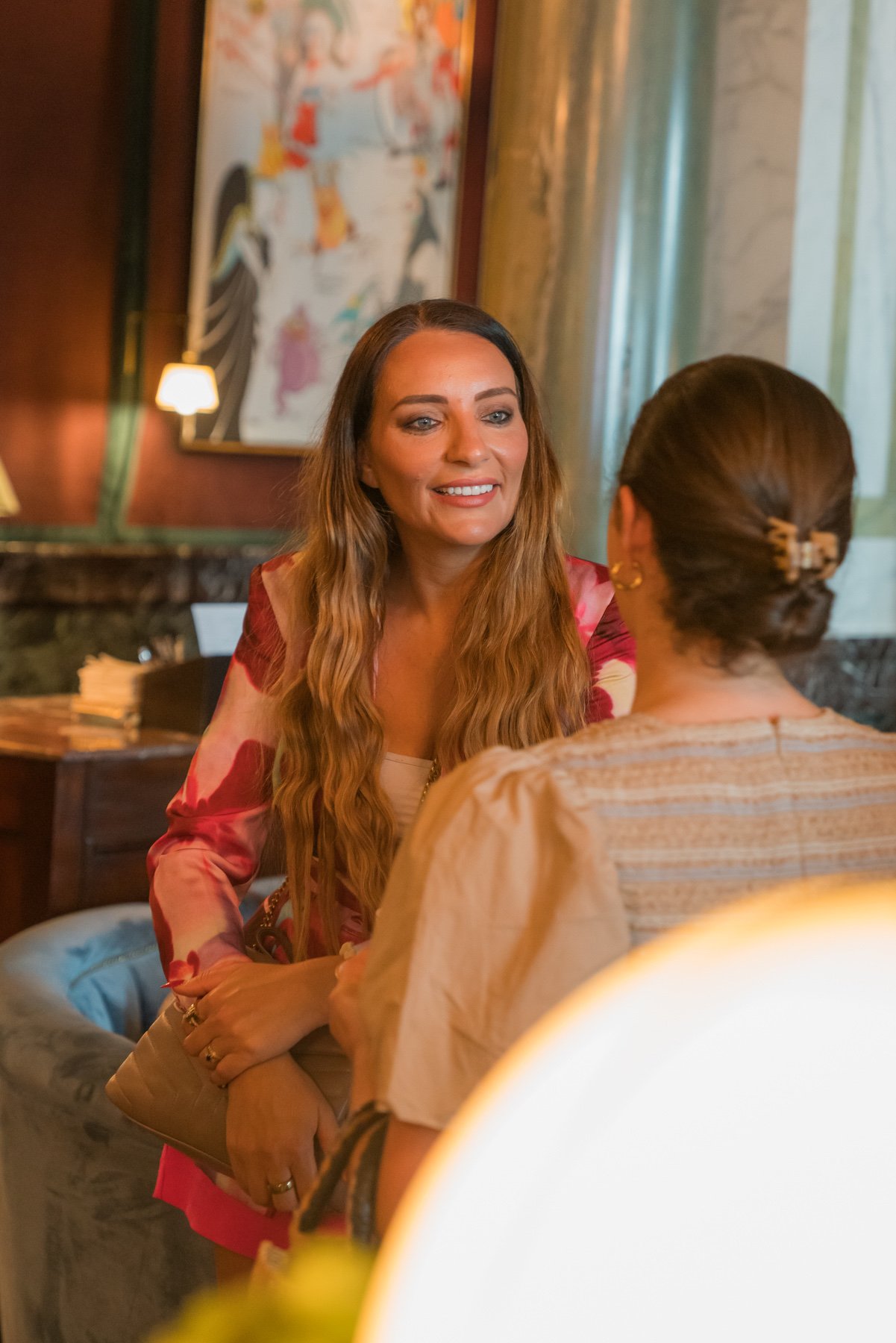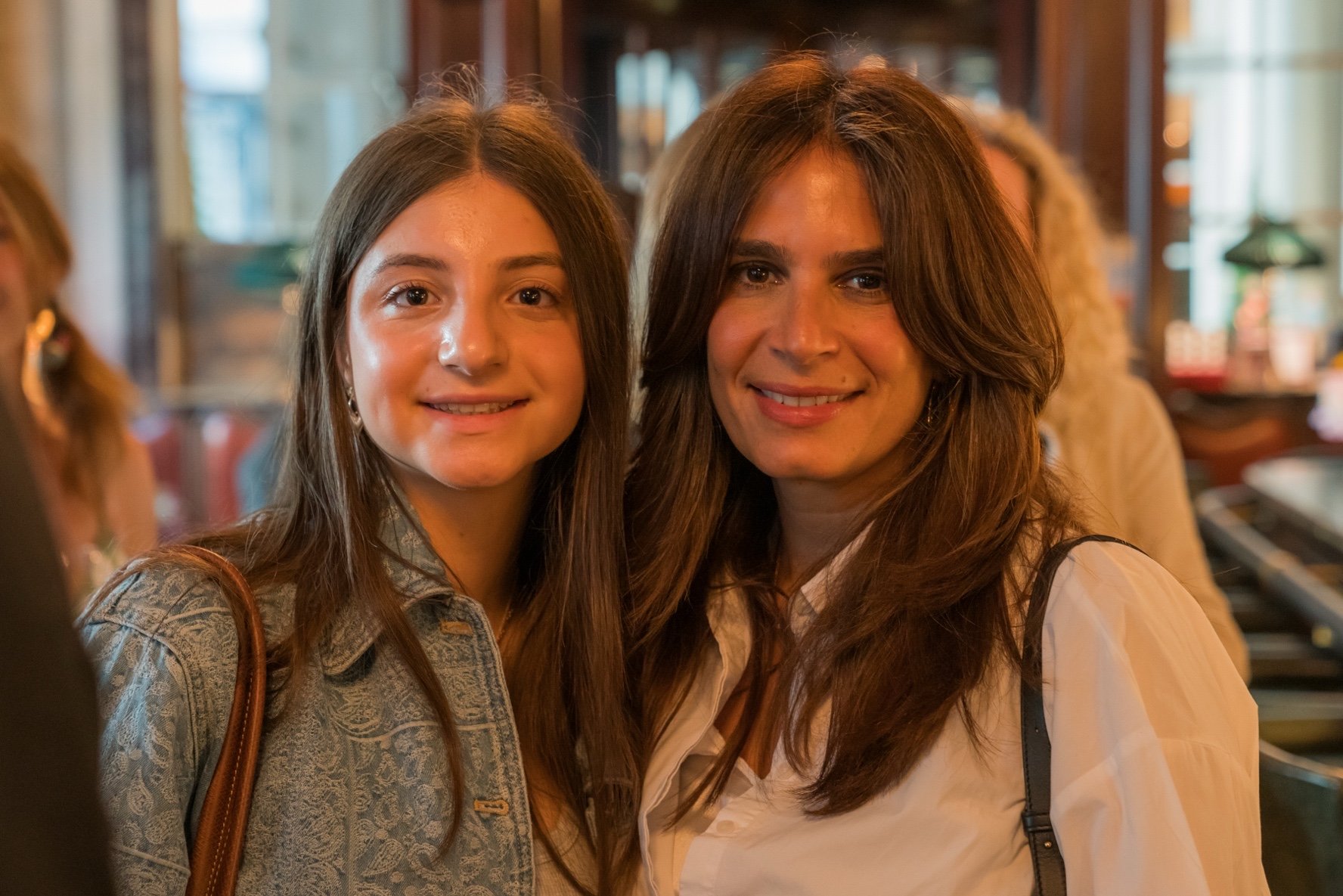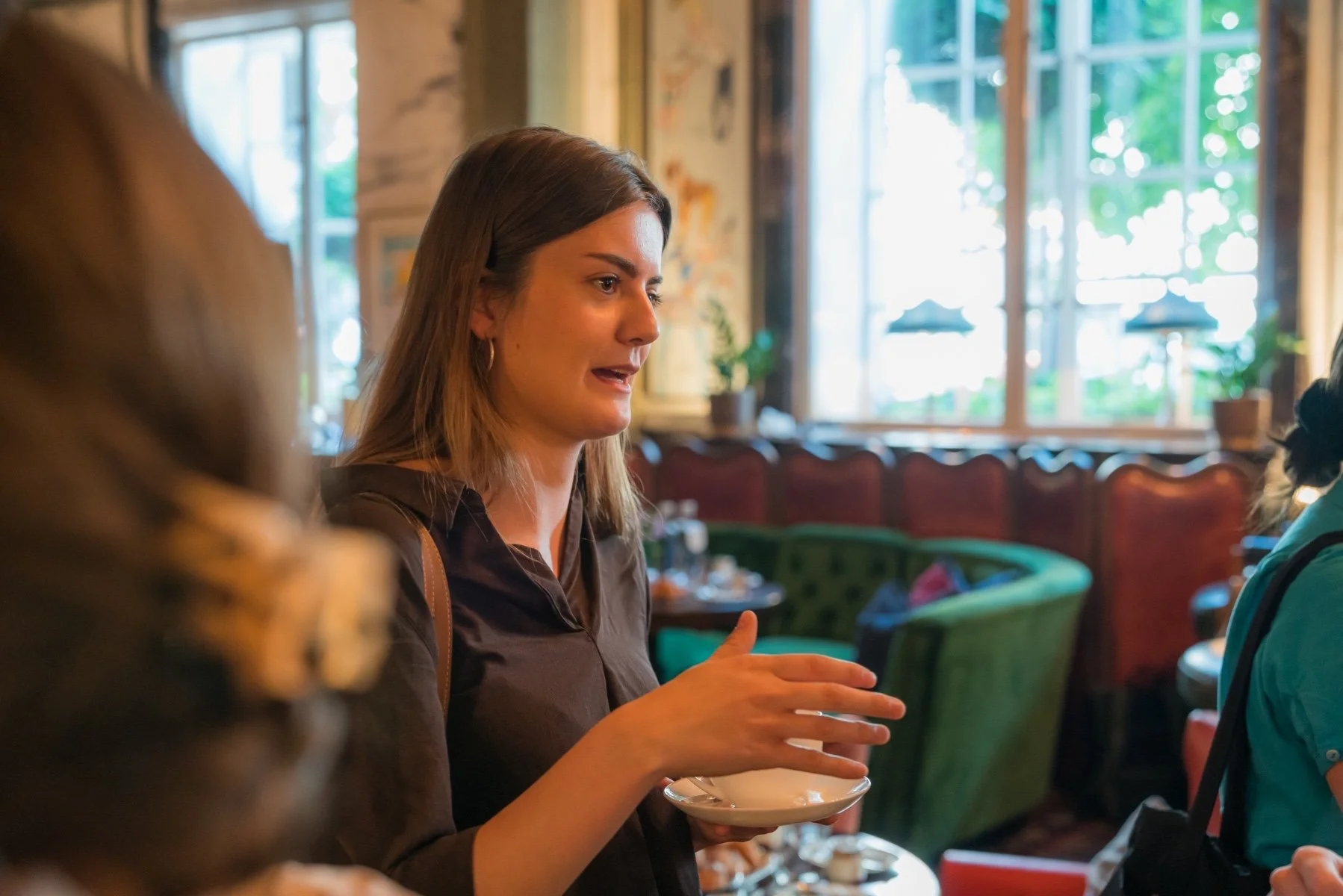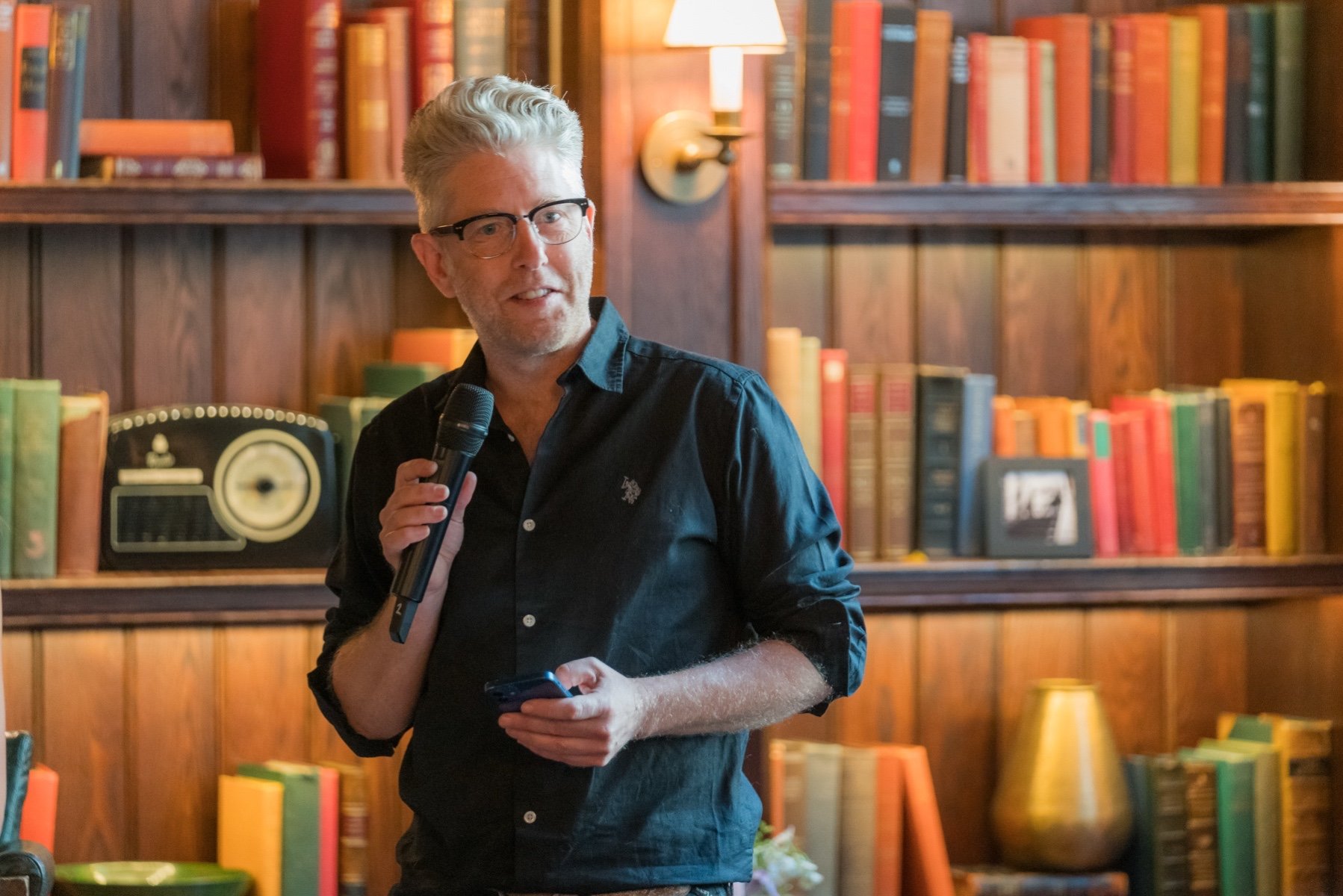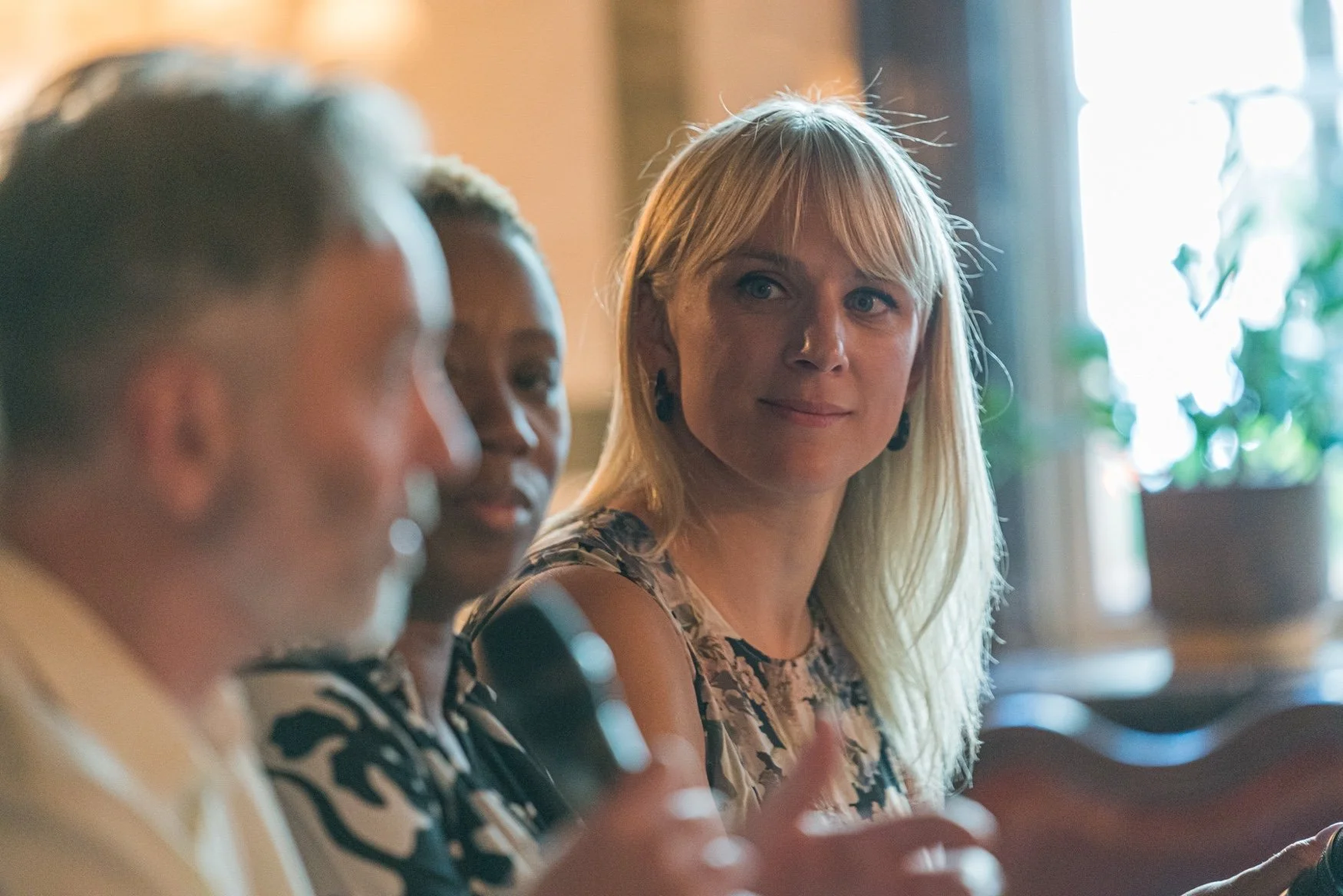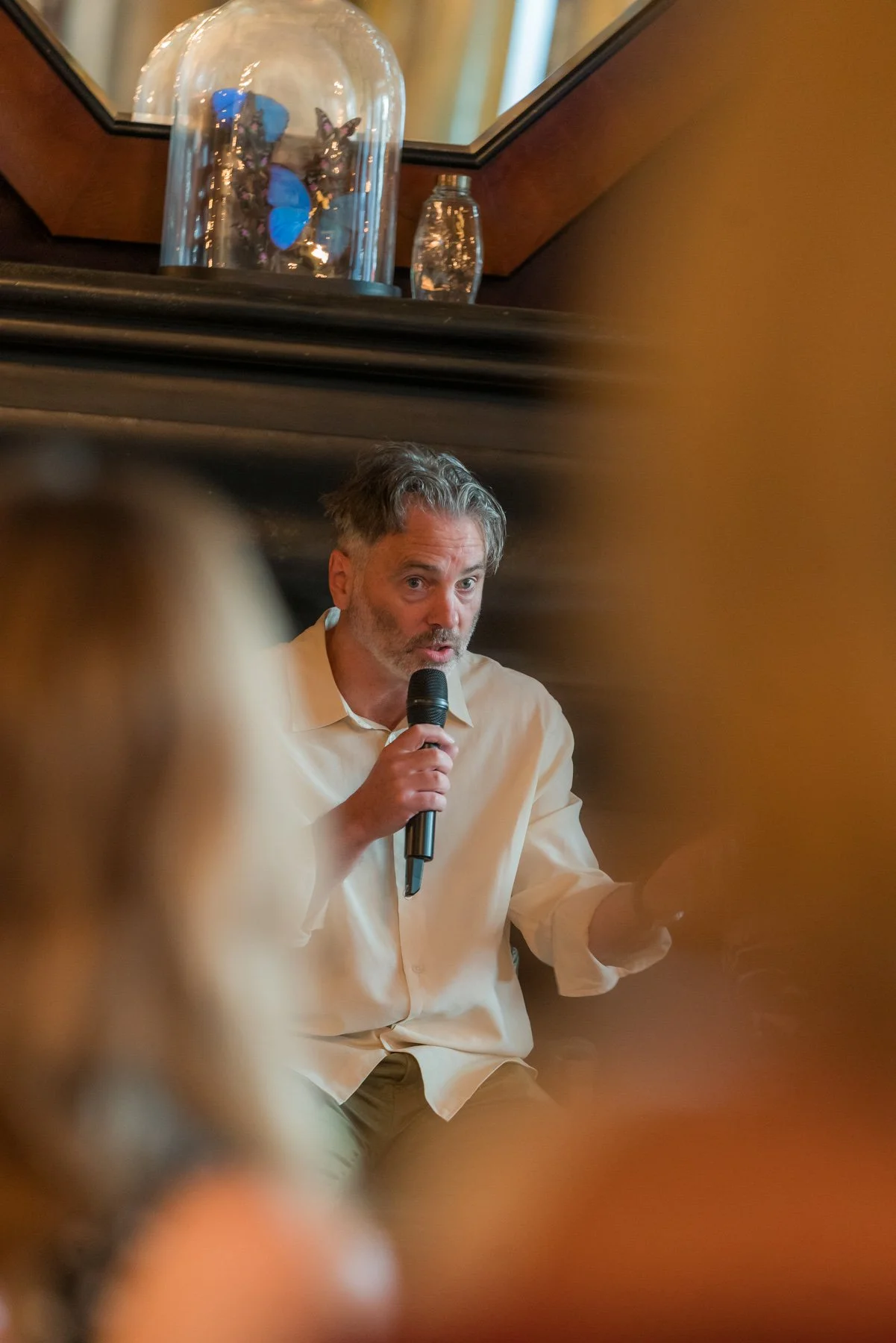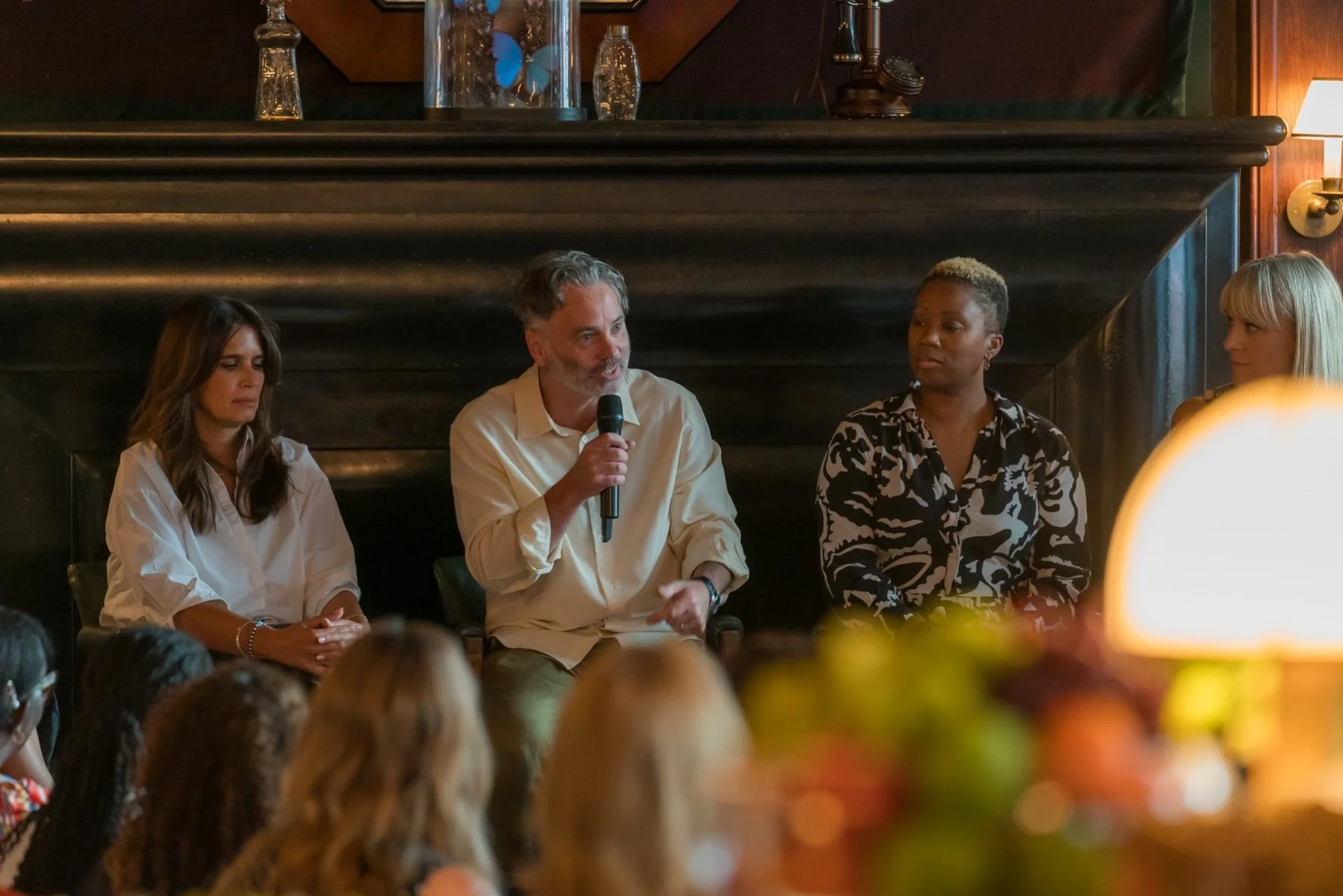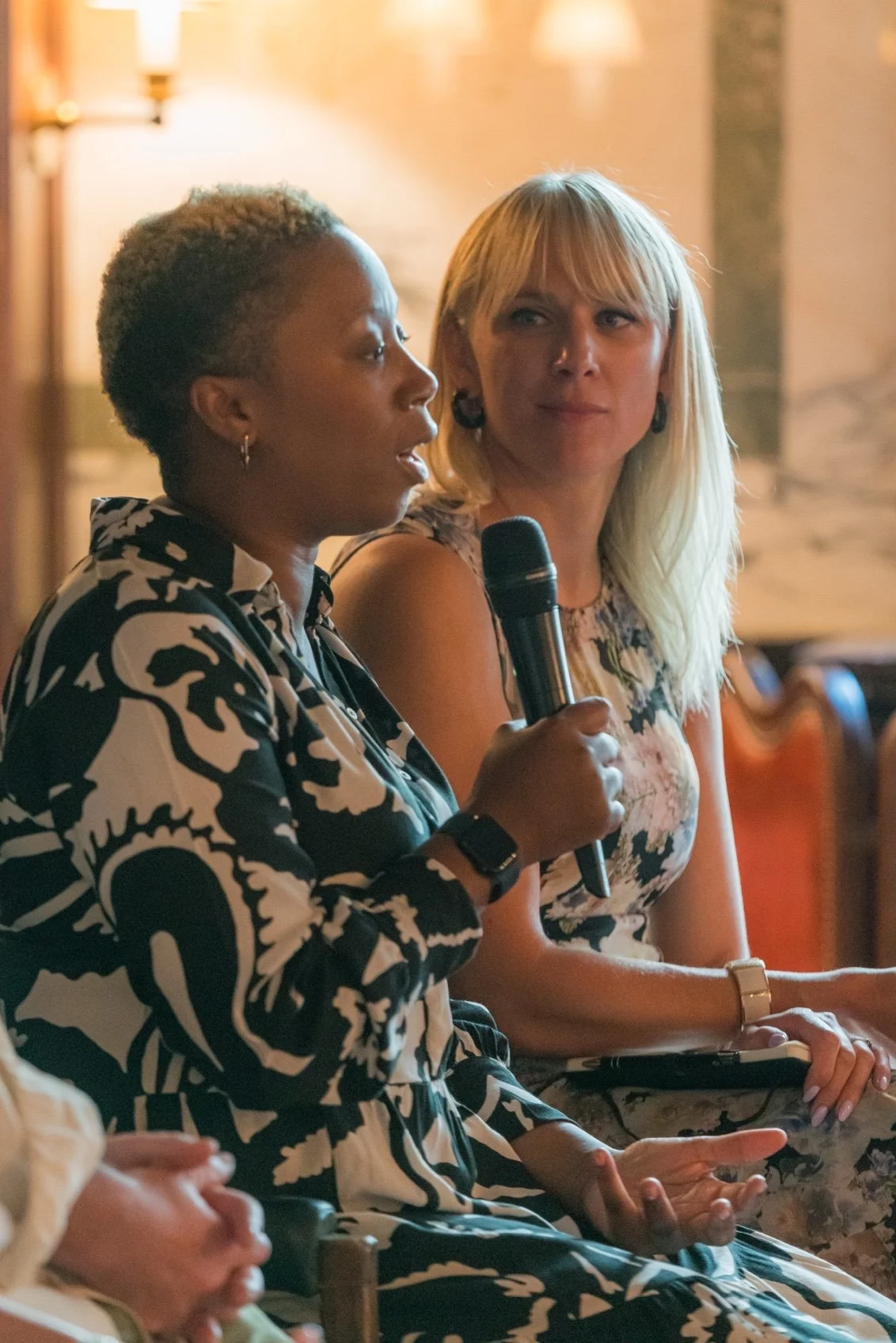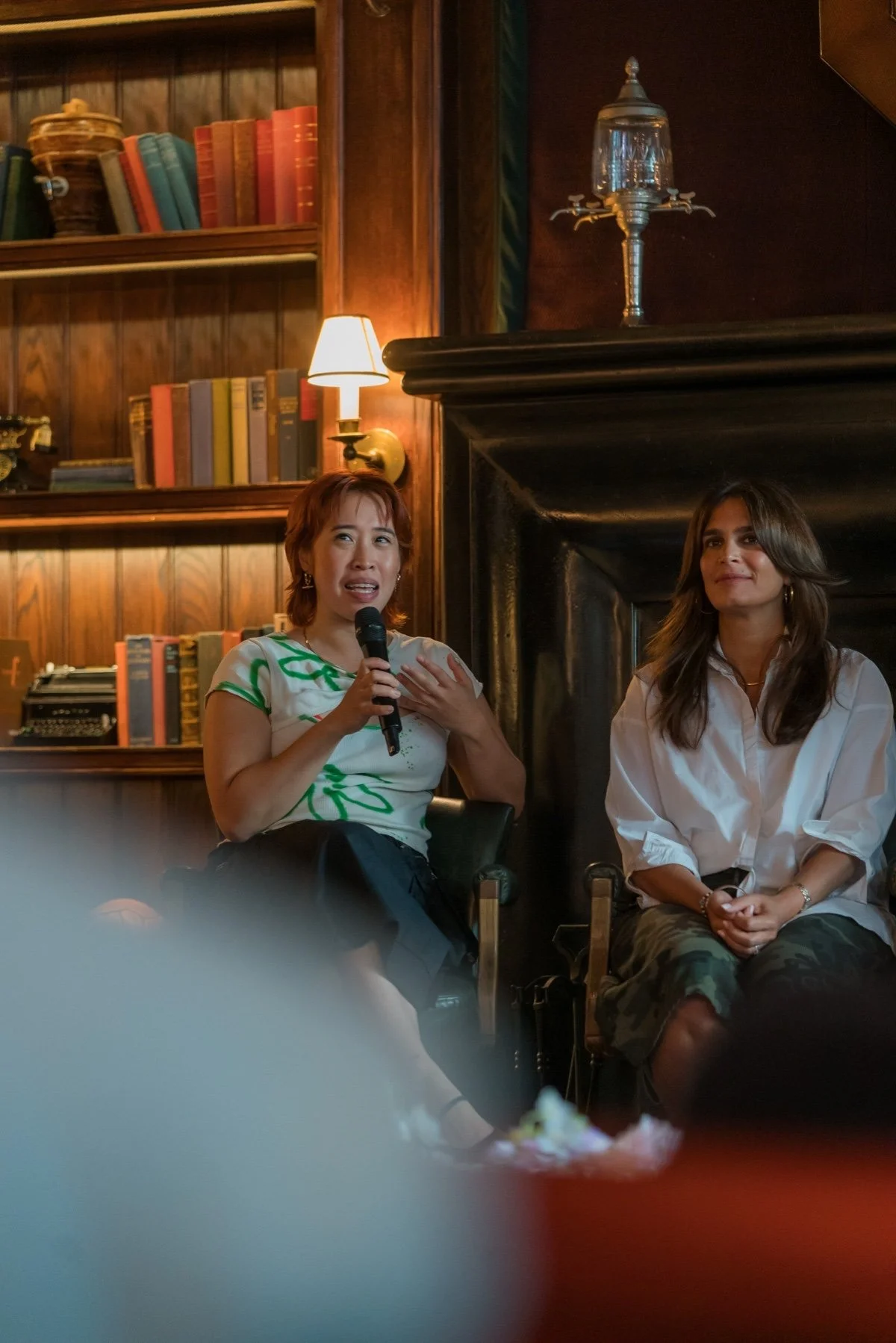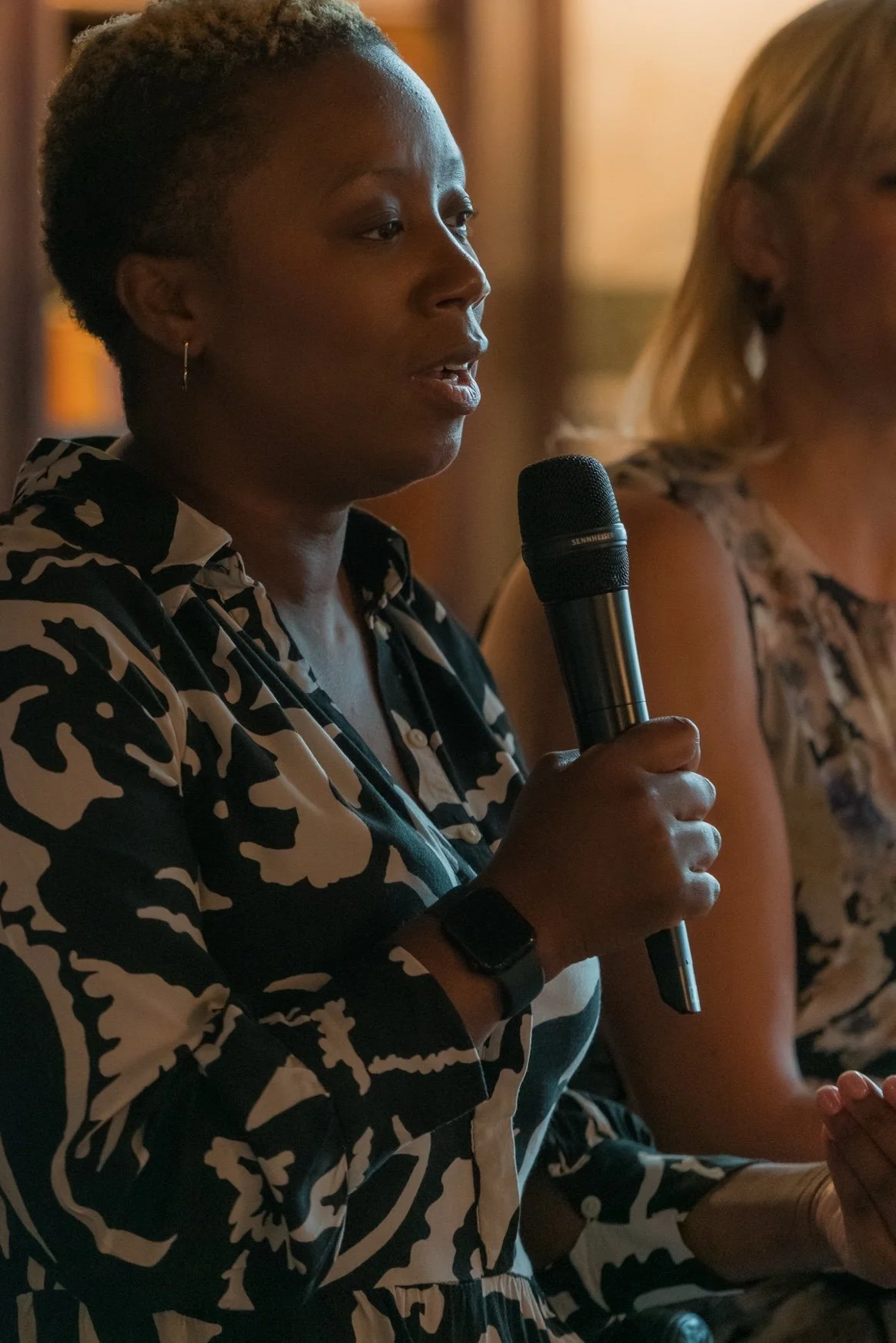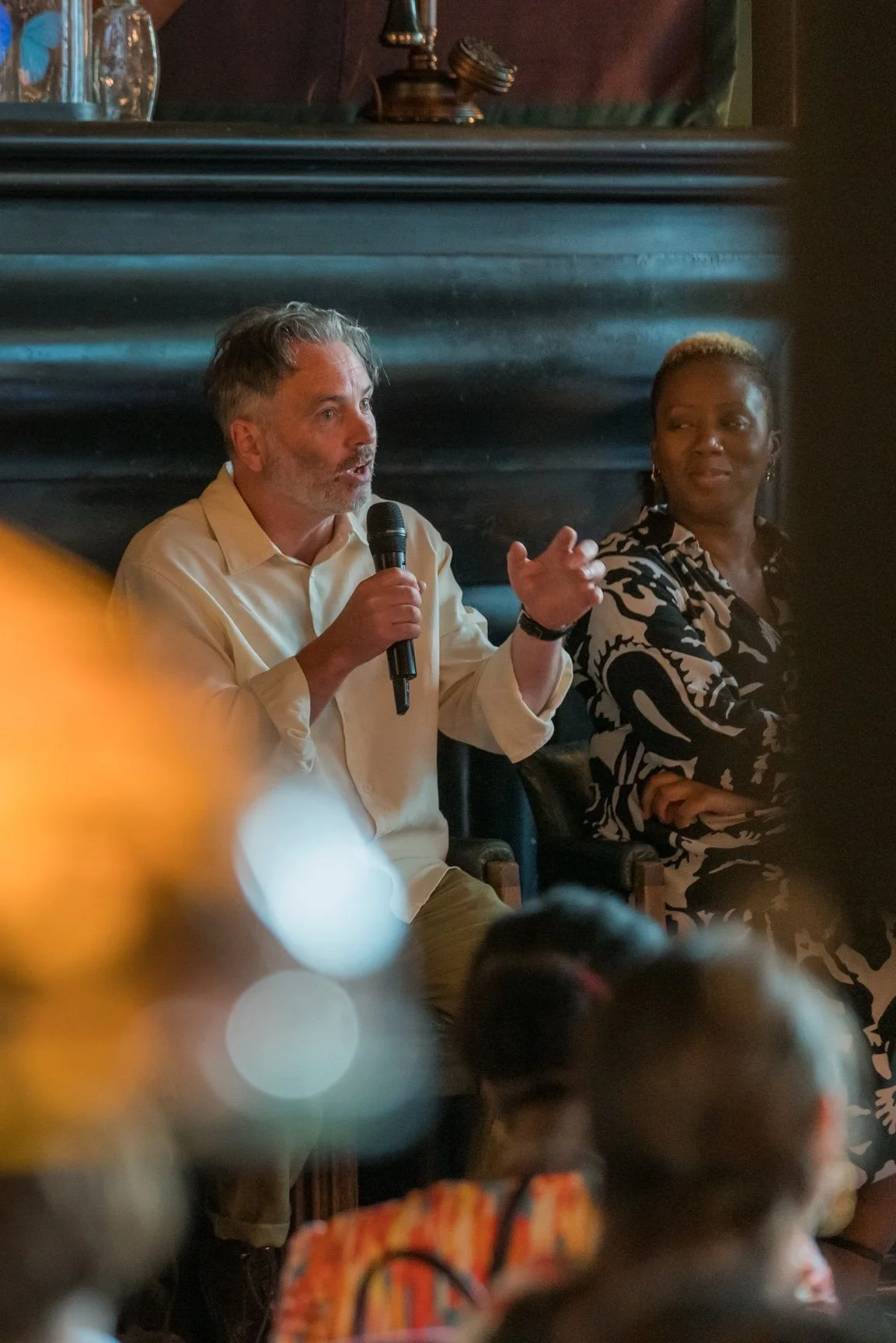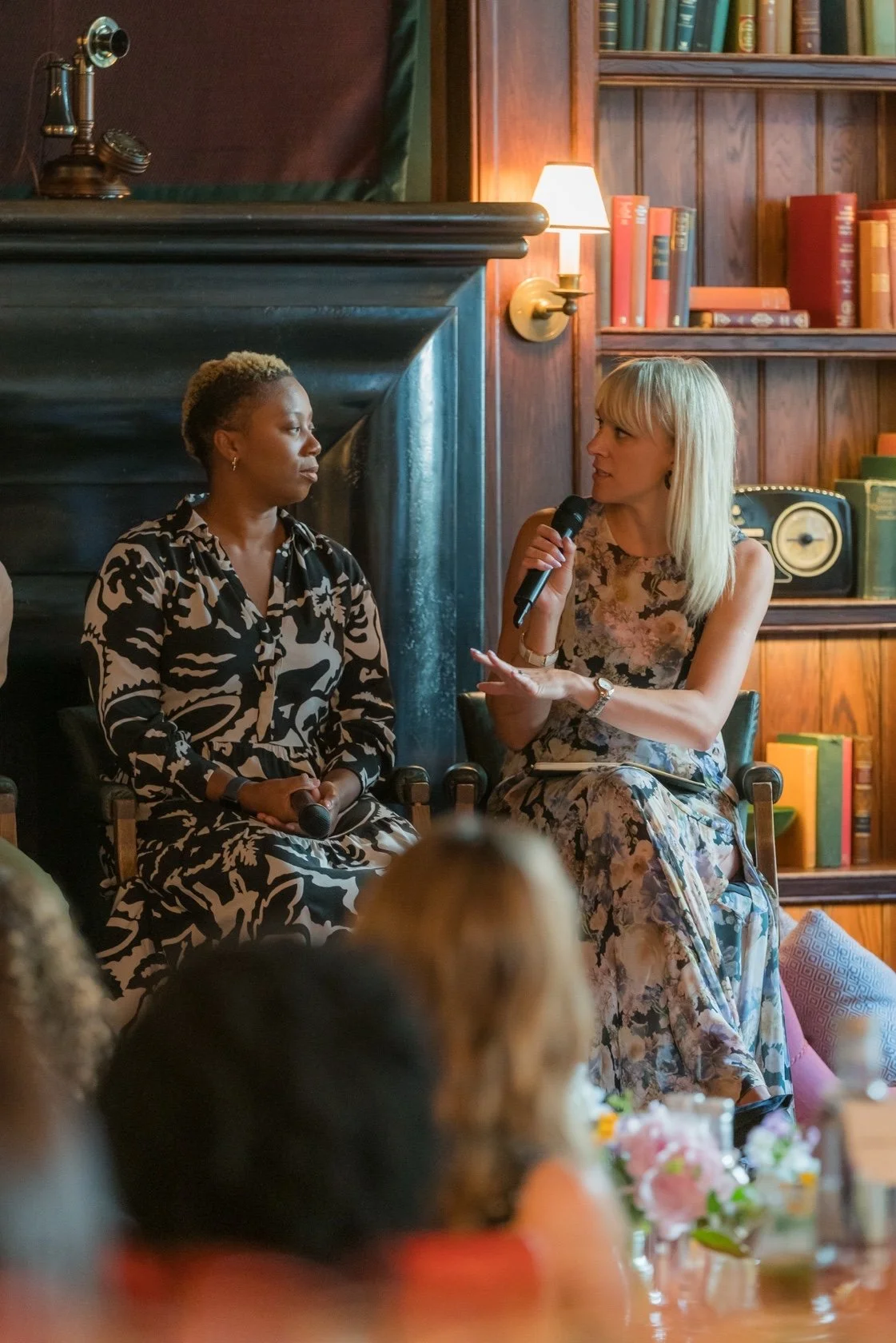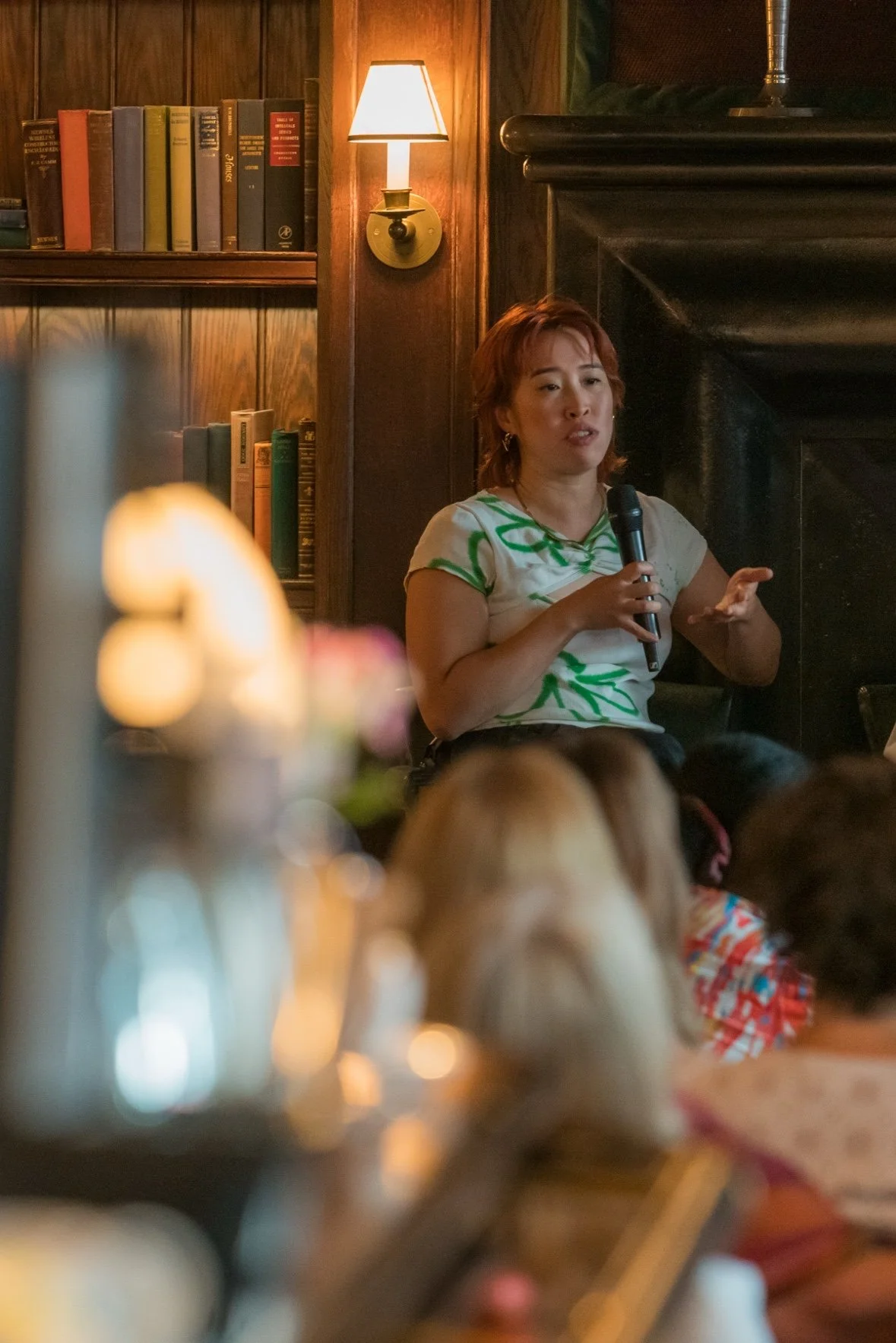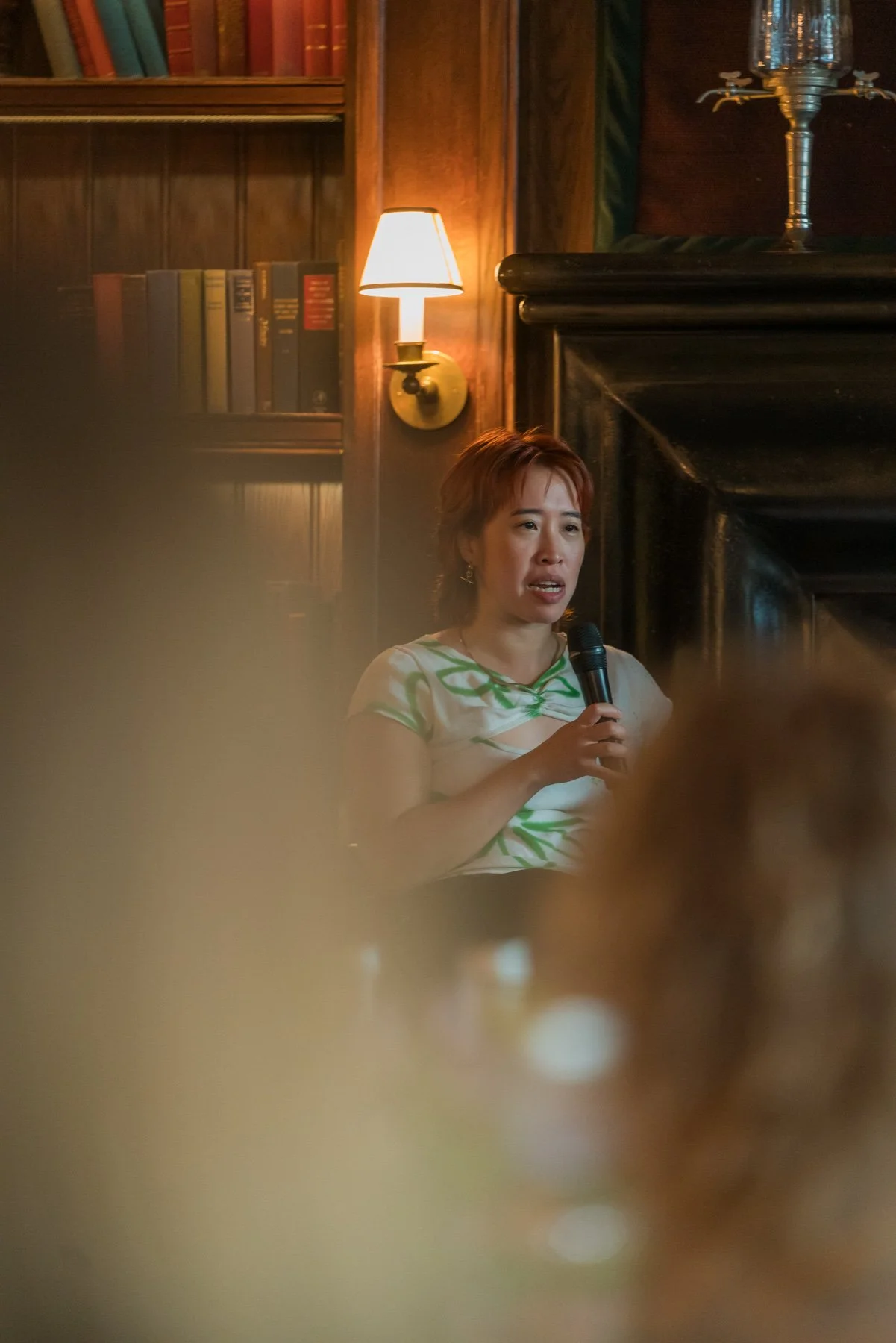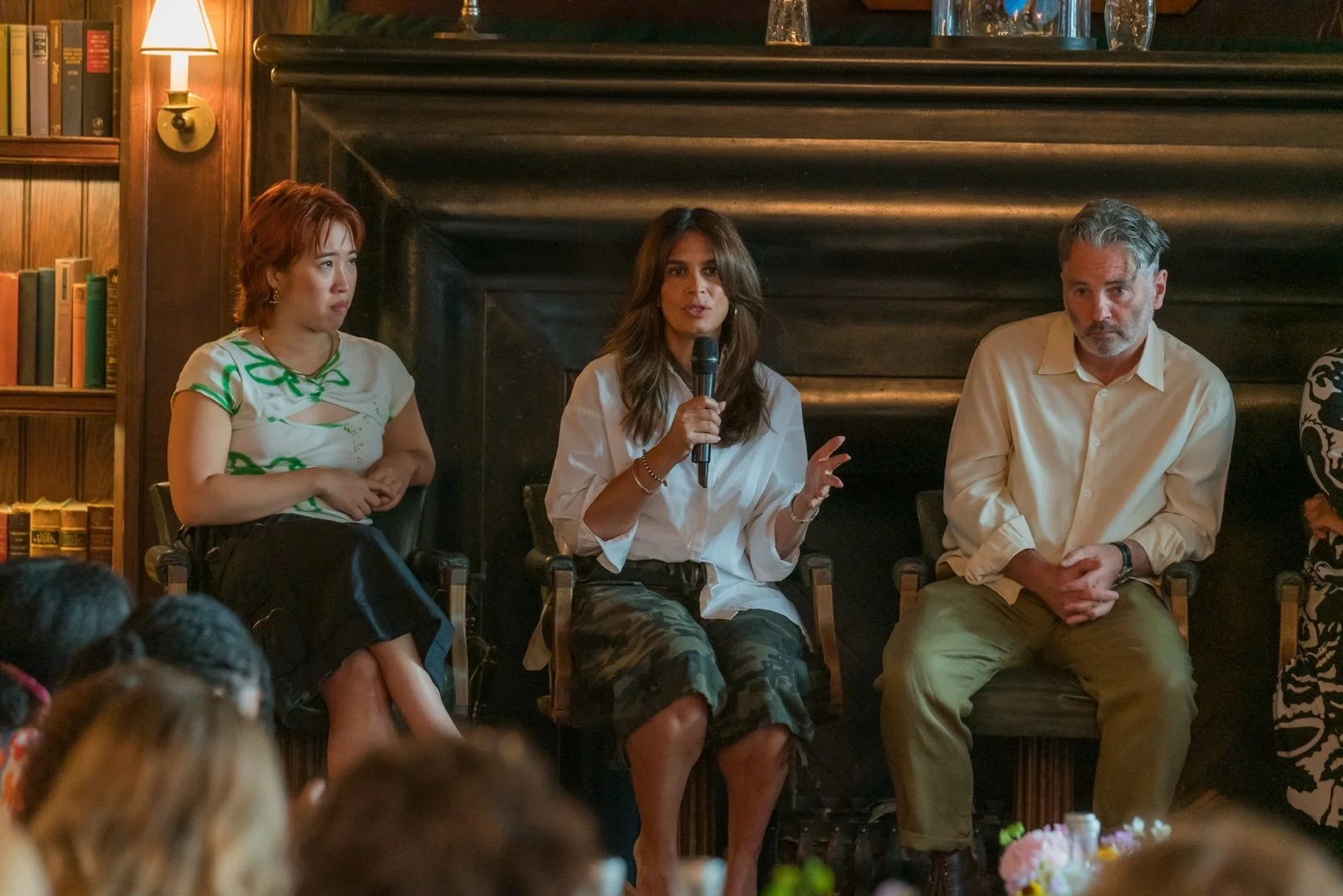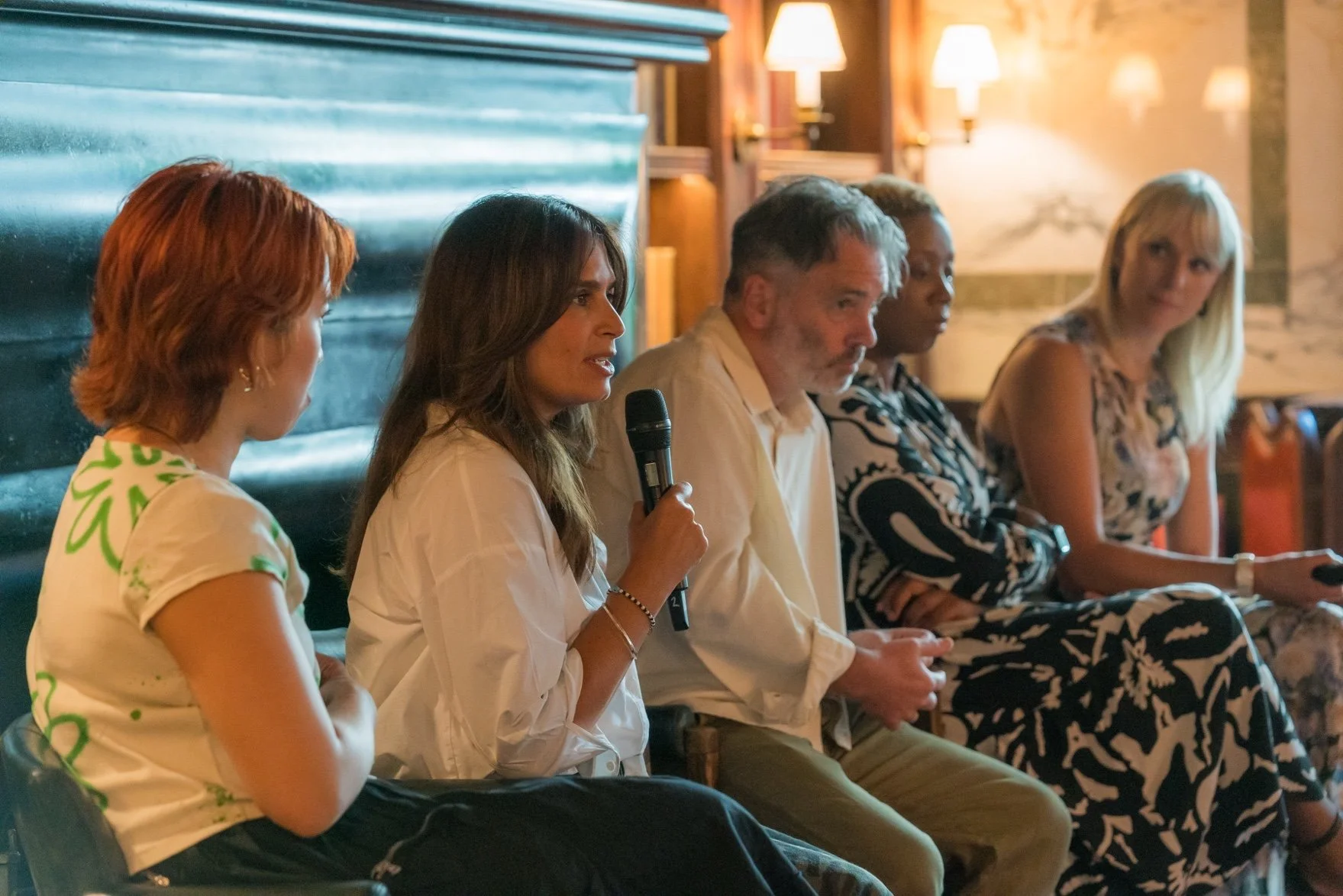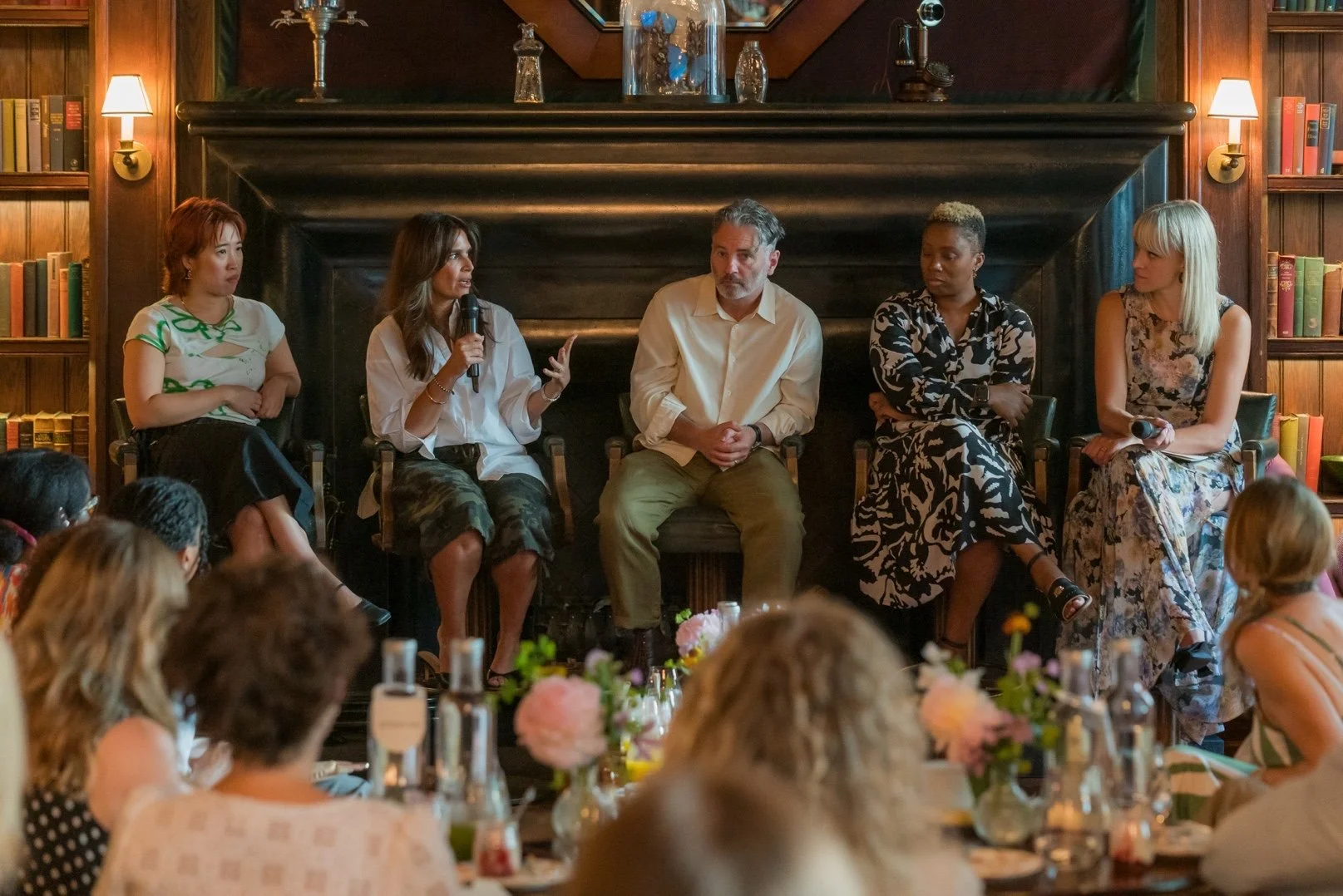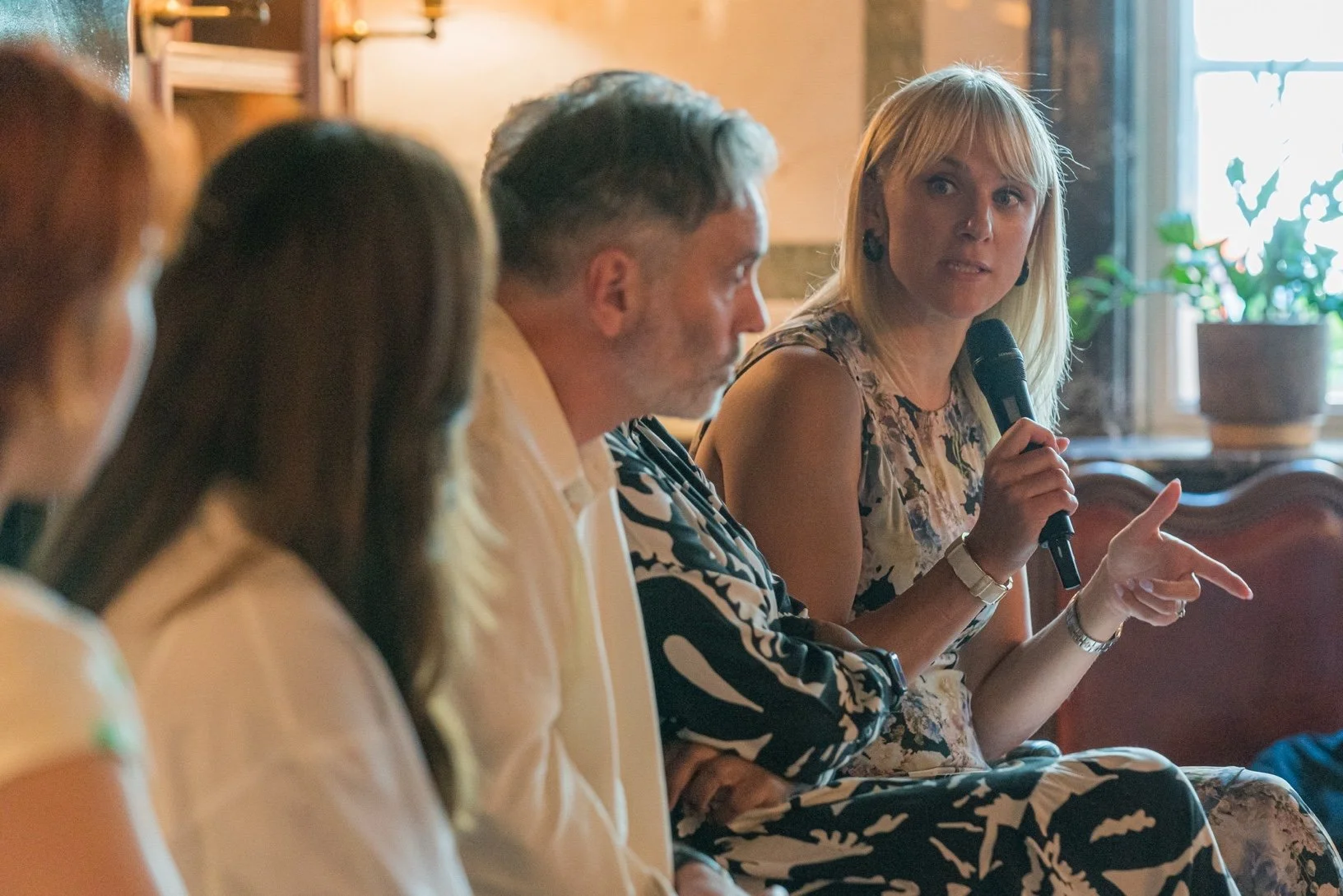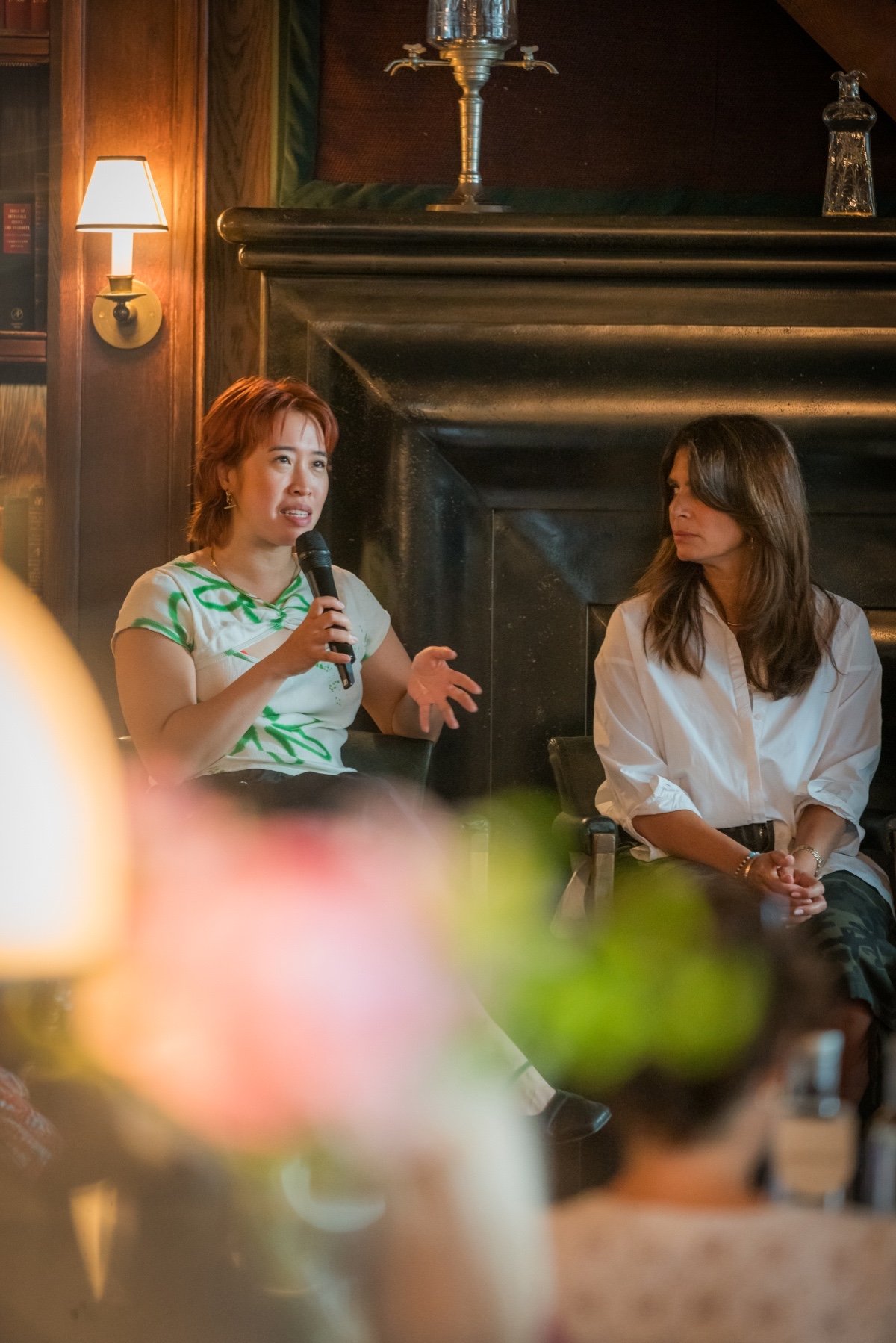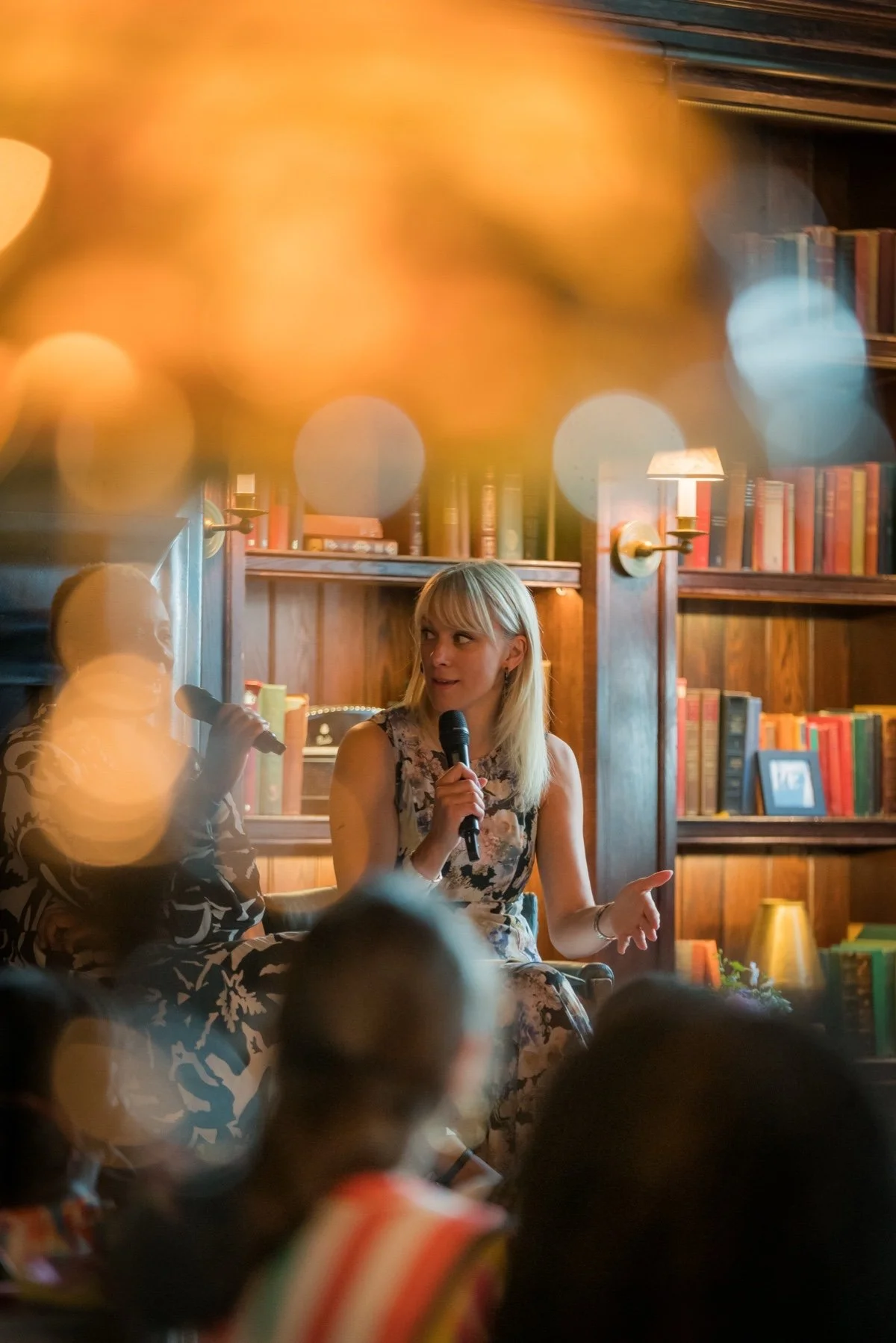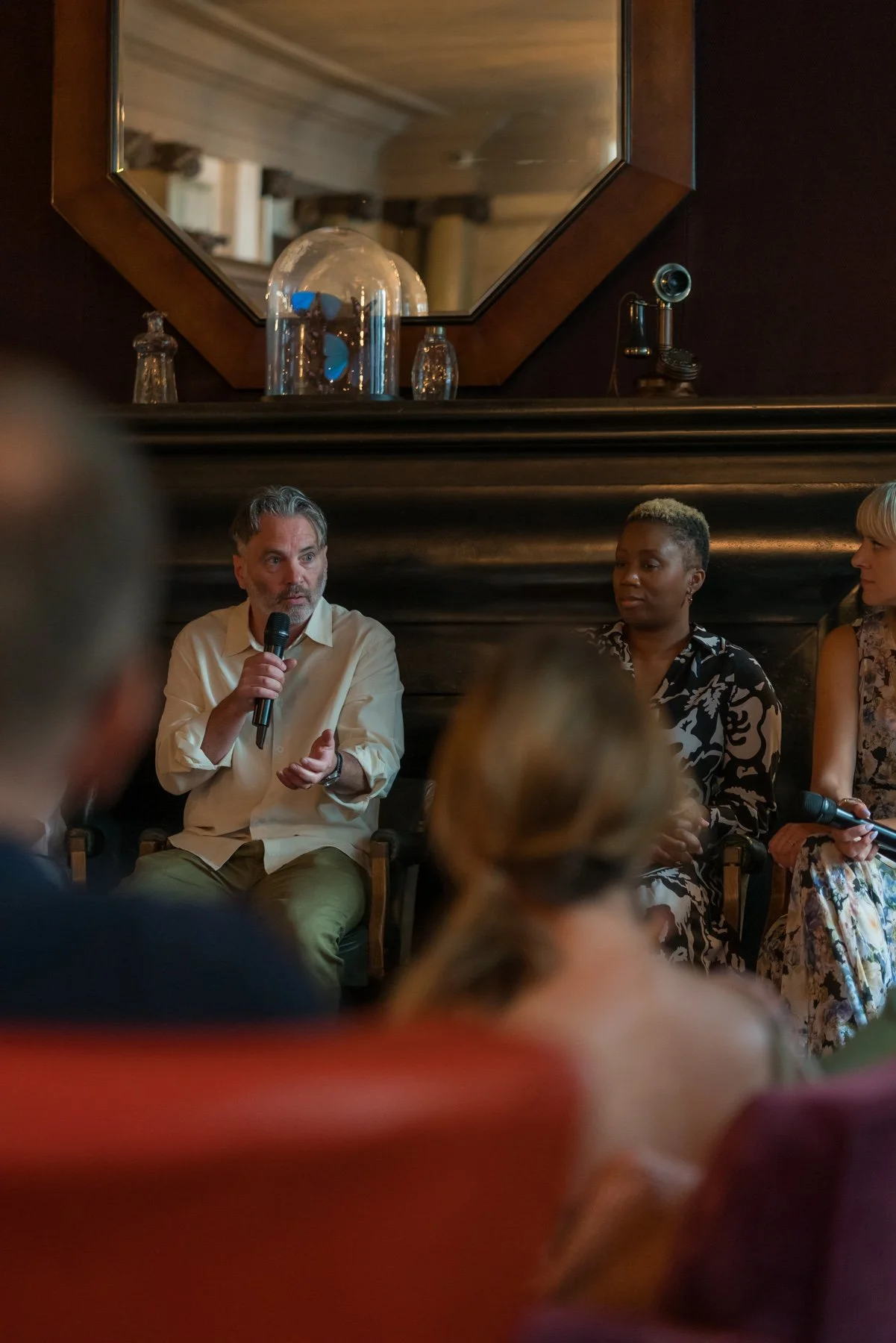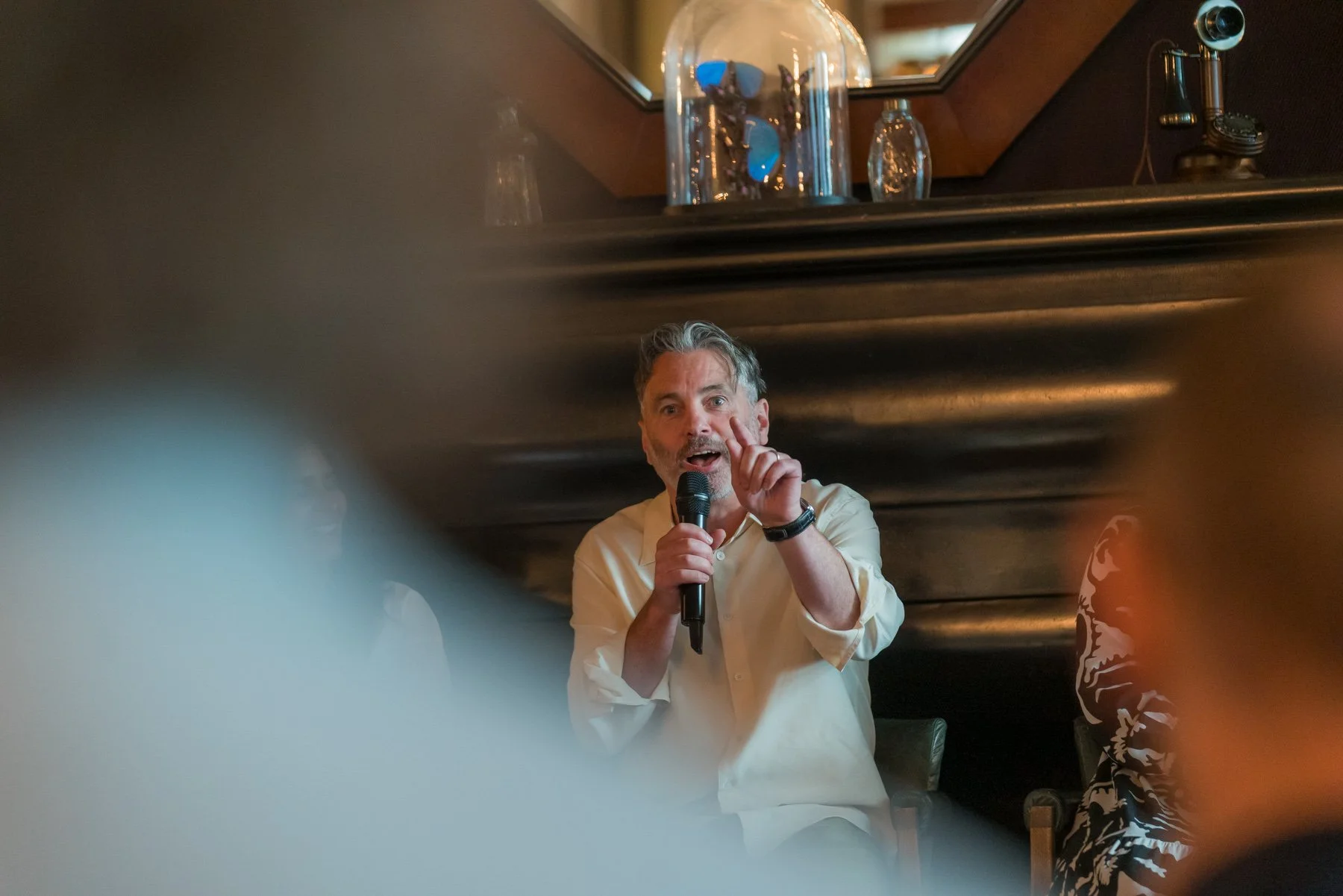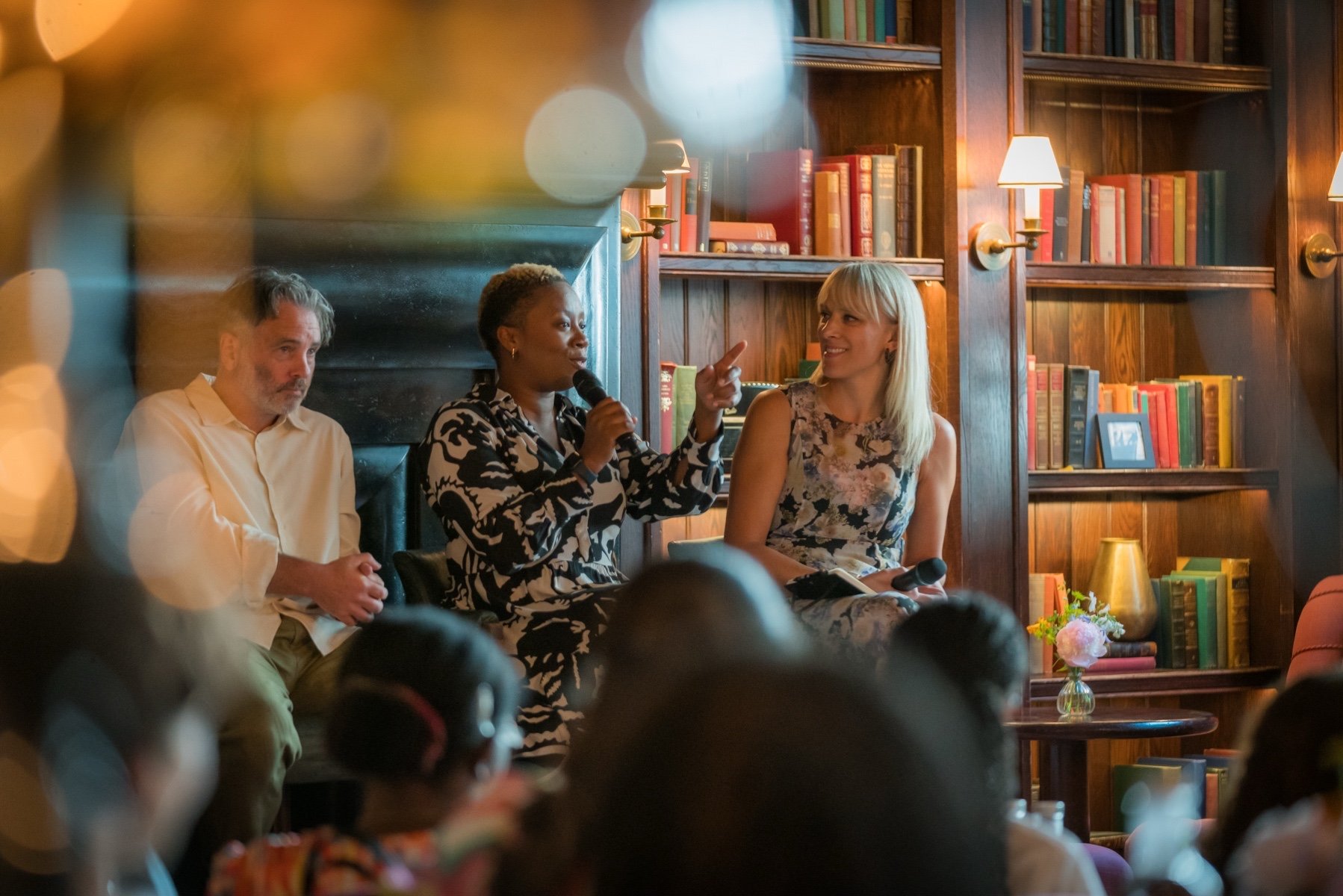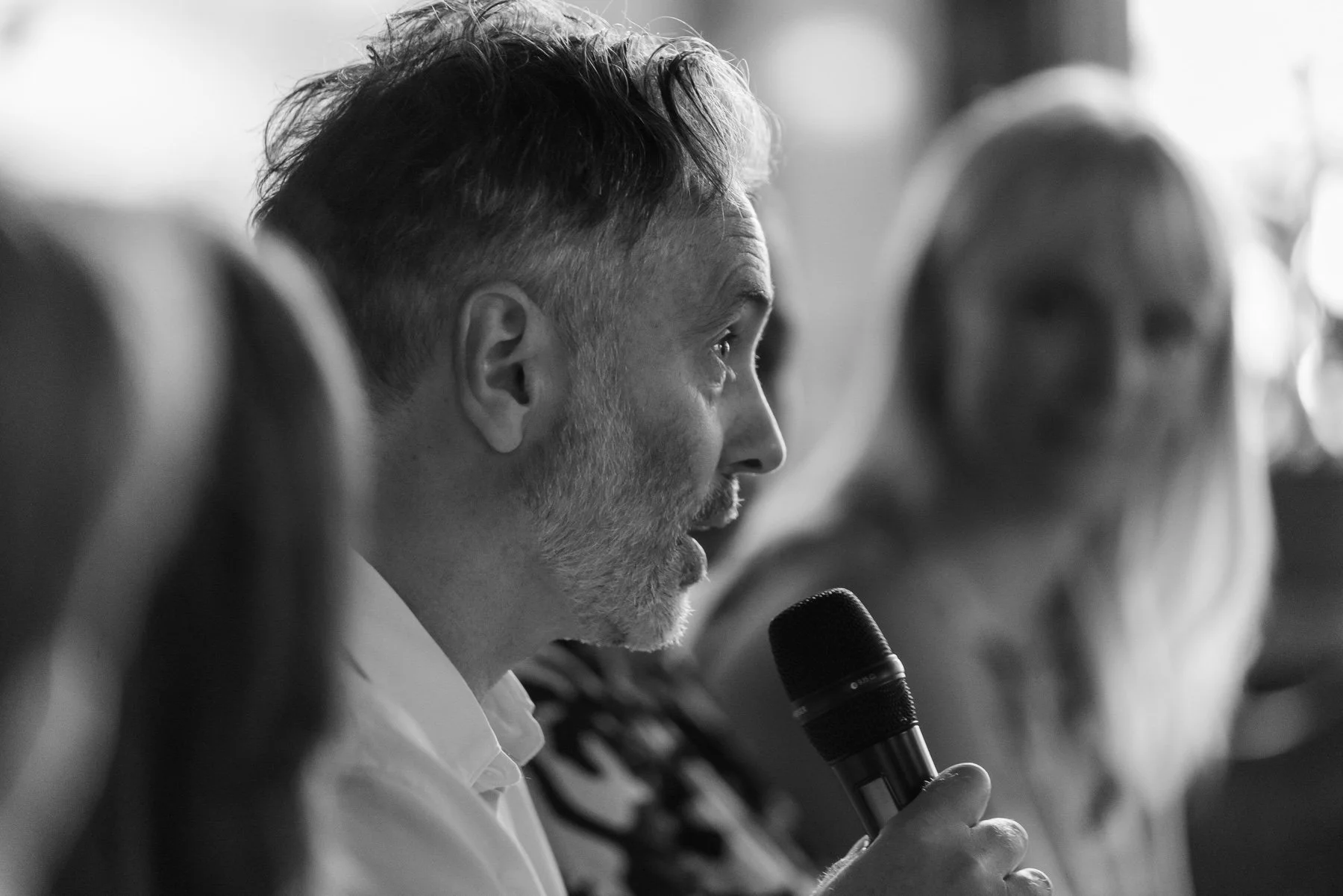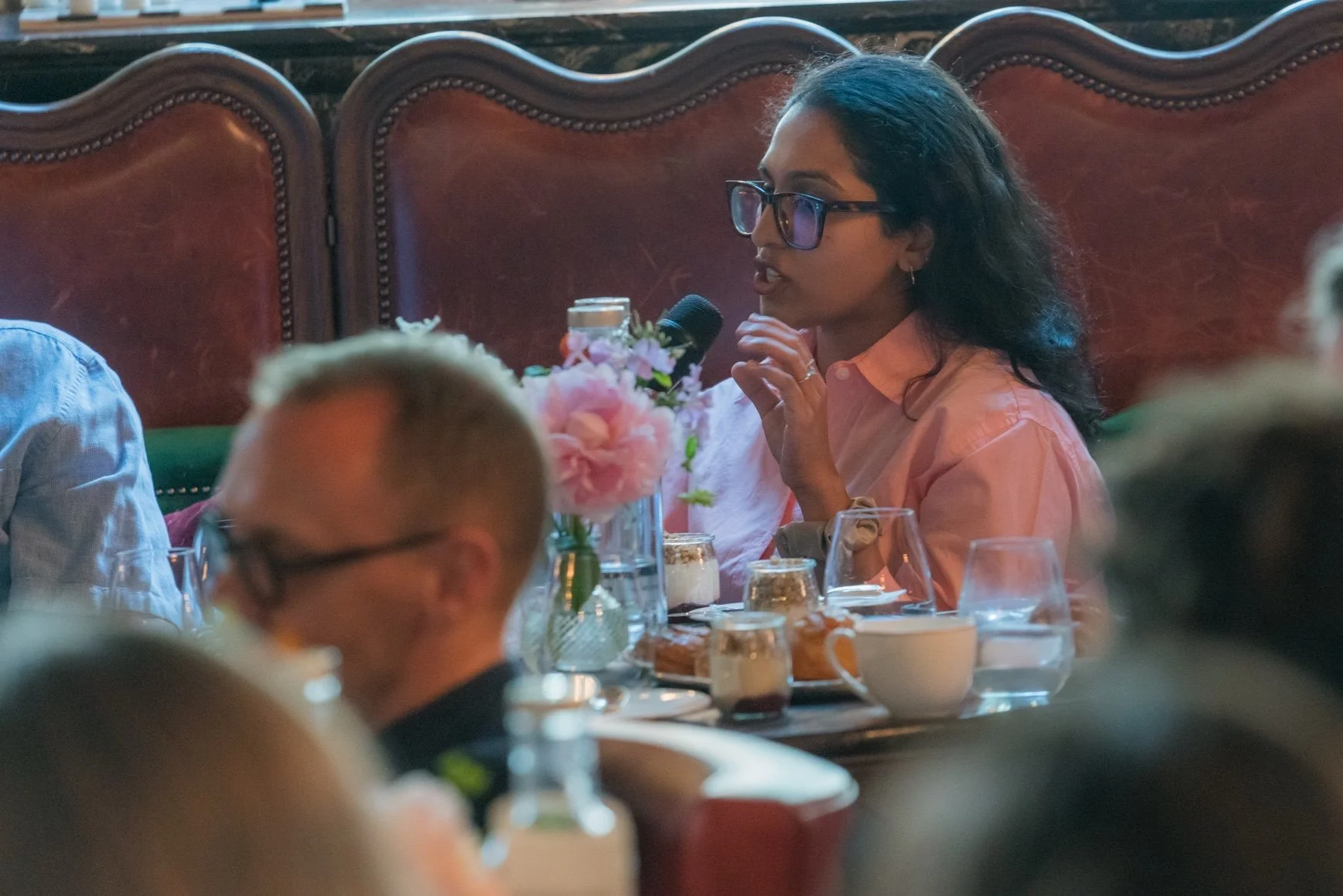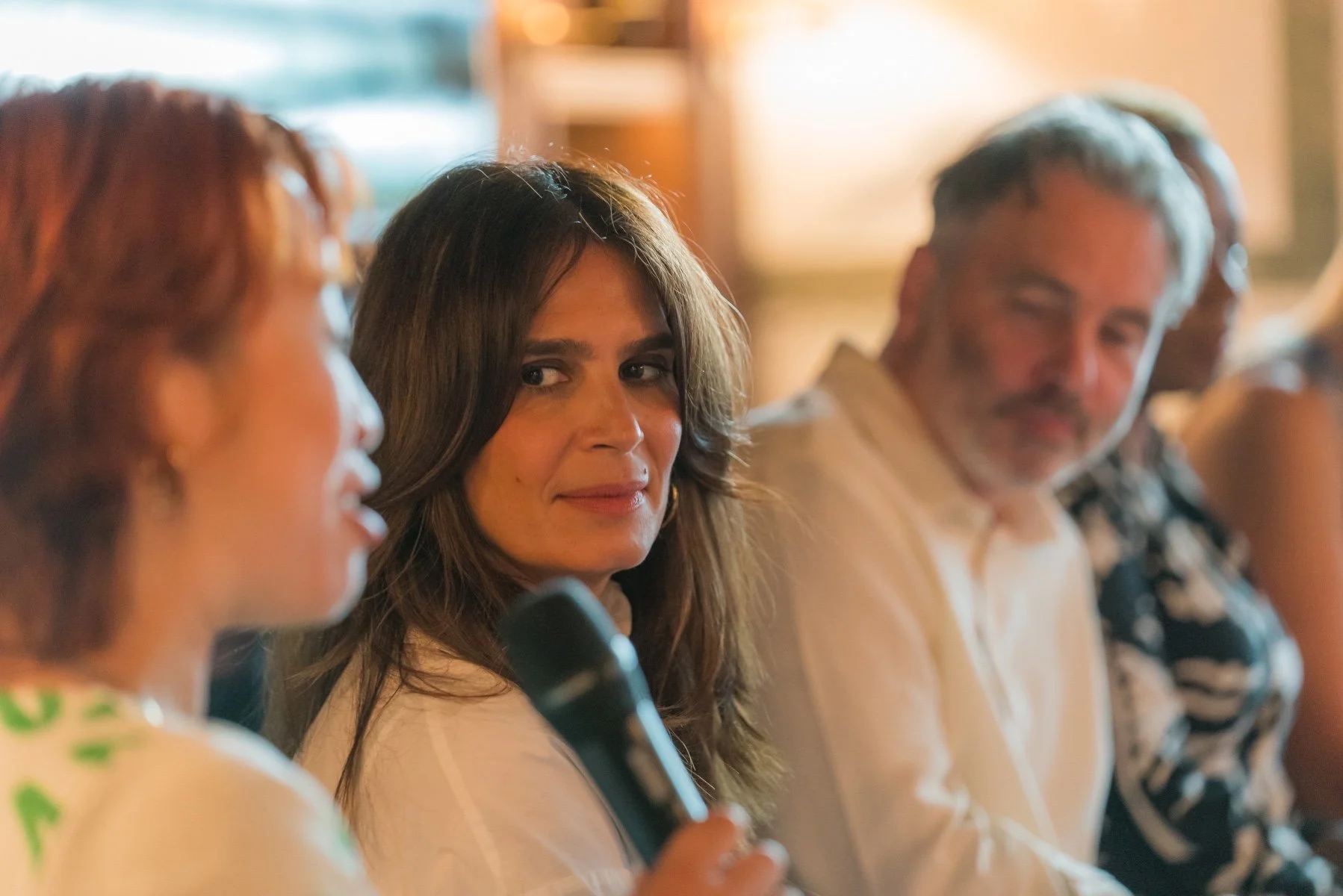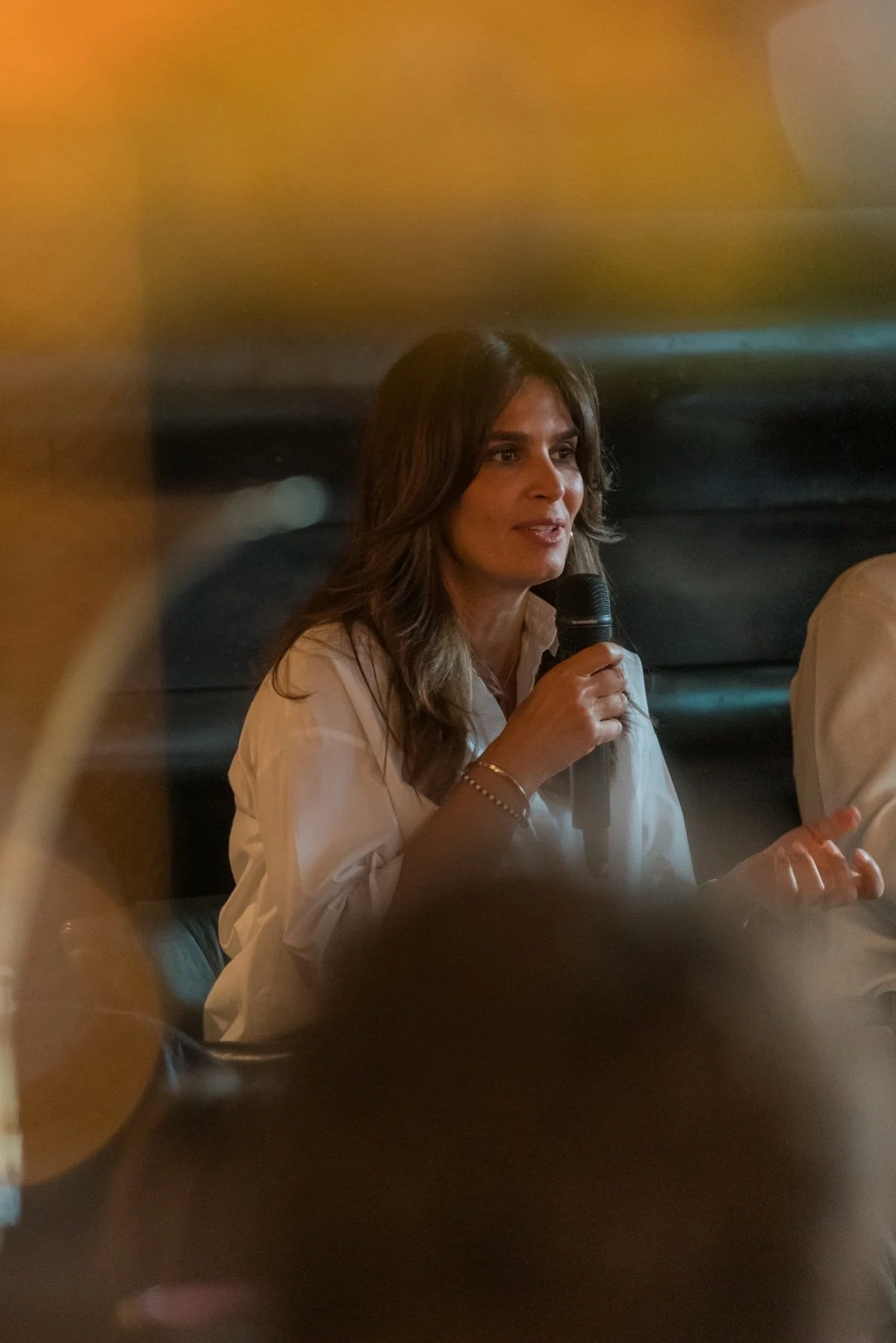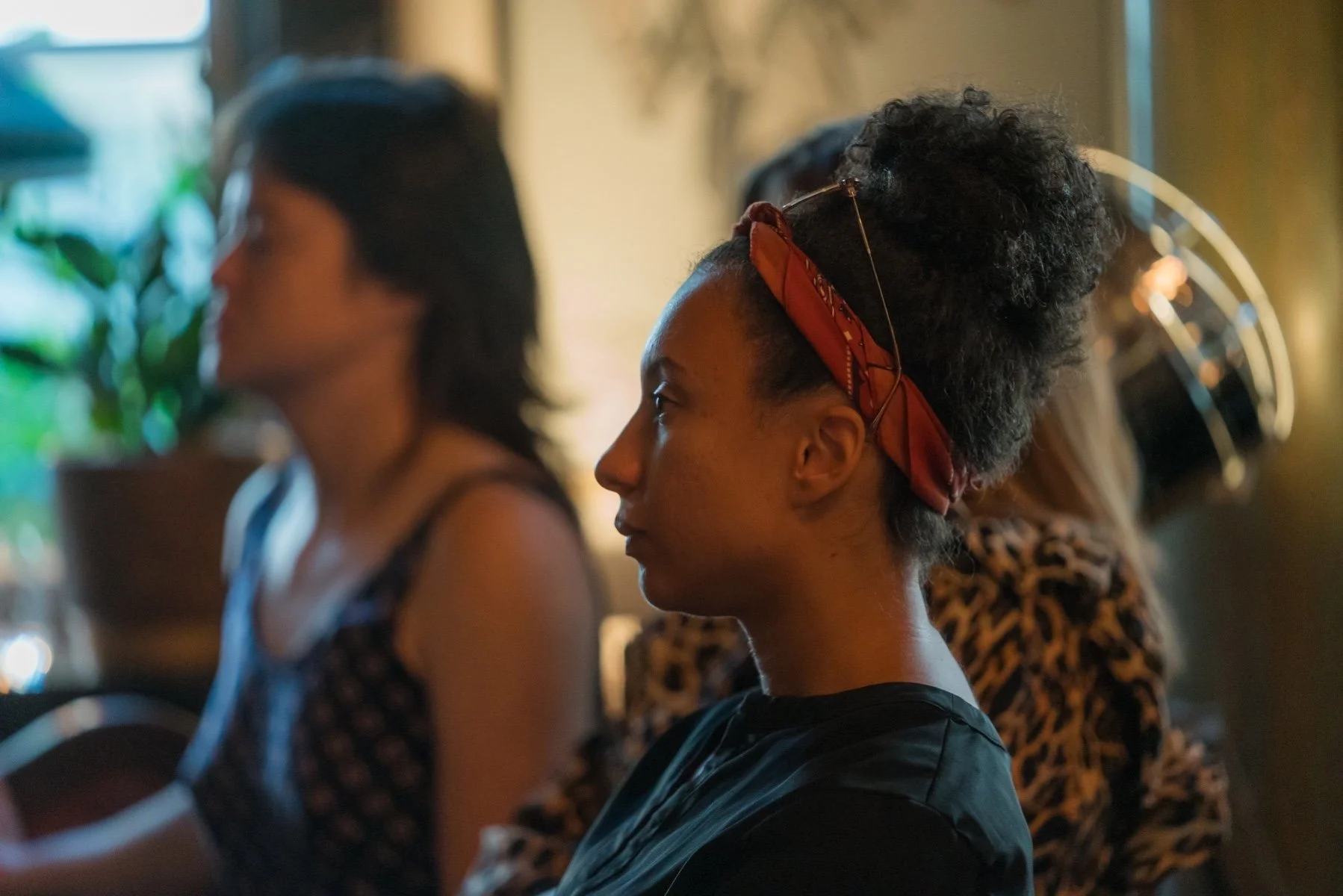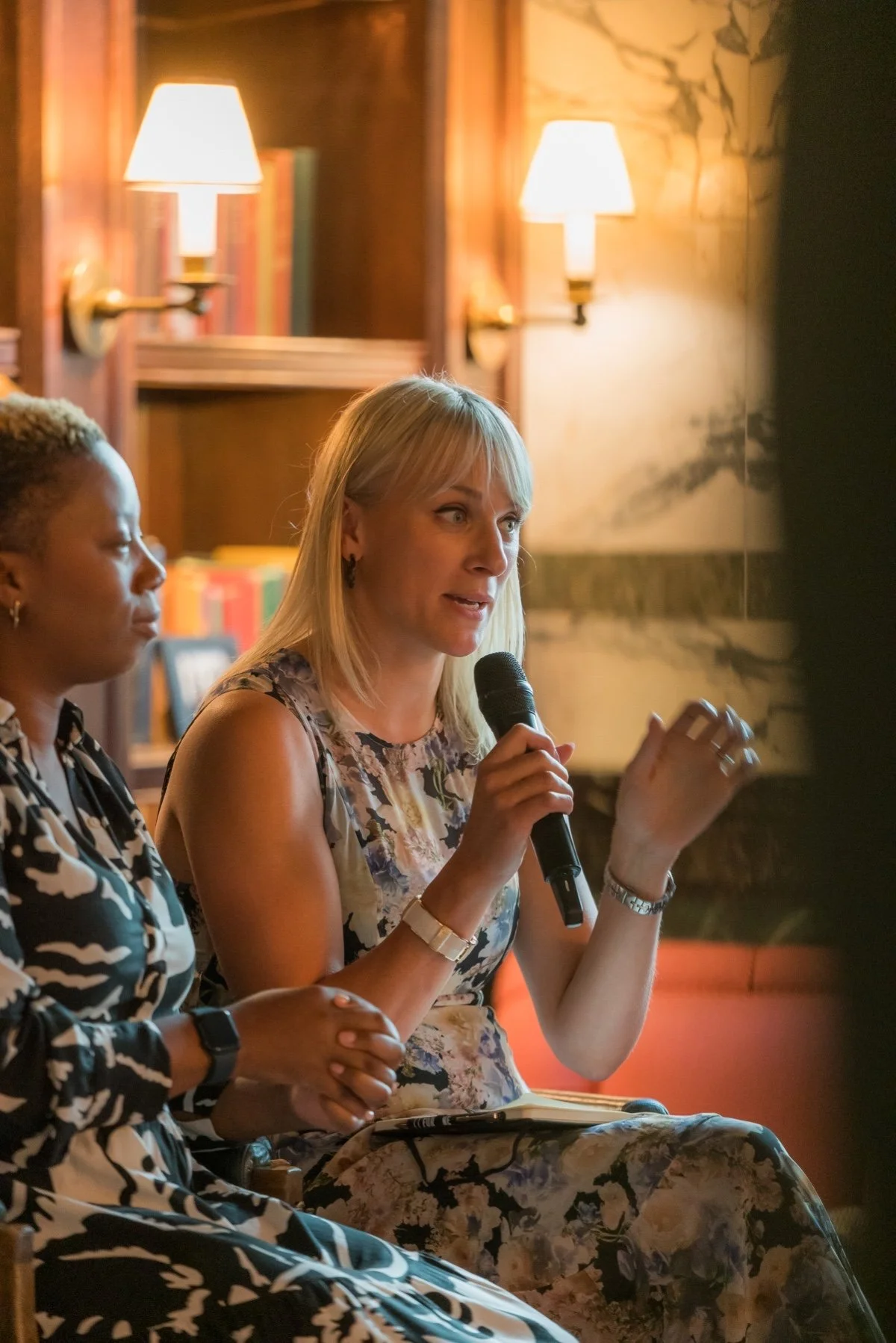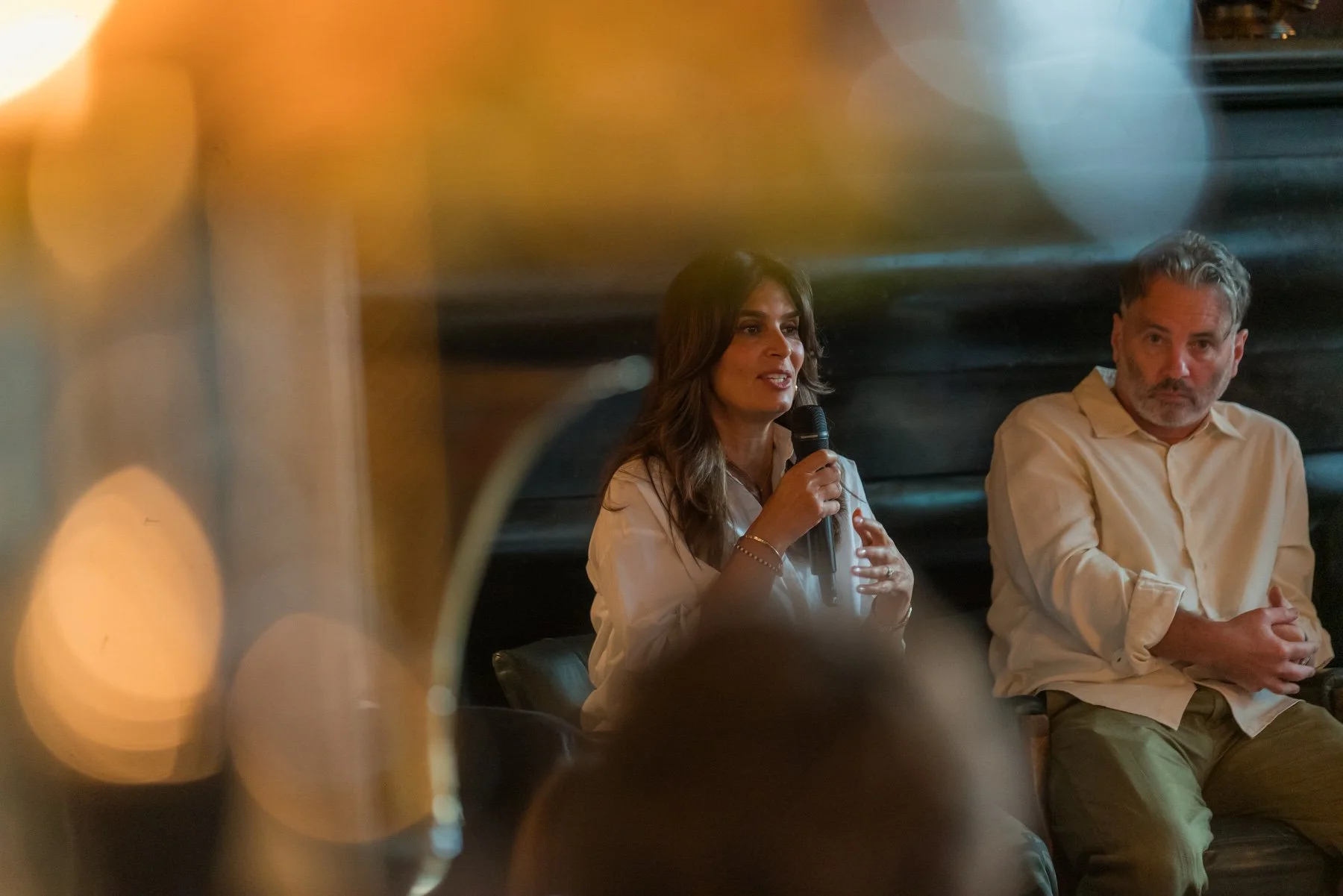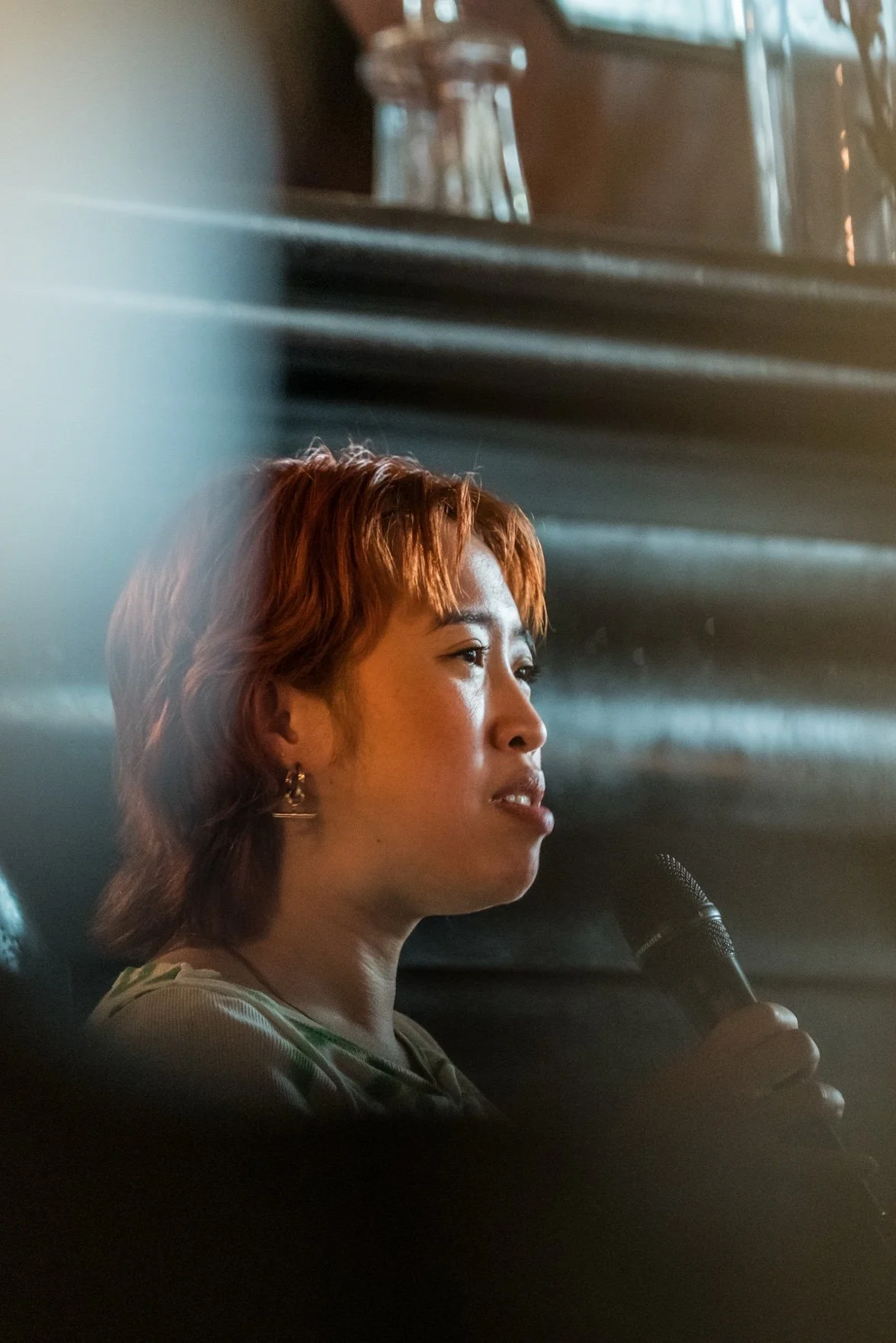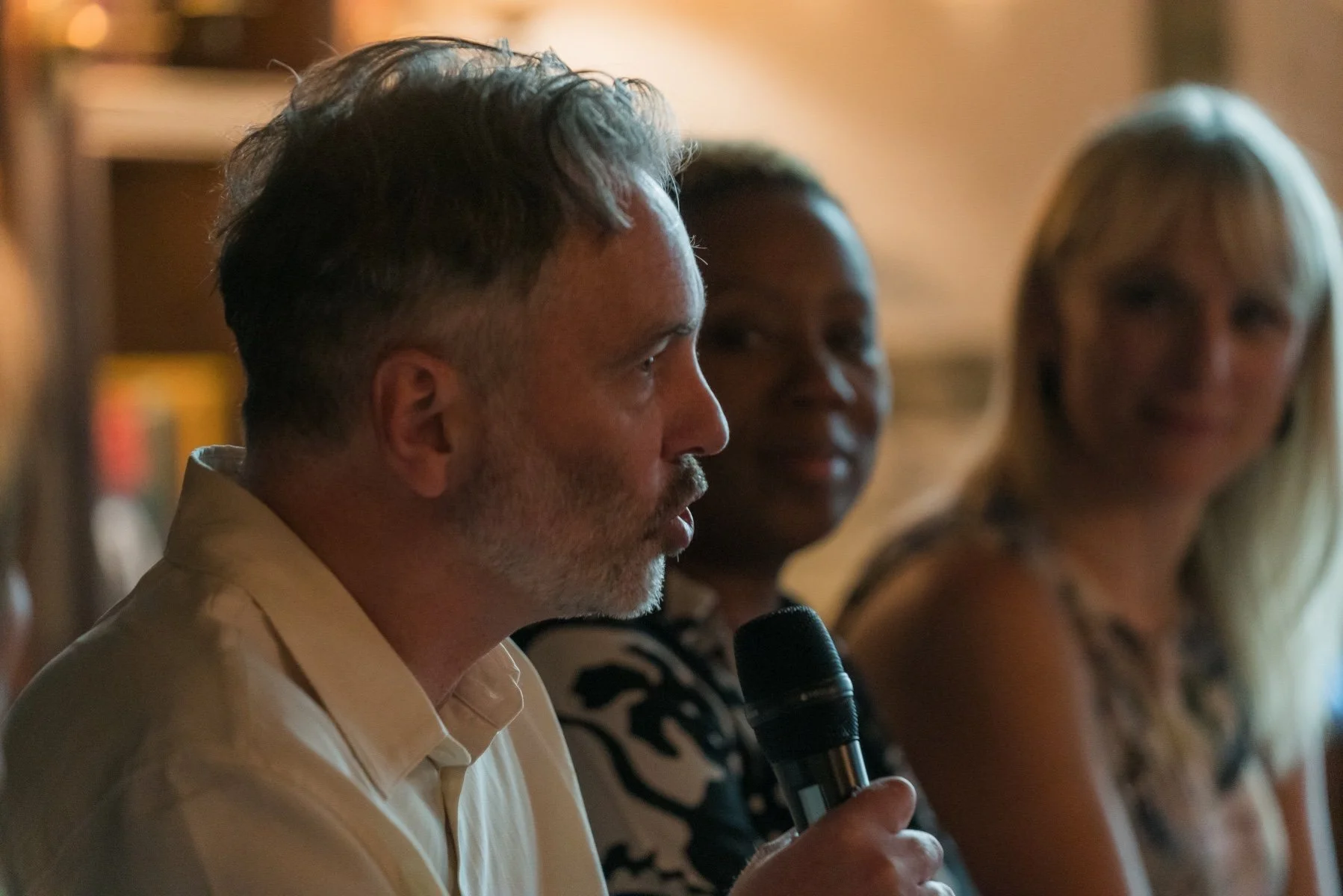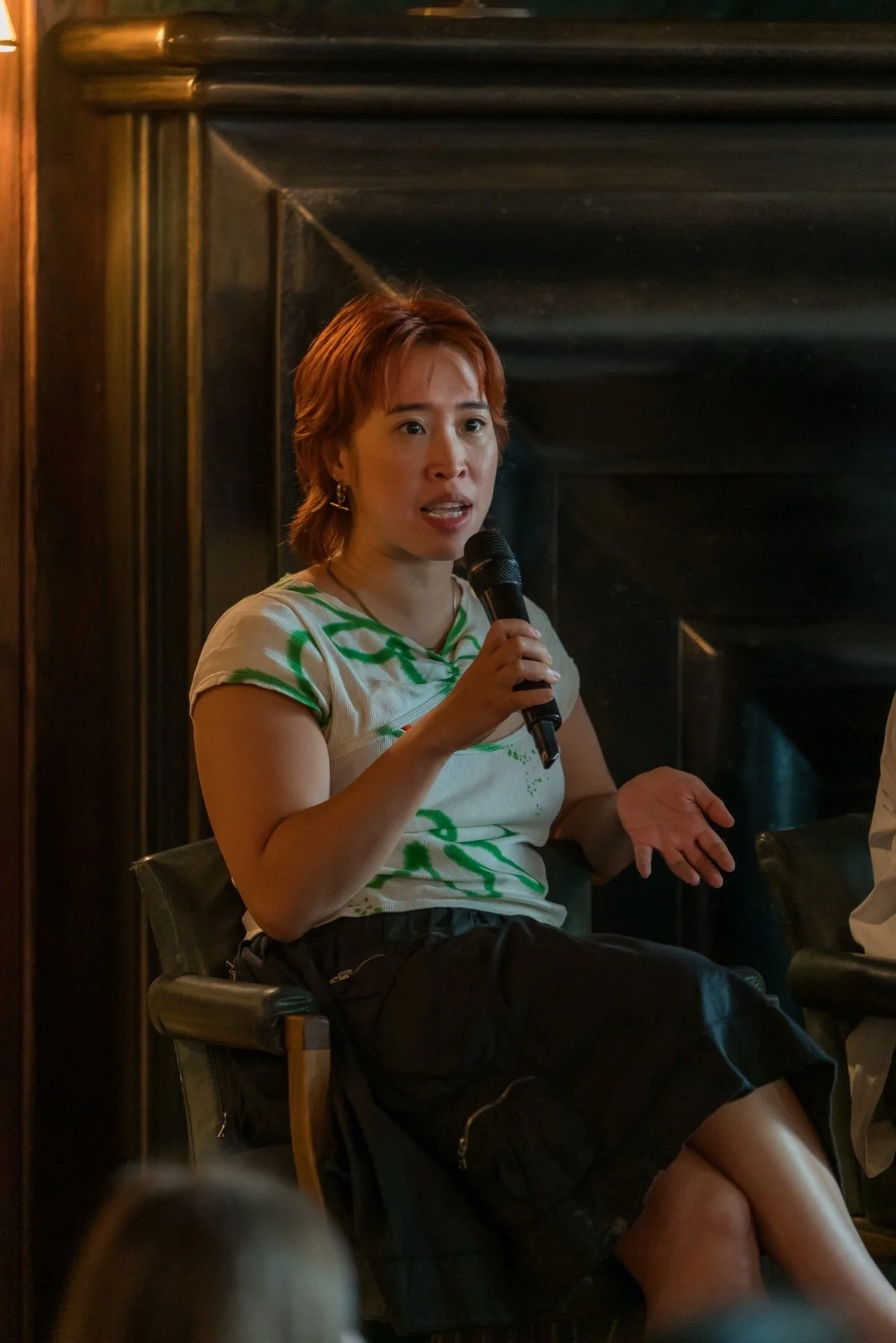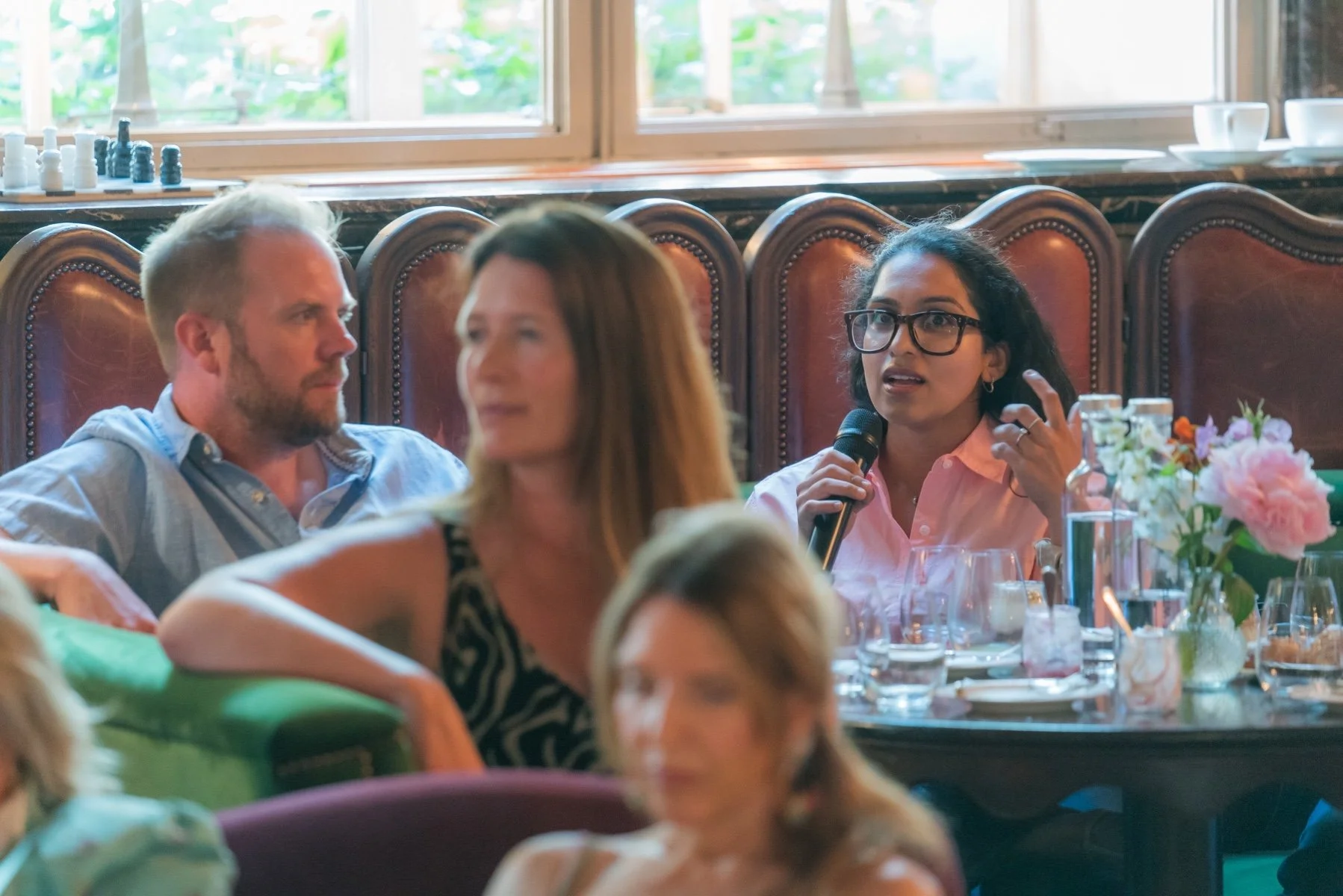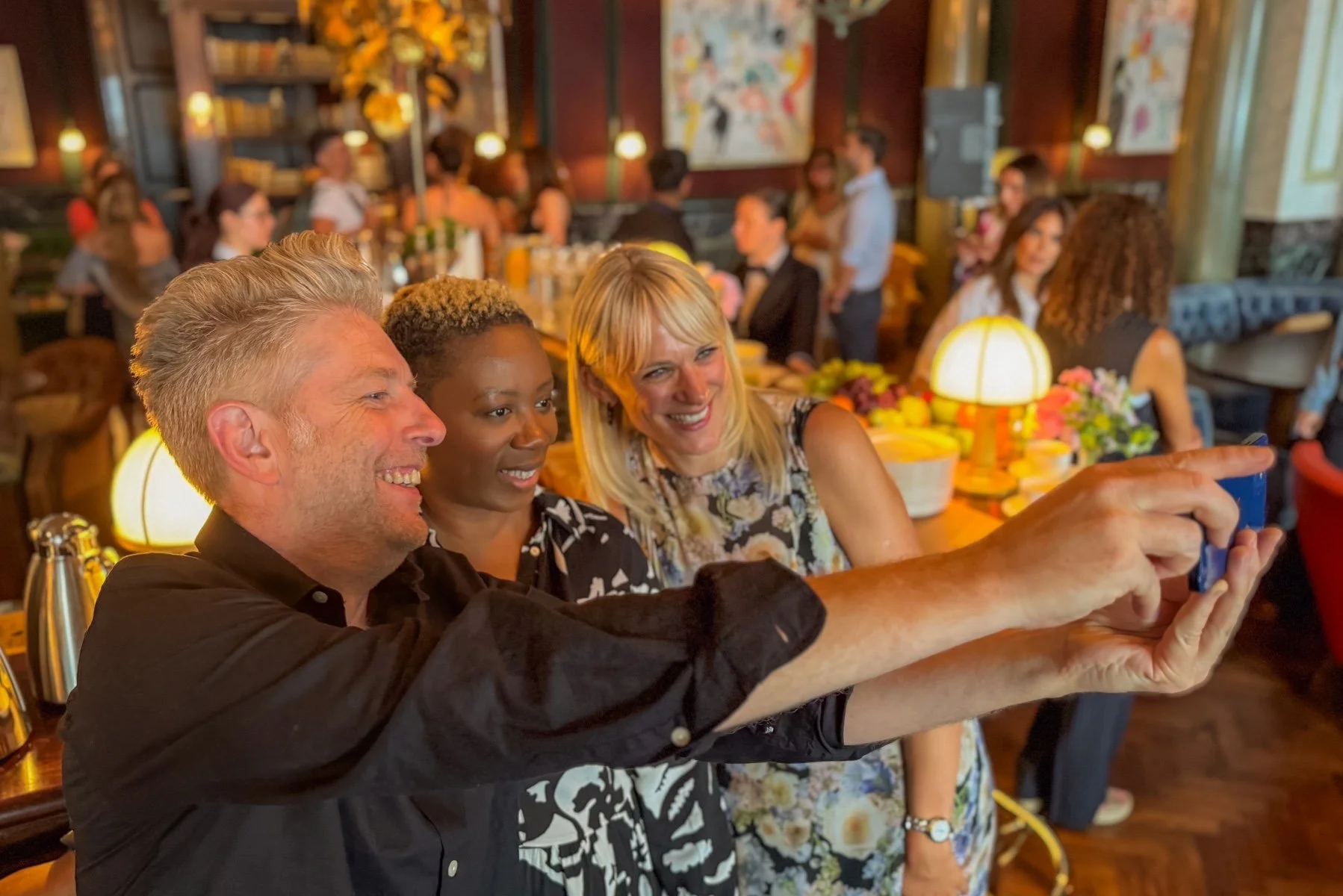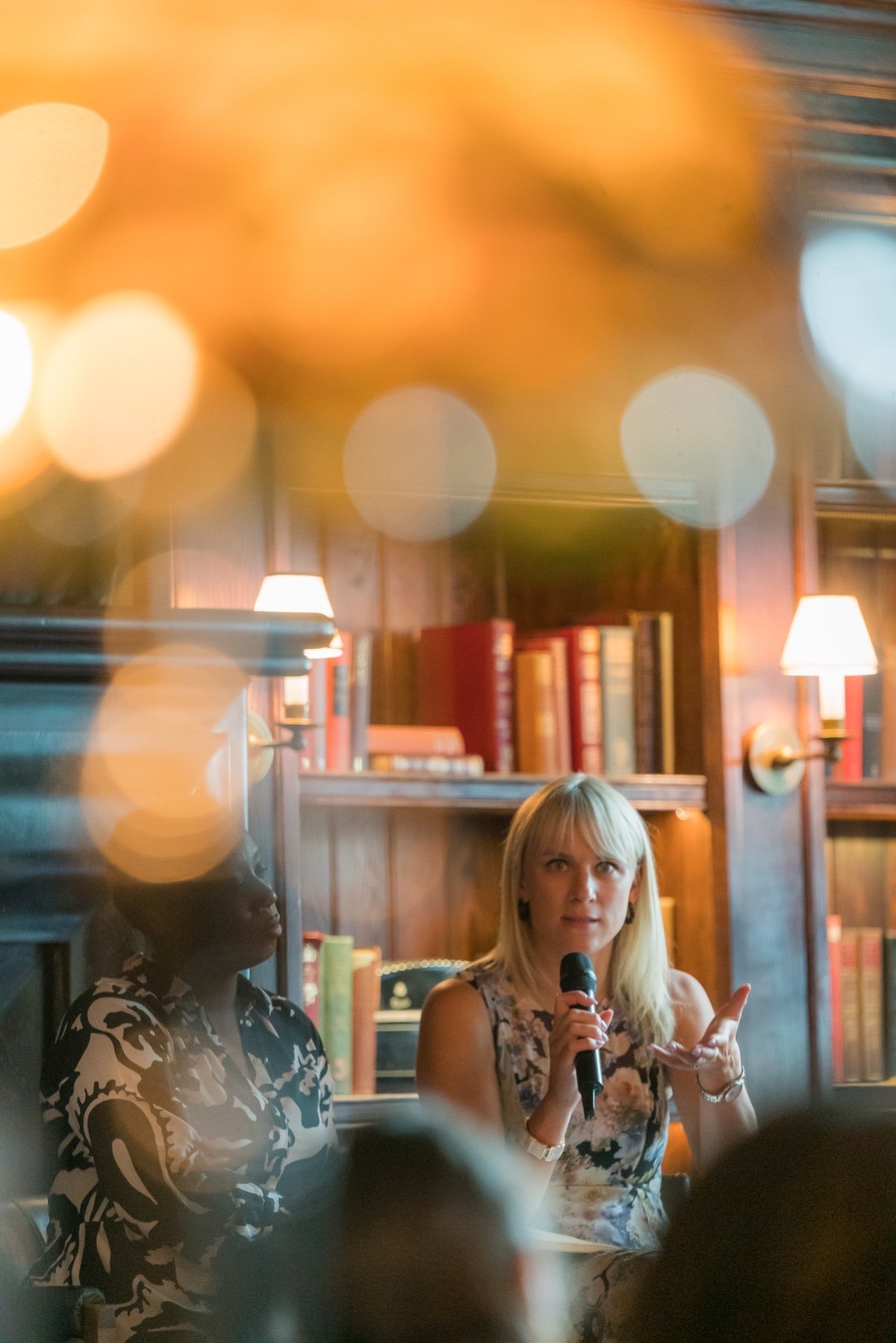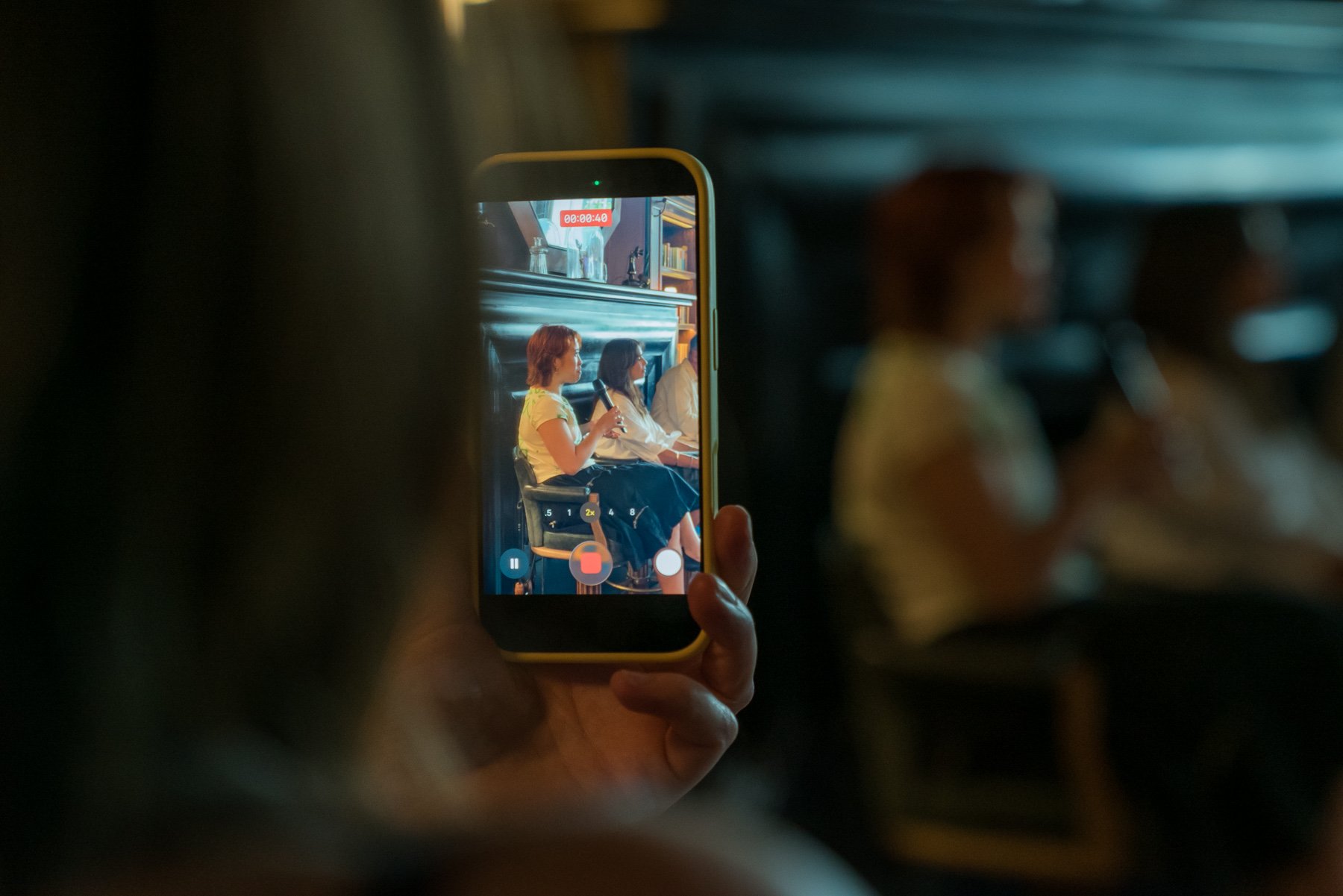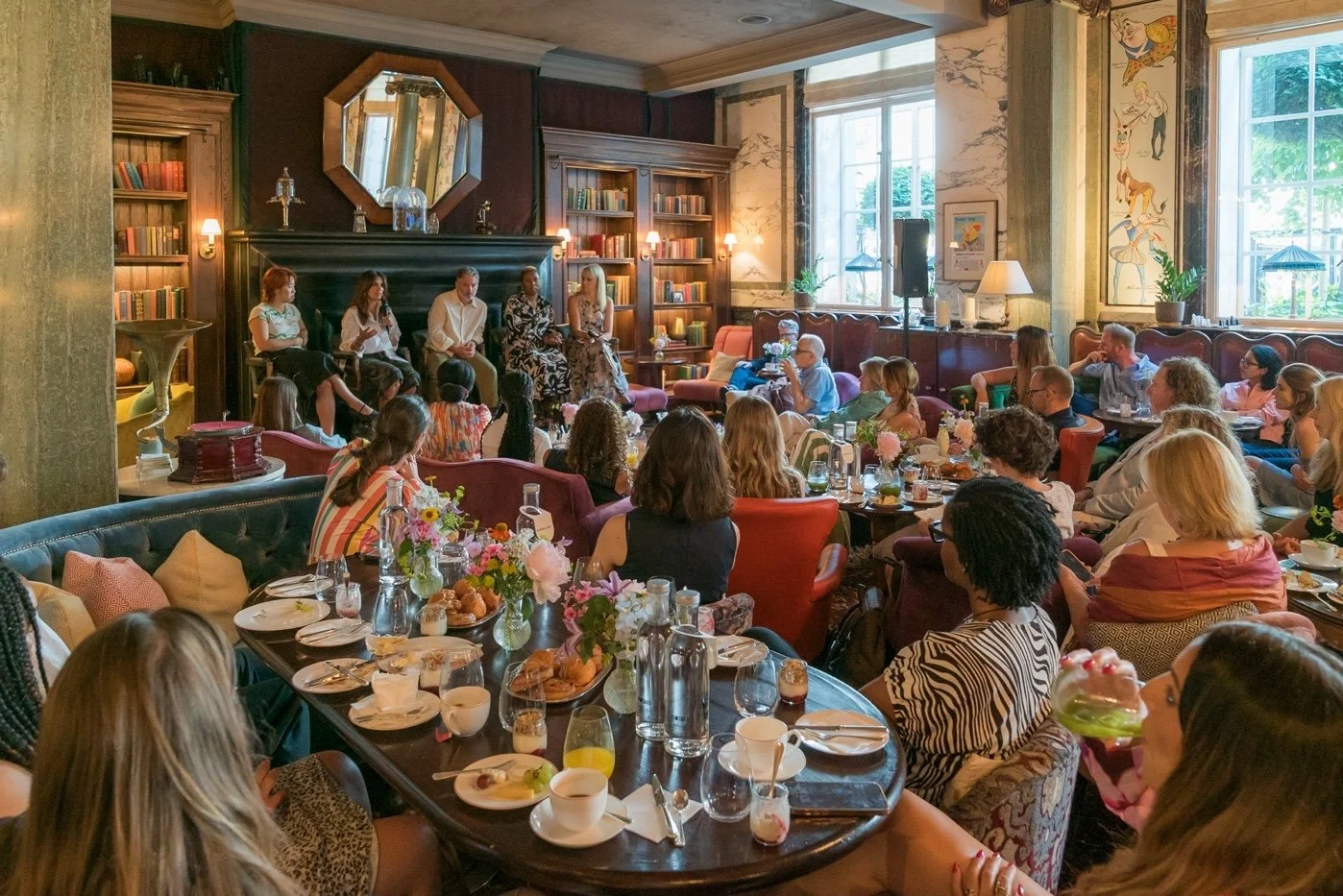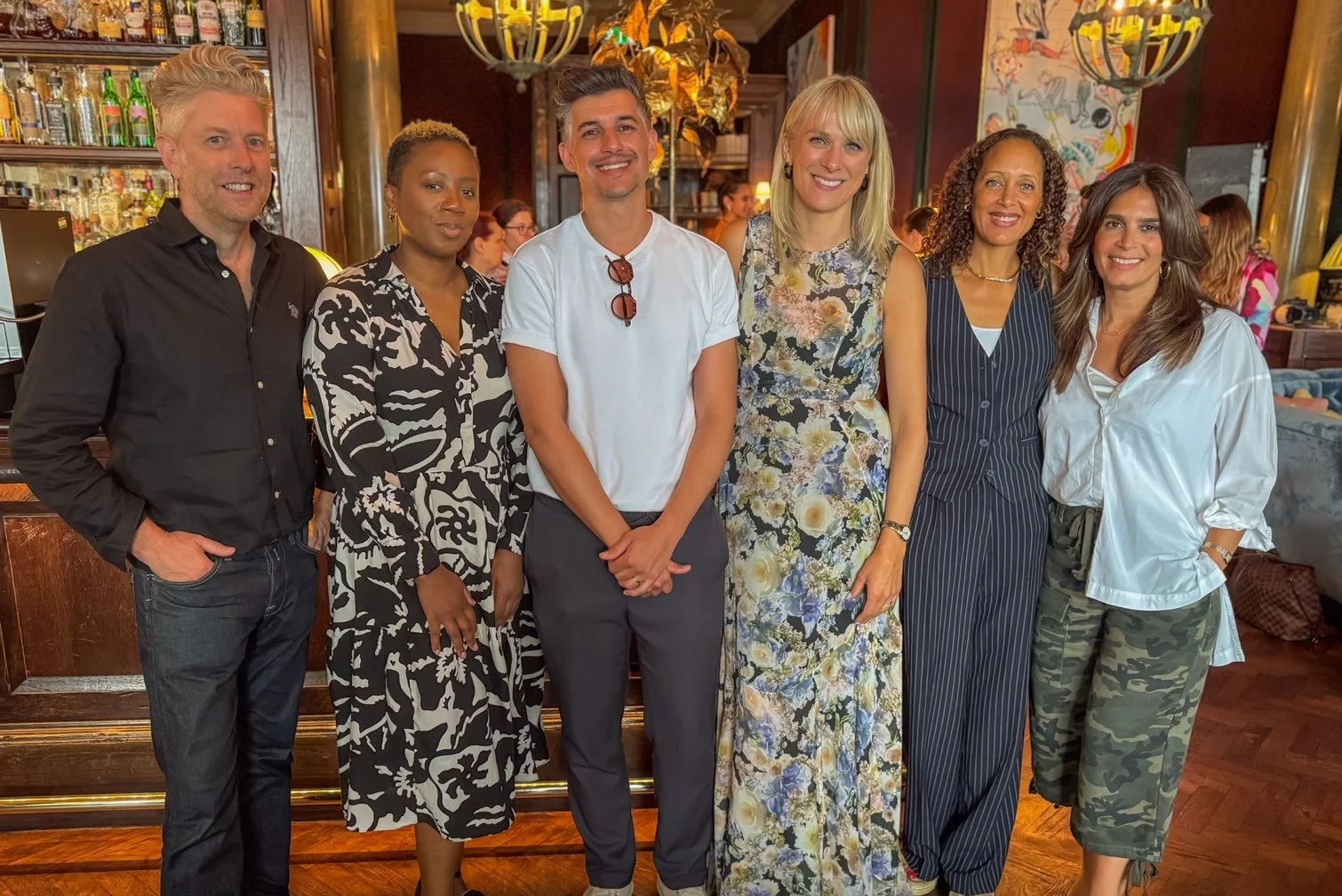
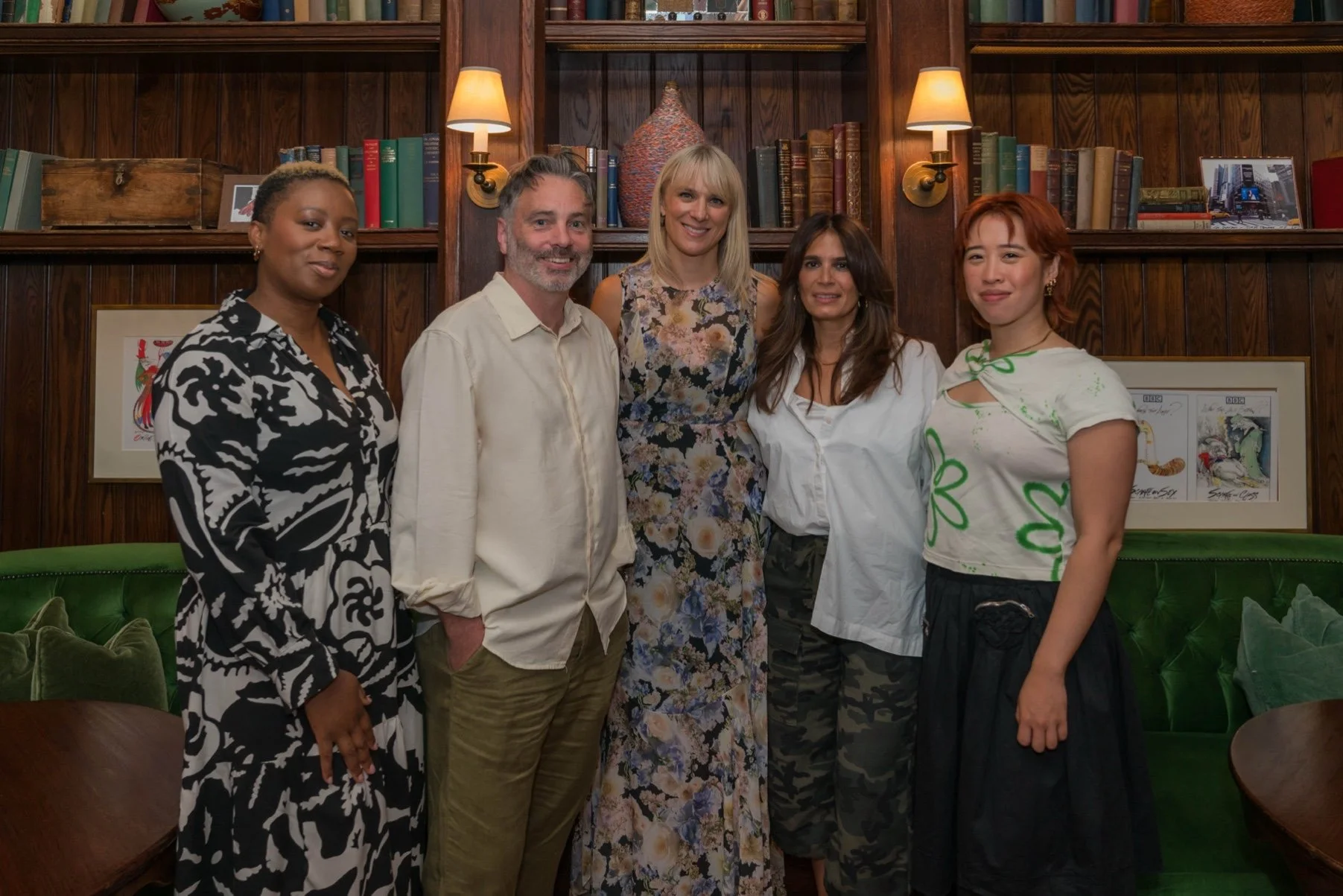
Justice Williams, Paul McNamee, Kirsty McGregor, Deborah Joseph, Zing Tsjeng
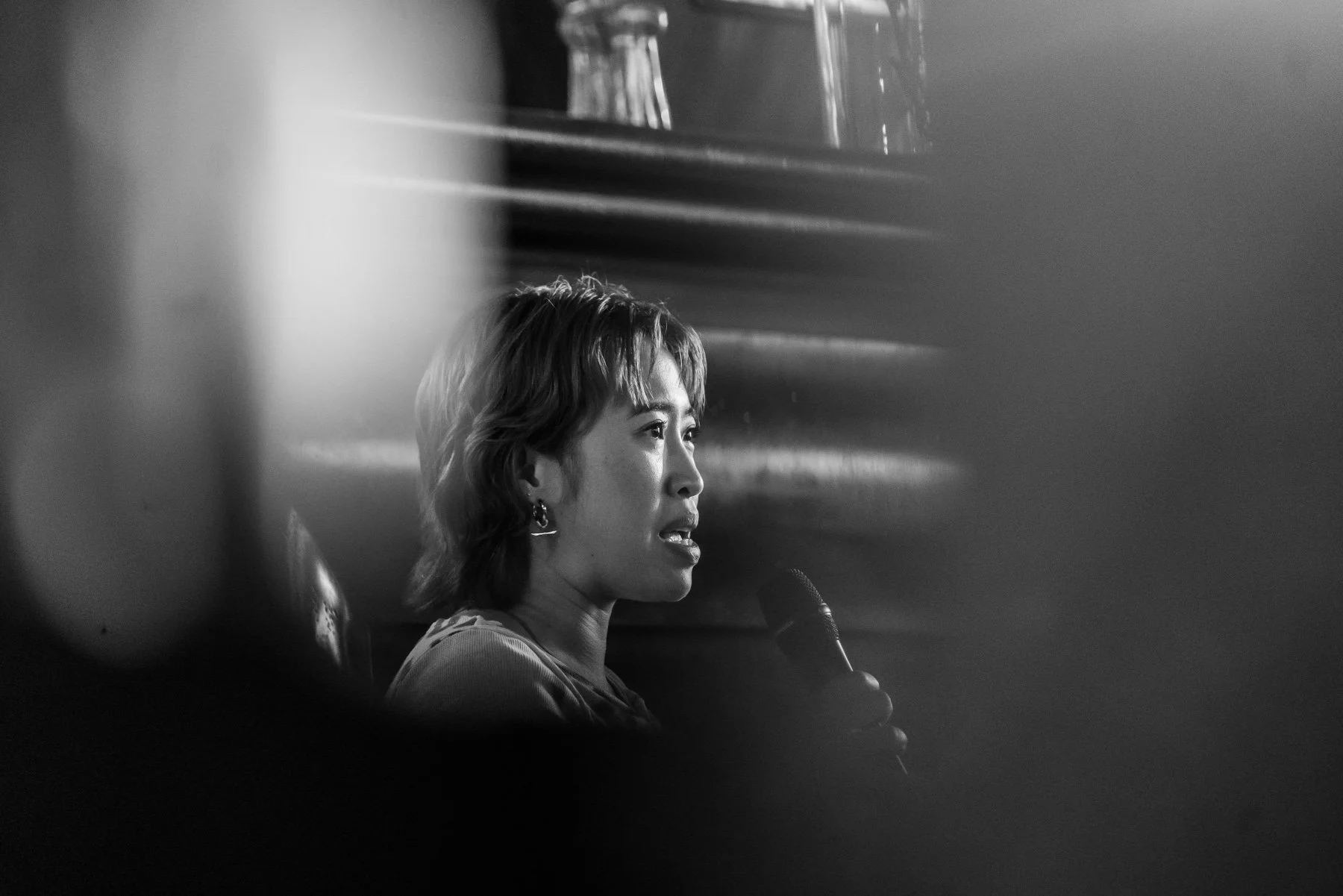
For journalists, there's this idea of church and state where it's like, ‘I never talk about my personal life online, and I only ever post about the professional things I'm doing.’ But if you're able to show a bit of yourself while also posting about professional things, it gives people more of an incentive to follow you.” — Zing Tsjeng
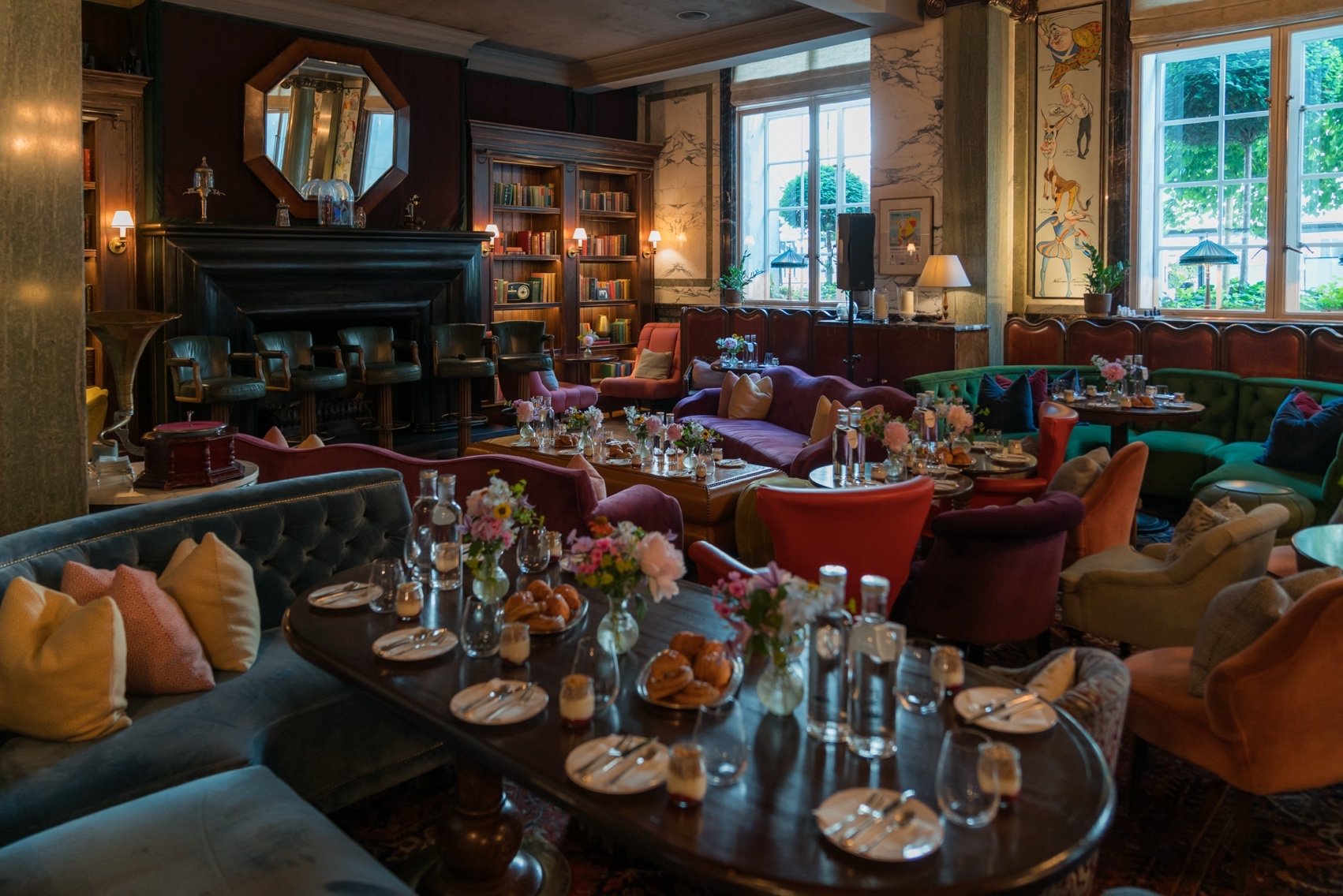
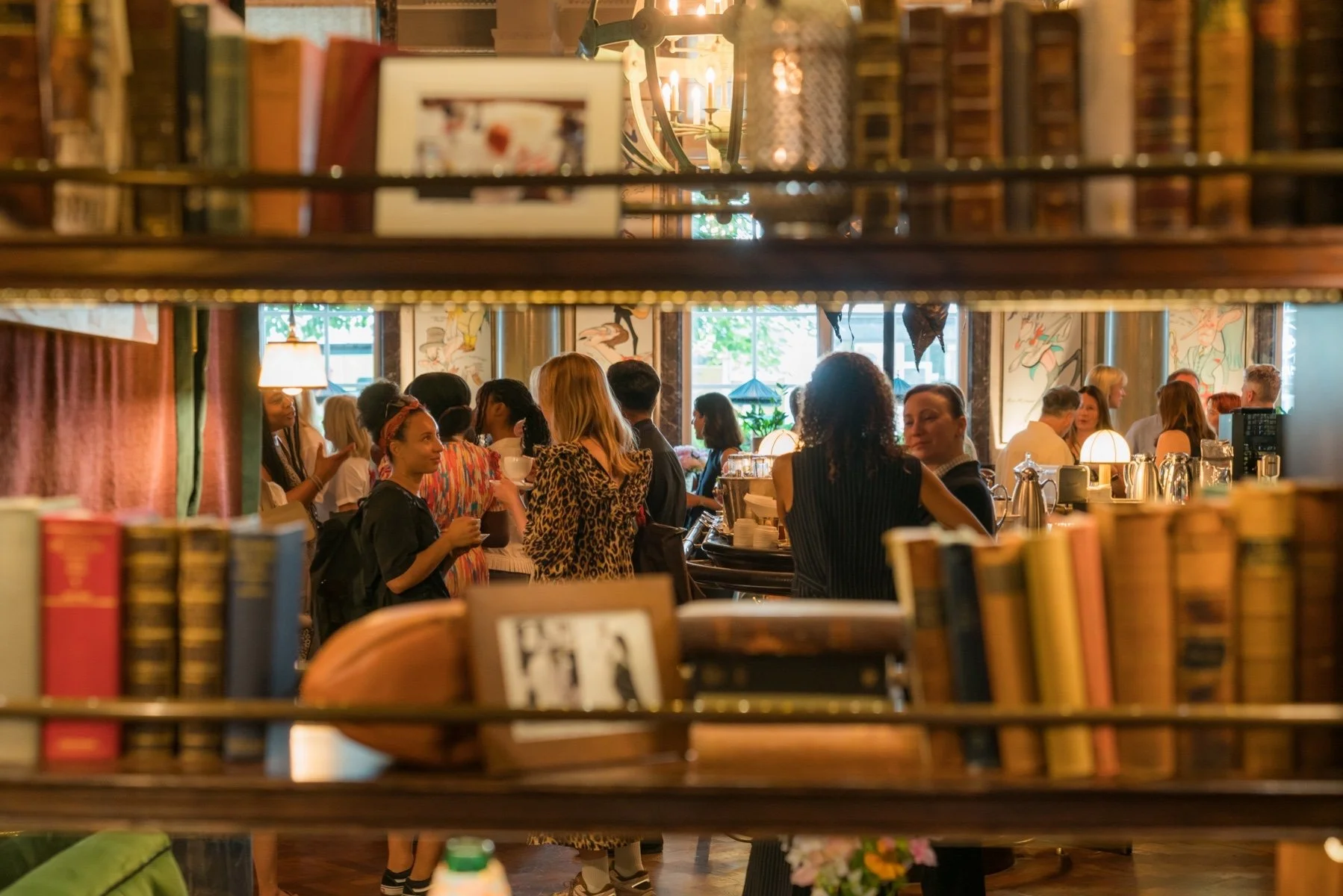
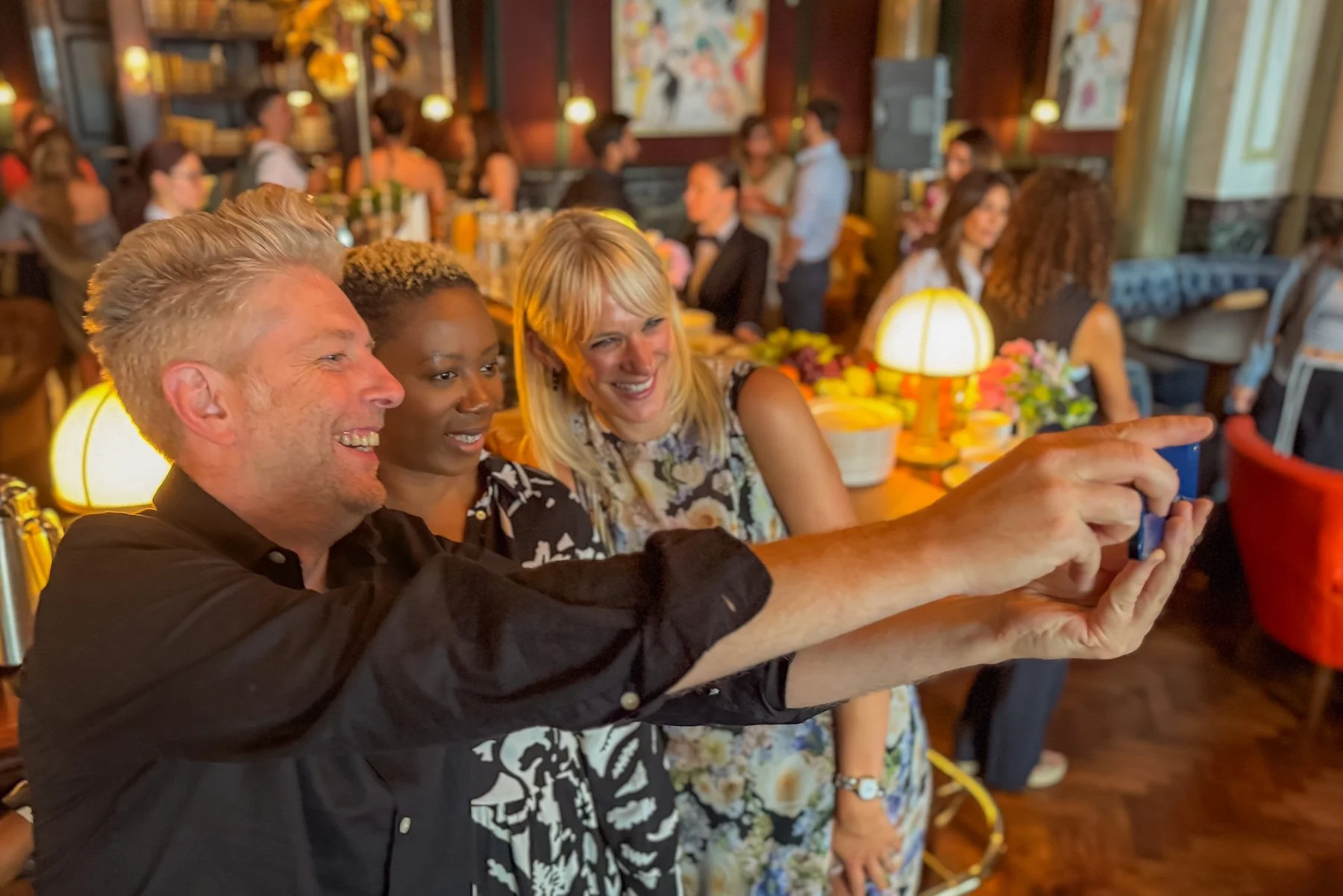
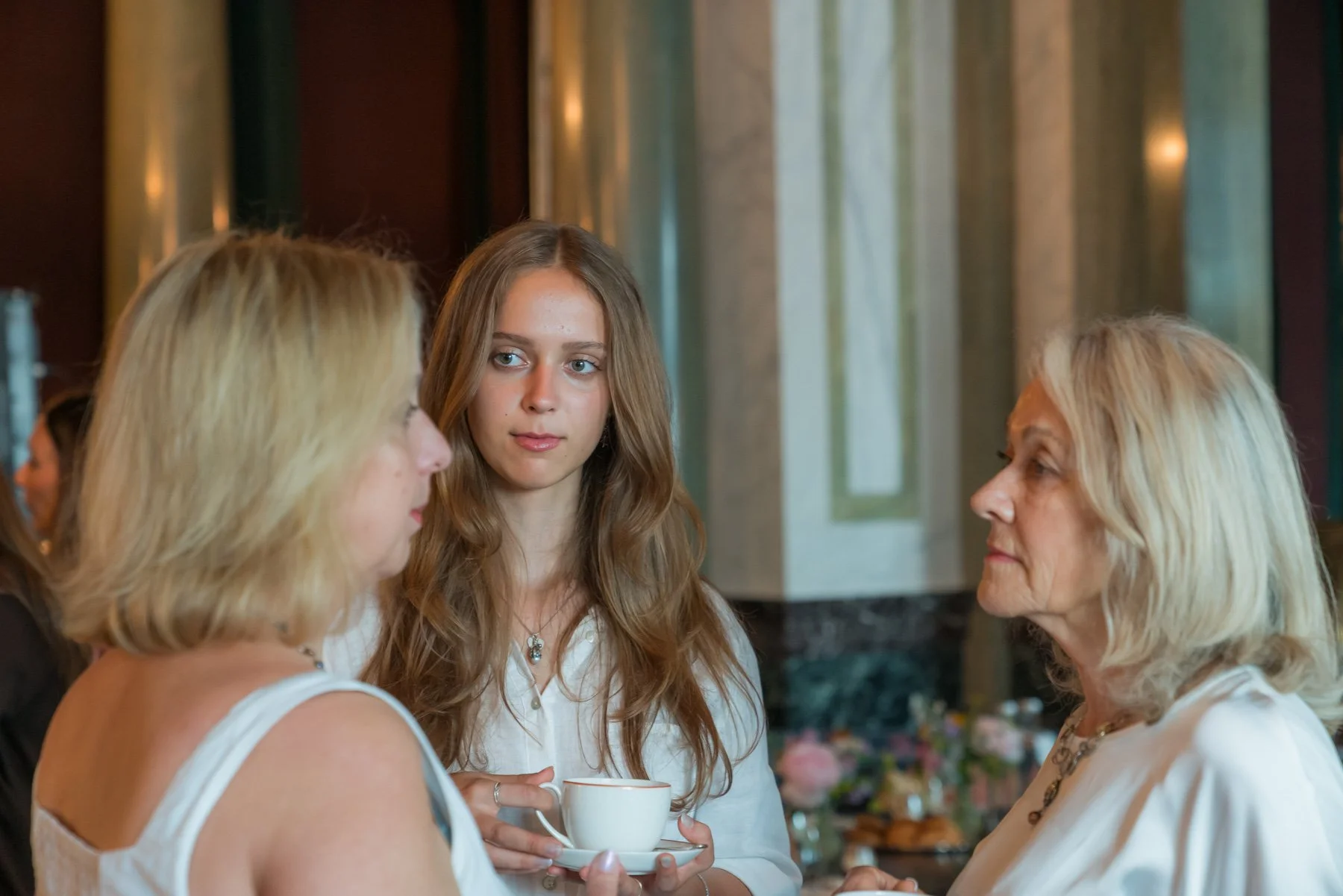
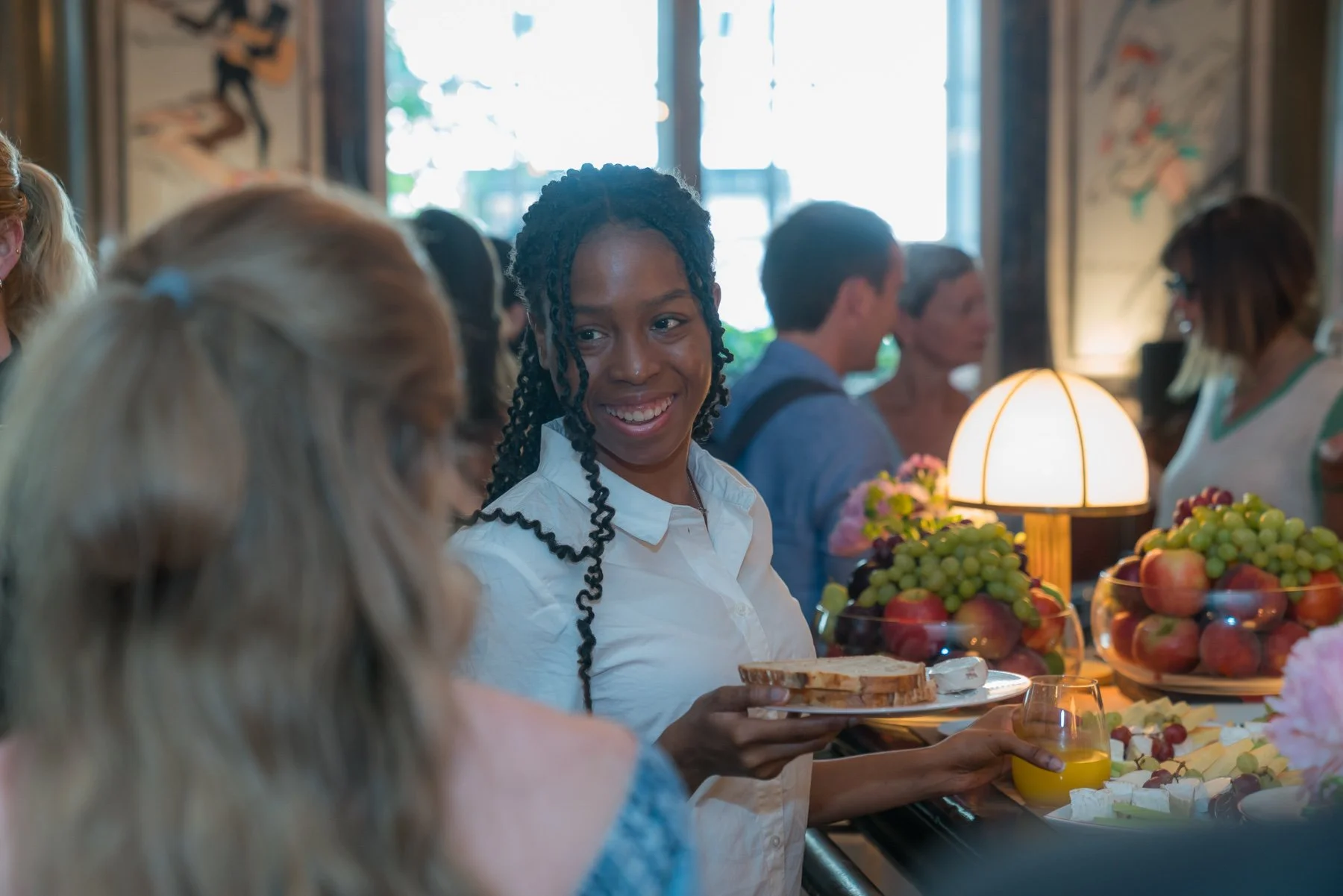
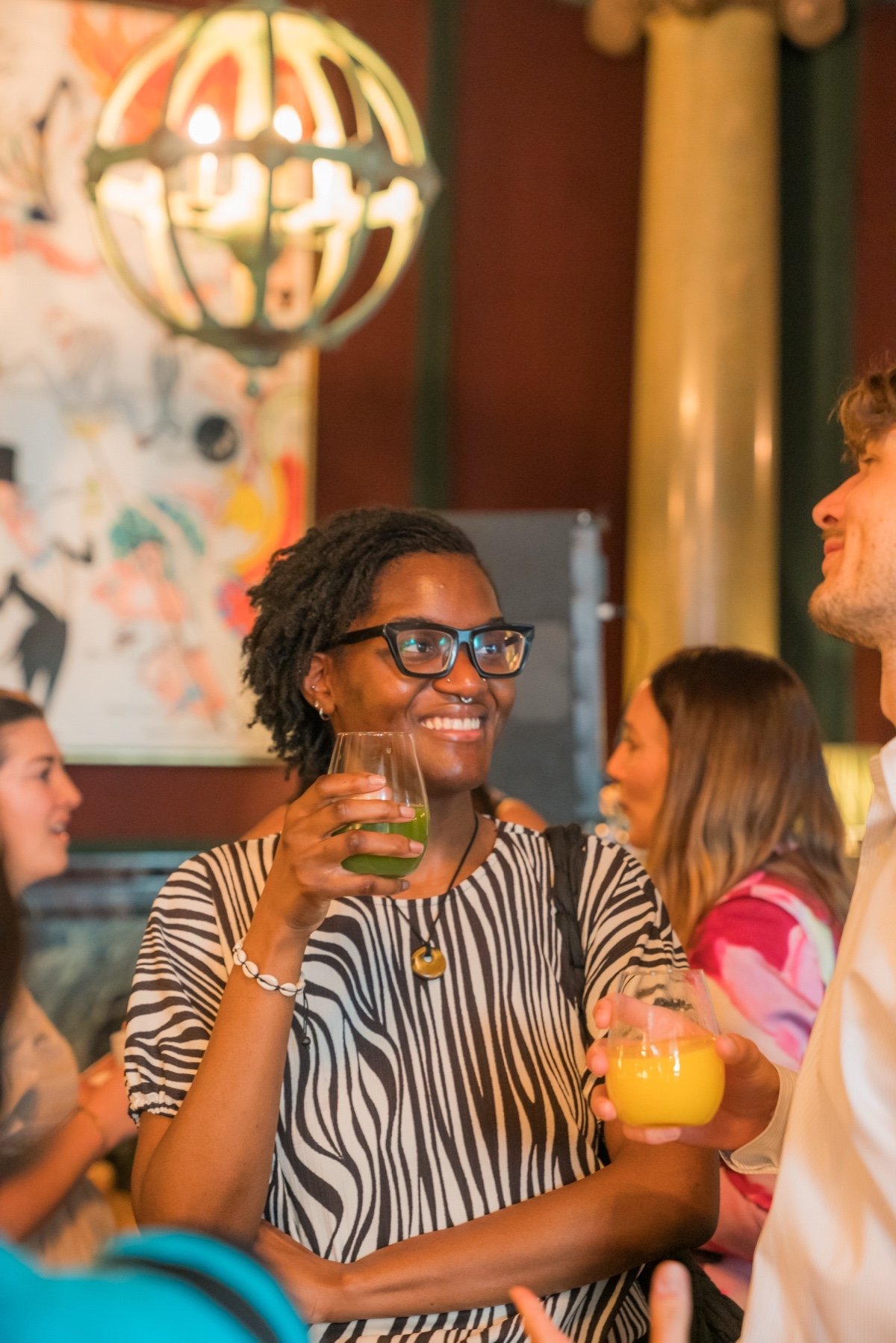
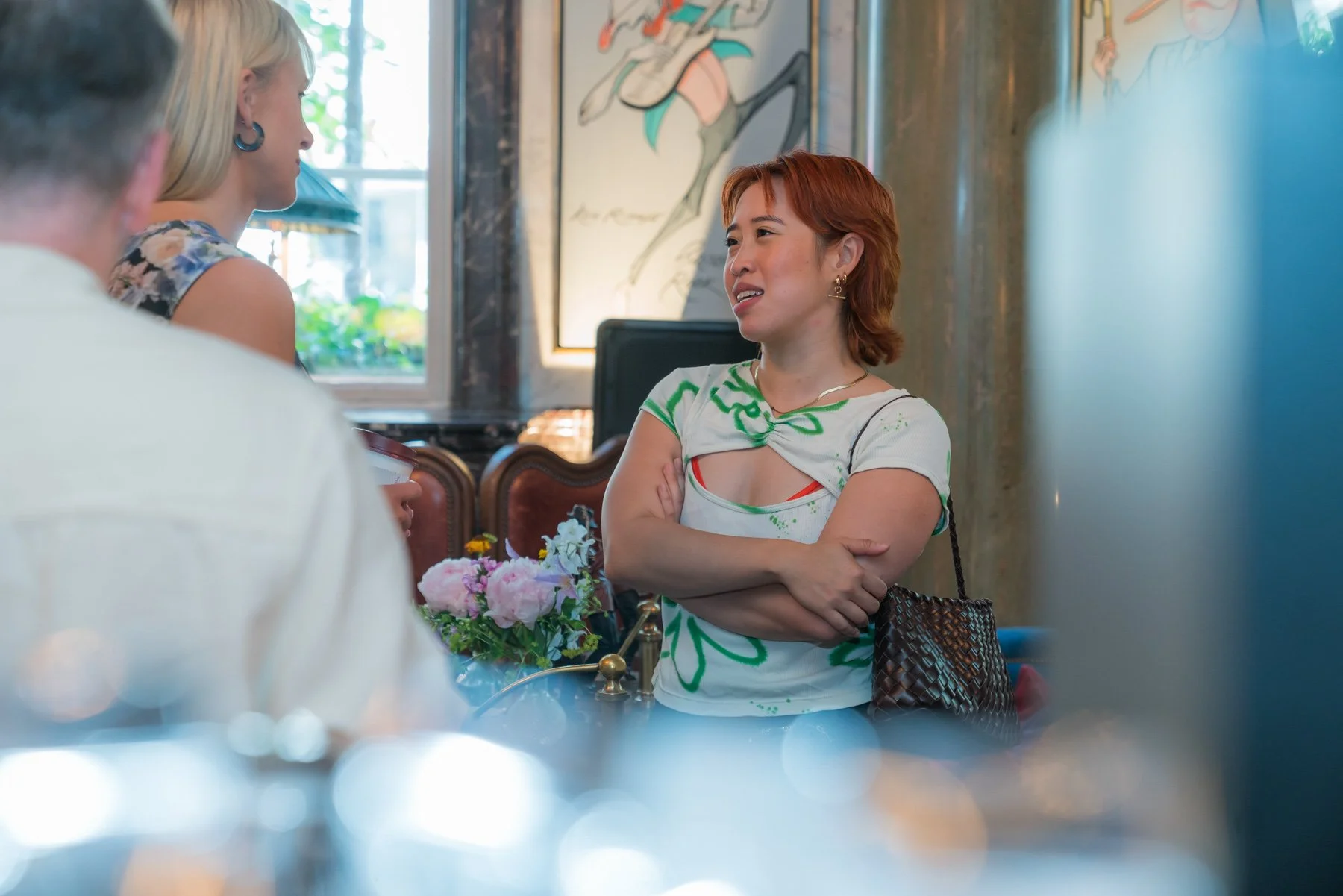
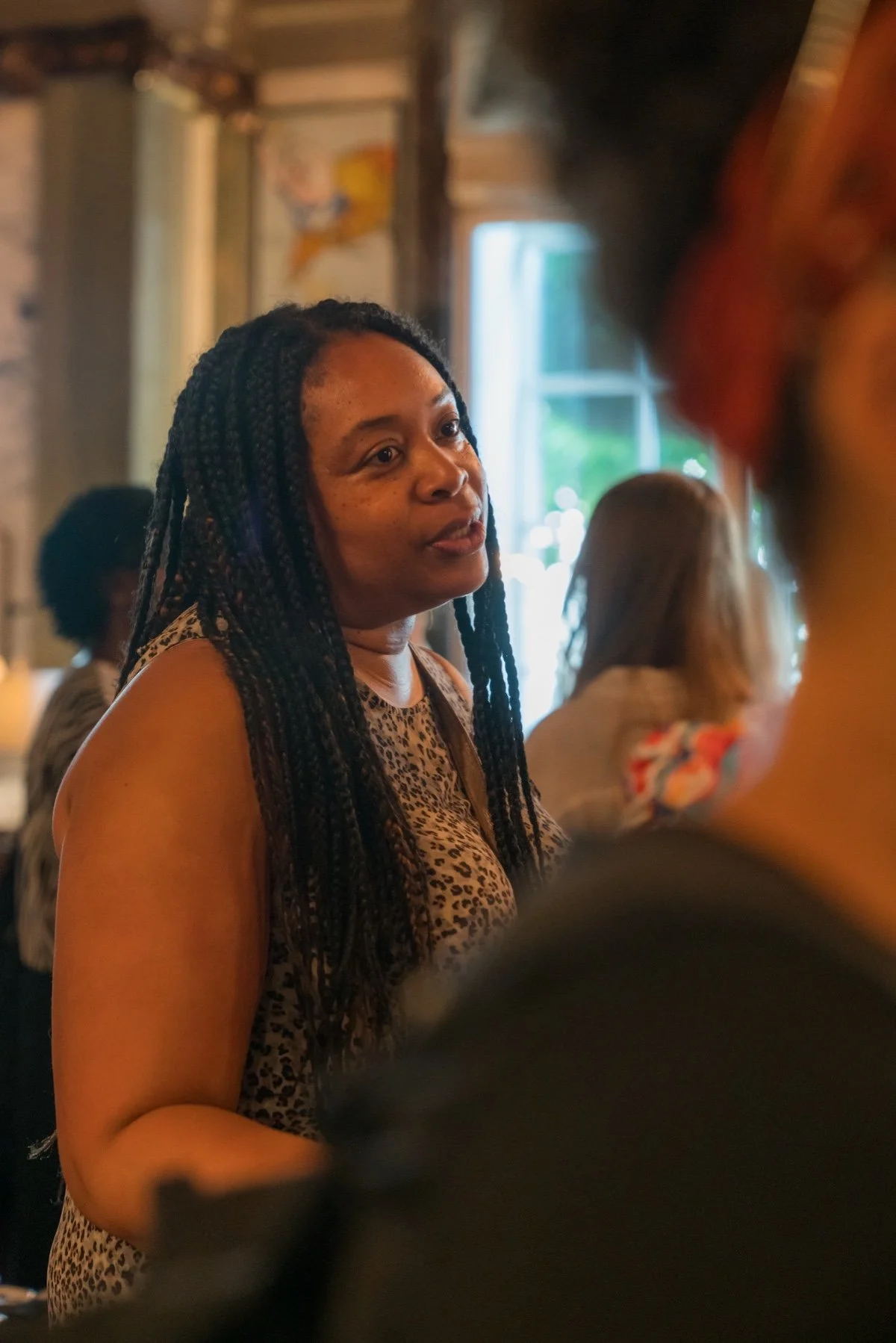
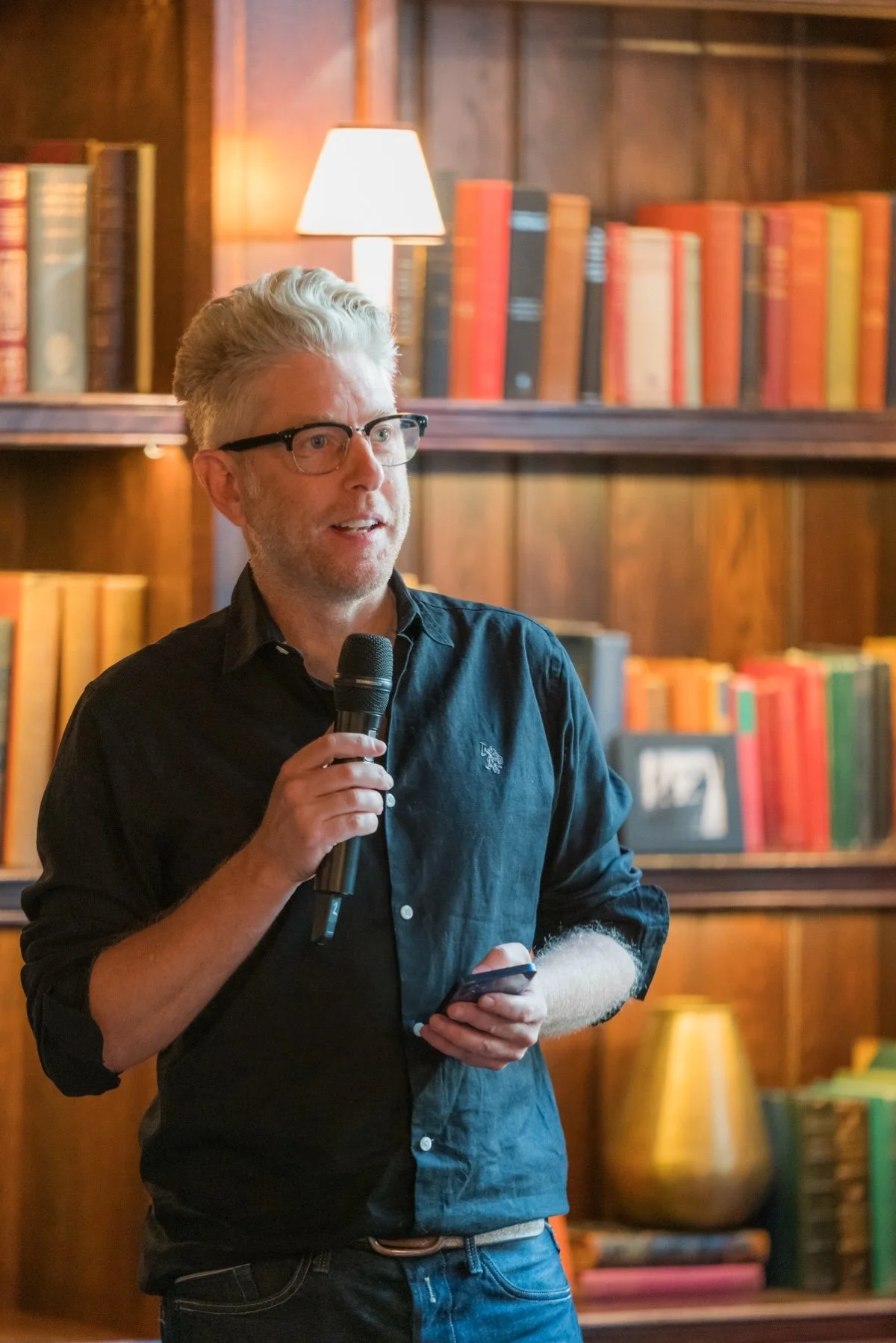
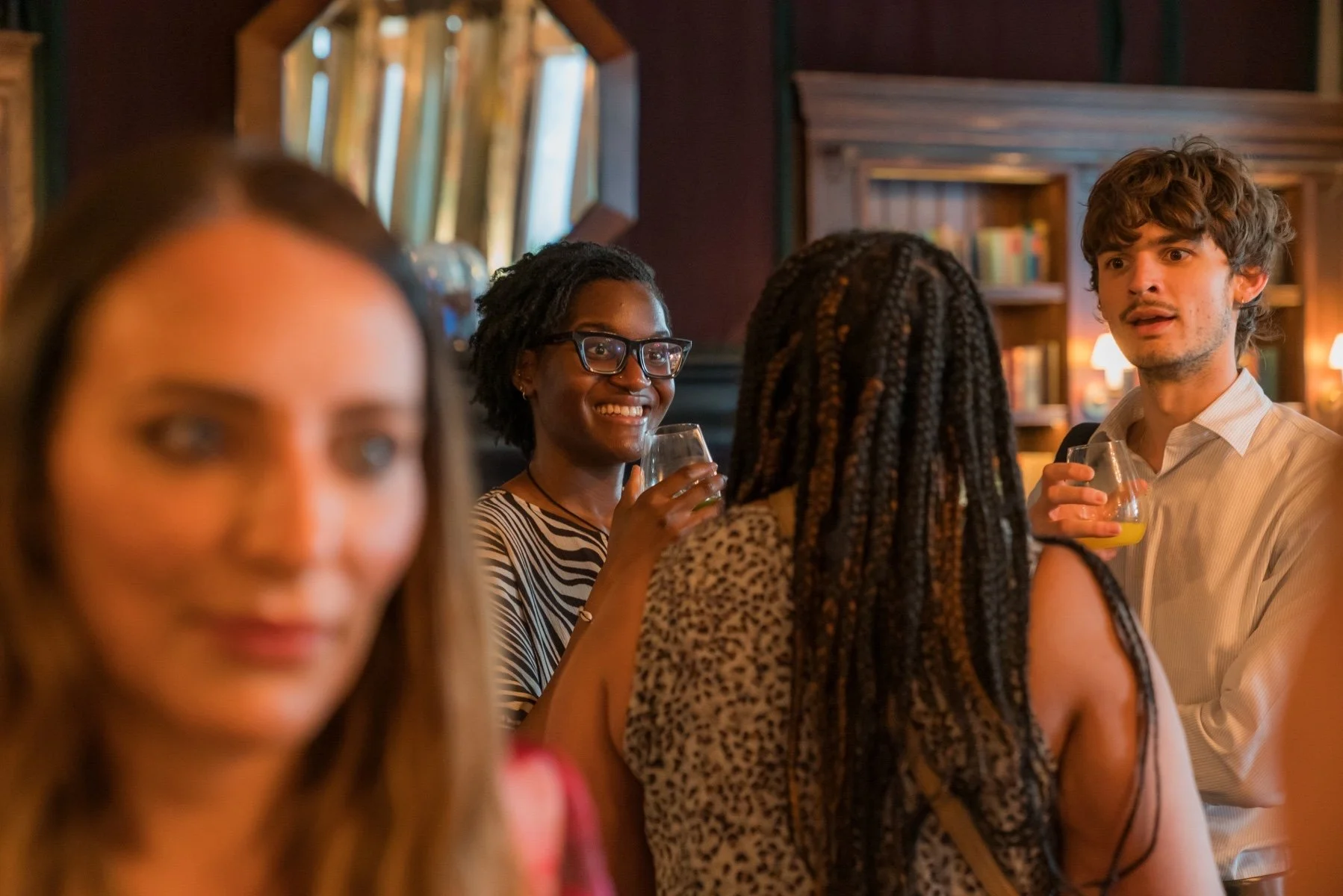
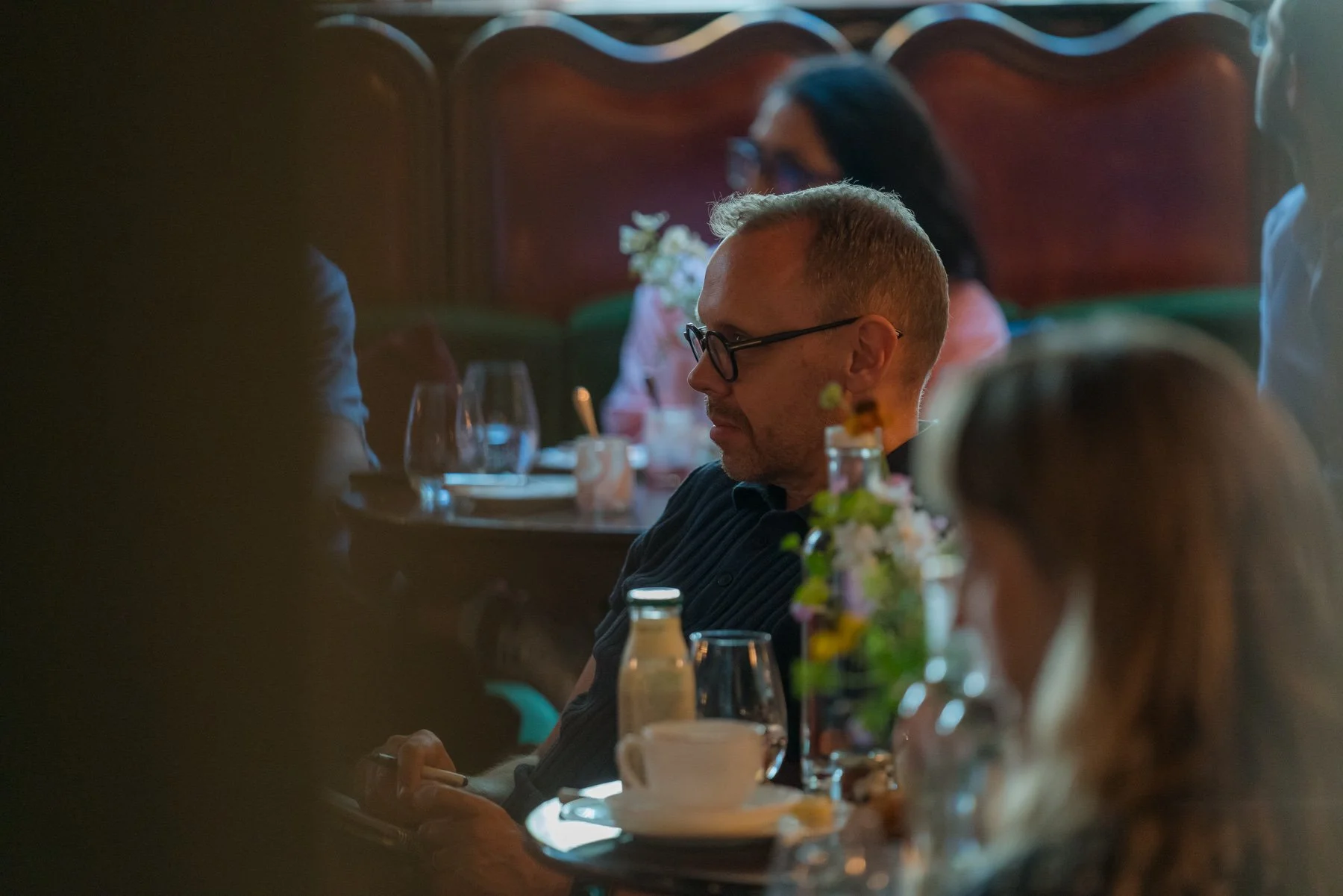
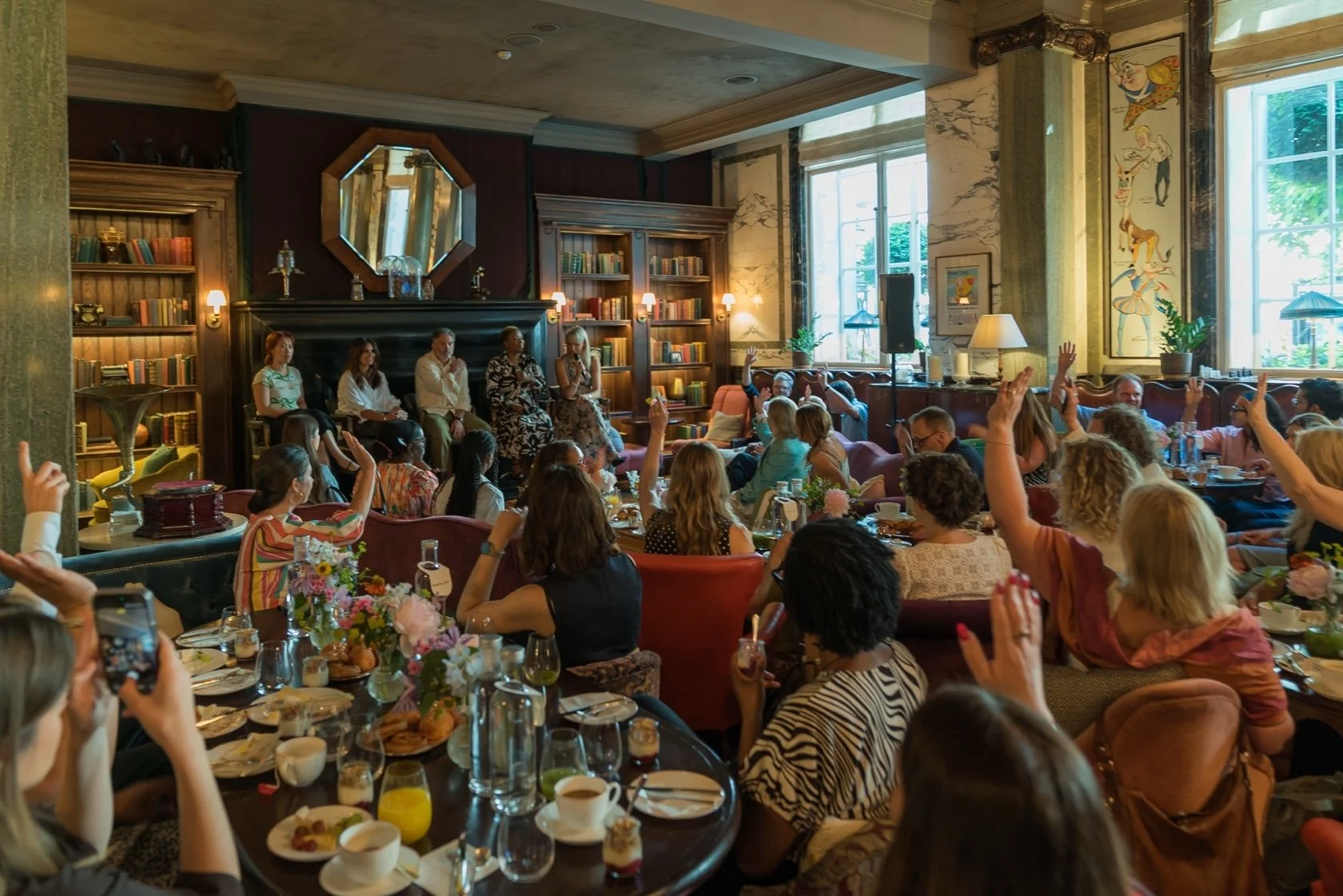
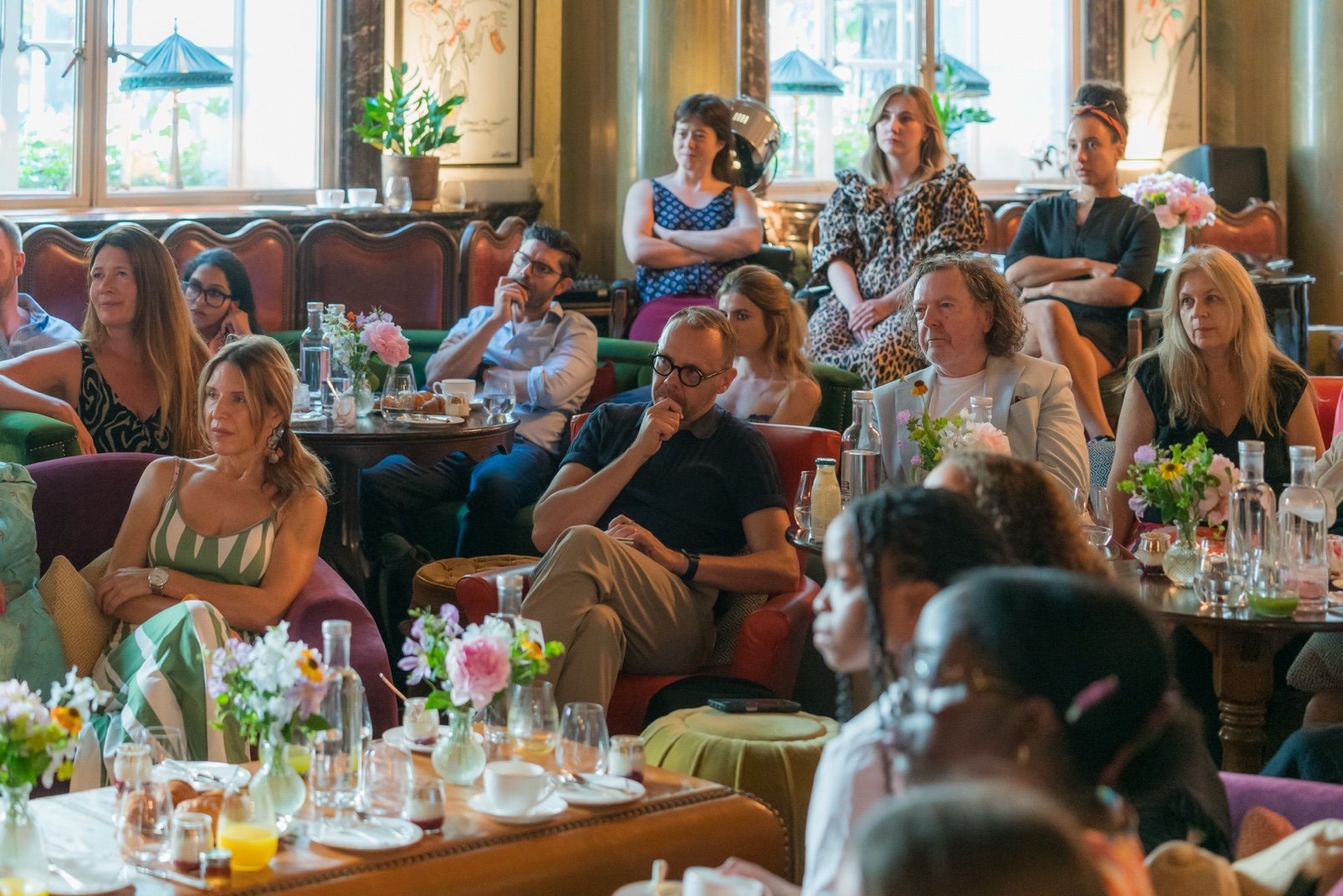
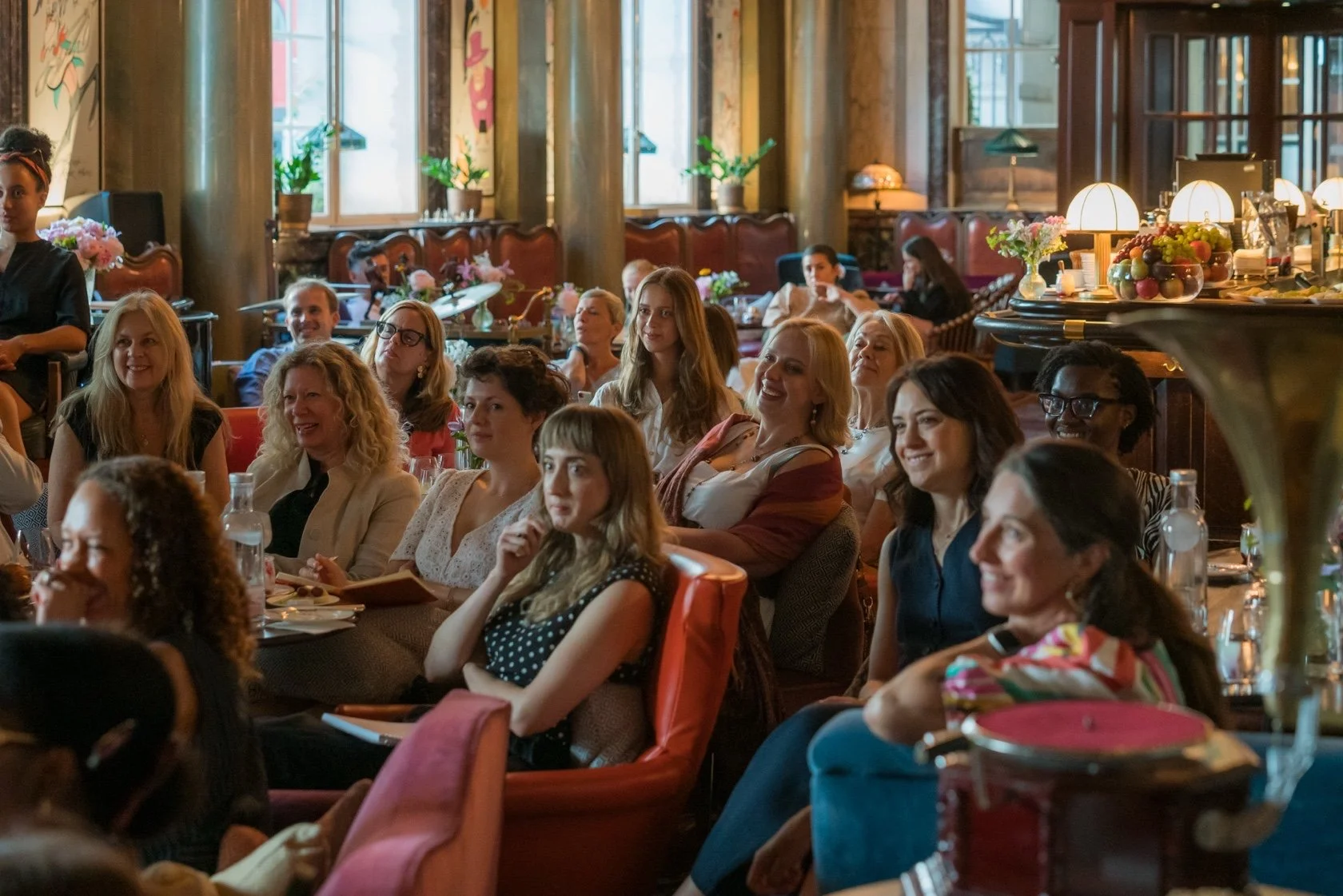
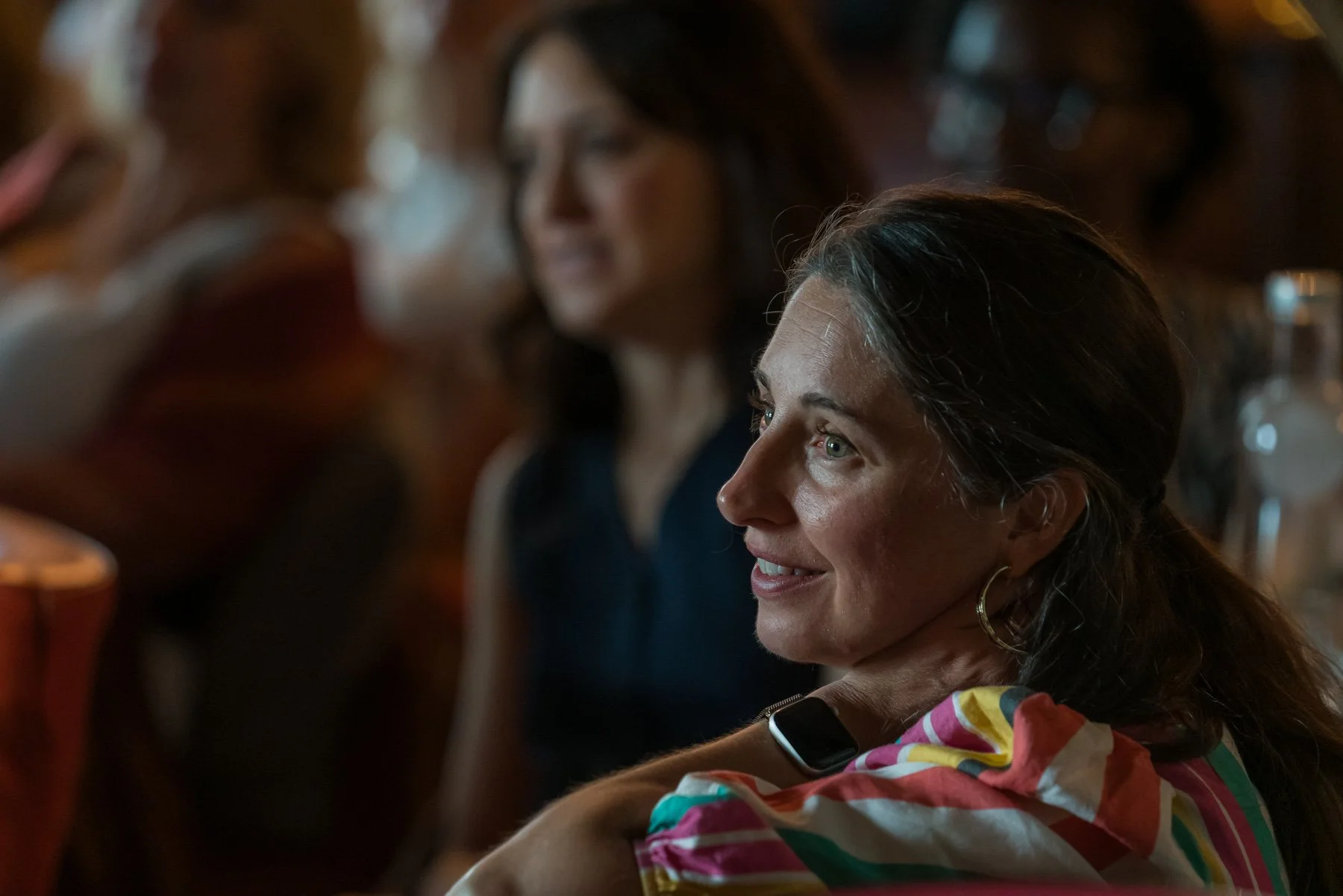
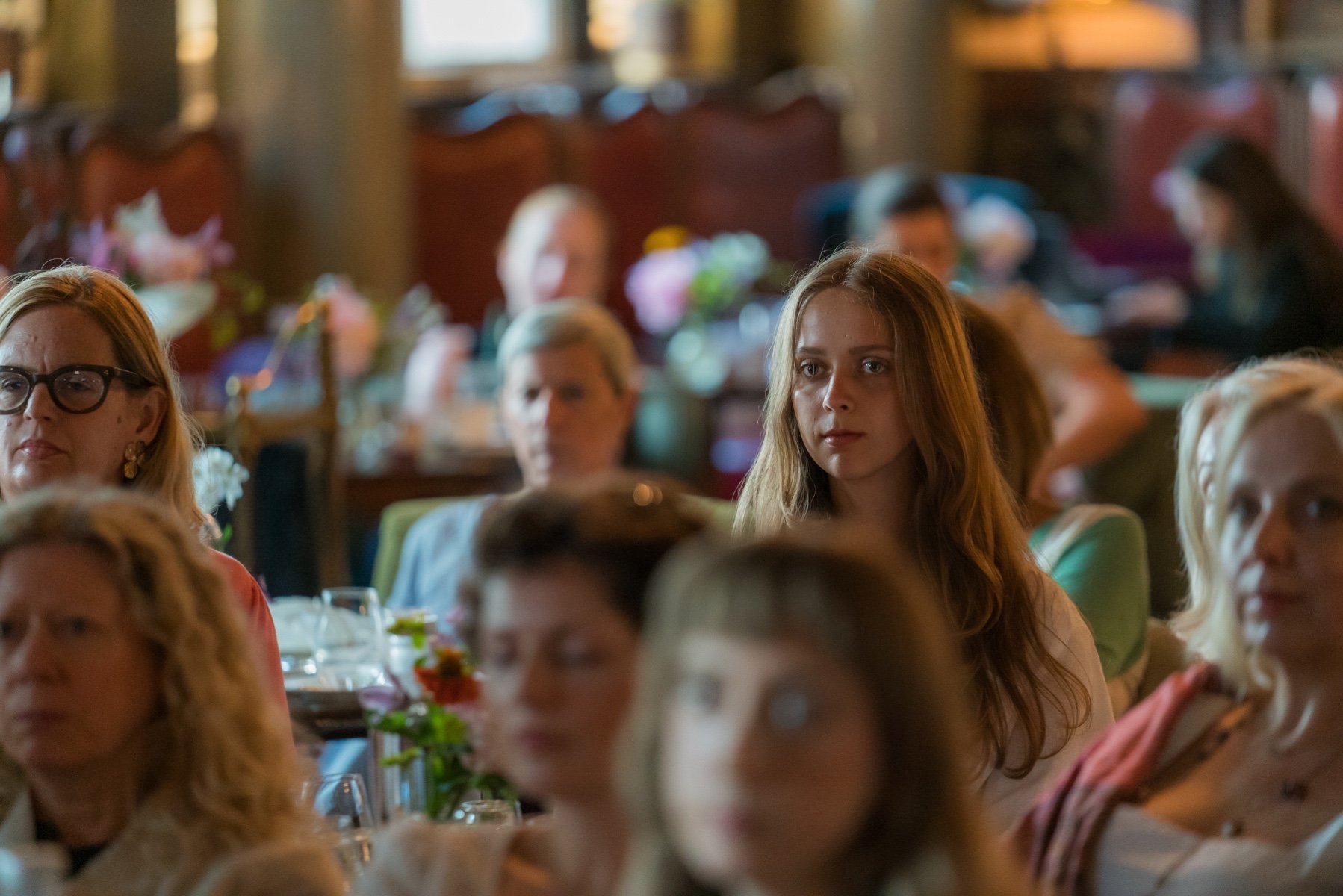
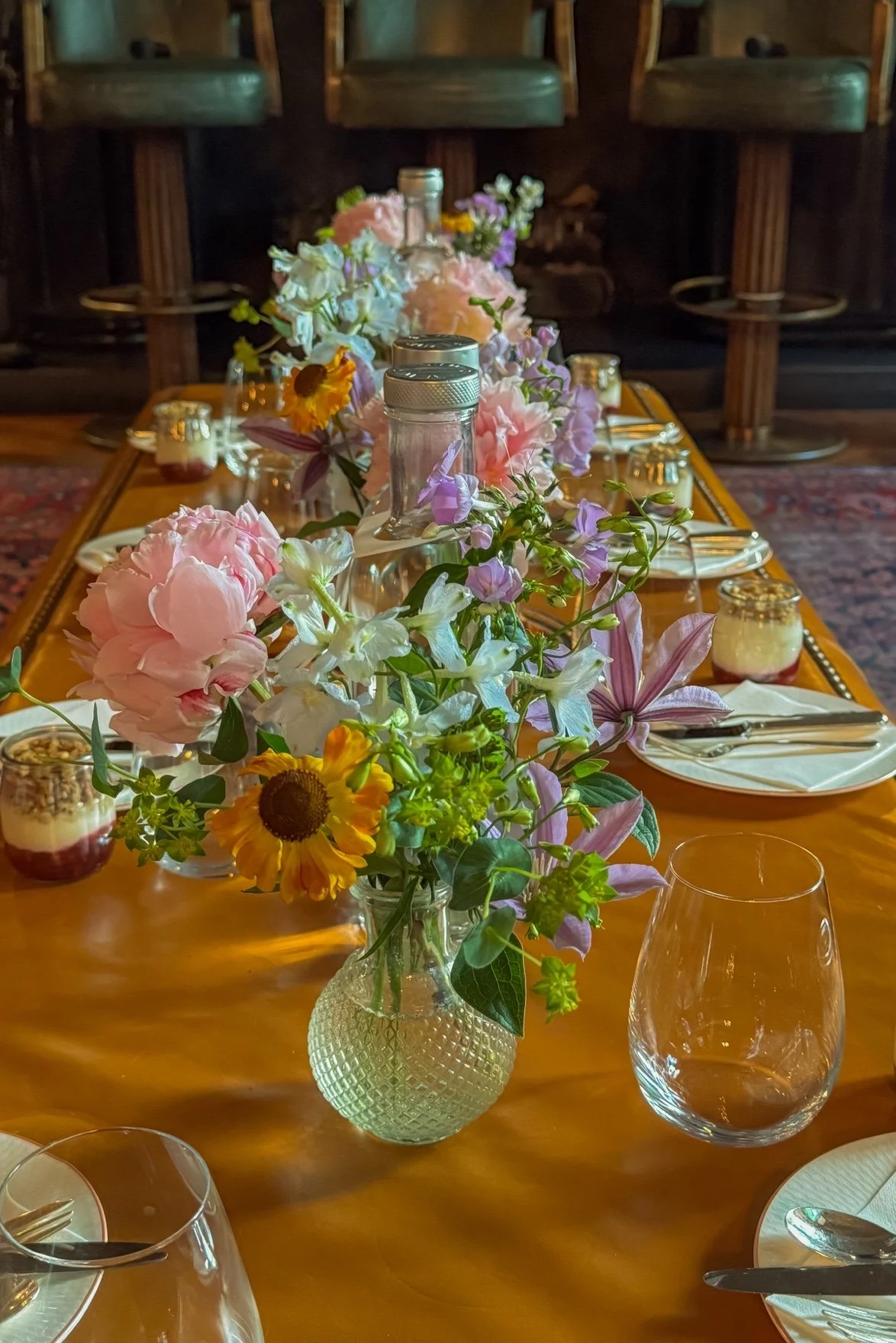
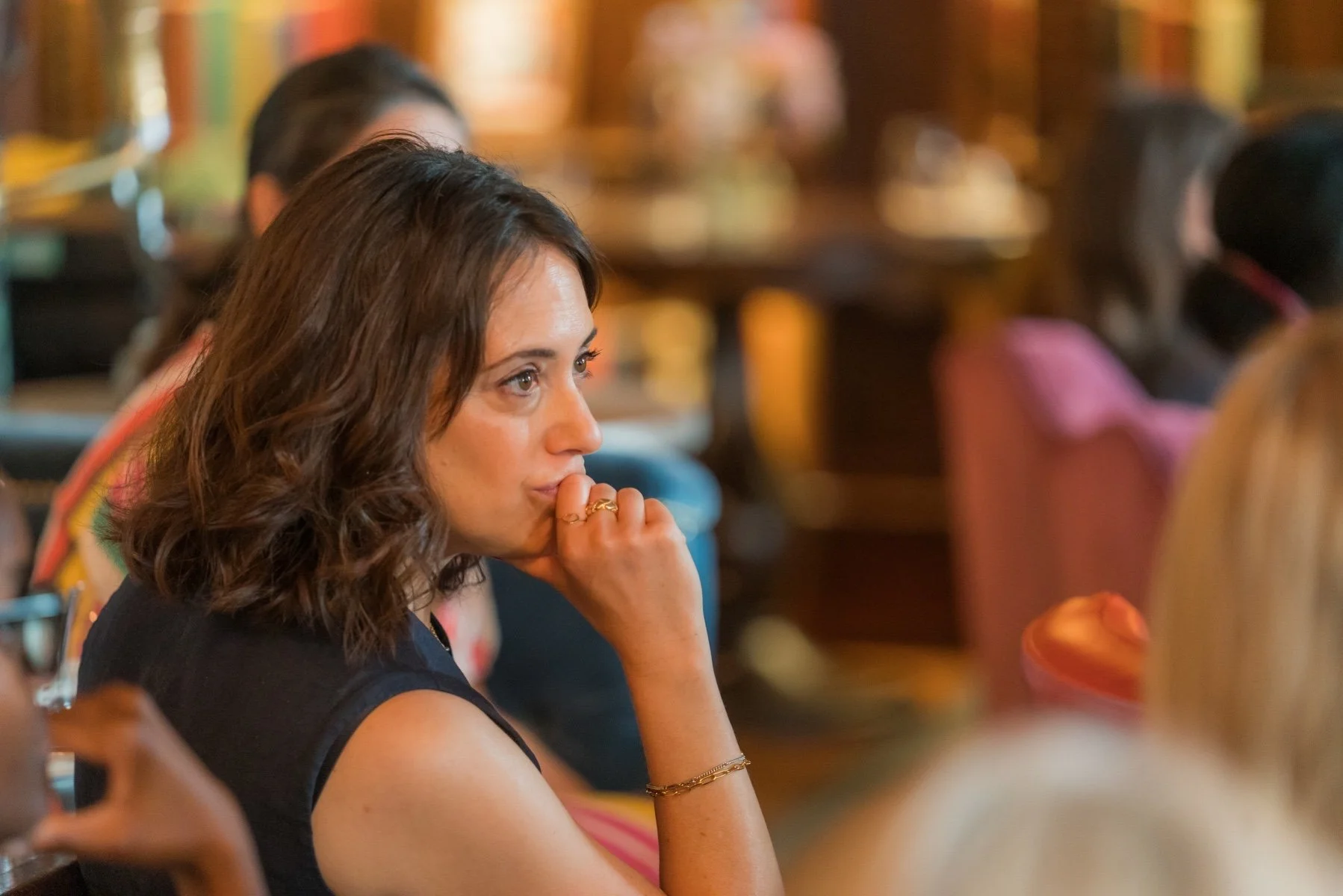
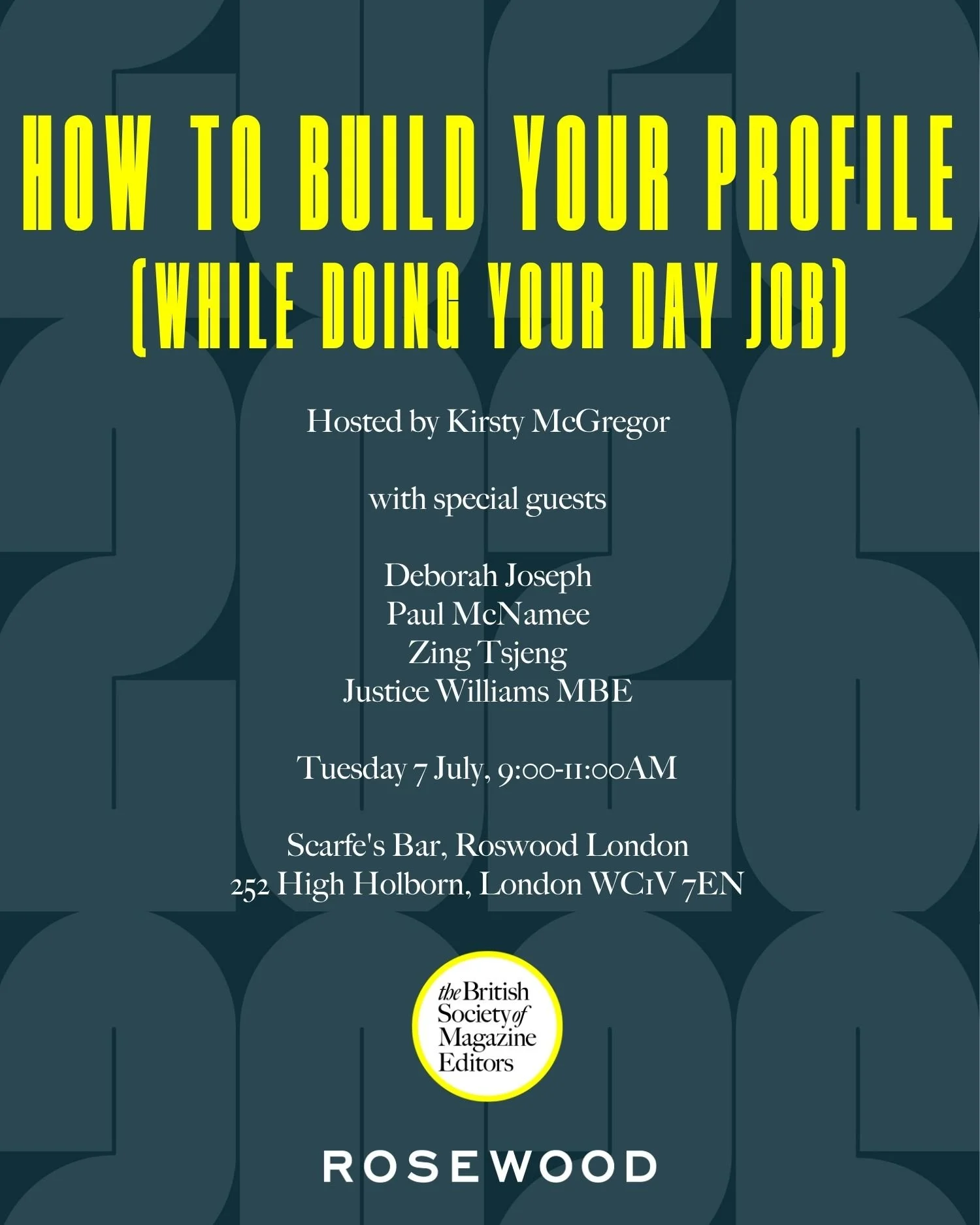
Thank you to everyone who joined us at the Rosewood London for our breakfast event. We heard some really useful insights into how journalists can build their own personal brands authentically. A huge thank you to Deborah Joseph, Paul McNamee, Zing Tsjeng, and Justice Williams MBE for sharing their fascinating knowledge, and a special thank you to Kirsty McGregor for hosting.
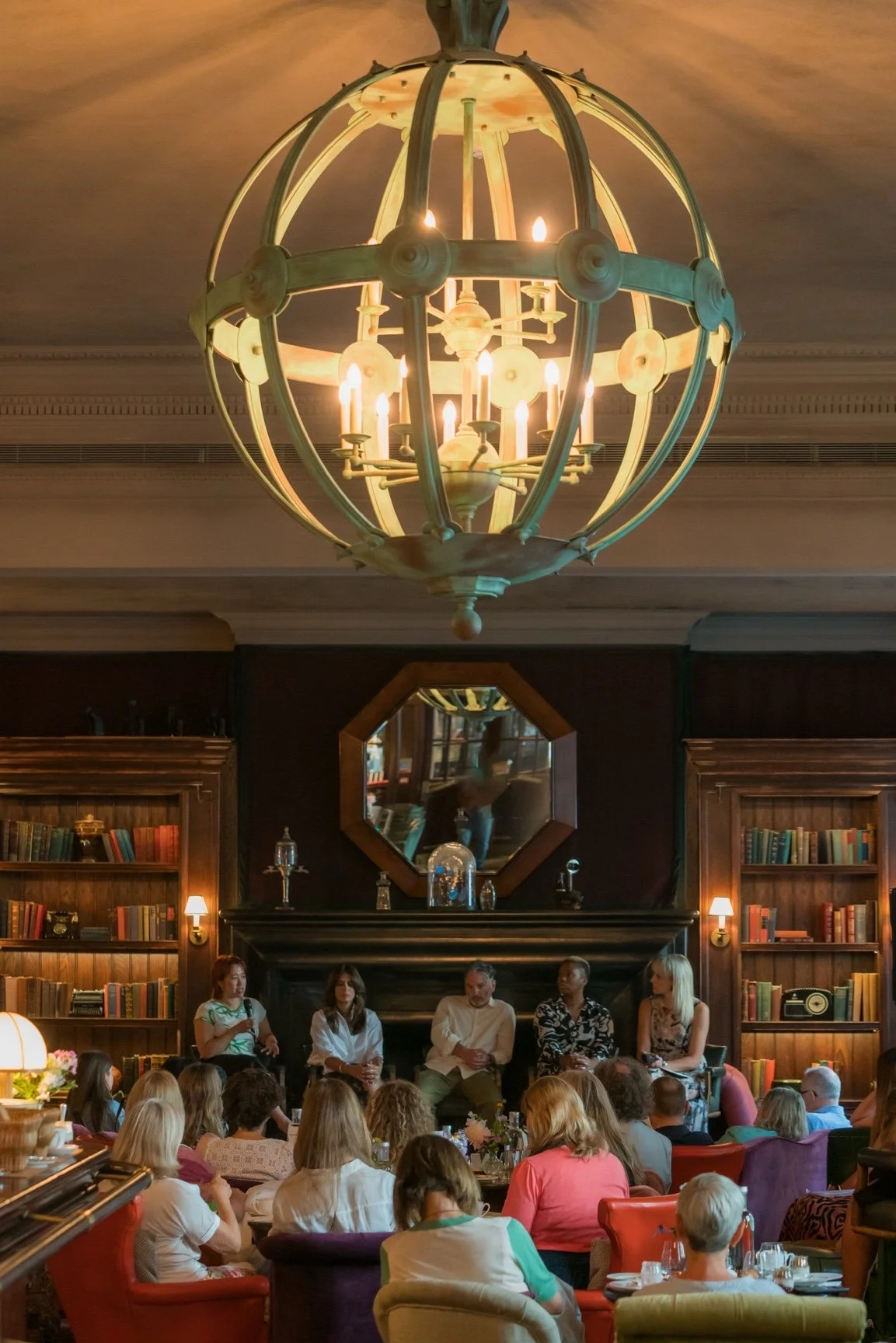
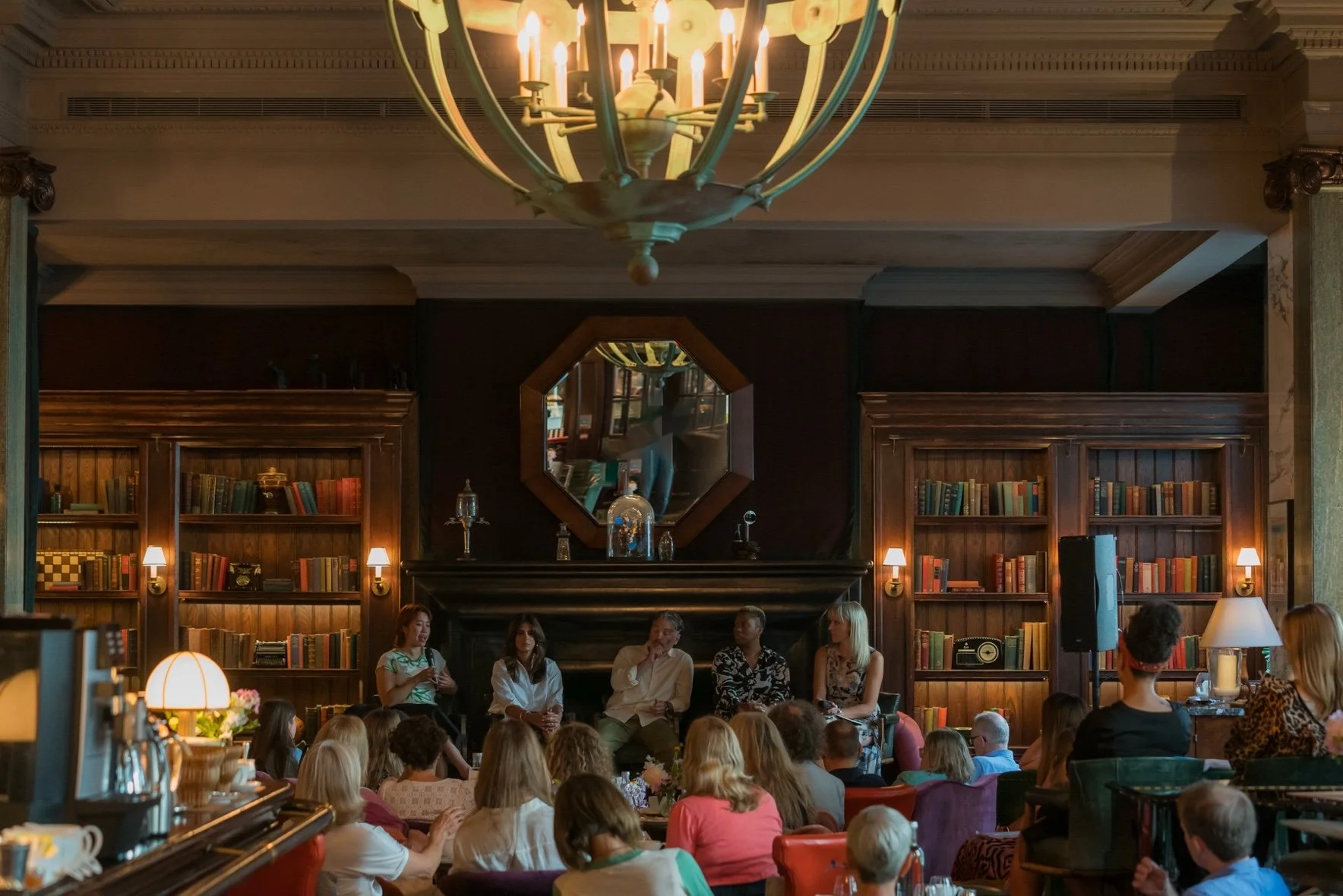
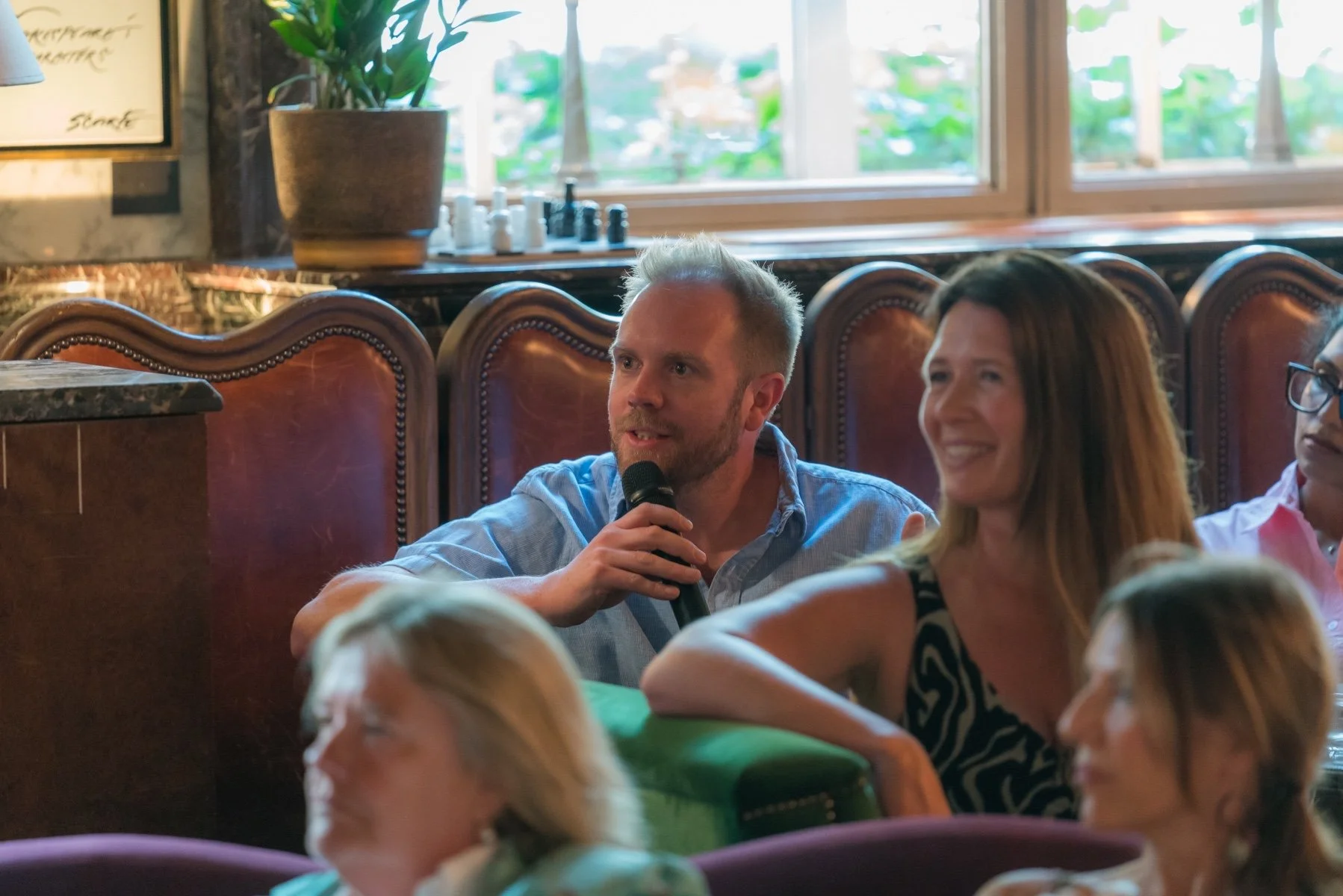
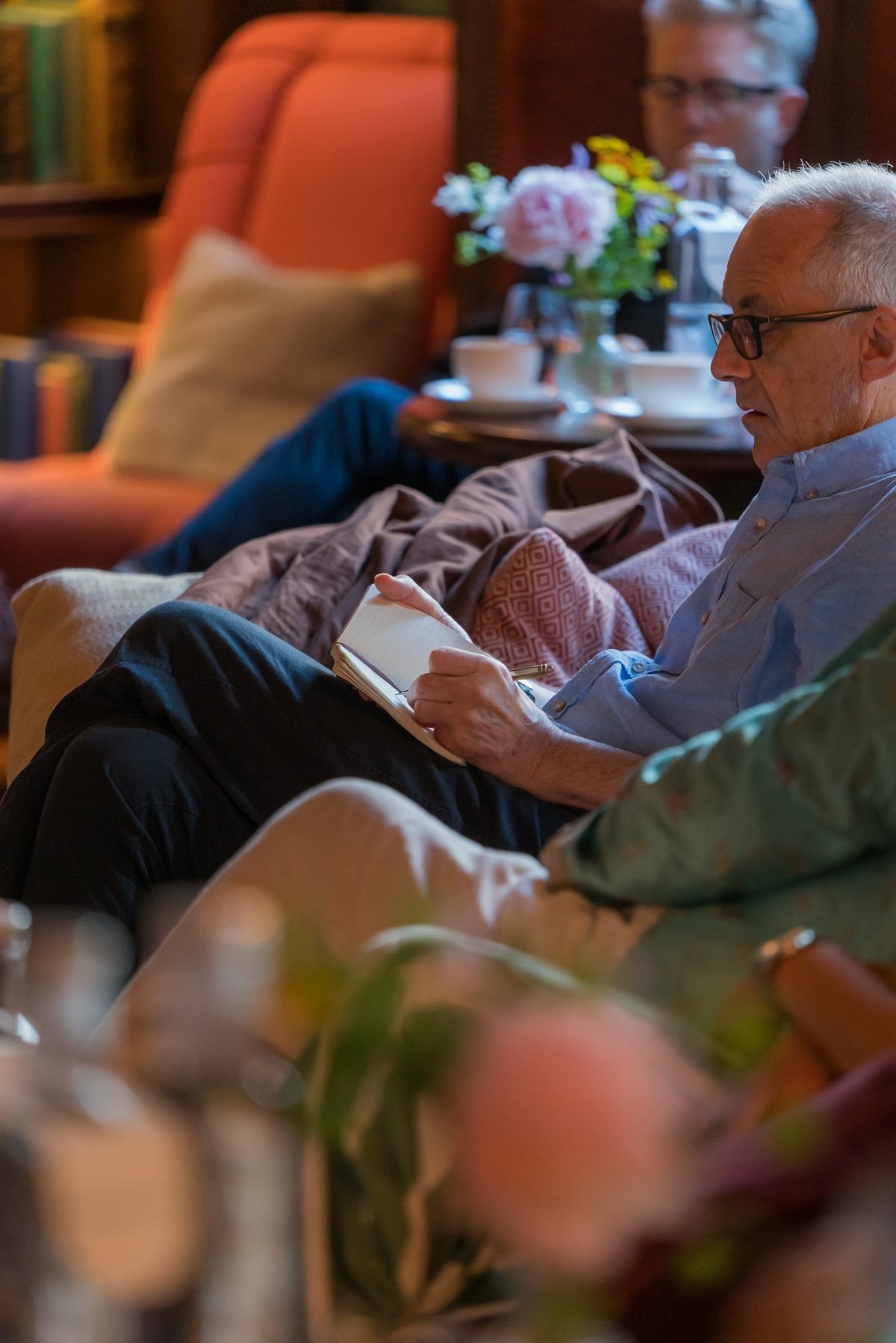
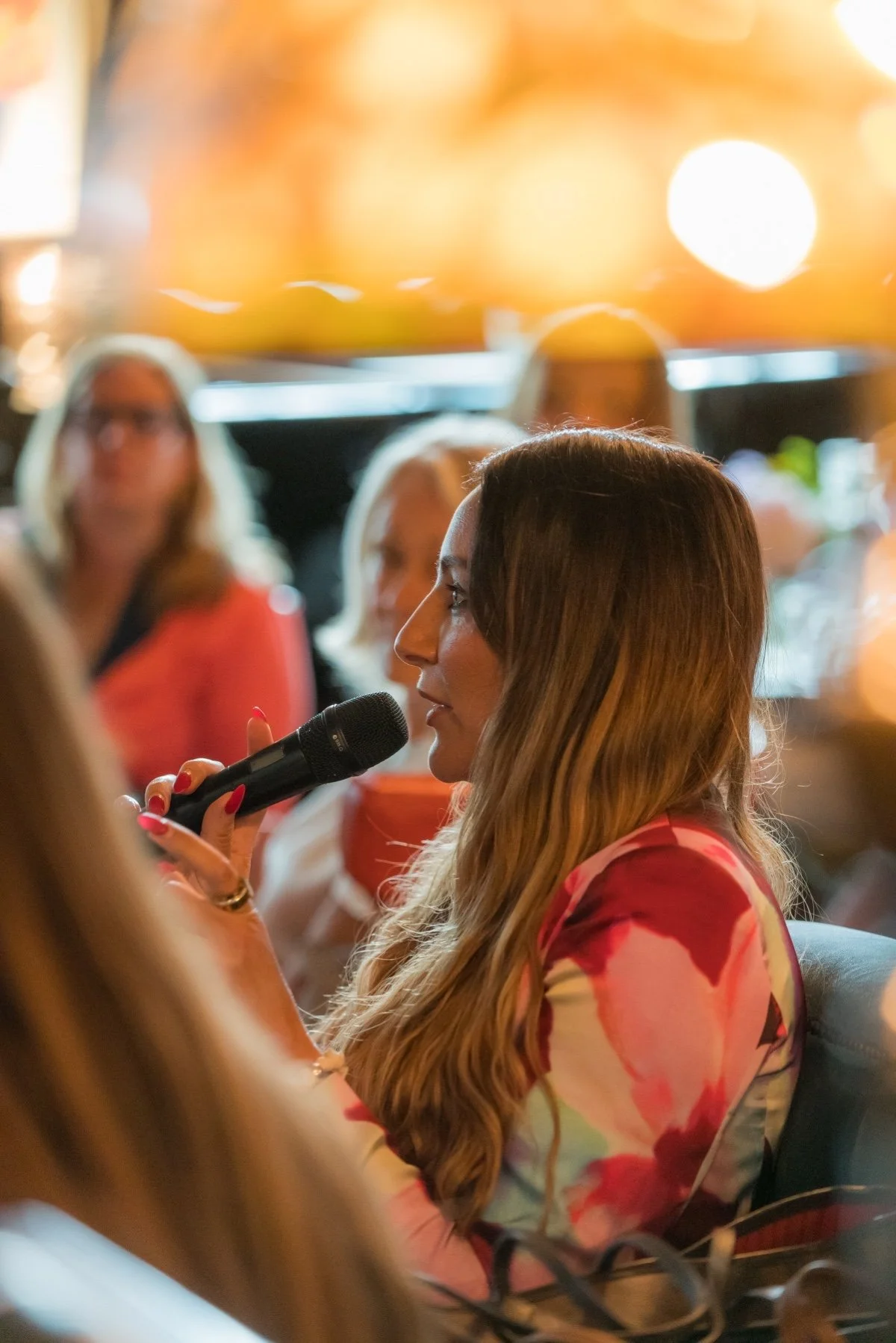
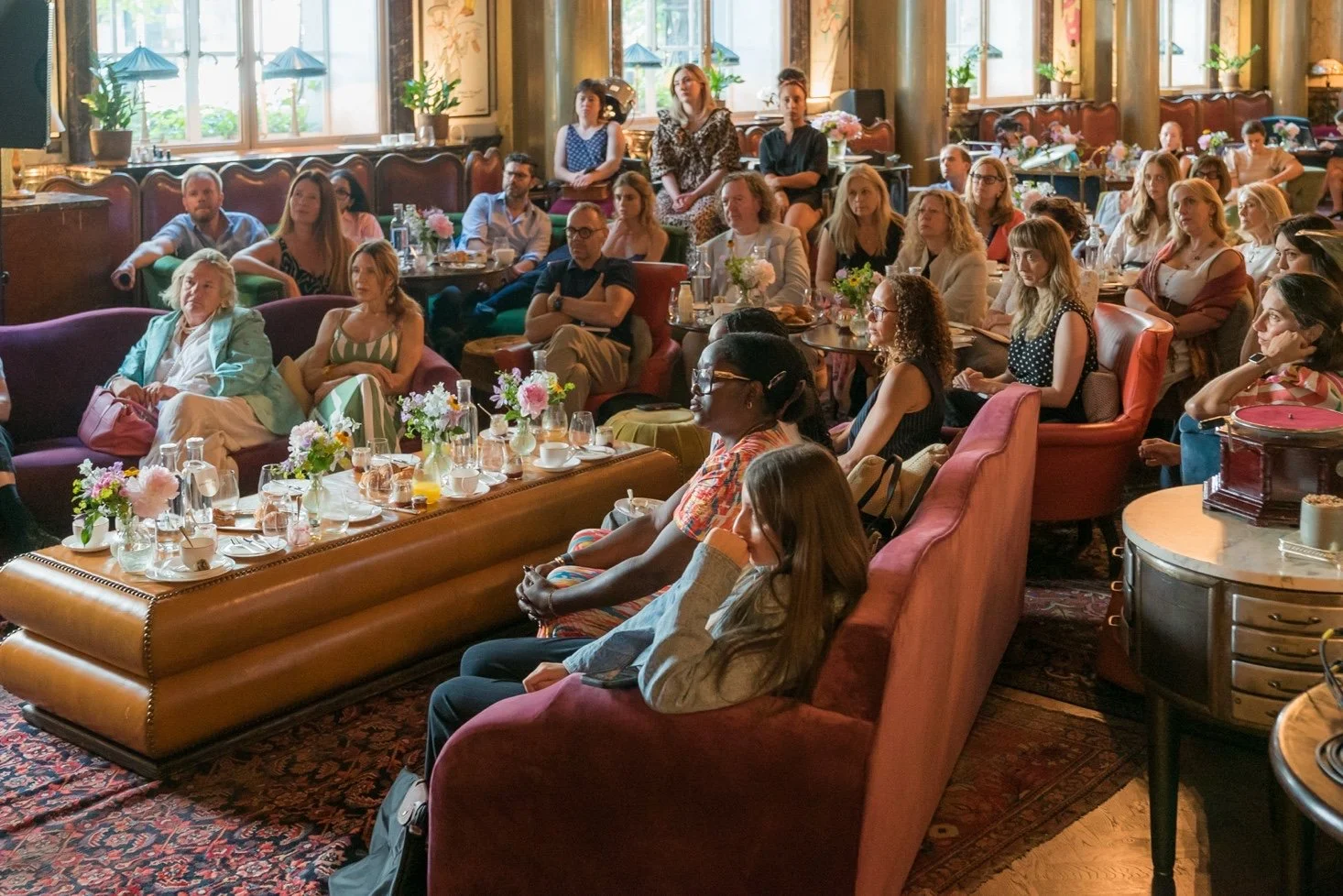
A social media presence and a personal brand seem to have become requirements for journalists. But are the two intrinsically connected? And how do we go about standing out amongst the sea of other content creators? To answer these and other burning questions, the BSME hosted the panel “How to build your profile (while doing your day job)” this Tuesday, at the Rosewood London’s Scarfe’s Bar.
Kickstarting the conversation, the panel’s host and former executive editor at Vogue Business, Kirsty McGregor, asked for a show of hands from those who don’t feel like they are doing enough to build their profile. If there were any hands left un-raised, they were impossible to spot. Thankfully, panelists Deborah Joseph, former editor at Glamour, Paul McNamee, former editor of The Big Issue, Justice Williams MBE, co-founder and editor-in-chief of Black Business Magazine and brand authority strategist, and Zing Tsjeng, former editor-in-chief at VICE, shared their expert tips on where to get started, how to be consistent and why nurturing a profile is important in the first place.
During the discussion, the panelists spoke of how expertise and consistency go way further than production quality, building a brand outside of social media, and tips for overcoming the fear of being perceived by friends and family — such as starting a separate account, or blocking them from your current one.
Here are some of the key takeaways:
1- Building a brand is not all about social media. While it is true that numbers and followers are important when looking for brand partnerships, for freelance journalism those don’t matter as much. There are also other paths, such as attending events, networking with the right people, or having published bylines, that contribute to a profile. “You have [a personal brand] whether you like it or not. It’s what people say about you when you’re not in the room”, said Justice Williams MBE. “You may as well build it intentionally.”
2- Be authentic. Your personal brand should be about who you are and what you’re interested in. “If you’re true to yourself, that has to be the right route”, said Deborah Joseph. She highlighted how people can tell when you’re pretending to be someone you’re not, which in turn puts them off from engaging with your content.
3- You do not have to do everything, everywhere, all at once. Between Instagram, TikTok, LinkedIn, Substack, podcasts, articles, videos and the overwhelming amount of other platforms and media formats out there, it’s tempting to try and do everything at the start. In order to build a following, however, Justice Williams MBE, advises otherwise. “Don't overwhelm yourself, she said. “I’d say choose one platform for the next twelve months, and go all in.”
4- Anything can be content. Though Paul McNamee said this isn’t advice he always takes, otherwise you run the risk of creating boring content, it is true that there is an audience for every niche. “You do have to make a decision whether you want to be present [on social media] or not,” he said. “And if you are present, just put it up.”
5- Let go of the fear of being “cringe”. It holds many people back from building an online presence, but the social media landscape is currently full of creators spreading false information. It’s important for journalists to take up space, and use their reporting skills and expertise to combat this. “Your friends will think, ‘Oh, God, what is she saying? What is she doing?‘“, said Deborah Joseph. “And that's fine. It doesn't matter. You've just got to get over it.”
6- Your personality will bring people in. Zing Tsjeng said that journalists have a “church and state” perception of social media, where most are cautious of mixing personal and professional content on their platforms. But, according to her, showing parts of your life alongside professional endeavors gives people more incentive to follow you. “It makes you more relatable as a person”, she added.
7- Publications lose when discouraging writers from freelance work elsewhere. The most successful businesses, according to Justice Williams MBE, are supporting their staff in building their individual brands. Paul McNamee also pointed out that the most unique thing a publication often has is their staff’s voices and insight. “They’ve got something about them that brings people in,” he said. “So why not encourage them?”
Iona Correa
Photography: David Cotter