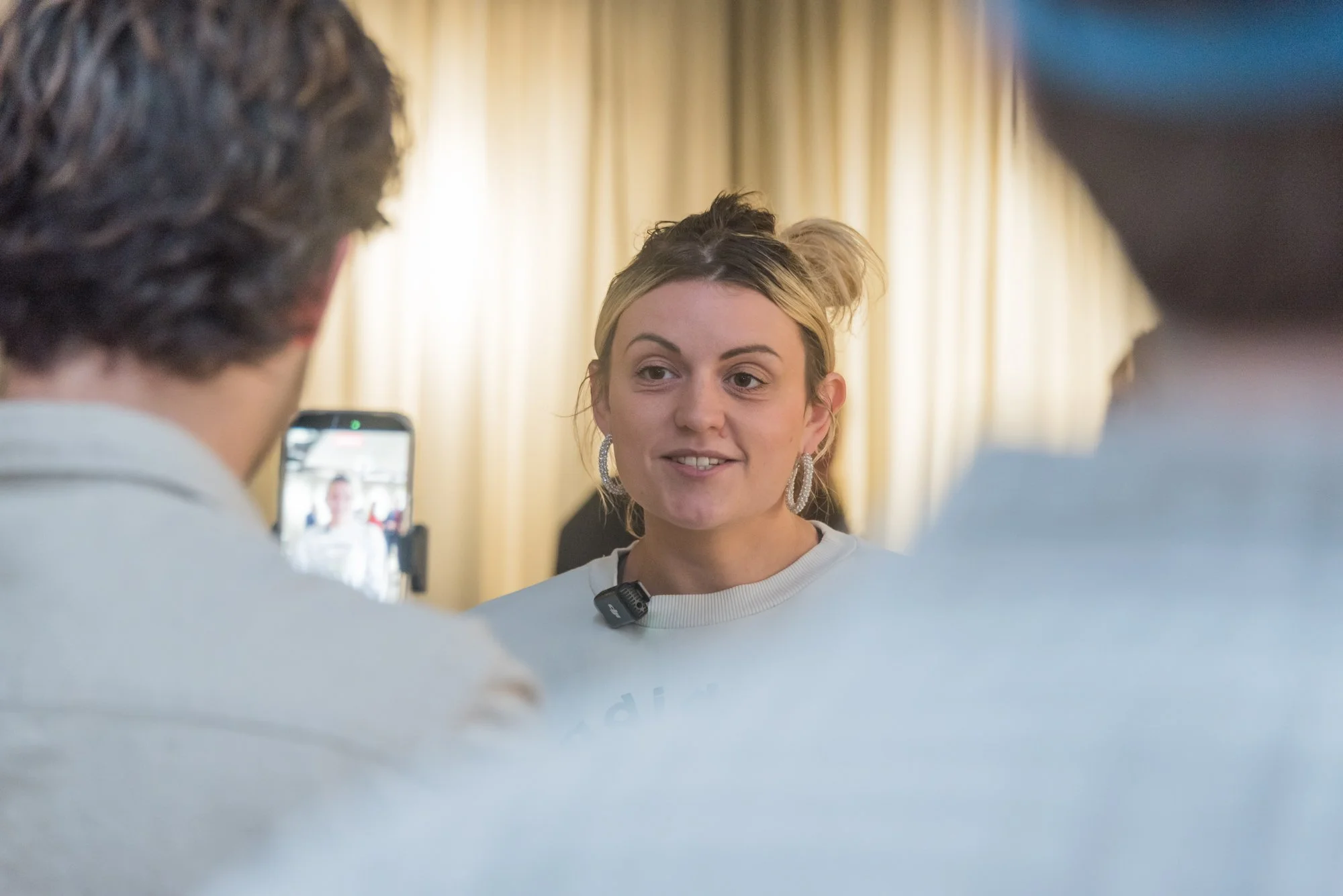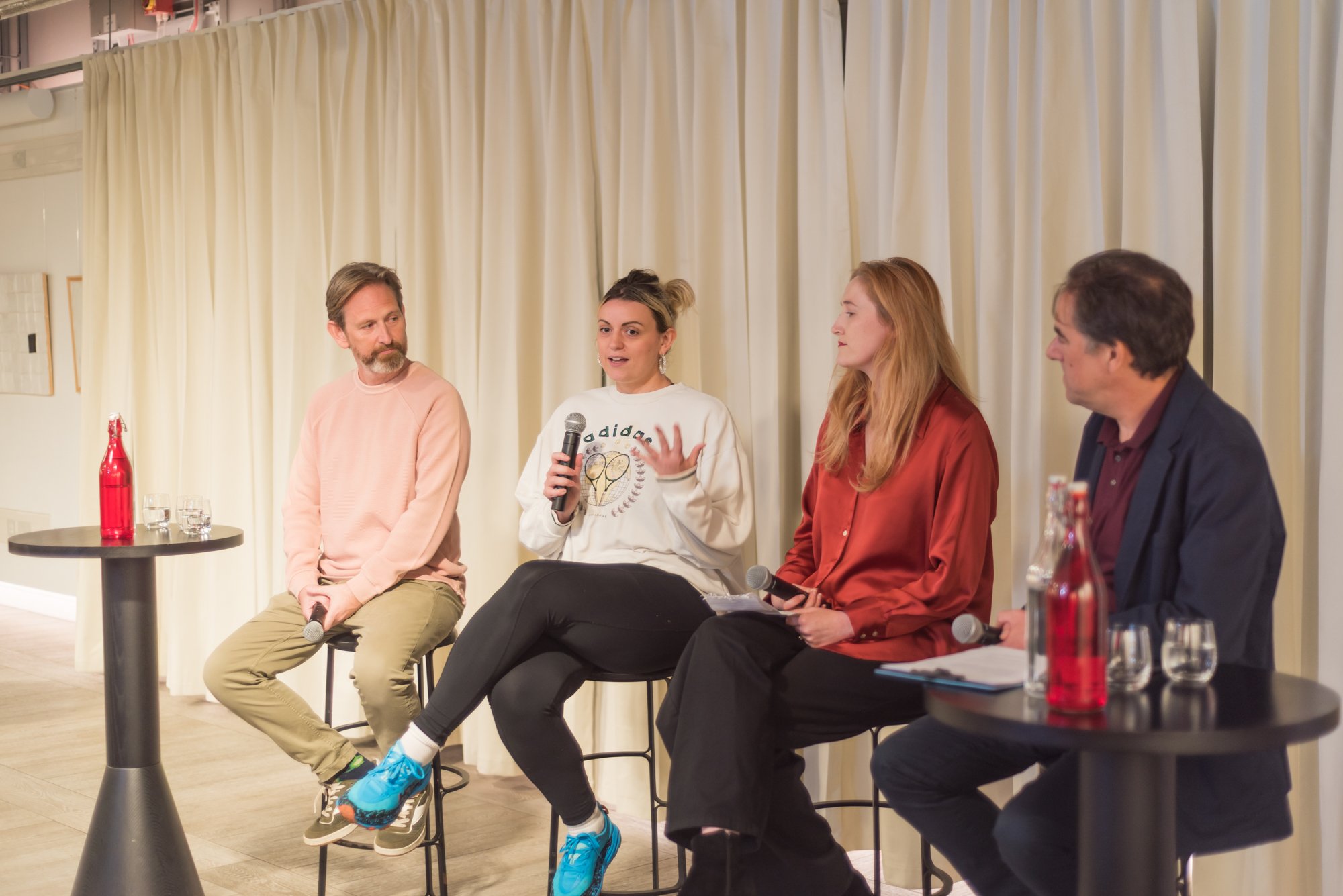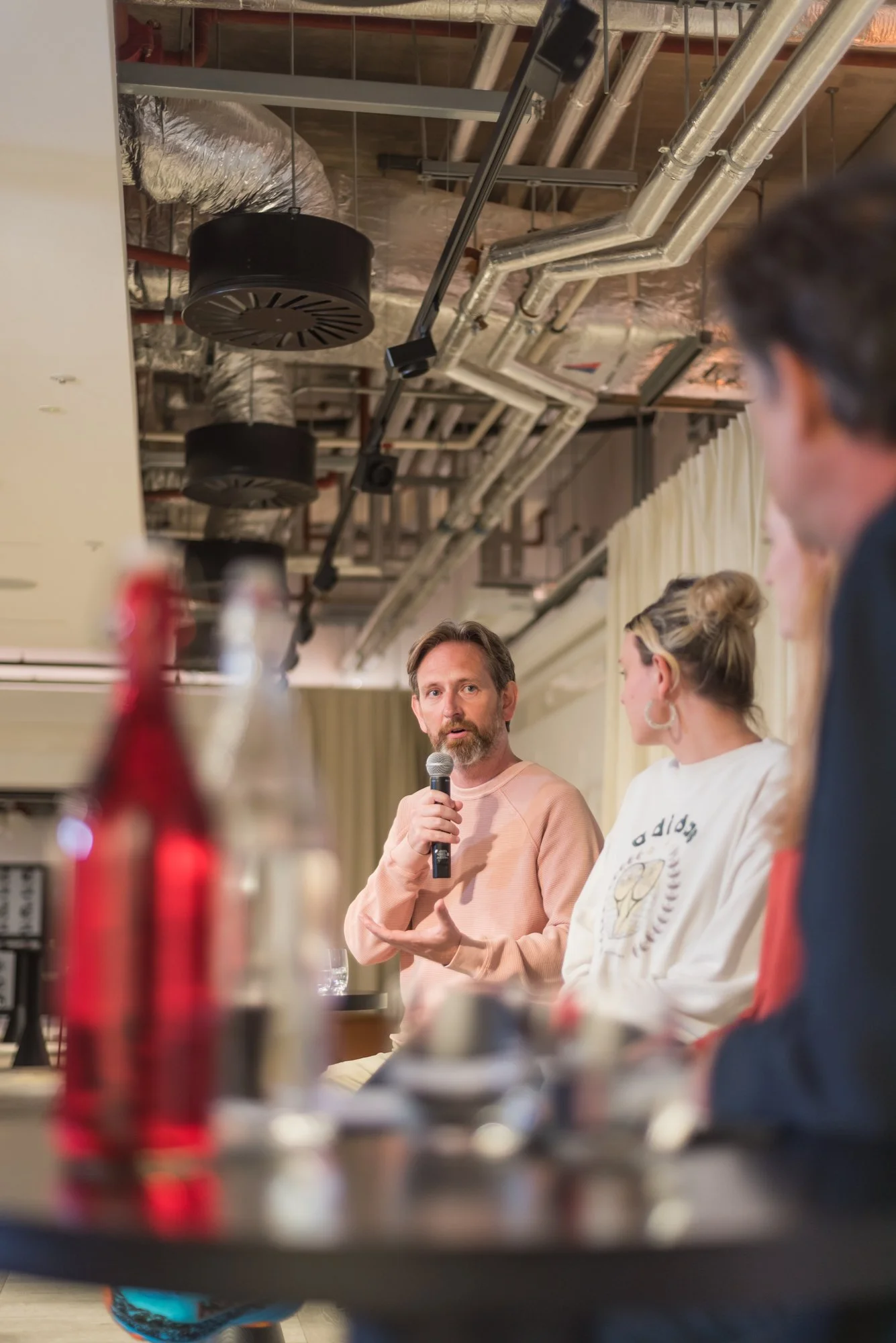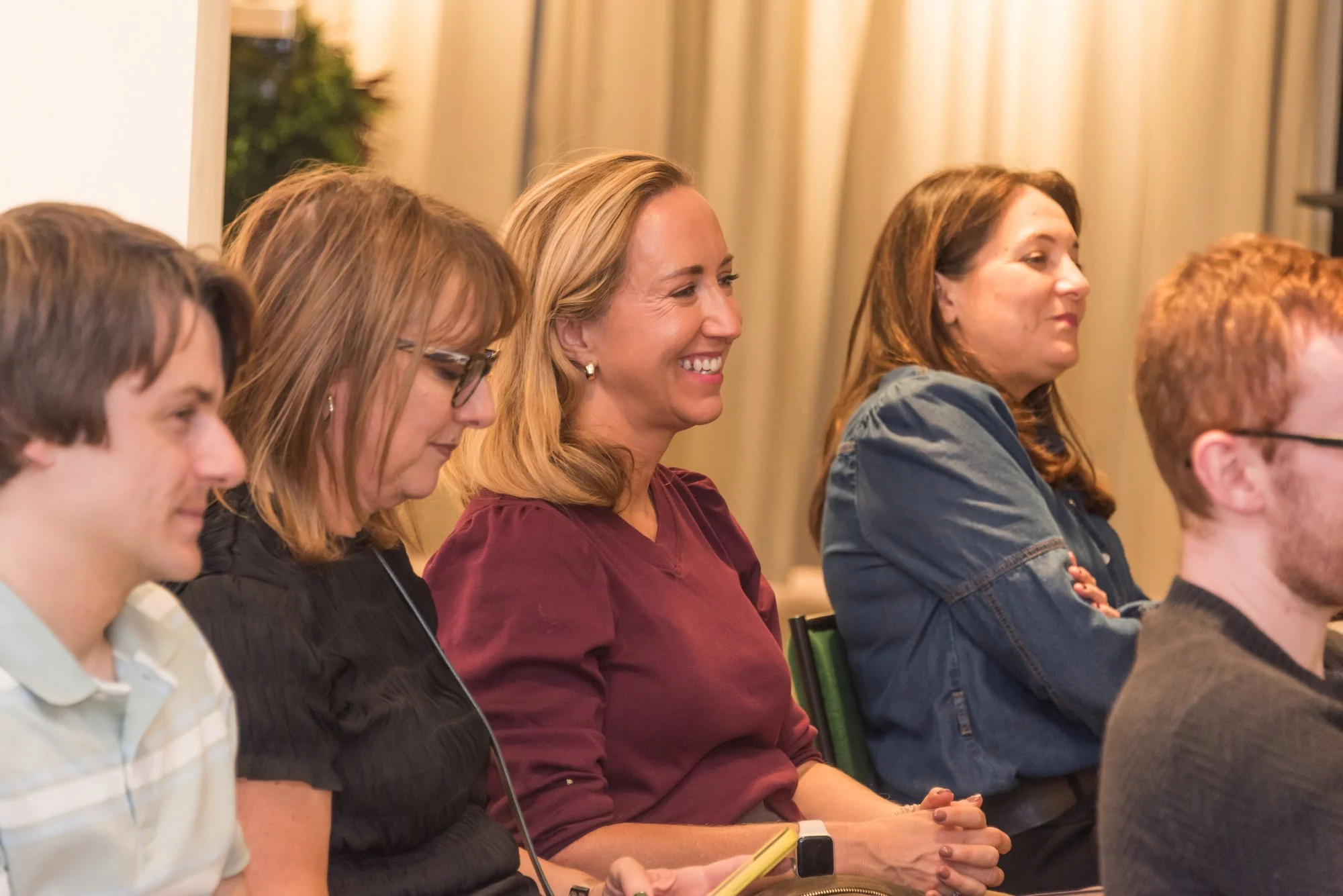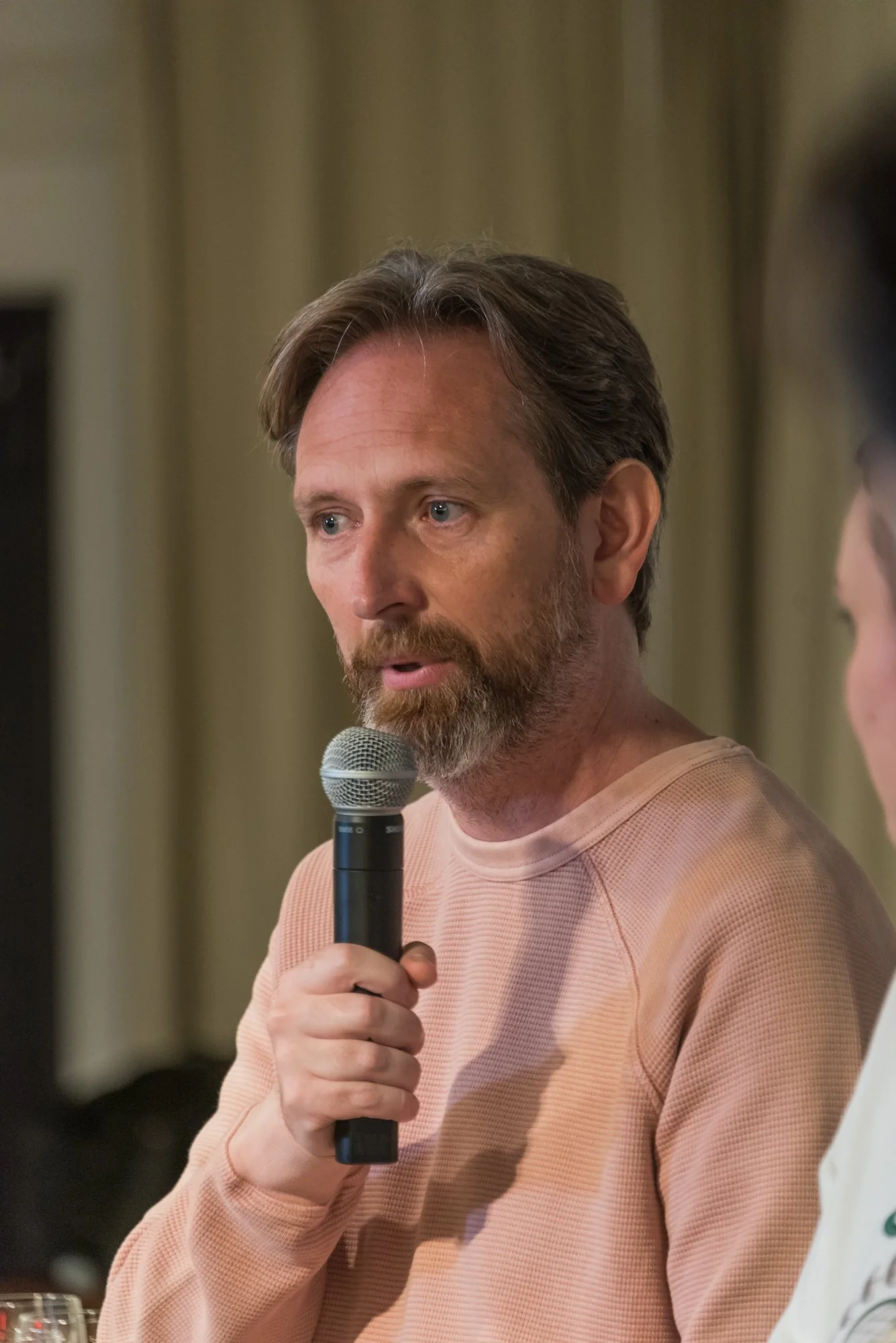
The current media landscape may be full of fast news, social media personalities, and content that can be consumed quickly and easily; but every now and again a journalistic campaign will remind us all of the importance of slow, long and well researched stories. To shine a light on some of the people behind those, the BSME hosted the panel “Killer Campaigns: Can journalism still change the world?” this Wednesday, at the Bankside Hotel Autograph Collection.
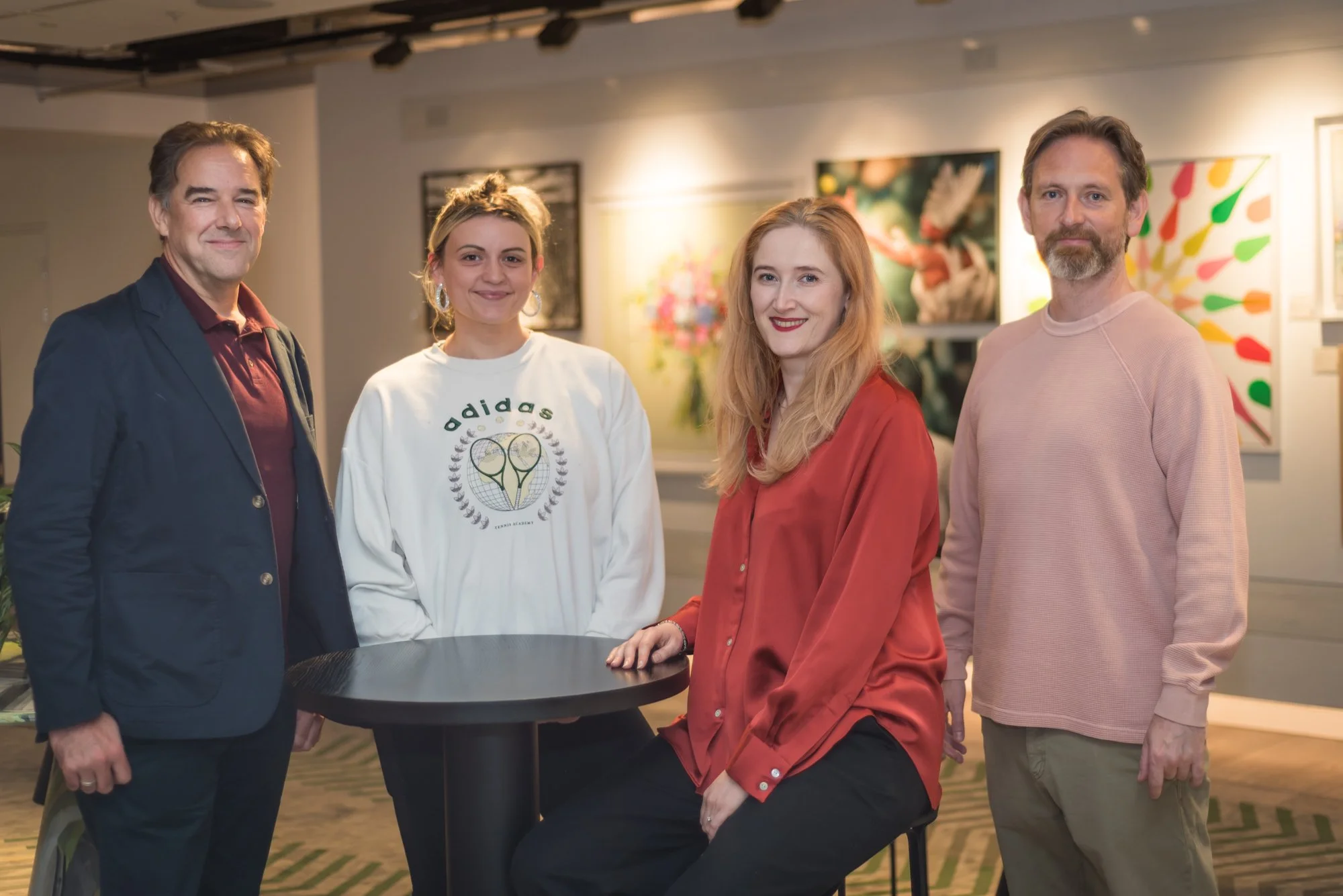
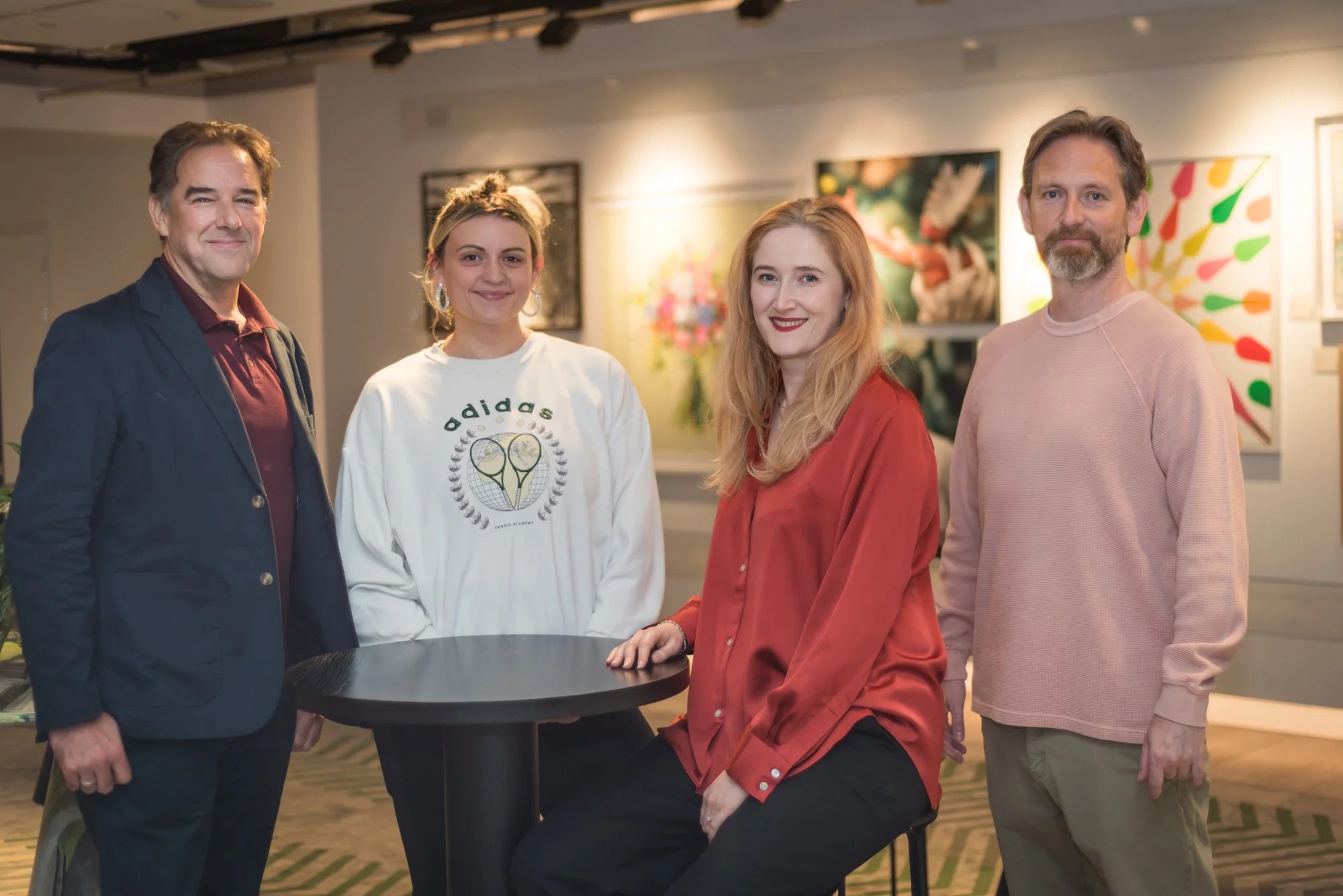
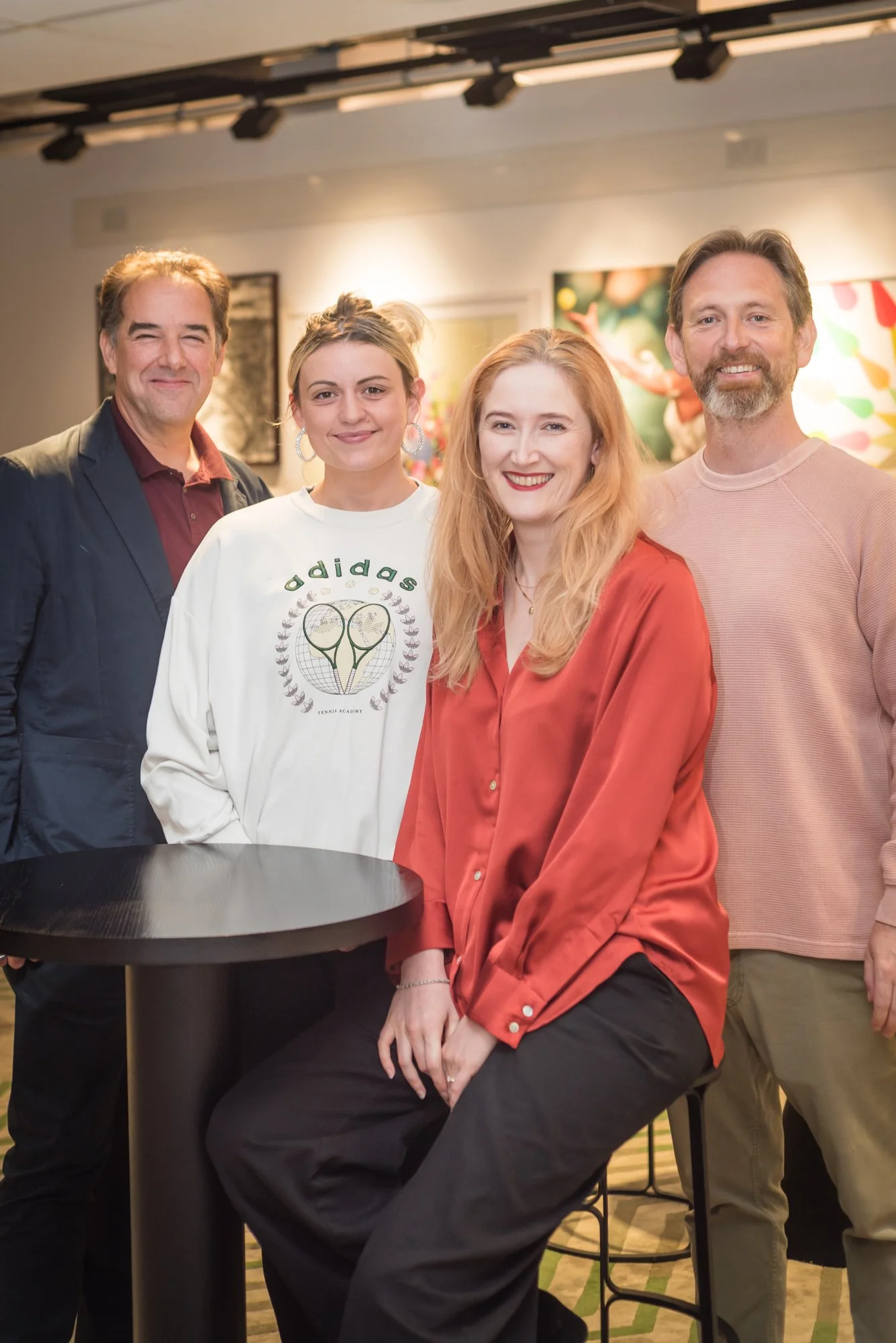
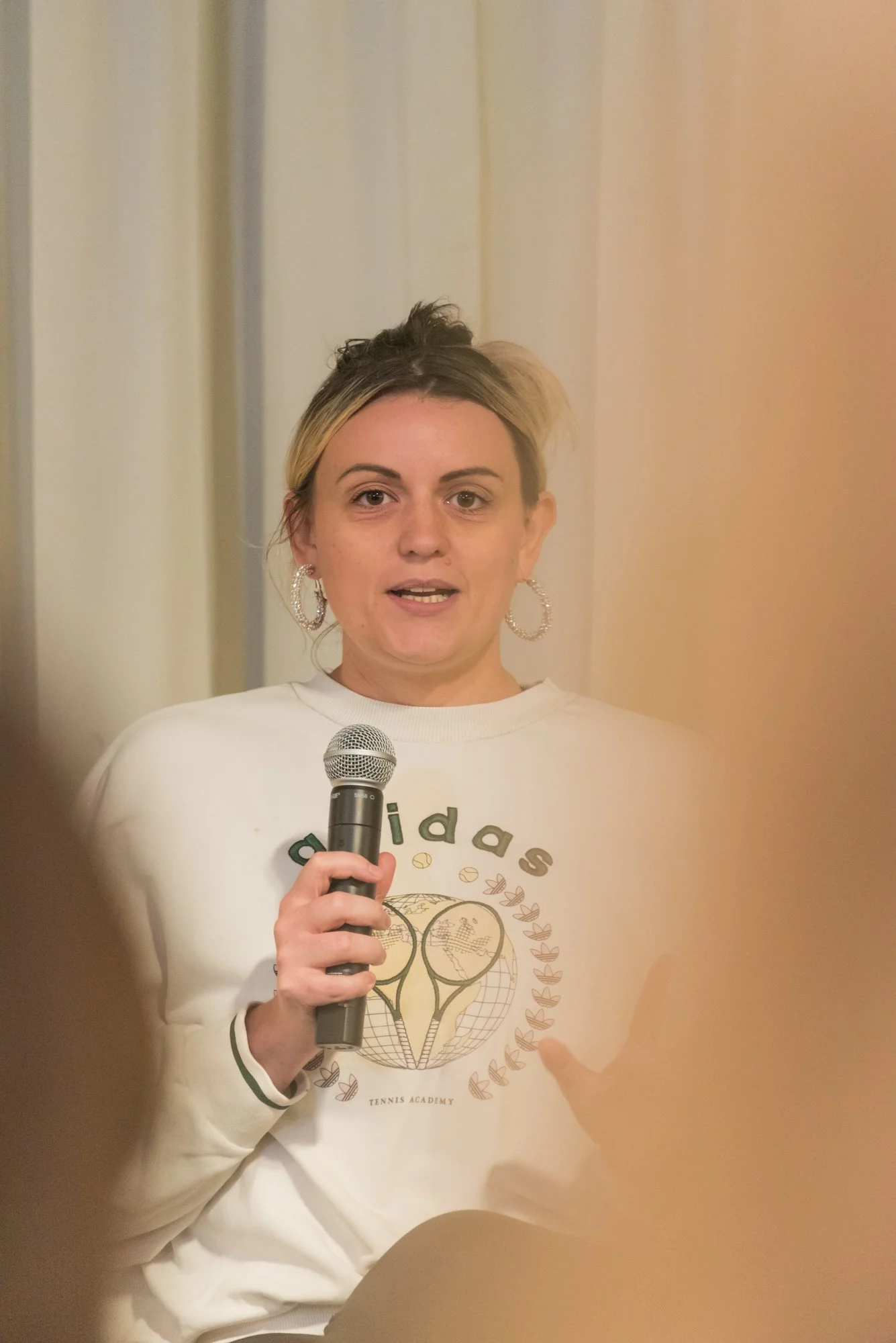
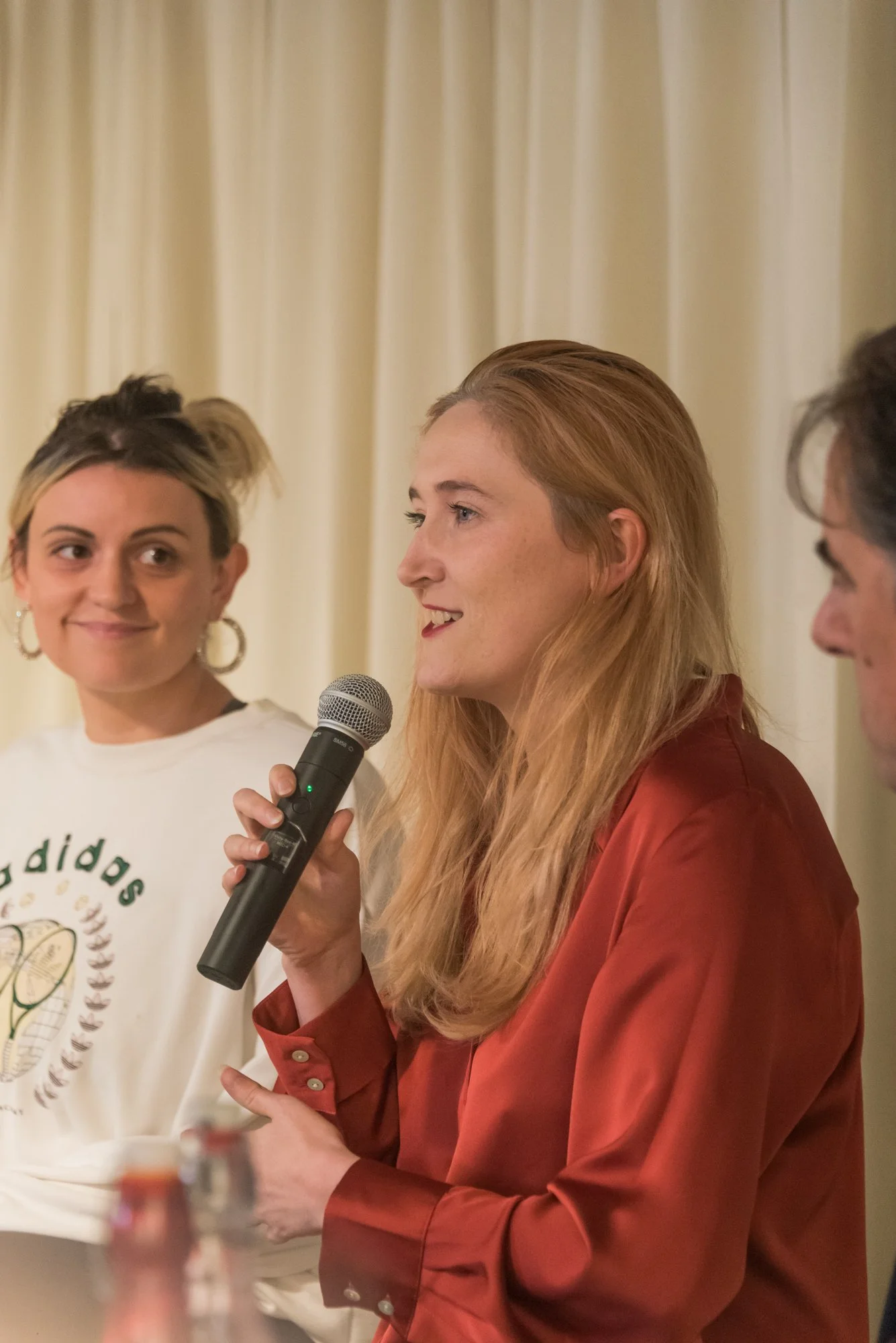
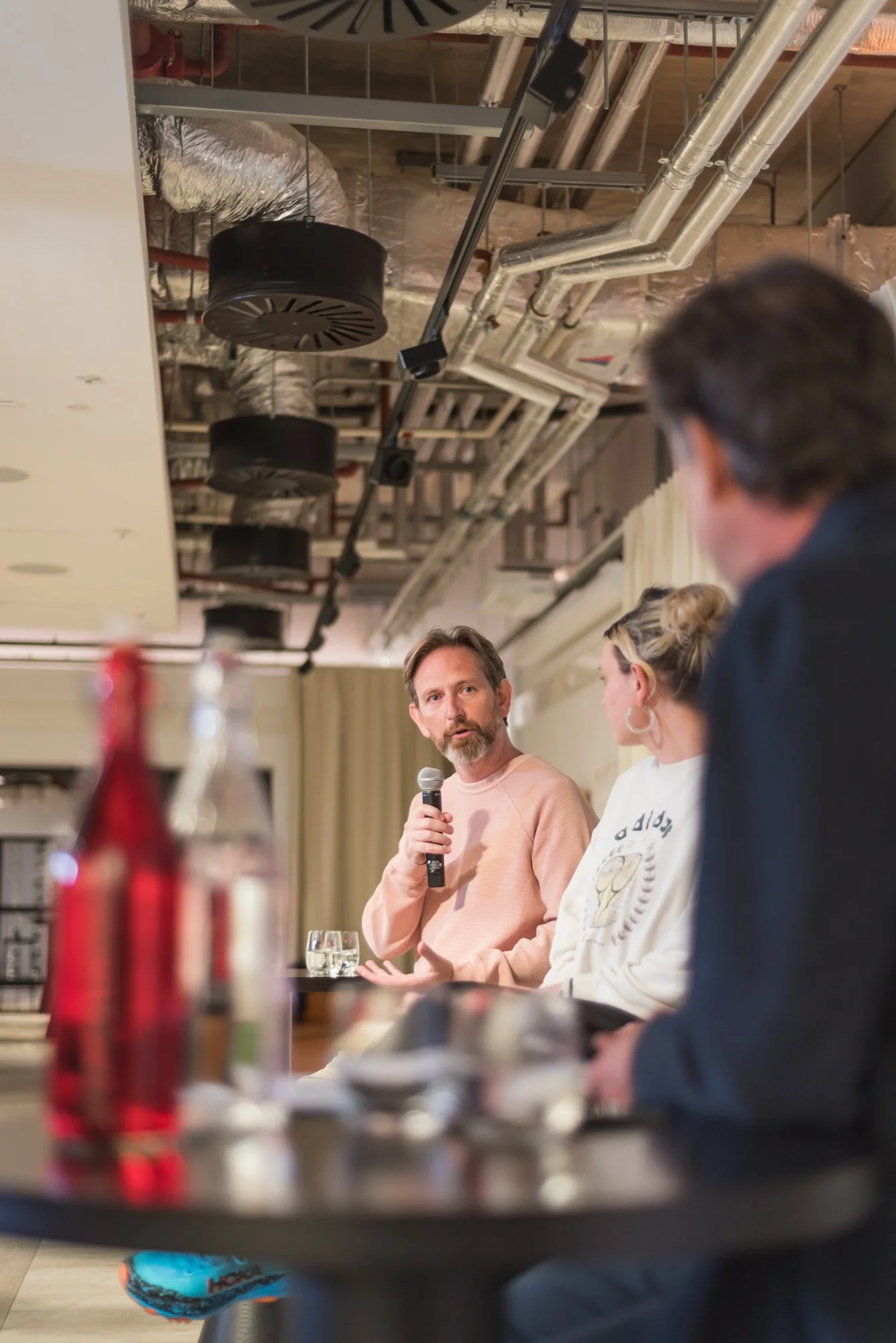
From left: Bryan Glick, Lucy Morgan, Tess Colley, Rory Boland
The panel’s host was Bryan Glick, the editor in chief of Computer Weekly who helped expose the Post Office scandal, joined by fellow campaign experts Rory Boland, editor of Which? Travel, Tess Colley, investigations and deputy editor at ENDS Report, and Lucy Morgan, acting content editor at Stylist and former digital and purpose editor at Glamour.
In their conversation, the quartet of award-winning journalists covered all aspects of what goes into carrying out a campaign, from what brings about the creation of one – journalistic curiosity, the discovery of some sort of injustice, and a splash of outrage are the perfect recipe – to what it actually takes for change to happen. Morgan also highlighted the importance of going further than just identifying problems. “We want to be a positive, productive presence in people’s lives,” she said. “You want to be able to present solutions as well as the outrage.”
And while they don’t always have the same scale as national publications, magazines still have an advantage when it comes to creating campaigns that bring those solutions to fruition. The close relationship with audiences that magazines are able to nurture, according to Boland, allows writers to delve deeper into topics and revisit them over and over again for much longer periods of time. “Newspapers are often excellent at making a massive splash about something,” he says. “But the persistence required to get a campaign through – magazines are just a bit better at that.”
Whether it comes from magazines or newspapers, however, Colley managed to sum up the importance of journalistic campaigns with one simple statement: “Change doesn’t happen unless someone’s calling for it.” And while Glick highlights that it is “bloody hard”, he seems to have no doubts that campaigning journalism can, in fact, change the world.
Key Takeaways:
Outrage is good. At least, when it comes to campaigns. Finding that something isn’t right and the feeling of frustration that comes with it can serve as fuel for world changing investigations. “Your own personal outrage against the injustice of something is really important,” says Boland. “When I was younger I thought ‘People will just fix this, it’s wrong. I’ll show it to them and it’ll be immediately fixed’, which is not the case. Then you make other people outraged, and that’s how the campaign gets rolling.”
There’s always a people story at the heart of a campaign. Finding those is key to exposing big injustices and getting others to care about a cause. “Centering people at the heart of whatever story you’re doing is just the most important thing you can do,” Colley says.
Trust is imperative. Be that the trust between publication and reader, or journalist and source, there is nothing more valuable when it comes to telling a story.
Face to face interactions are irreplaceable, particularly when it comes to building trust – though the online landscape can still be useful. “Facebook groups on a practical level are very fruitful,” Colley says, particularly to find the people. “But then you have to go, meet these people face to face to have any relationship with them.”
A good campaign requires persistence, particularly in order to create real change. “The opening investigation is like the start of a house party,” says Boland. “Everybody’s there, everyone’s excited.” However, getting the public to maintain this level of enthusiasm long enough to get results is really challenging. “It takes a lot of effort to get the right people to look at and address those problems,” he concludes.