AI is already shaping how editorial teams work. The question is: are you leading it, or reacting to it?
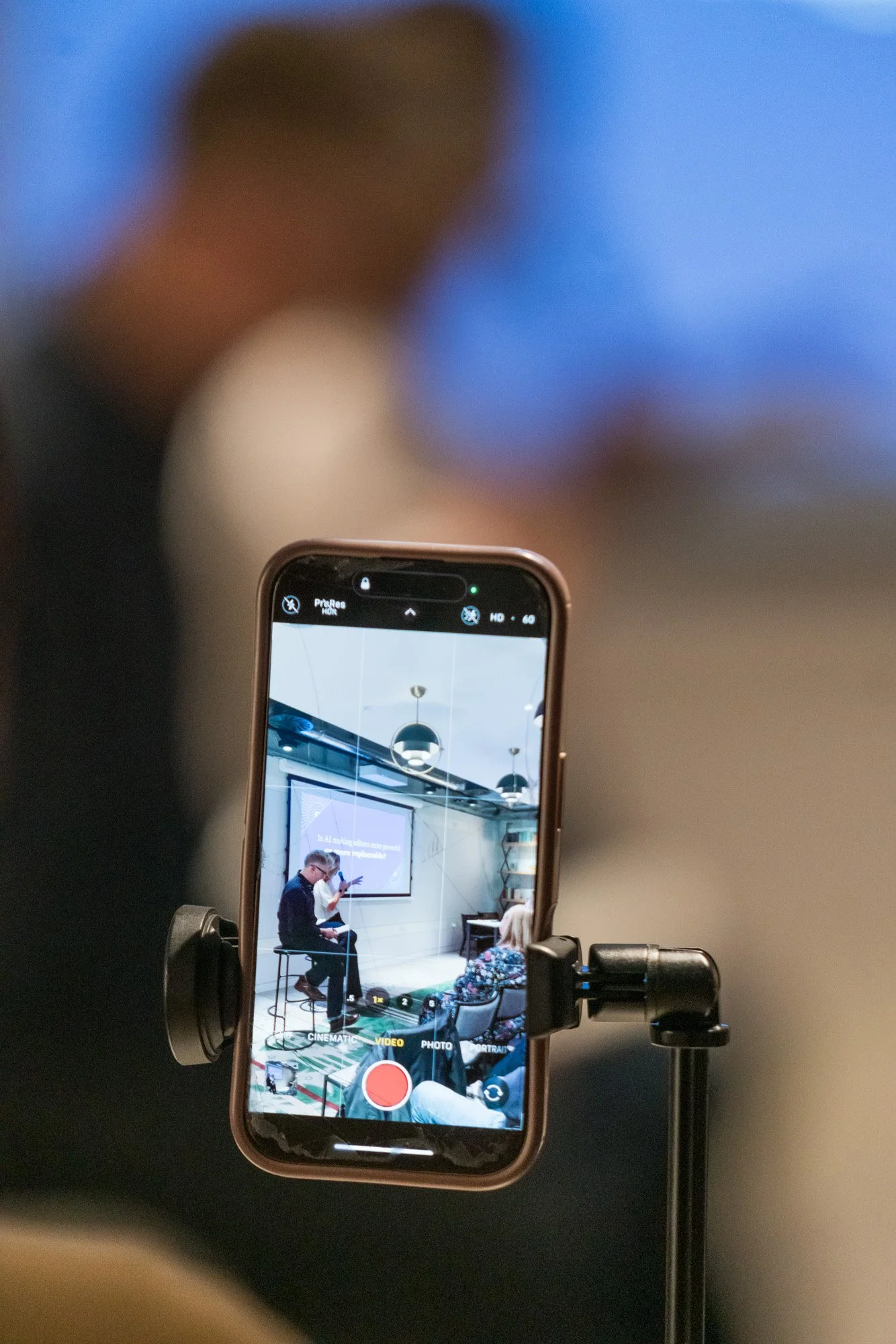
This BSME session at Bankside Autograph Collection cut through the hype and fear to show editors what good AI use looks like right now, highlighting quick wins that actually save time, and offering practical guidance on leading teams confidently through AI adoption.
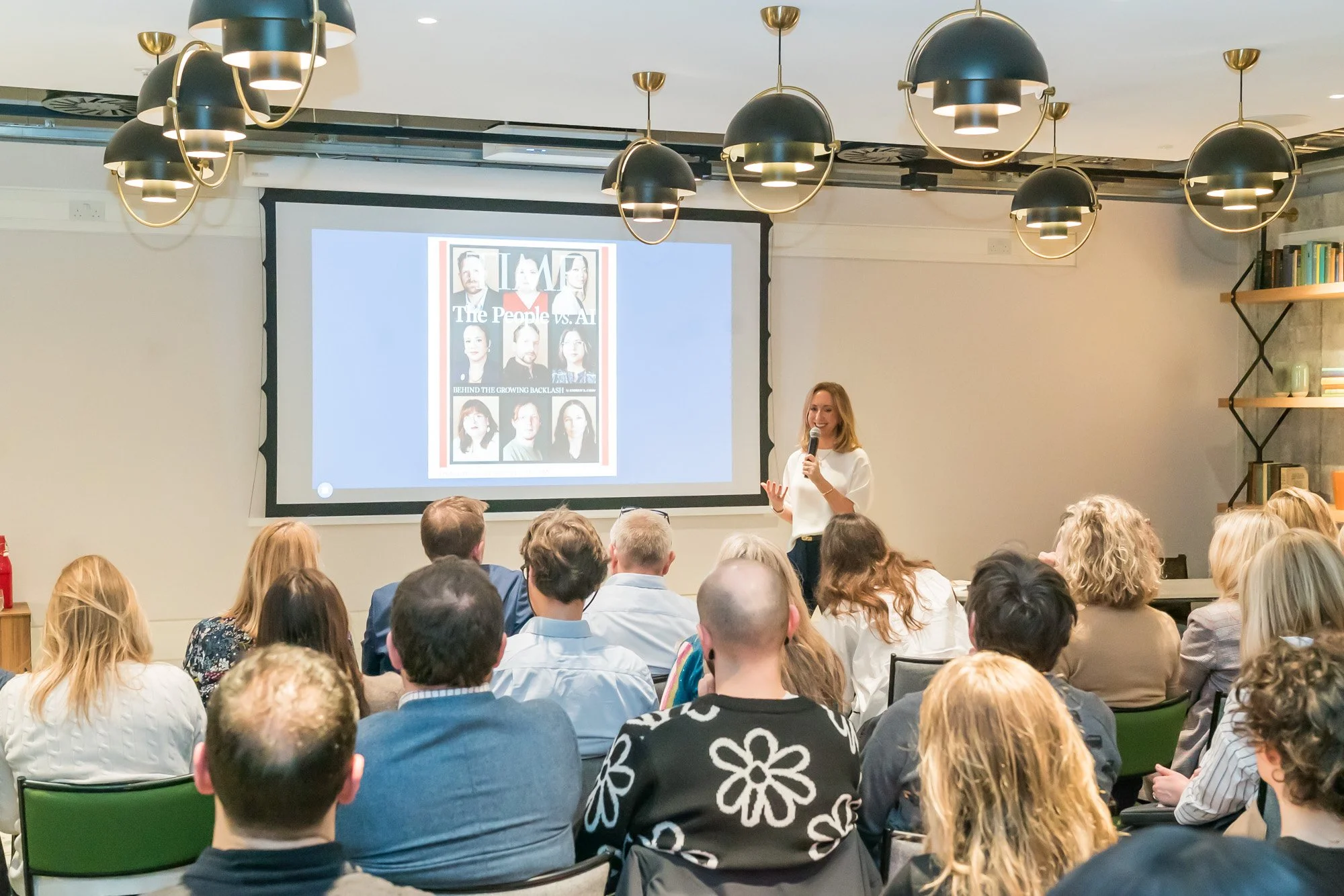
Harriet Meyer’s AI workshop for the BSME
Now a year on from the last talk on AI and journalism hosted by the BSME, the technology has already evolved at a rapid rate. “Something big is happening”, warned AI tech entrepreneur Matt Shumer in a post on X that went viral last week, detailing how the latest tools from OpenAI and Anthropic are advancing AI to previously unprecedented territory.
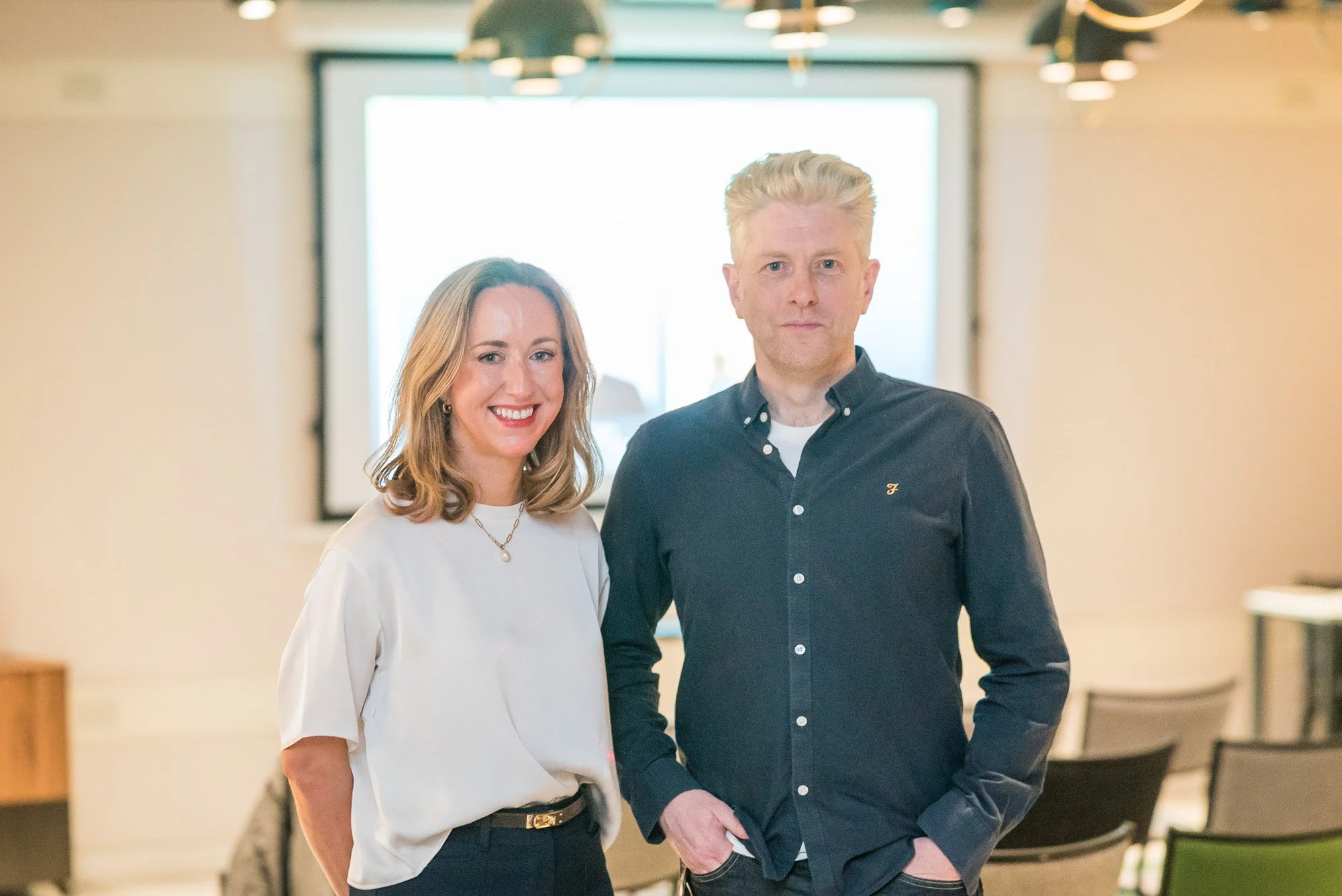
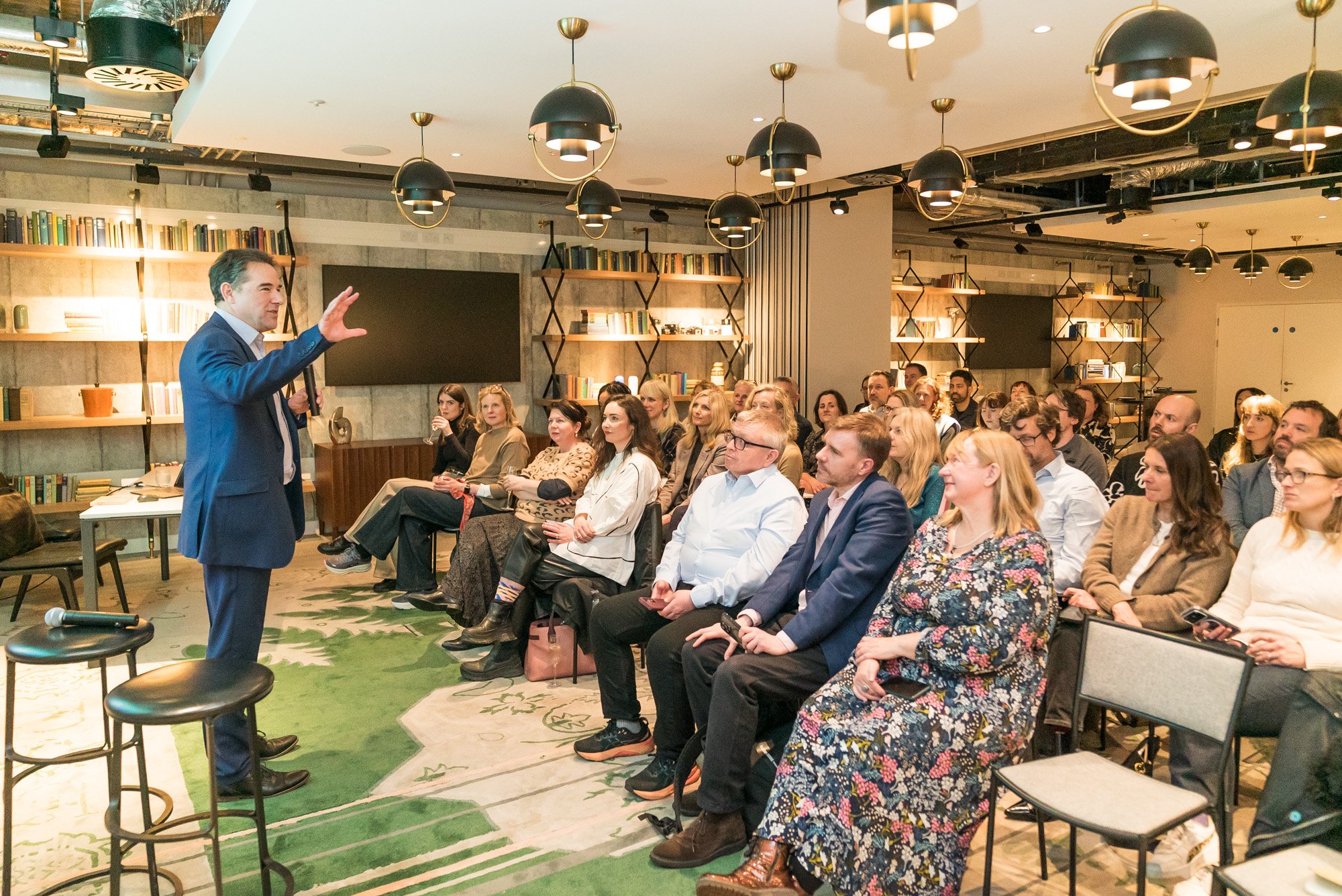
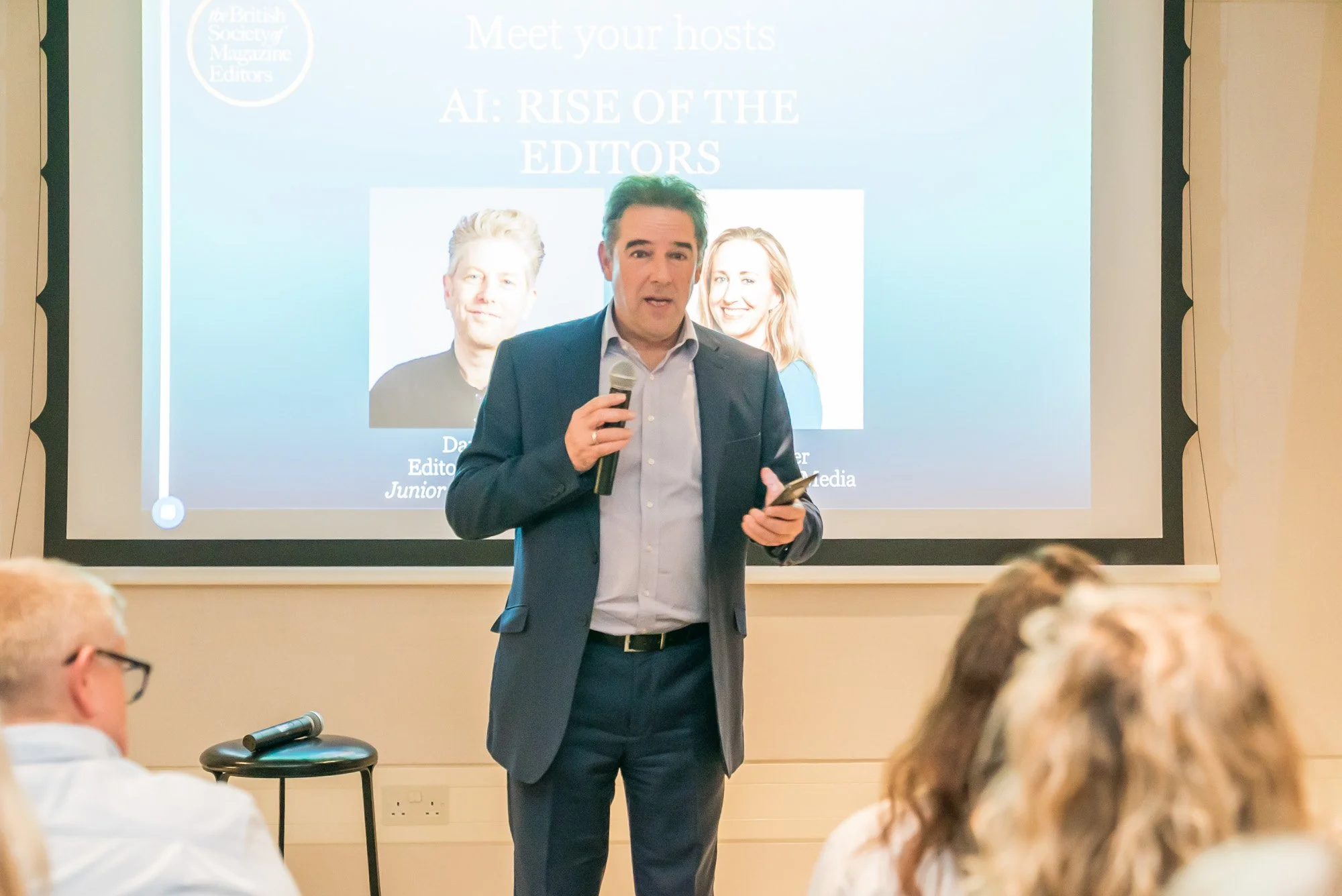
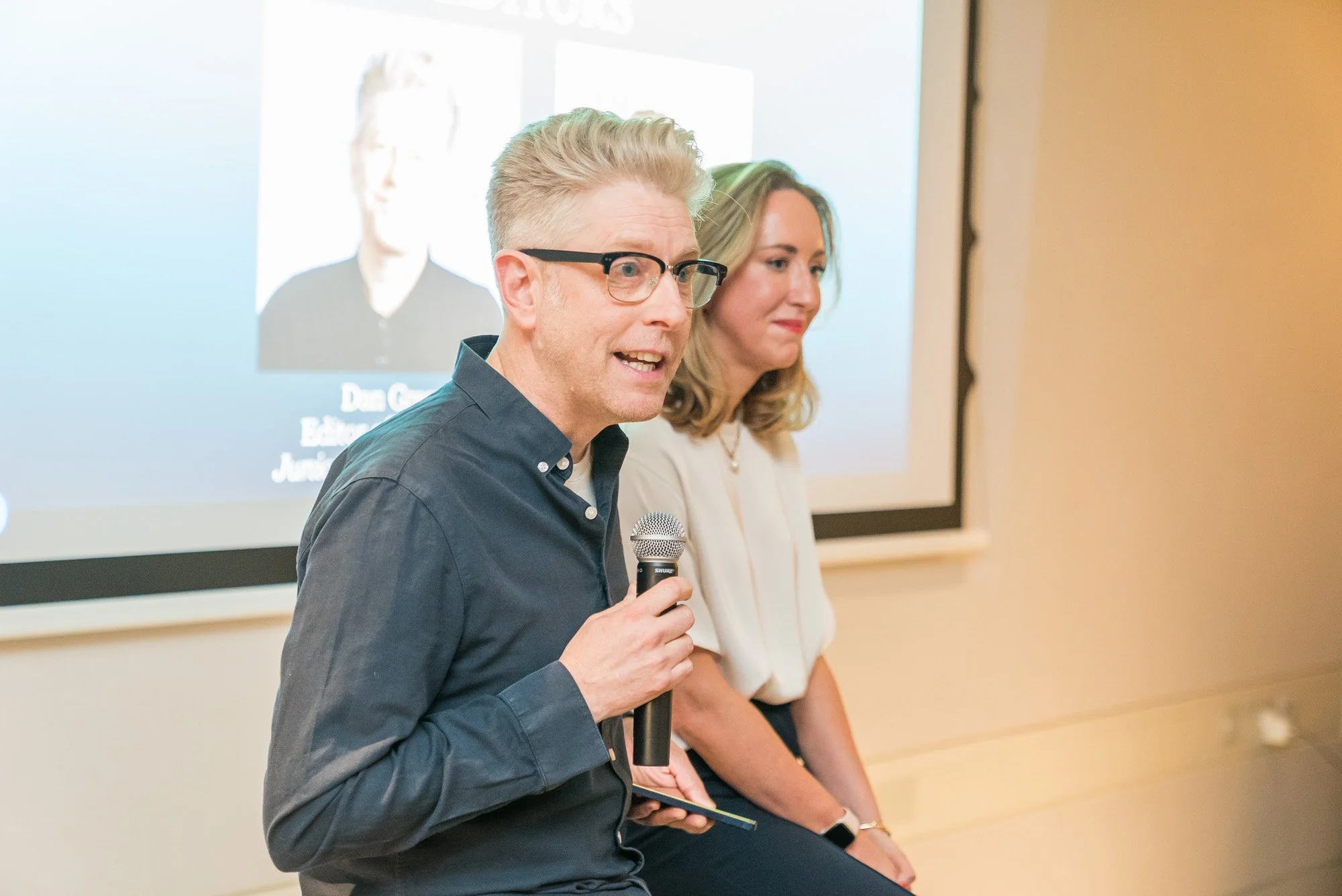
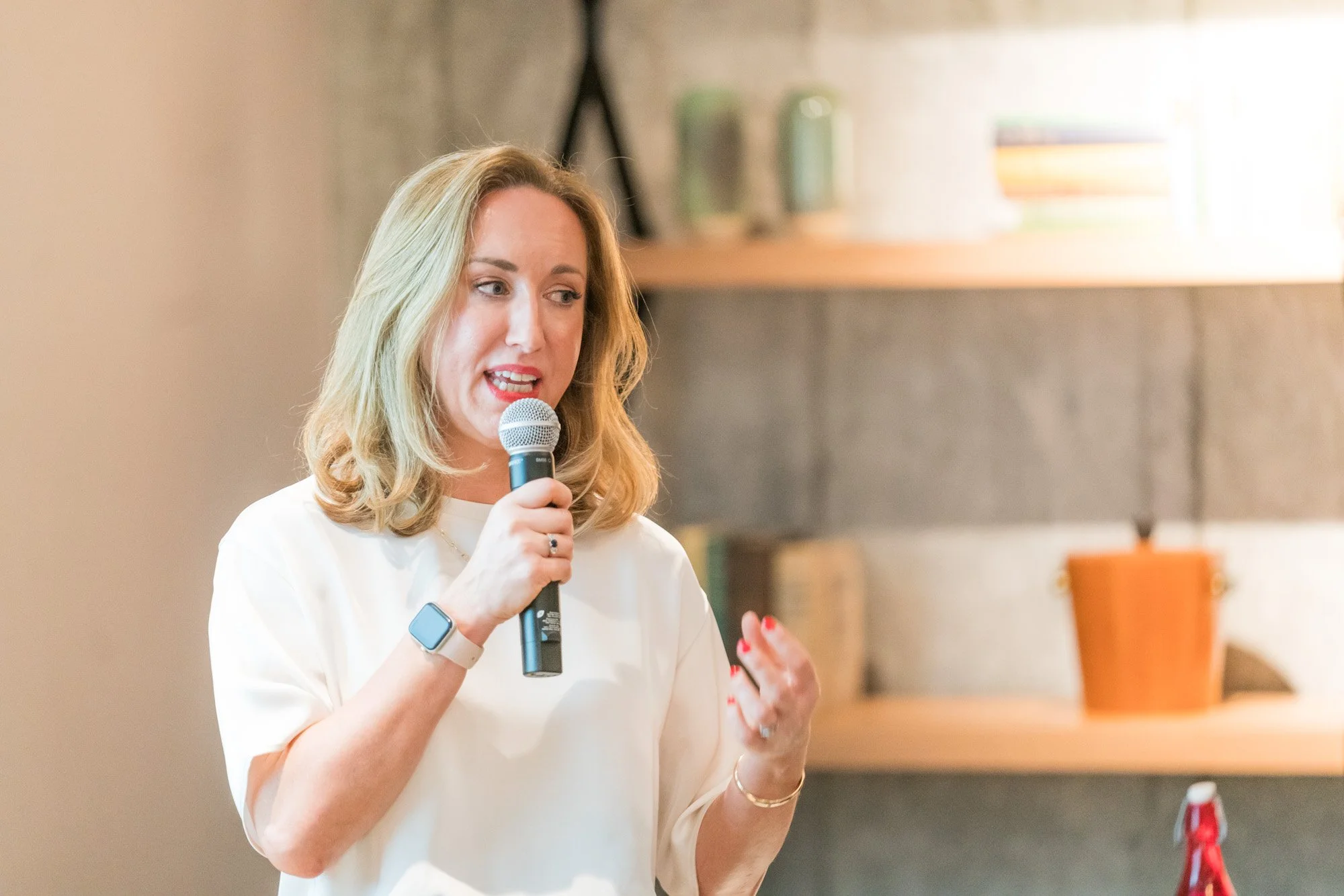
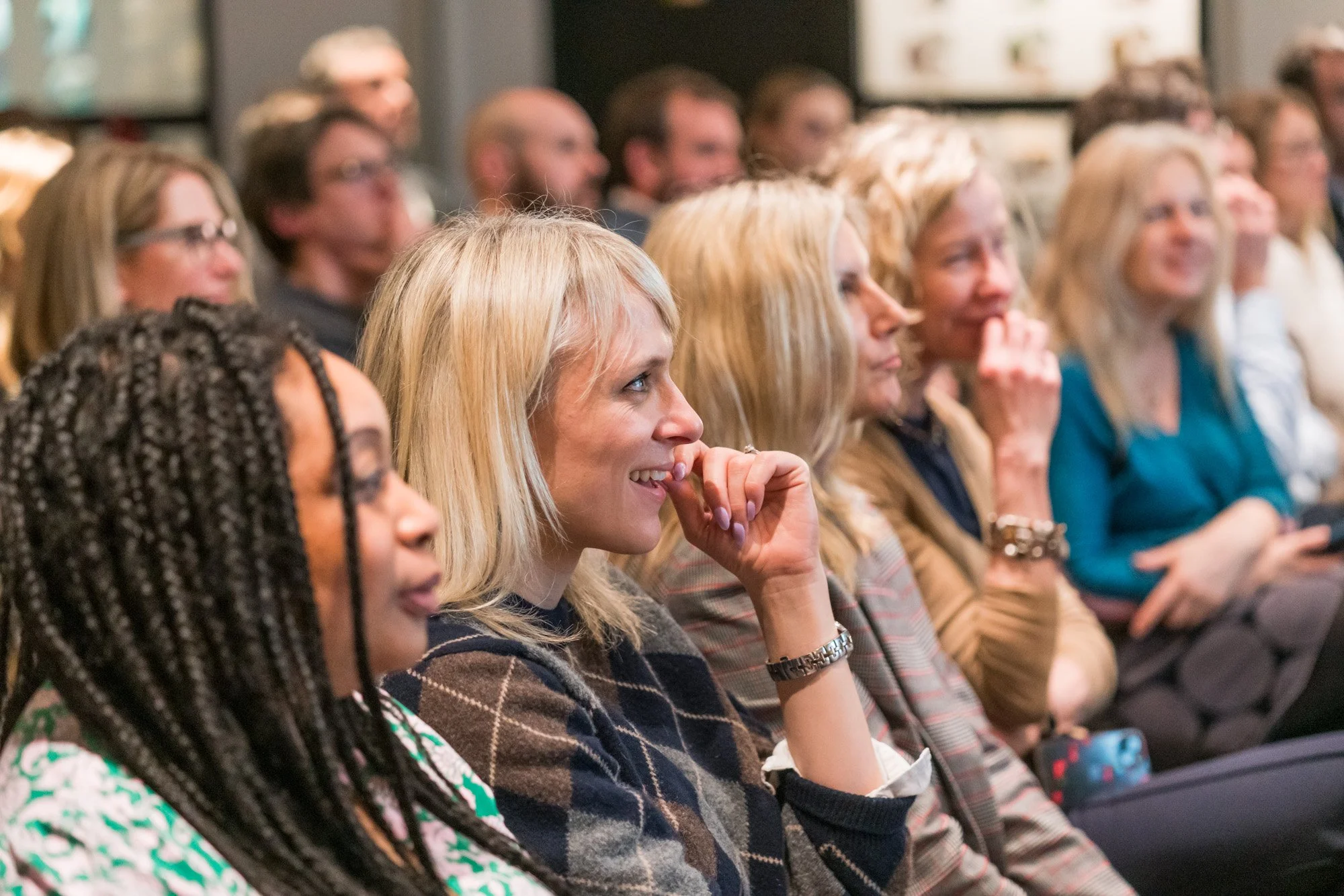
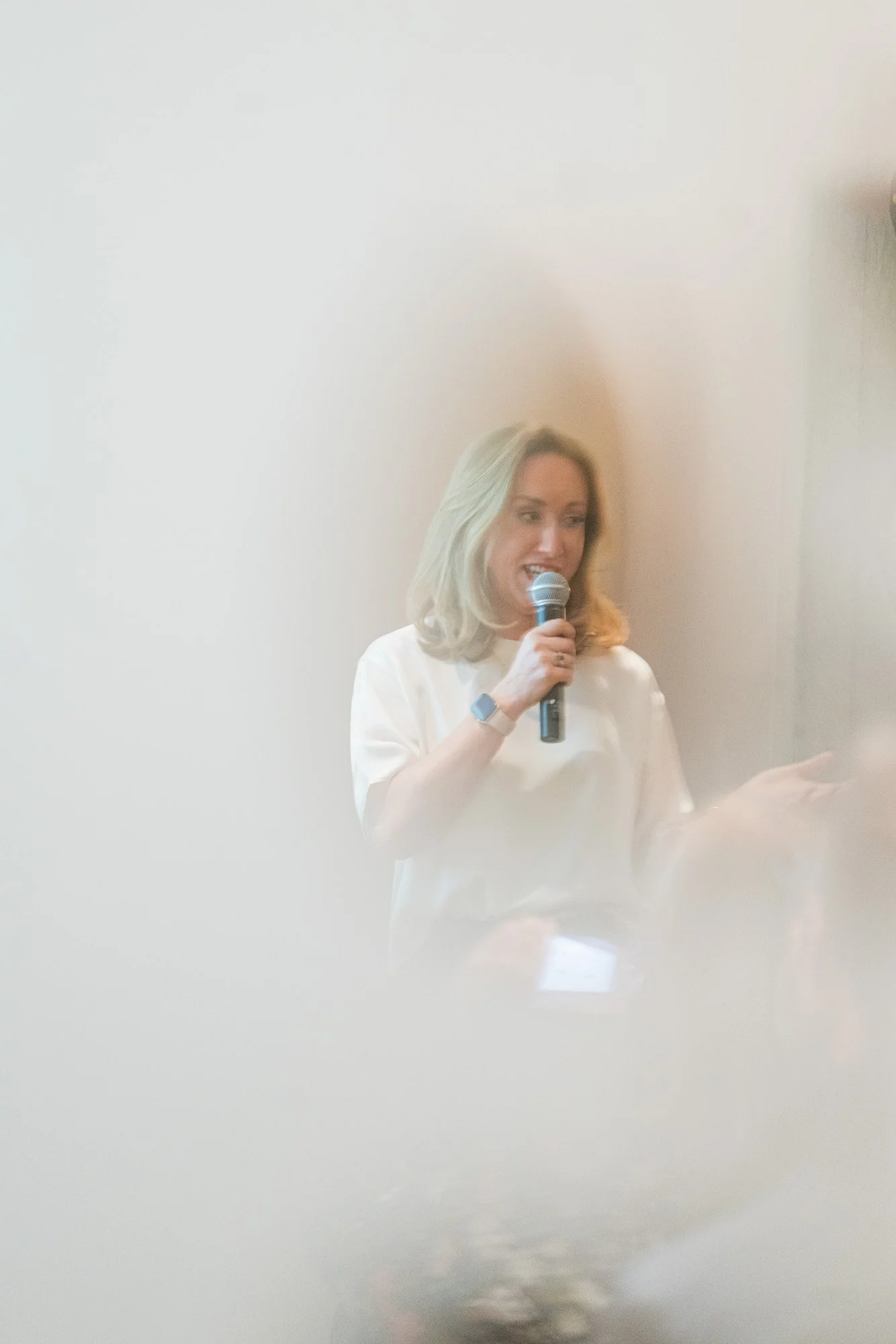
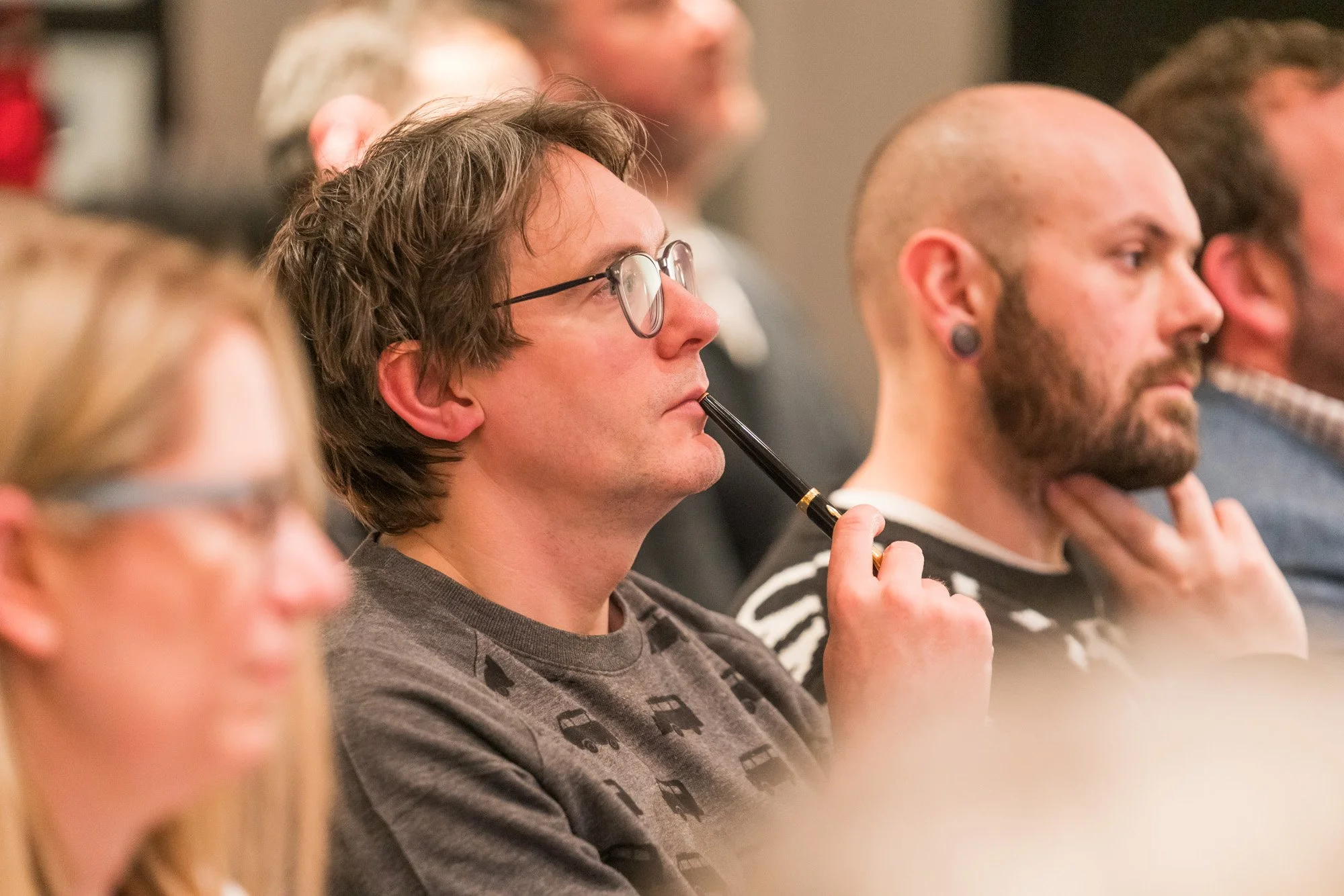
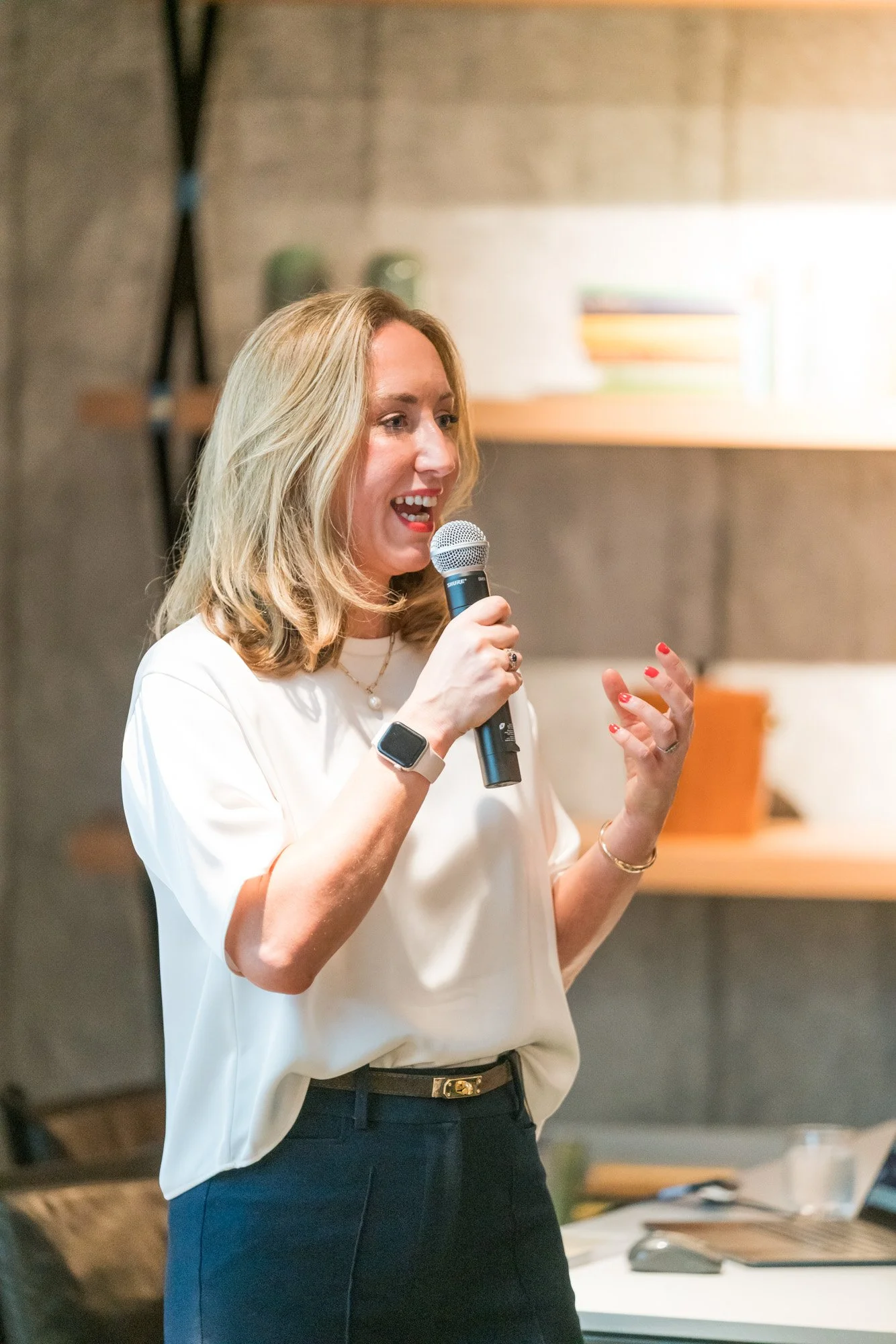
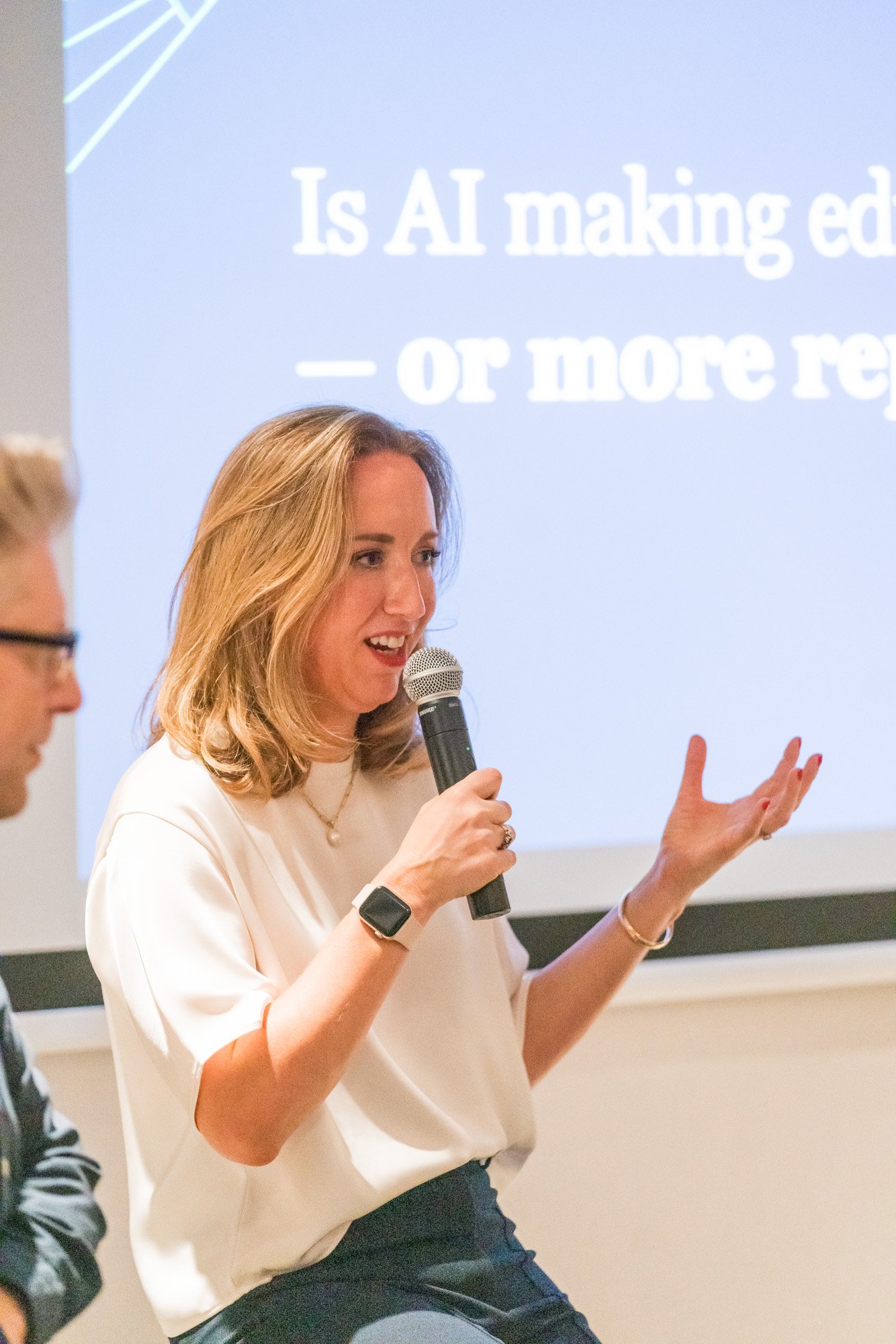
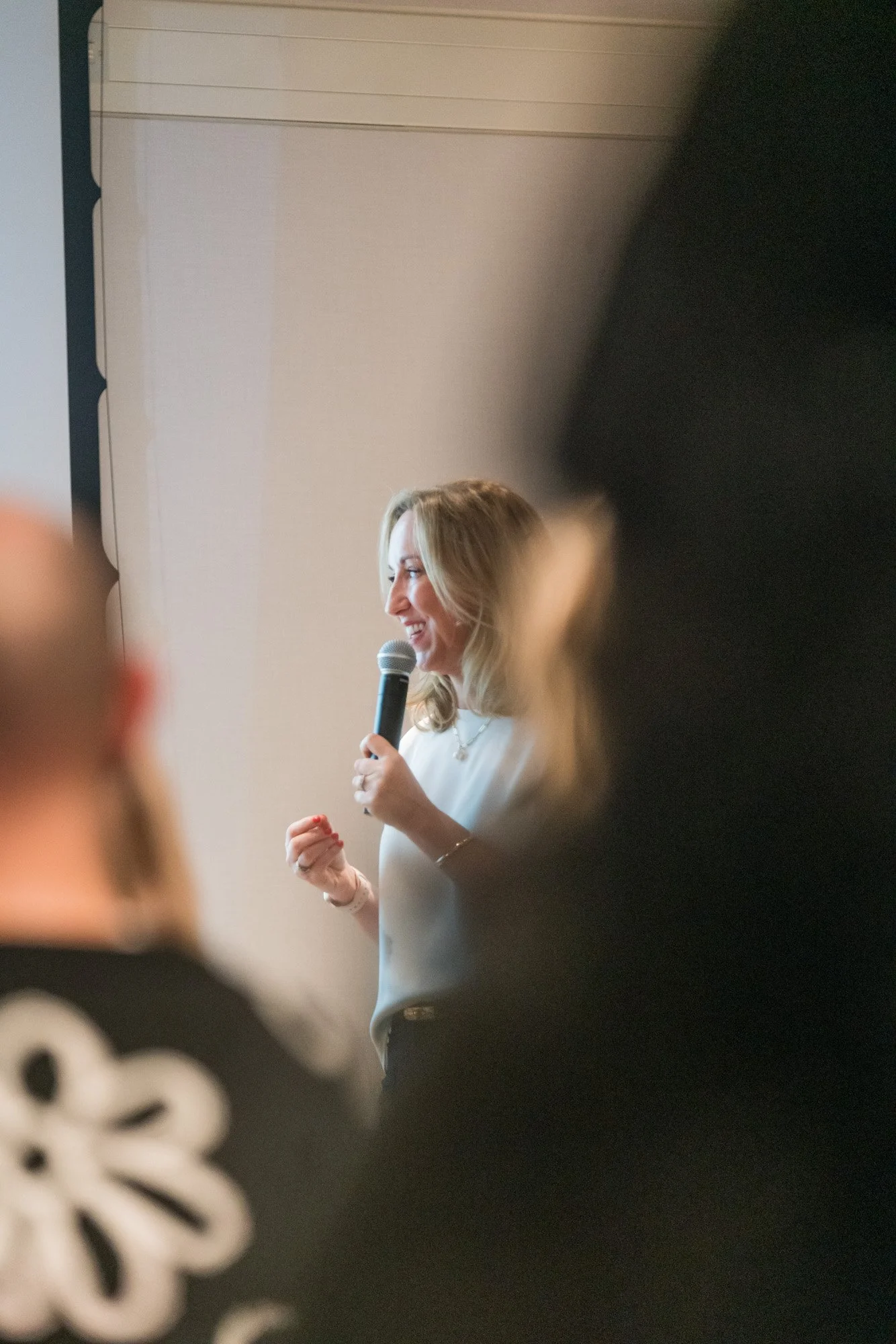
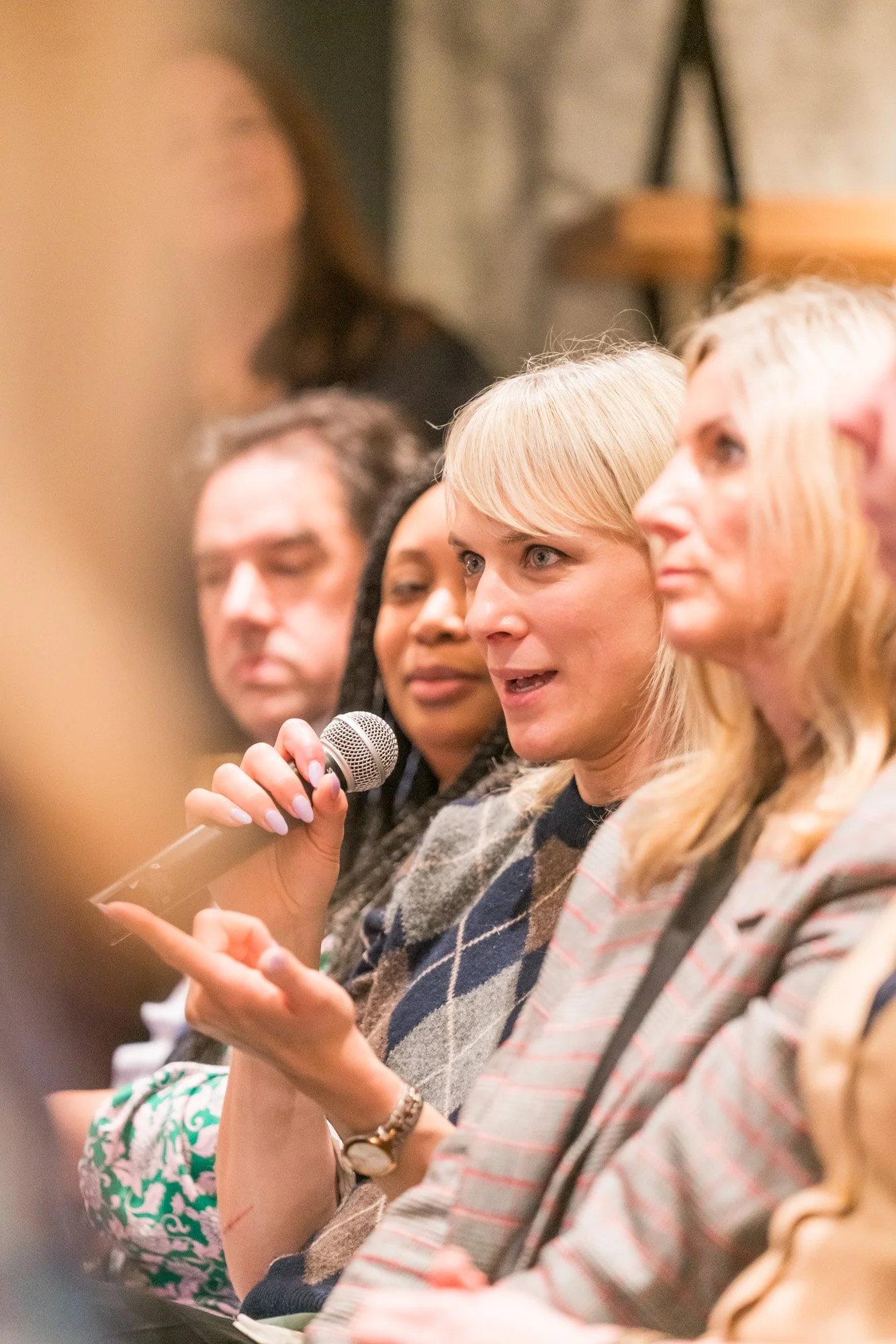
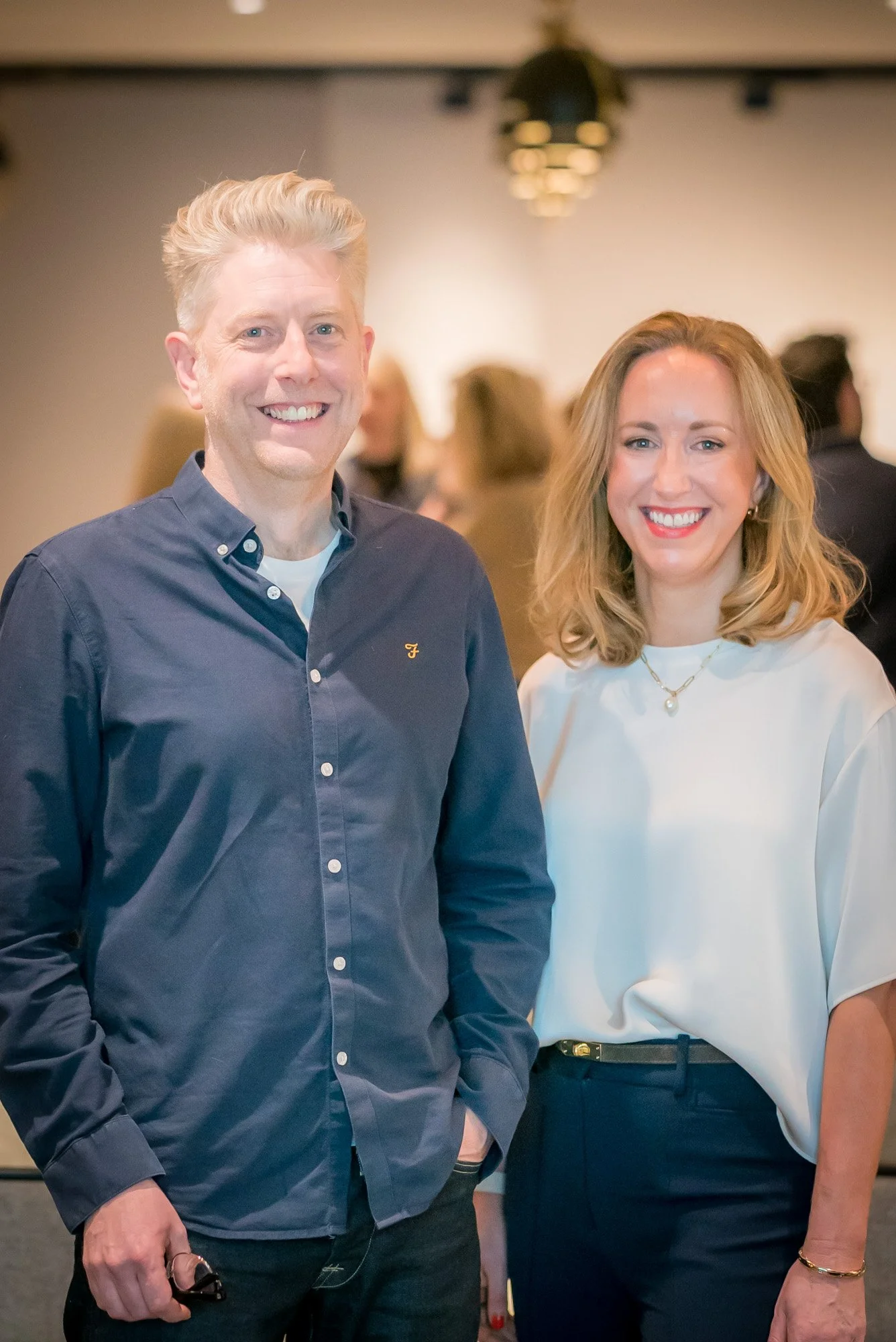
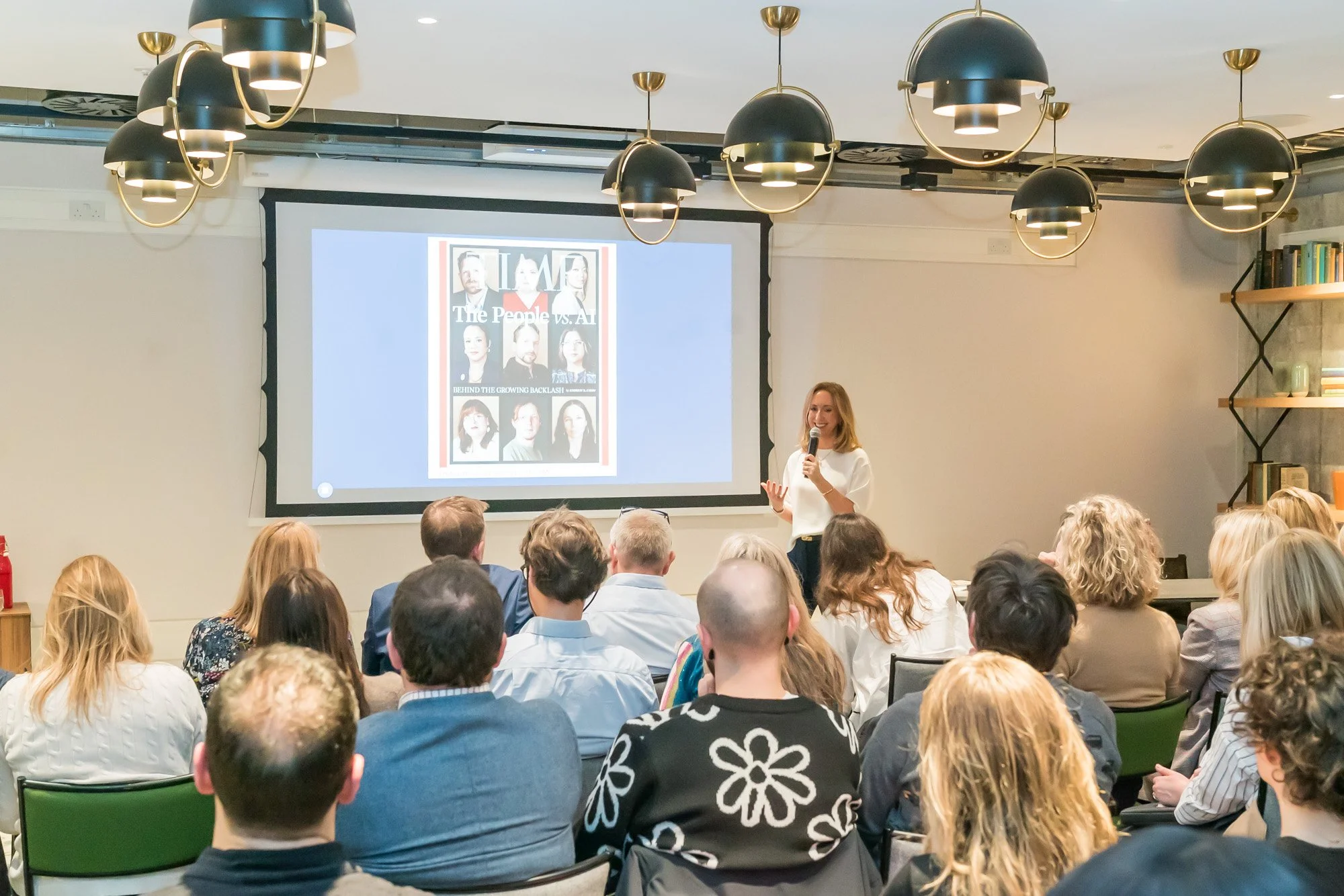
It might feel scary, but also presents exciting opportunities. Dan Green, the BSME’s new chair and editor of The Week Junior Science + Nature, hosted a talk with Harriet Meyer, a financial journalist and founder of AI for Media, which sought to turn scepticism about AI into fascination. The discussion, which took place at the Bankside Hotel, offered actionable advice on how AI can make editors more powerful, while affirming the skills that make journalists uniquely valuable.
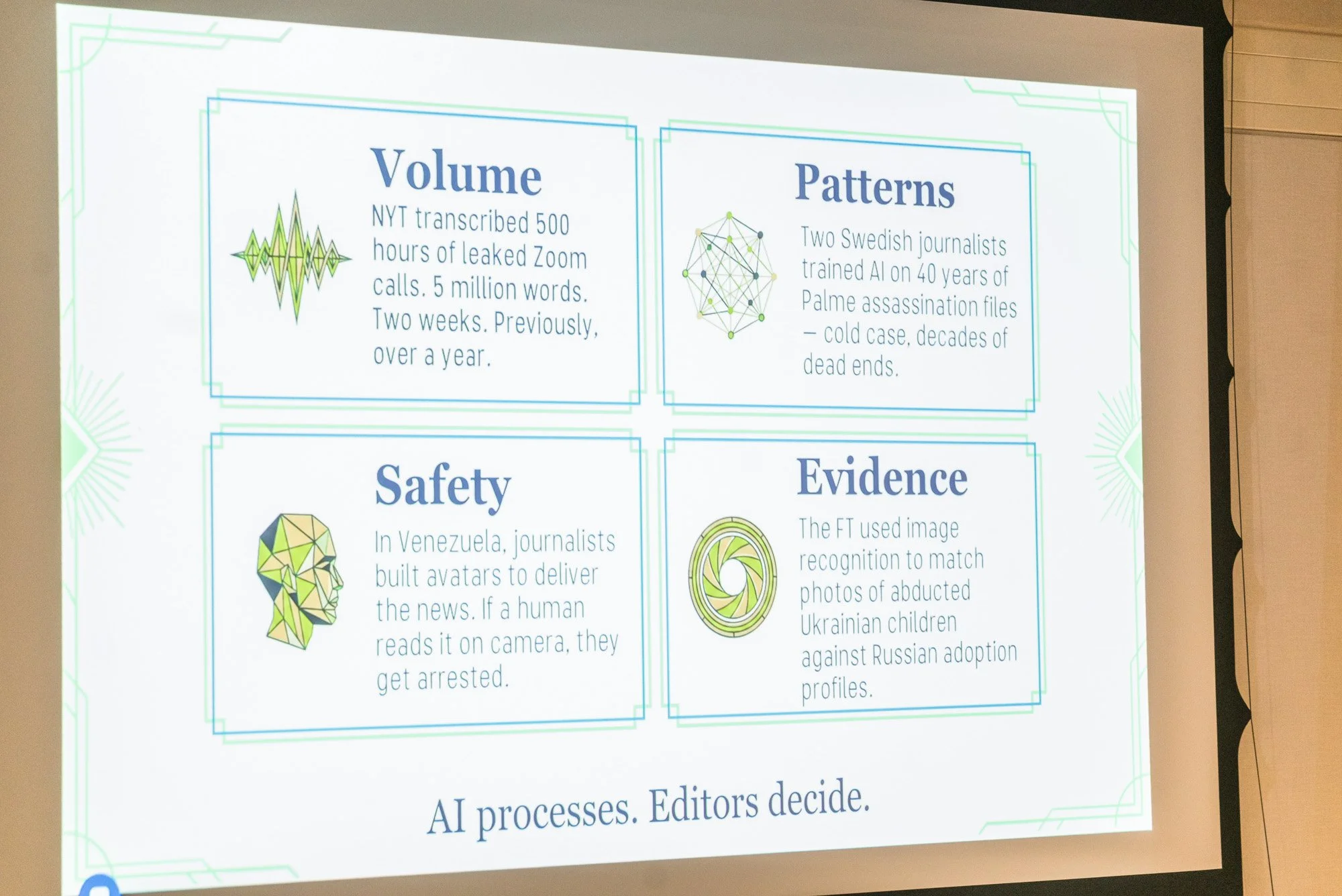
From the best AI tools to be using right now to what you actually should be using it for, the discussion provided best-in-class examples from real newsrooms of how to adopt AI confidently.
Meyer detailed how AI can be your own editorial assistant or strategist – coming up with new angles, analysing vast data sets and mapping stories across multiple formats – but your skillset as an editor is still essential. Good-quality briefing, your voice, taste, and judgement are more important than ever to wield AI ethically and effectively.
Listen to the full audio recording of the event
Read Harriet Meyer’s key takeaways
Key takeaways:
Keep testing. “The tools change every week,” says Meyer, so it’s important to test for yourself. Trial a couple of options at any given time, and of course, the best tool will depend on your goal.
“Rubbish in, rubbish out”, is the motto when it comes to using AI. The editorial skill of briefing is just as relevant. Give the AI an authority, whether that’s your reader or a sceptical editor, and provide data and context. Meyer’s hot tip is to task the AI to ask you clarifying questions, so you can ensure it actually understands your brief.
Check and fact-check again. AI can be a great research tool but it still gets it wrong sometimes. “Work on the assumption that you need to check the facts,” says Meyer. “AI is working from its own knowledge and the web, and it has a real habit of spouting confident bullshit.
Exercise your judgement. As an editor, you know what’s going to land with your reader better than anyone else. Interrogate any ideas that come from AI and use critical thinking. “We’re humans. We know what’s actually going to resonate with people,” says Meyer.
Set out when AI can and can’t be used. It’s important to set rules with your team on AI-usage, Meyer recommends. “Give clear guidance and update it regularly. So it can’t be used to generate copy or quotes, for example, but it can be used in research or idea generation.
Say goodbye to the misconception that AI is “rubbish”. There is naturally a lot of concern around AI, but Meyer encourages editors to move away from the assumption that it isn’t helpful to their work. Focus on areas where it can be useful – whether that’s time efficiencies, data analysis, research, or creating visuals – while protecting core journalistic principles, like writing the copy itself. See how “it can empower you and add to what you do.”
Takeaways from the discussion written by Lucy Keitley, MA Magazine Journalism graduate from City, University of London.
Photography: David Cotter